Jasmine and tuberose are often described as white florals, but that label can make them sound cleaner and simpler than they are. These flowers can be luminous, creamy, green, narcotic, musky, waxy, fruity, indolic, honeyed, or almost animalic depending on how the perfume is built. They can smell like petals in warm air, a flower shop at night, sunscreened skin, orange blossom cream, old-fashioned glamour, or a modern skin scent with a floral pulse. A white floral is not always white in mood.
The existing guide to White Floral Scents maps the broad family. Jasmine and tuberose deserve closer attention because they teach projection, texture, and balance so clearly. Rose can be built as tea, jam, spice, powder, or oud. Iris can be cool and rooty. Jasmine and tuberose often begin with volume. They ask the wearer to understand how beauty occupies space.
Jasmine can be bright, creamy, or shadowed
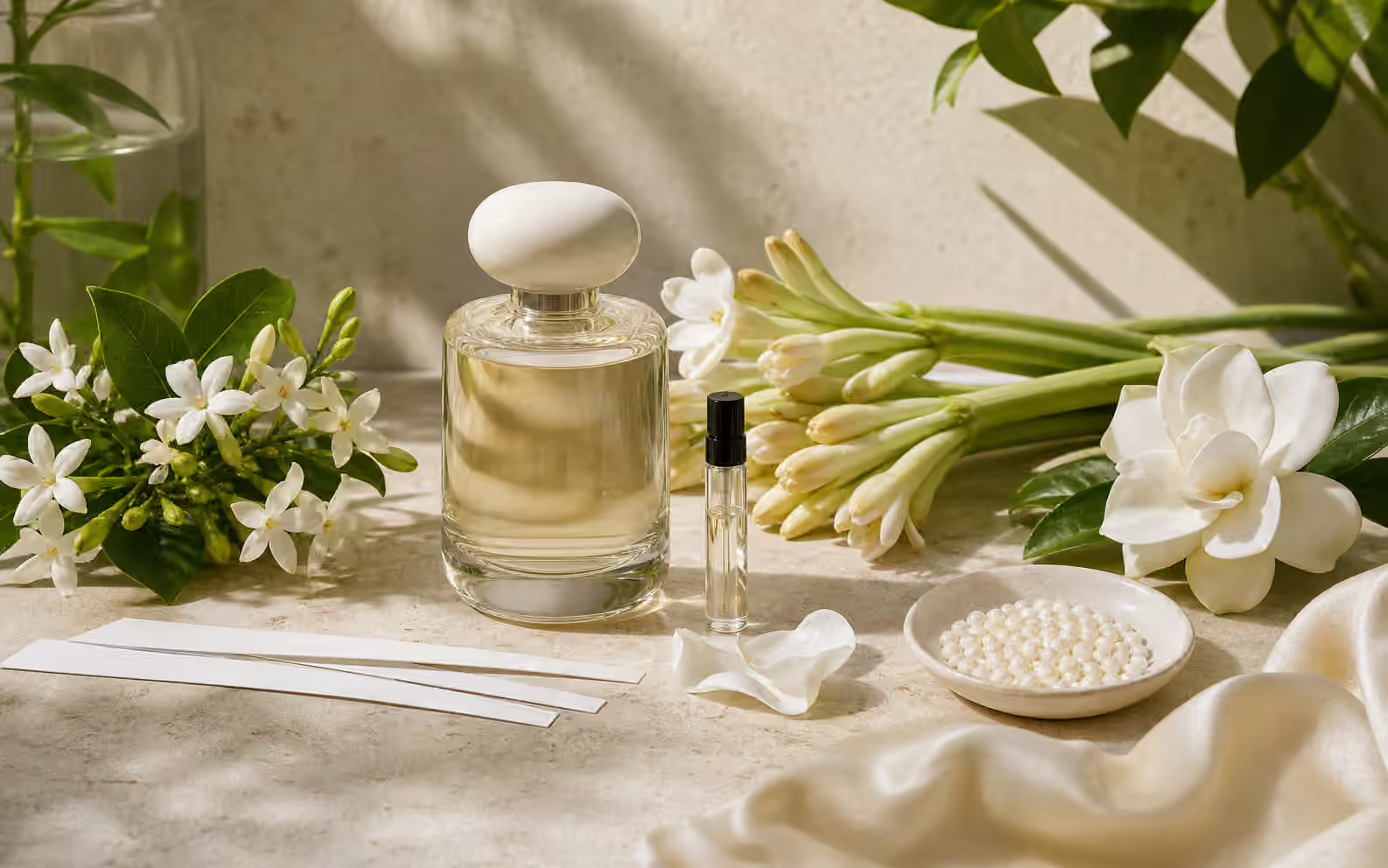
Jasmine is not one smell in perfume. It can be fresh and tea-like, honeyed and golden, green and leafy, musky and skin-warm, or indolic enough to suggest living flowers rather than clean petals. That indolic quality is important. In small amounts, it gives jasmine breath, warmth, and realism. In larger amounts, it can read as animalic, overripe, or challenging. This is not a flaw by itself. It is one of the reasons jasmine feels alive.
Jasmine connects naturally to Tea Scents because jasmine tea uses the flower in a transparent frame. If full floral perfumes feel too lush, jasmine tea styles may be easier. Citrus, green tea, white musk, and pale woods can make jasmine feel airy. Amber, honey, sandalwood, vanilla, or musk can make it feel warmer and more enveloping.
It also connects to Animalic Notes in Perfume because some of jasmine’s beauty comes from the edge between flower and skin. A perfectly scrubbed jasmine can be pretty but thin. A jasmine with a tiny shadow may feel more natural, like petals releasing scent in heat.
Tuberose is cream, green stems, and volume
Tuberose is often called creamy, but cream is only part of the story. It can smell like white petals, green stems, cold wax, coconut milk, bubblegum, mentholated freshness, butter, skin, or tropical night air. Some tuberose perfumes are glamorous and loud. Others are surprisingly green, almost crisp, because the stem and leaf facets keep the flower from turning into a white cloud.
This is where Green and Herbal Scents becomes useful. A green tuberose can feel more like a plant than a bouquet. Galbanum, violet leaf, minty facets, cut stems, or bitter greens can make the floral heart sharper and more elegant. Without that structure, tuberose can become creamy in a way that feels heavy on warm skin.
Tuberose also overlaps with Coconut and Lactonic Scents . Some tuberose perfumes use creamy, milky, or coconut-like effects to underline the flower’s lushness. That can be beautiful, but it changes the wardrobe role. A green tuberose may feel tailored. A coconut tuberose may feel sunlit and relaxed. A buttery tuberose may feel dramatic and more demanding.
Gardenia is often an accord
Gardenia is a useful companion topic because many gardenia perfumes are built as accords rather than literal gardenia extraction. They may use jasmine, tuberose, orange blossom, green notes, mushroomy facets, coconut, musk, and creamy woods to suggest the flower. The result can be dewy, waxy, creamy, green, or vintage-leaning depending on the balance.
This matters because note names can make white florals seem more literal than they are. Fragrance Notes Explained is helpful here. A perfume that says gardenia may not contain a simple gardenia ingredient. A perfume that says jasmine may be using a floral accord. The question for a wearer is not whether the note list proves the flower. The question is whether the finished scent creates a believable and wearable impression.
Gardenia-style perfumes often need space. They can be lovely on fabric but persistent. They can also become creamy in a way that magnifies in heat. Sample them in the weather where you would actually wear them, not only in cool store air.
Orange blossom and neroli offer a cleaner bridge
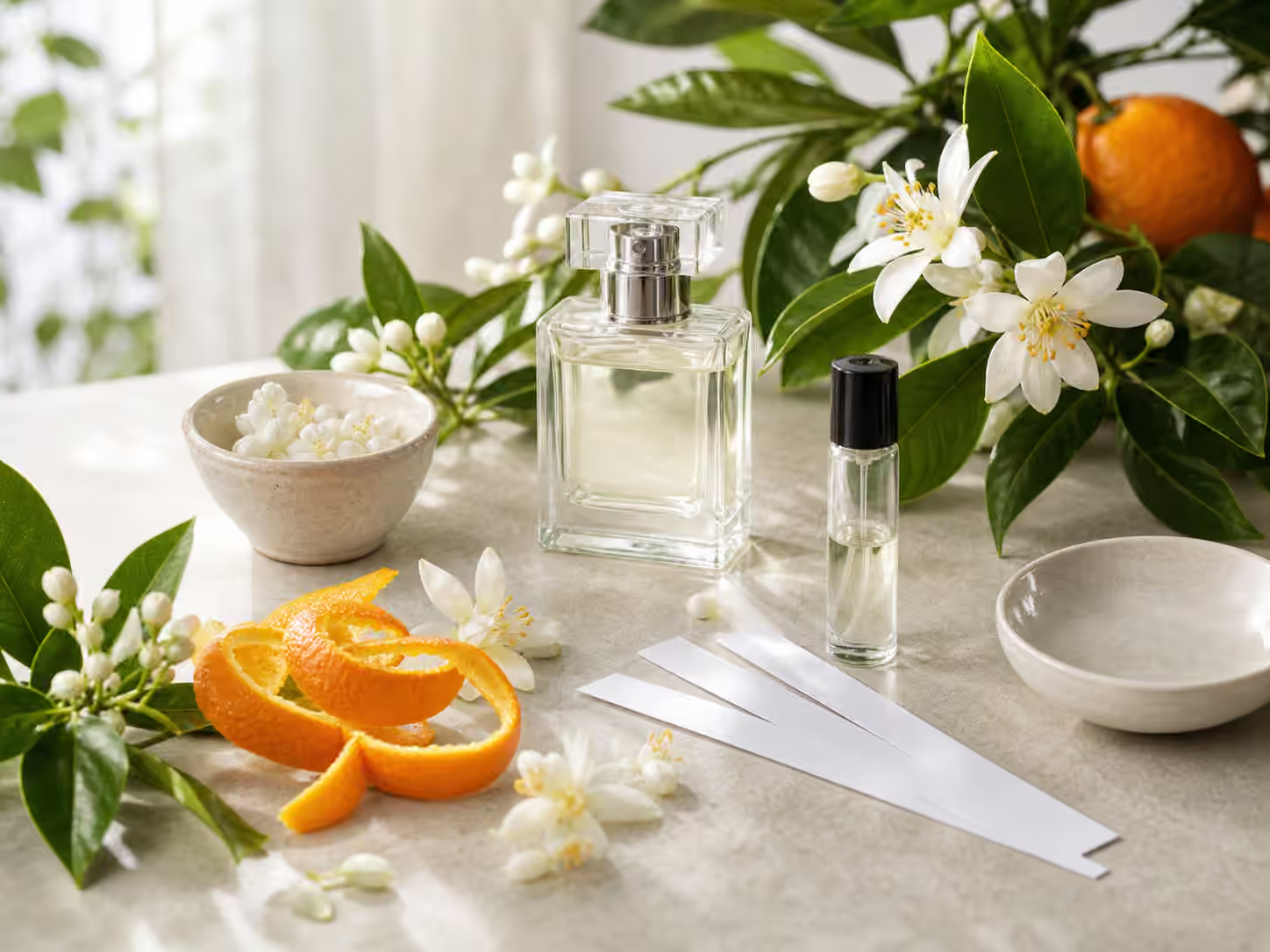
If jasmine and tuberose feel too lush, Neroli and Orange Blossom Scents can be a good bridge. Orange blossom can share white floral warmth, but neroli and petitgrain-like effects bring bitterness, citrus peel, and cologne clarity. This makes the floral structure easier for many people to wear.
The relationship matters because white florals often appear together. Jasmine may brighten orange blossom. Tuberose may deepen it. Neroli may clean up the edges. Musk may soften everything. A perfume can smell white floral without letting one flower dominate, and that blended style is often more wearable than a soliflore that pushes one note forward.
When reading reviews, notice whether people describe a white floral as soapy, creamy, green, indolic, tropical, vintage, sunscreen-like, or clean. Those words tell you more than the flower name alone. One person’s jasmine may be another person’s clean orange blossom musk. One person’s tuberose may be another person’s creamy gardenia.
Projection is part of the beauty
White florals often project because their materials are designed to bloom. That is part of their appeal. A jasmine or tuberose scent can create an aura in a way that quiet tea, soft musk, or dry woods may not. But aura is also responsibility. Projection and Sillage belongs beside this topic because white florals can feel less loud to the wearer after the nose adapts, while people nearby still smell them clearly.
Close-Space Fragrance matters too. A white floral can be kind in shared spaces when the formula is sheer and the application is restrained. It can also overwhelm a small room if the wearer treats it like a soft skin scent. Spray low, test on normal days, and learn how the drydown behaves on clothing before making it a daily choice for tight quarters.
Jasmine and tuberose reward patience because their first impression can be misleading. A sharp green opening may soften into cream. A beautiful floral blast may become too sweet. A quiet musk may reveal a floral heart after body heat wakes it up. The method in How to Sample Fragrances is the right one here: one scent, enough time, real skin, and a willingness to meet the flower after it has stopped performing its entrance.
These flowers are not only pretty notes. They are structures of warmth, air, petal, stem, skin, and volume. Learning them makes the whole floral shelf easier to read, because they show what happens when perfume stops being a picture of flowers and becomes the atmosphere around them.