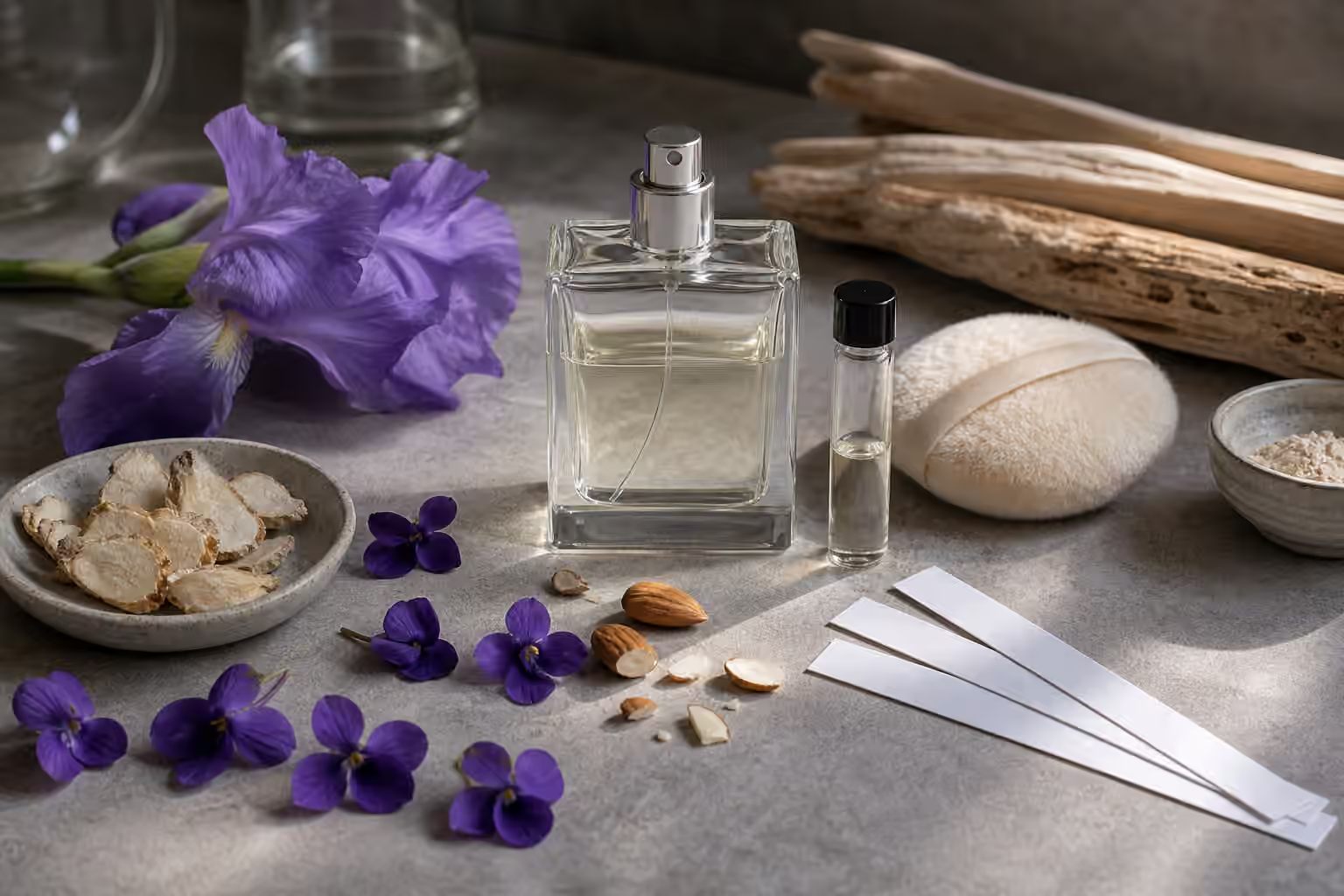
Iris and violet sit close together in many fragrance conversations because both can make perfume feel powdery, cool, tender, cosmetic, or quietly elegant. They are not the same note, and they do not create the same mood, but they often share a soft-focus texture. Iris can feel rooty, buttery, papery, carroty, woody, suede-like, or like expensive face powder. Violet can feel like small purple petals, green leaves, candied pastilles, lipstick, damp earth, or a clean floral shadow. Together they explain why powder in perfume is not only sweetness or nostalgia. It can be structure.
The existing Powdery Scents guide covers powder as a broader texture, but iris and violet deserve their own room because they are two of the materials that make powder interesting. They can turn a fragrance cool instead of warm, dry instead of sugary, intimate instead of loud. They can soften leather, polish rose, make musk feel more dressed, and give woods a pale, almost architectural calm.
Iris is often more root than flower
When people first hear “iris perfume,” they may expect a literal flower. Many iris effects are not built around a fresh iris bloom. They often point toward orris, the fragrant material associated with iris rhizomes after careful processing. In perfume language, iris can suggest root, starch, cool powder, pale wood, carrot seed, suede, paper, makeup, or a creamy dry softness. It is floral, but not in the same obvious way as rose or jasmine.
This rooty quality is what makes iris so useful. It can give a perfume elegance without relying on sweetness. It can make musk feel refined. It can make leather feel smoother. It can give a woody fragrance a cool surface, like light falling on pale stone. In warm perfumes, iris can act as restraint. In clean perfumes, it can add texture so the scent does not become plain laundry.
Iris is also a note where volume matters. A trace can make a fragrance feel polished. A larger dose can make it smell like face powder, lipstick, or a suede glove. Some iris scents are deliberately austere. Others are plush and buttery. If one iris feels too cold, try another with musk, vanilla, sandalwood, or amber. If one feels too cosmetic, try a woody or green iris with more air.
Violet moves between petals and leaves
Violet has two personalities that beginners often confuse. Violet flower effects can smell soft, sweet, powdery, purple, candy-like, or cosmetic. Violet leaf effects can smell green, watery, metallic, cucumber-like, earthy, or slightly sharp. A perfume may use one side, the other, or both. That is why one violet fragrance can feel like vintage candy and another can feel like a damp green leaf crushed between fingers.
The leafy side connects violet to Green and Herbal Scents . Violet leaf can sharpen florals, cool down fruit, and add a watery green snap to musks. It can also be challenging if you expect softness, because it may read as cucumber skin, cut stems, or mineral air. That edge is part of its value. It keeps violet from becoming only powder and sweetness.
The petal side connects violet to cosmetics and nostalgic sweets. It can be charming in small doses, especially with iris, rose, heliotrope, almond, musk, or vanilla. The risk is that violet can become too candied. Woods, tea, patchouli, clean musk, or green leaf can give it balance. A good violet scent often needs one dry element to keep the purple softness from turning sticky.
Lipstick accords are about texture and memory
Lipstick-style perfumes often combine iris, violet, rose, waxy notes, aldehydes, musk, heliotrope, vanilla, or soft woods. The effect is not simply “makeup.” It is the smell of powder, wax, petal, skin, and a compact snapped shut. Some people find it glamorous. Some find it old-fashioned. Some find it comforting because it carries memory without naming a specific person.
This style belongs near Aldehydic Scents because aldehydes can give powder and florals a polished brightness. It also belongs near rose because rose often gives lipstick accords a living floral center. Iris supplies the cool powder. Violet supplies purple softness. Musk supplies skin. A small amount of vanilla or heliotrope can make the whole thing rounder.
The important point is that lipstick accords are not automatically loud. Some are intimate and close. Others are dramatic, especially when combined with patchouli, amber, or leather. If you like the idea but worry about smelling too formal, look for versions described as musky, sheer, woody, or skin-like rather than dense, retro, or opulent.
Iris and leather make quiet tension
Iris has a natural affinity with leather and suede. The cool powder of iris can soften leather’s dryness, while leather can stop iris from becoming too delicate. Together they can feel like a pale suede bag, a glove, a quiet coat, or a dressing room with good light. This is not the same as a smoky leather fragrance. It is often smoother, more tactile, and closer to skin.
The Leather and Suede Scents guide covers leather as a family, but iris leather is a specific pleasure. It is less about toughness and more about surface. Suede accords, musk, saffron, violet, woods, and soft amber can all appear around it. The result may feel polished without shouting.
This combination is worth sampling on skin because both iris and leather can change with warmth. On one wearer, iris may become creamy and gentle. On another, it may turn dry, dusty, or rooty. Leather can become smooth, smoky, bitter, or sweet depending on the base. A blotter may show the idea, but skin decides whether the texture is comfortable.
Woods keep powder from floating away
Iris and violet often need a base that gives them shape. Cedar can make them dry and pencil-like. Sandalwood can make them creamy. Vetiver can make them rooty and green. Patchouli can make them earthier. Musk can make them soft and wearable. Amber can warm them, though too much amber can blur their coolness.
This is where these notes connect to Woody Scents . A woody iris can feel almost architectural: clean lines, pale surfaces, soft shadows. A violet wood can feel more delicate, like flowers pressed into paper. A patchouli violet can become darker and more earthy. A sandalwood iris can become creamy and serene.
If powdery perfumes usually feel too fragile to you, try one with clear woods. If woody perfumes feel too dry, try one softened by iris or violet. These notes are useful bridges because they add touch. They make a scent feel like fabric, paper, skin, or polished wood rather than a simple list of ingredients.
Sampling powder requires patience
Iris and violet can seem quiet at first, especially beside citrus, fruit, white flowers, or amber. They reward a slower session. Smell the opening, then give the sample time. Notice whether the powder becomes warmer, drier, sweeter, creamier, or more green. Notice whether it sits on top of the skin like makeup or melts into musk and woods. Notice whether it feels calming or too formal after several hours.
Application matters because powdery materials can linger on fabric. A soft iris that seems close on skin may remain on a scarf for days. A violet musk may feel invisible to you after an hour while still reading clearly to someone nearby. The guide to Projection and Sillage is useful here because powder often behaves differently from bright top notes. It may not leap across a room, but it can cling.
Iris and violet are not only vintage gestures. They are tools for making perfume feel composed. They can cool sweetness, soften woods, dress musk, refine leather, and give florals a quieter intelligence. If fresh scents feel too bare and gourmands feel too edible, this powdery territory may offer another kind of comfort: dry, tactile, and close enough to feel personal.