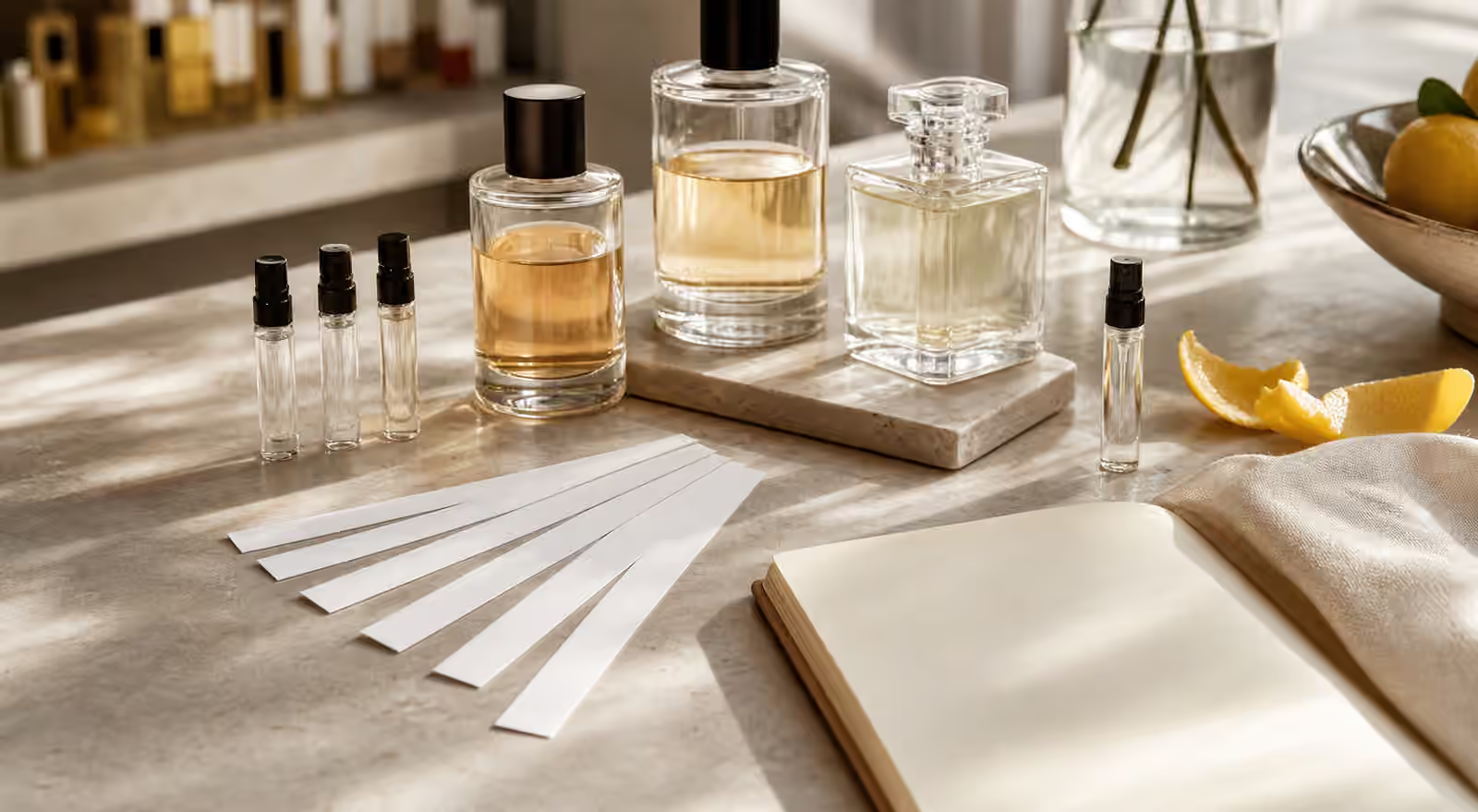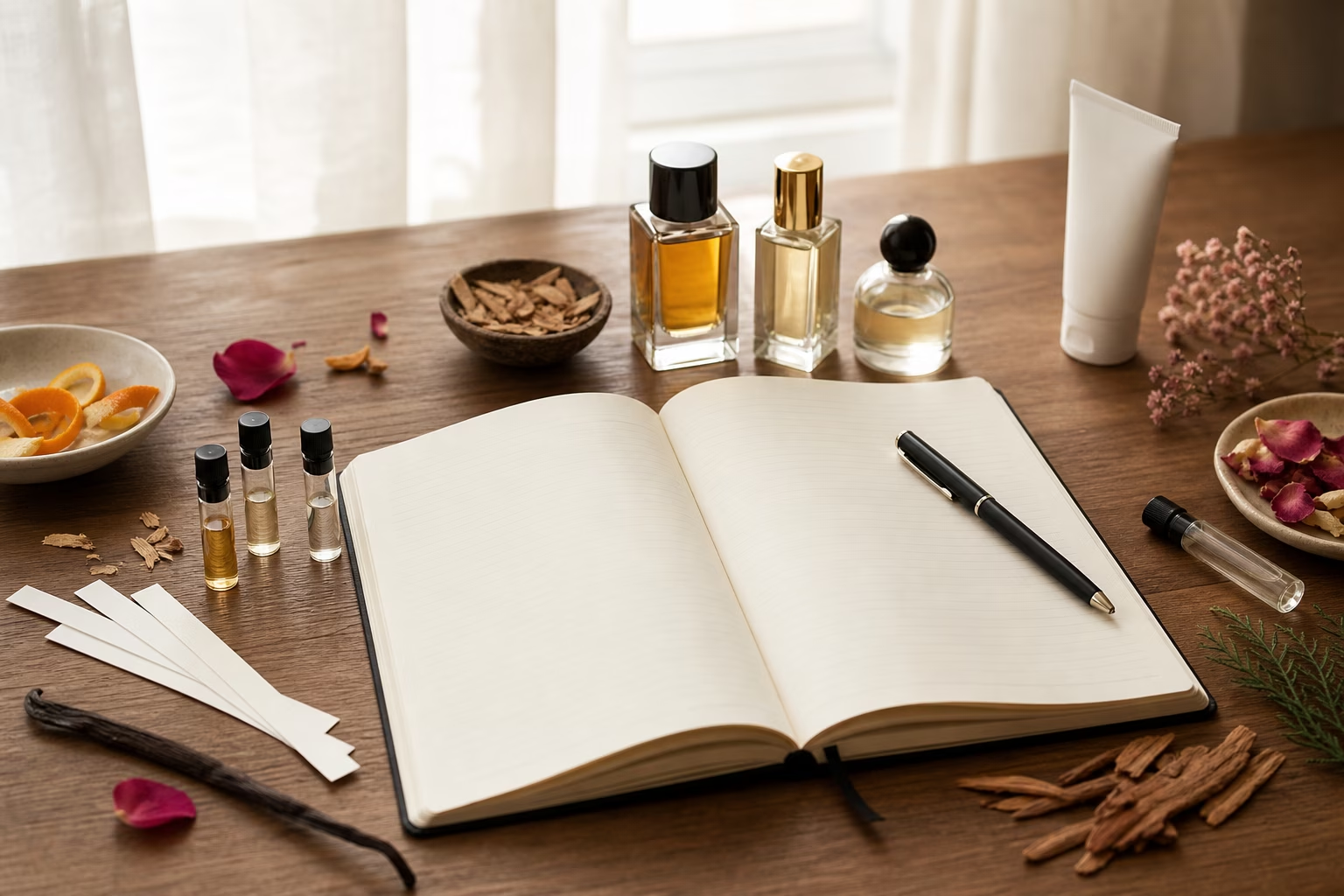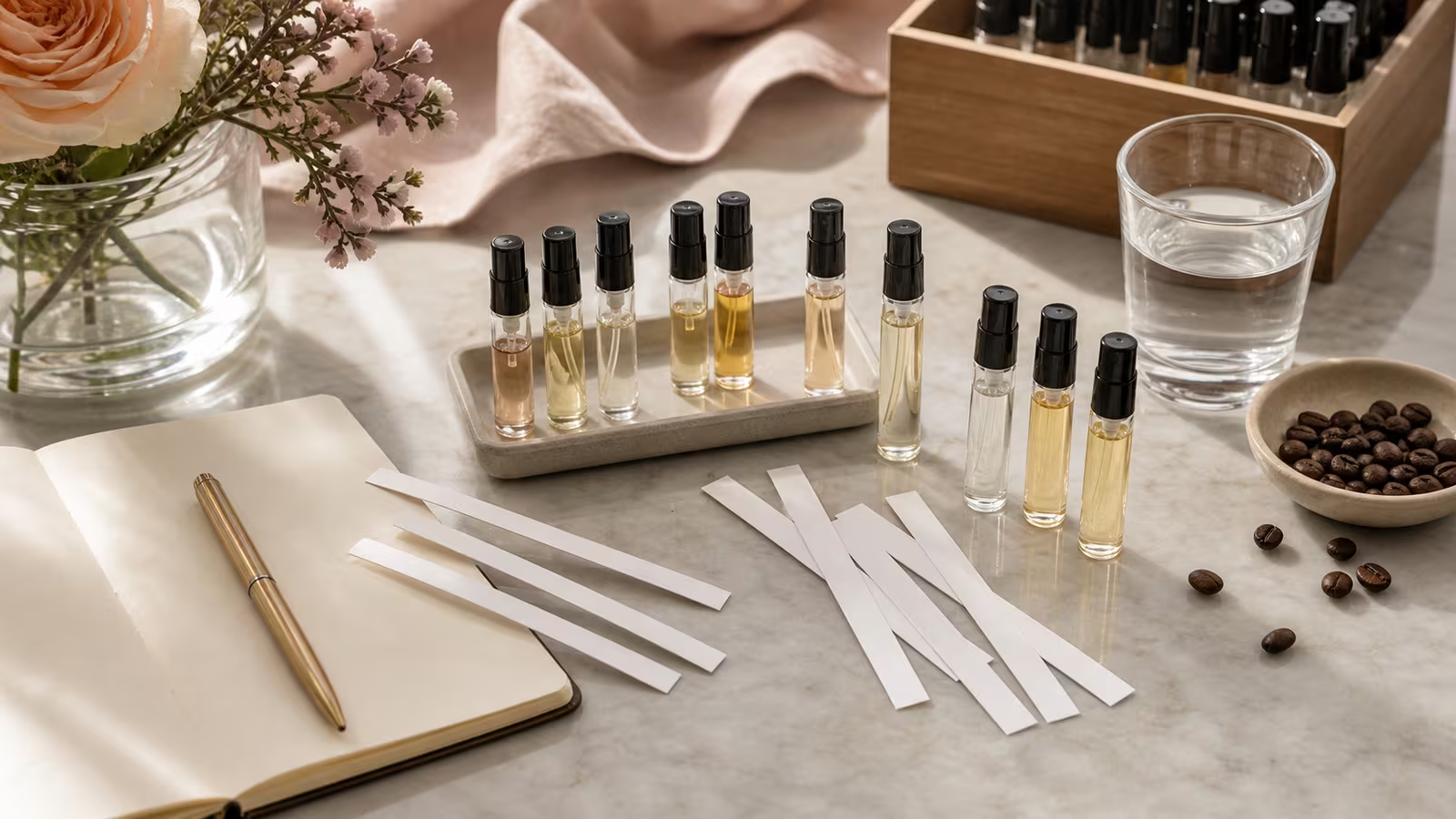
Sampling is the difference between perfume as fantasy and perfume as something you can actually wear. A bottle may look beautiful, a review may sound persuasive, and a note list may seem perfect for you, but fragrance only becomes real when it spends time on your skin, in your clothes, in your weather, and inside your routine. The good news is that sampling can be calm and enjoyable. You do not need to smell twenty things in one visit or perform like an expert. You need a small plan, a little patience, and the willingness to let a fragrance change before deciding.
The first rule is simple: sample fewer things than you think you can. Your nose and brain get tired quickly. After several sprays, everything begins to blur. Sweetness becomes louder, fresh notes become sharper, musks become invisible, and you start choosing based on relief rather than pleasure. A beginner’s best session may include three to five fragrances on paper and only one or two on skin. That can feel slow, but it gives each scent a fair chance.
Paper is a preview
Blotter strips are useful because they let you compare openings without committing your skin. Spray the strip once, give the alcohol a moment to lift, then smell from a small distance before bringing it closer. If you jam the strip into your nose, the scent can feel harsher than it really is. Write the name on the strip immediately if you are in a shop. Almost everyone believes they will remember which strip is which, and almost everyone becomes wrong by the fourth spray.
Paper shows structure, but it does not show the whole wearing experience. A fragrance can be gorgeous on paper and sour on skin. Another can smell boring on paper and warm beautifully with body heat. Paper cannot tell you how a scent behaves with your lotion, your laundry detergent, your sweat, your climate, or your sense of self. Treat blotters like movie trailers. They help you decide what deserves a full viewing.
When comparing on paper, pay attention to quick reactions without making final judgments. Does the opening feel sharp, sweet, clean, powdery, smoky, green, creamy, or loud? Does it make you curious after ten minutes, or are you already tired of it? A scent that remains interesting on the strip after half an hour may deserve skin. A scent that irritates you immediately probably does not need more of your day.
Skin is the real test
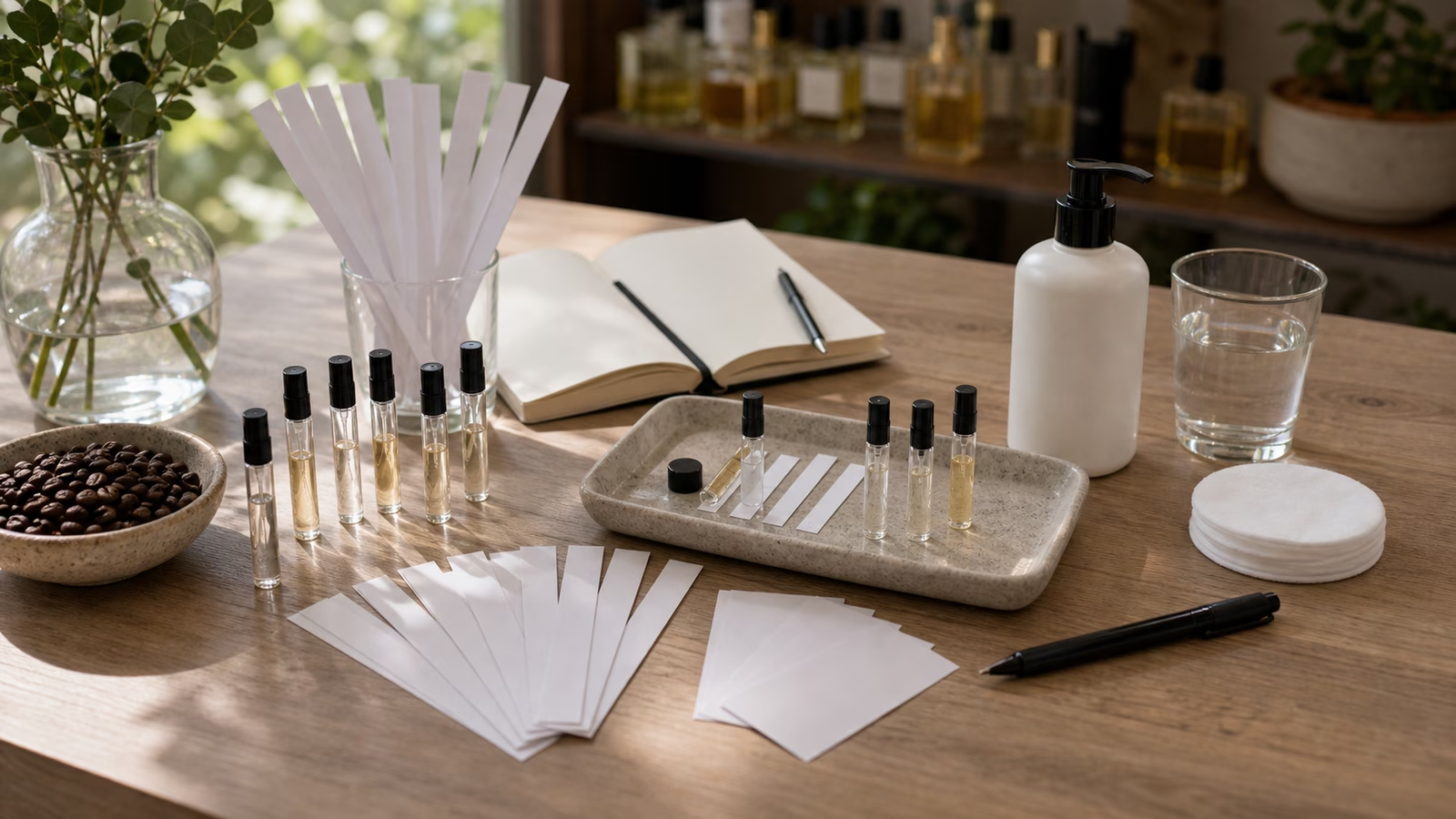
Skin testing should be selective. Put one fragrance on each wrist or inner forearm at most. If you test more, the scents will mingle and you will lose track. Do not rub your wrists together. Let the fragrance settle naturally. Then leave the shop if possible. Outdoor air, a quiet hallway, or your car can tell you more than a crowded counter.
Check the fragrance in stages. The opening is the first few minutes. This is where citrus, alcohol lift, bright fruits, herbs, and sparkling notes often appear. The heart may show up after twenty minutes to an hour, when florals, spices, fruits, tea, creamy notes, and the main personality become clearer. The drydown may appear after several hours, when woods, musks, amber, vanilla, patchouli, moss, or soft base materials remain. A fragrance you dislike in the opening may become beautiful later, and a fragrance you love at first may become too sweet, too powdery, or too sharp.
It helps to avoid constantly sniffing your wrist. If you chase the scent every few minutes, your nose adapts and your judgment becomes anxious. Let the fragrance come to you while you move through normal life. Notice it when you wash your hands, put on a jacket, step outside, answer emails, sit in a car, or hug someone. Perfume is not a museum object. It is an atmosphere that travels with you.
Discovery sets are patient teachers
Discovery sets are one of the best ways to learn fragrance because they give you time. A good set lets you try several scents from a brand or category without buying a full bottle. The point is not to find a winner immediately. The point is to discover patterns. You may learn that you love the brand’s fresh scents but not its ambers, or that your favorite note list is not your favorite scent, or that you need to wear vanilla only in cool weather.
At home, create a simple ritual. Choose one sample in the morning, spray once or twice, and write its name in a notebook. Use ordinary words. “Clean lemon, then white flowers, then soft laundry” is excellent. “Too sugary after lunch” is excellent. “Liked it in the morning, annoyed by dinner” is excellent. You are not writing marketing copy. You are building a map of your own taste.
Try not to test only on days when you are sitting still. Wear a sample while commuting, cooking, walking, working, or meeting a friend. Some fragrances become better with motion. Some feel too strong in close air. Some are perfect at home and wrong outside. One sample worn on a real day teaches more than five samples sniffed from a desk.
Coffee beans are not magic
Perfume shops sometimes offer coffee beans as a nose reset. They can give your brain a strong contrasting smell, but they are not a true reset button. Fresh air, water, and time work better. If your nose feels tired, stop. Step outside. Drink water. Smell your own clean sleeve. Come back another day. There is no prize for forcing your way through a wall of scent fatigue.
This matters because tired noses make extreme choices. When everything is blurred, the loudest fragrance seems most memorable. Later, at home, that same loudness may feel overwhelming. Sampling while fresh lets quieter scents have a chance. Some of the most wearable fragrances are not the ones that dominate a shop. They are the ones that keep making sense after several hours.
Learn projection and longevity gently
When testing, notice two behaviors: how far the scent travels and how long it lasts. Projection is the space a fragrance occupies around you. Sillage is the trail it leaves as you move. Longevity is how long you can detect it. These are useful concepts, but they should not become a scoreboard. A fragrance that lasts twelve hours is not automatically better than one that lasts four. A soft scent can be perfect for work, travel, or close conversation. A loud scent can be wonderful for an evening and terrible in an elevator.
Ask for feedback carefully. Instead of asking “Do you like my perfume?” ask “Can you smell this from where you are?” That tells you whether the application is appropriate. People often answer taste questions politely, but distance questions are easier. If someone across a table can smell one spray strongly after three hours, you know the fragrance has presence even if your nose has adapted.
Decide after the drydown
The drydown is where many expensive mistakes are prevented. A bottle might seduce you in the opening and disappoint you later. Another might seem plain at first and become exactly the soft, woody, musky scent you wanted. If you are considering a full bottle, wear the sample at least twice. Try it in different weather if possible. Try it with normal clothes, not only in a shopping mood. See whether you reach for it when nobody is prompting you.
Do not feel pressured by limited editions, discounts, or glowing reviews. Perfume is intimate. A fragrance can be brilliant and still not fit your life. The best sample result is not always “I need the bottle.” Sometimes it is “I respect this, but not for me.” Sometimes it is “I only need a travel size.” Sometimes it is “I love this opening, but the base turns too sweet.” Those are successful lessons.
Sampling well makes fragrance cheaper, calmer, and more personal. It turns impulse into curiosity. It gives your nose time to become specific. Most of all, it protects the pleasure of perfume. Instead of collecting bottles you barely wear, you build a small set of scents that survived real days with you. That is where fragrance starts to feel less overwhelming and more like a companion.