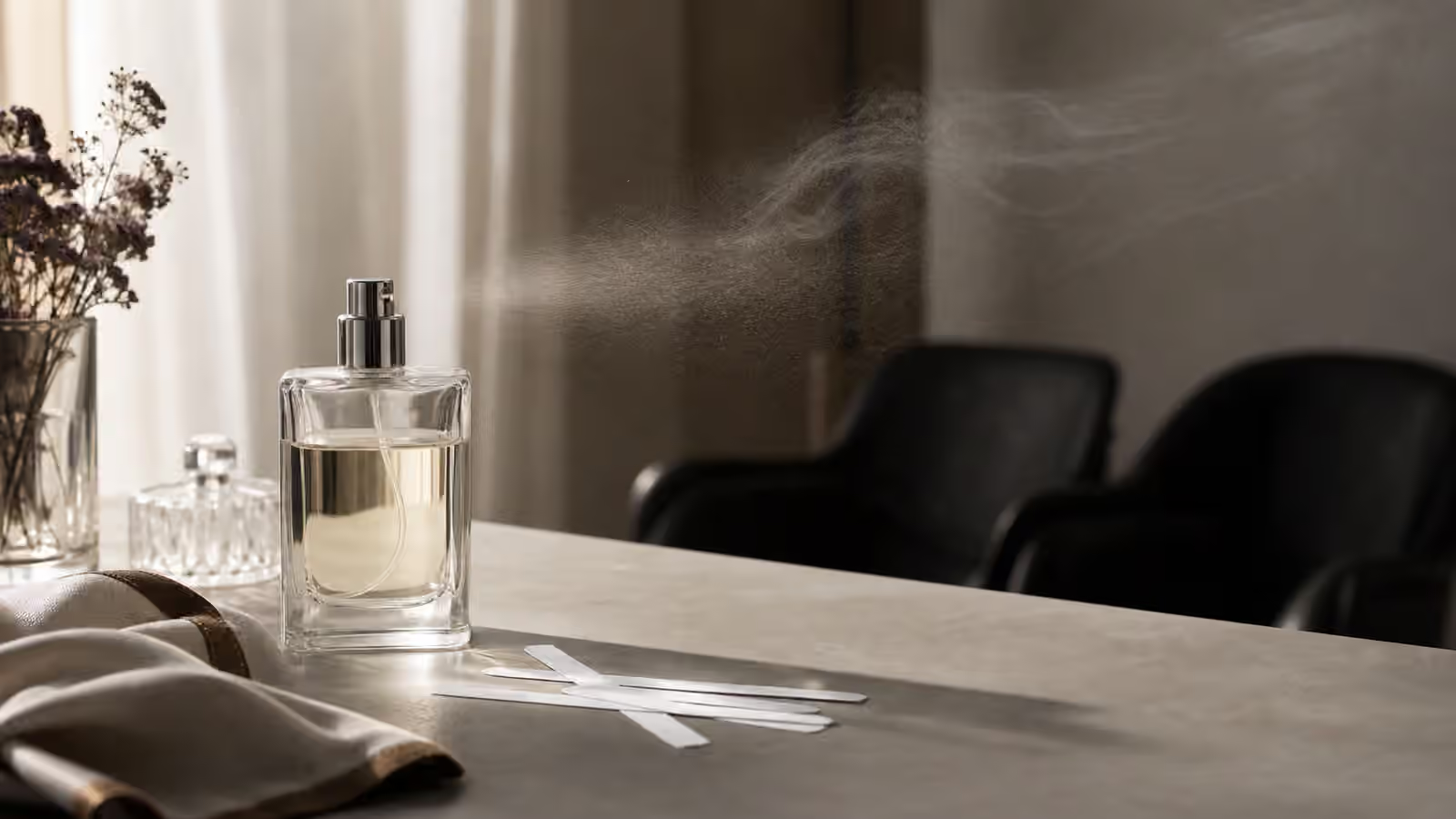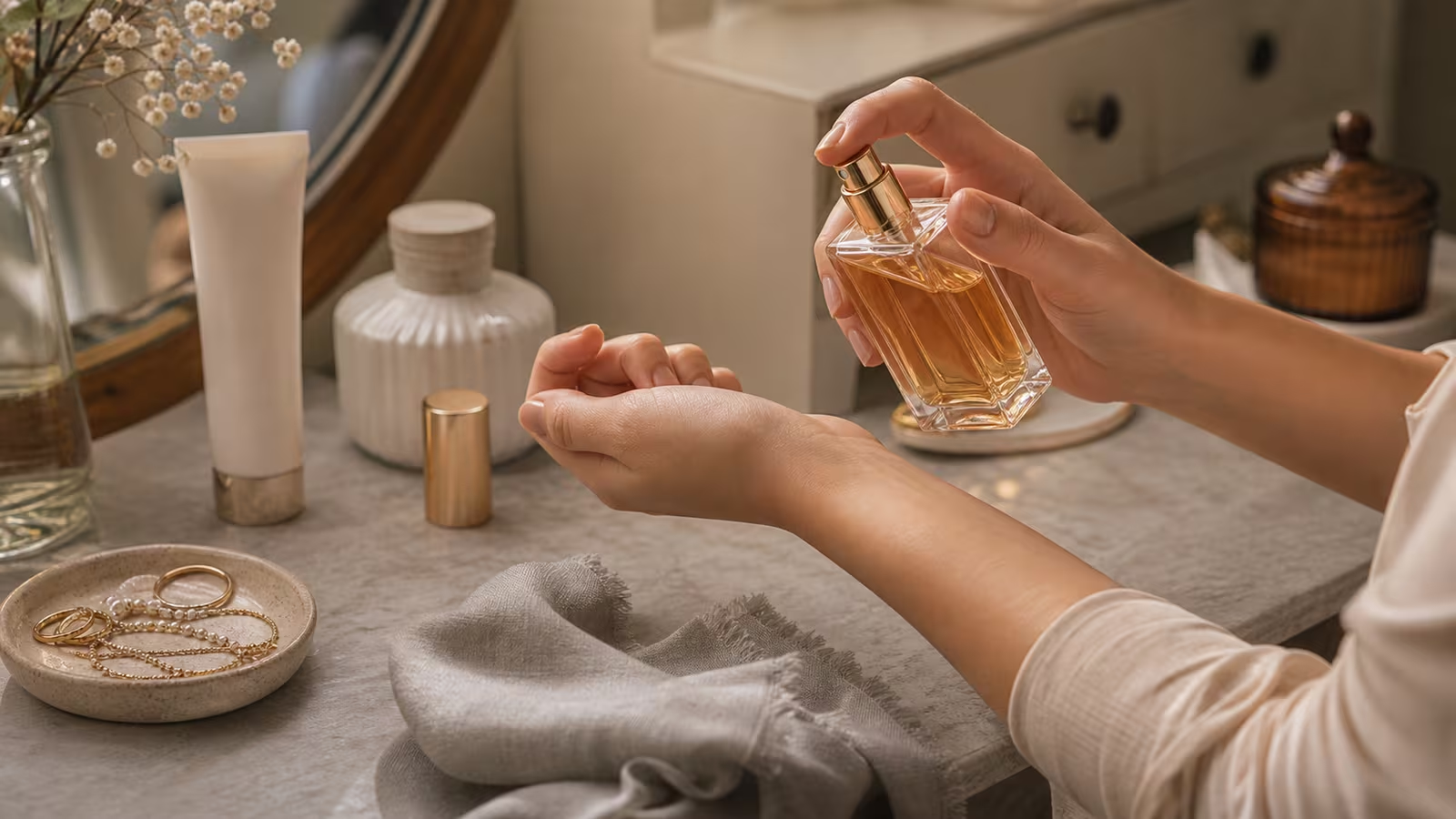
Perfume longevity is one of the first things beginners worry about, and for good reason. It is disappointing to love a scent in the morning and feel like it vanished before lunch. But longevity is also one of the easiest topics to misunderstand. A fragrance that lasts longer is not automatically better. A fragrance that disappears from your own nose may still be noticeable to other people. A citrus scent that fades after a few hours may be doing exactly what it was built to do. The useful goal is not to force every perfume to last all day. The useful goal is to understand how to help a scent perform at its best without turning it into too much.
Start with the fragrance itself. Some materials are naturally fleeting. Bright citrus, delicate herbs, watery notes, and airy florals often lift quickly from the skin. They can feel sparkling and alive because they move fast. Other materials are more persistent: woods, musks, amber materials, resins, vanilla, tonka, patchouli, moss, smoke, and some modern aroma molecules can stay for many hours. If you expect a lemony cologne to behave like a dense amber extrait, you will be frustrated. If you expect it to refresh you for a few beautiful hours, you may love it.
Moisturized skin holds scent better
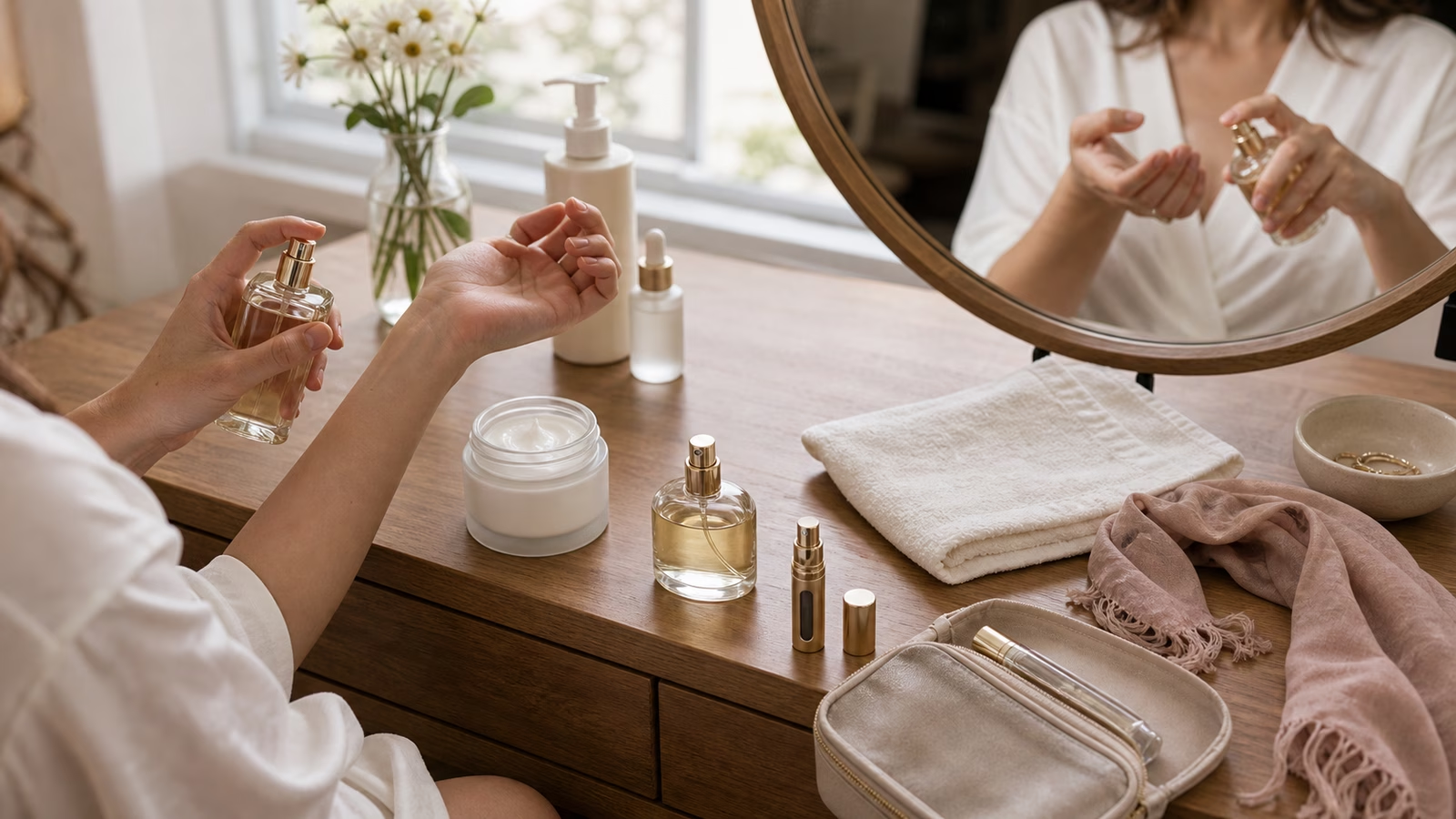
Dry skin can make fragrance fade faster. Perfume needs a surface to sit on, and moisturized skin gives it a more comfortable landing place. The simplest longevity trick is not a complicated hack; it is lotion. Apply an unscented moisturizer after showering, let it settle, then spray perfume. The fragrance will usually feel smoother and may last longer because the aromatic materials are not disappearing from a dry surface as quickly.
Unscented lotion is the safest choice because it does not change the perfume. If you use scented lotion, make sure the scent supports what you are wearing. A vanilla lotion under a warm gourmand may help. A strong fruity lotion under a delicate iris perfume may distort it. A cocoa butter base can make some perfumes feel creamier, but it can also pull them toward dessert. When in doubt, test at home before treating the combination as your public routine.
Do not apply perfume to broken, irritated, or freshly shaved skin if it stings. Longevity is not worth discomfort. Fragrance is meant to be pleasant on the body, not endured.
Place matters
Application points change how fragrance behaves. Warm areas such as wrists, inner elbows, neck, and chest can help a scent bloom because heat encourages evaporation. That can make the fragrance more noticeable, but it can also make the top notes leave faster. Cooler or less exposed areas may keep a scent closer and slower. The back of the neck is a lovely place for a soft trail because it moves gently as you turn. The chest can hold scent under clothing, creating warmth without spraying directly near the face. Hair and fabric can hold fragrance well, but they need care.
Rubbing wrists together is a common habit, but it is not necessary. It can smear the fragrance and dull the opening. Spray and let it dry. If you use oil, roll or dab lightly instead of grinding it into the skin. A gentle touch respects the structure of the scent.
Clothing often extends longevity because fabric holds base notes longer than skin. A scarf, sweater, or coat can keep traces for days. This is useful when you want a scent to linger, but it also means you should be careful with oils, dark perfumes, delicate silks, and anything that might stain. Spray from a distance, test hidden fabric if needed, and remember that yesterday’s amber on a scarf can interfere with today’s fresh floral.
More sprays are not always the answer
Overspraying can make a perfume last longer in the worst possible way. Instead of a soft drydown, you get a large cloud that exhausts you and everyone nearby. Many people overspray because their own nose adapts. This is called olfactory fatigue or nose blindness. After wearing a scent for a while, your brain may stop treating it as new information. You think the perfume is gone, but someone else may still smell it clearly.
The better test is distance. Ask a trusted person, “Can you smell this from where you are?” rather than “Do you like it?” The first question tells you about presence. The second asks for taste and politeness. If someone across a table can smell you after several hours, the fragrance is not gone even if you cannot detect it easily.
Start with a modest application. For many eau de parfums, one or two sprays are enough in close settings. Fresh EDTs or mists may need more, but context matters. A scent for an outdoor walk can be applied differently from a scent for a small office, airplane, classroom, or dinner table. Longevity should serve the situation, not dominate it.
Storage protects performance
Perfume lasts longer in the bottle when it is stored away from heat, light, and constant temperature swings. A bathroom counter looks convenient but is often a poor storage place because showers create heat and humidity. A sunny windowsill is even worse. Light and heat can damage fragrance materials over time, changing the smell and reducing freshness.
A closed drawer, cabinet, closet shelf, or original box is usually better. You do not need a museum vault. You simply want cool, dark, stable storage. Keep caps on. Avoid leaving travel sprays in hot cars. If a perfume smells sour, flat, metallic, or strangely different from how it used to smell, storage may be part of the story.
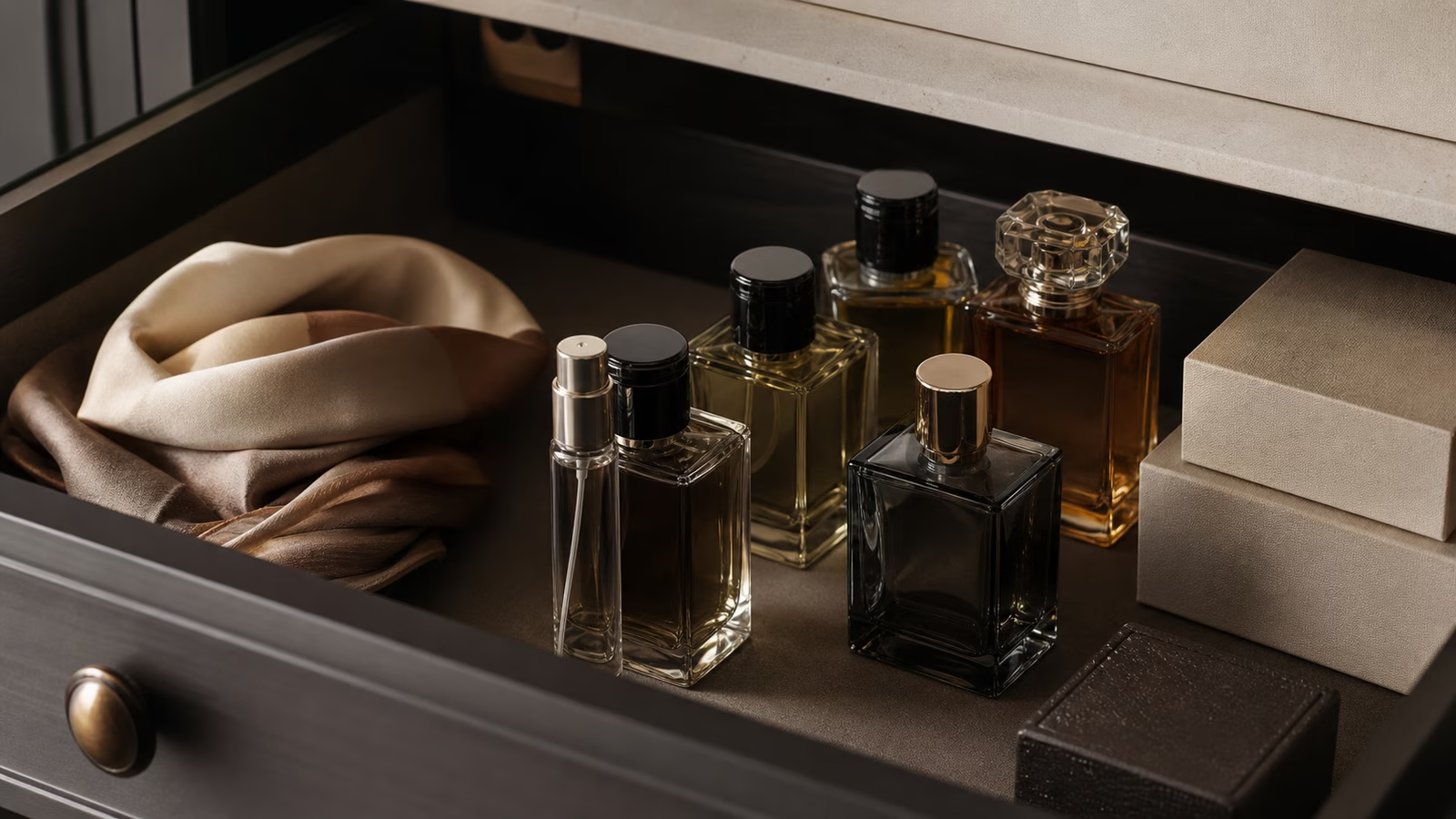
Good storage is especially important if you are building a wardrobe slowly. A full bottle can last a long time if you rotate scents. Protecting it means the fragrance you loved in year one is more likely to remain recognizable in year three.
Match scent to weather
Weather changes performance. Heat can make perfume bloom faster and project more. A sweet amber that feels cozy in winter may become heavy in July. Cold air can make some fragrances feel quieter, especially fresh or delicate ones. Humidity can amplify sweetness and musk. Dry air can make some scents feel thin. None of this means a fragrance is good or bad. It means perfume is alive in context.
If a scent fades quickly in winter, try spraying on moisturized skin and a scarf. If a scent becomes overwhelming in summer, reduce sprays or reserve it for cooler evenings. If a fresh fragrance disappears in heat, consider carrying a travel spray and treating reapplication as part of its nature. If a perfume oil sits too quietly in cold weather, apply it to warmer points or layer lightly with a matching mist.
Use layering carefully
Layering can improve perceived longevity by creating a base for the perfume. Unscented lotion is the cleanest method. Matching lotion, body mist, or oil can help if the products are compatible. A vanilla oil under a woody vanilla perfume may extend warmth. A musk lotion under a clean floral may help softness last. A citrus mist under a citrus fragrance may refresh the opening but may not make the whole scent last longer because citrus itself is fleeting.
The risk is muddiness. Too many scented products can make a perfume lose shape. If longevity is your only goal, do not automatically pile on everything. Try one support layer at a time and wear the combination for a full day. A good layer makes the fragrance feel more stable. A bad layer makes it smell louder, sweeter, flatter, or less like itself.
Reapply with intention
Reapplication is not failure. Some scent styles are made to be refreshed. Body mists, colognes, light EDTs, and citrus fragrances can be a pleasure precisely because they return in a bright second wave. A travel spray or rollerball can be more elegant than overspraying in the morning and hoping the cloud survives until night.
Reapply only after checking whether the scent is truly gone to others. Refresh in private or open air when possible. Avoid spraying near people who did not choose to join your fragrance moment. A small spray to the chest, back of the neck, or clothing edge can revive the scent without starting over at full volume.
The final lesson is gentleness. Help perfume last by giving it good skin, smart placement, stable storage, and realistic expectations. Do not punish a light scent for being light or a quiet scent for being intimate. Fragrance is not only about duration. It is about beauty over time, and sometimes the most memorable part of a perfume is not how long it stayed, but how gracefully it faded.