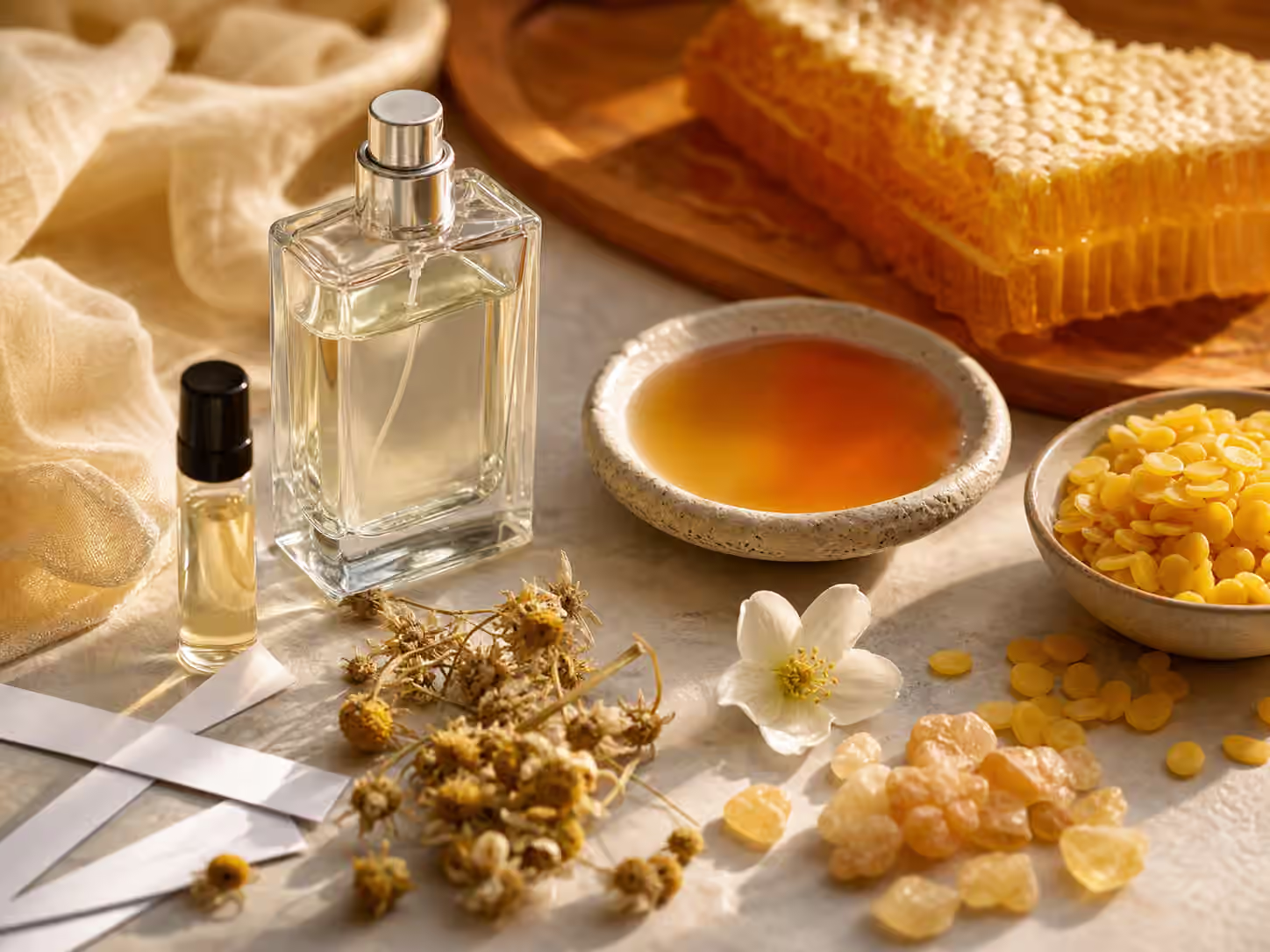
Honey and beeswax notes can make perfume feel golden, textured, and alive. They can suggest nectar, pollen, warm wax, dried flowers, tobacco leaf, hay, amber, tea, skin, or a soft animalic glow. They can also become too sweet, too sticky, or too loud if the surrounding structure does not give them air. That tension is what makes the family interesting. Honey is not only sweetness. Beeswax is not only wax. Together they can add body, light, and shadow to many fragrance styles.
This category sits beside Gourmand Scents , but it is not always edible. A honey perfume may smell like a dessert if it is paired with vanilla, almond, milk, or pastry notes. It may smell floral if it is paired with orange blossom, jasmine, rose, chamomile, or mimosa. It may smell warm and dry if it is paired with tobacco, hay, incense, woods, or amber. The note name matters less than the direction.
Honey gives sweetness with a shadow
Honey sweetness is different from sugar. Sugar can feel clean, crystalline, syrupy, or candy-like. Honey often brings more color. It may smell floral, waxy, herbal, animalic, fermented, hay-like, or slightly bitter depending on the composition. A little honey can make a floral feel warmer and more natural. Too much can make a perfume feel heavy, sticky, or almost humid.
That shadow is important. Realistic honey effects often have a faintly bodily warmth. They can overlap with the textures described in Animalic Notes in Perfume , not because they are harsh, but because they add life beneath prettiness. A jasmine with honey may feel more radiant. A rose with honey may feel darker and riper. A tobacco scent with honey may feel like dried leaf and golden syrup rather than smoke alone.
Honey also changes with distance. Up close, you may notice wax, pollen, or a thick sweetness. In the air, the same fragrance may read as warm floral glow. This is why honey perfumes need skin testing. A blotter may exaggerate the sticky part, while skin may reveal whether the note becomes soft or too persistent.
Beeswax is texture more than sweetness
Beeswax can be beautiful because it gives perfume a dry, polished, tactile warmth. It may suggest candles, honeycomb, old wooden drawers, paper, dried flowers, balms, church interiors, or a clean cosmetic waxiness. It is often less sugary than honey. In a composition, beeswax can make florals feel more substantial, incense feel softer, and amber feel less syrupy.
The wax effect is useful when a fragrance needs body without obvious cream or vanilla. A beeswax floral can feel like petals pressed into warm wax. A beeswax incense can feel quiet and contemplative rather than smoky. A beeswax musk can feel like skin under a light balm. These are subtle impressions, but they make a scent feel made from materials rather than from abstract sweetness.
Beeswax also pairs well with powder. Iris, violet, heliotrope, and cosmetic musks can make wax feel elegant. The guide to Powdery Scents explains why powder is a texture, and beeswax often acts the same way. It changes the surface of the fragrance. It can make a perfume feel matte, warm, and close.
Florals become warmer and more tactile
Honey is a natural partner for florals because many flowers already suggest nectar. Orange blossom can become radiant and golden. Jasmine can become humid and sensual. Rose can become jammy, dark, or tea-like. Mimosa and chamomile can become soft, pollen-like, and sunny. White florals can become louder, so dose matters.
If you enjoy White Floral Scents , honeyed versions can be rewarding, but they need patience. A white floral with honey may bloom beautifully outdoors and feel too dense indoors. Heat can expand both the flower and the sweetness. A scent that feels lush in cool evening air may feel overwhelming in a small warm room.
Honey can also rescue florals that feel too clean. A little nectar makes petals less like soap and more like living flowers. This is especially true with orange blossom, rose, and jasmine. But too much honey can flatten the floral into syrup. The best honeyed florals keep some green stem, citrus peel, tea, spice, or musk in the frame so the sweetness has movement.
Tobacco, tea, and amber make honey drier
Honey becomes more wearable for many people when it meets dry materials. Tobacco leaf can make honey feel textured and adult. Black tea can add tannin. Hay can make it warm and grassy. Frankincense can give air. Cedar can add structure. Patchouli can bring earth and cocoa-like darkness. Amber can deepen the glow, though it can also push the perfume toward heaviness.
This is where honey connects with Tobacco, Incense, and Smoke Scents and Amber, Resin, and Spice Scents . Warm materials can support honey, but they can also make it larger. A honey tobacco may be elegant with one spray and oppressive with four. A honey amber may feel comforting in cool weather and too dense in heat.
Tea is one of the most useful partners because it dries the sweetness without making the scent harsh. A honey tea fragrance can feel like warm leaves, pale flowers, and skin. It may be quieter than honey tobacco and less sugary than honey vanilla. If gourmand notes usually feel too sweet, honey with tea, woods, or incense may be the better route.
Sampling honey and beeswax scents
Honey fragrances should be sampled slowly. The opening may be charming, but the base decides whether the sweetness becomes comfortable or tiring. Try one on skin and wear it for several hours. Notice whether the honey becomes softer, stickier, more floral, more animalic, more tobacco-like, or more waxy. This is a drydown question, so Perfume Drydown is especially relevant.
Do not test several honey perfumes together if you are still learning the category. Sweet warm notes blur quickly, and a tired nose may read everything as syrup. Use plain words in your notes: nectar, wax candle, pollen, honeyed jasmine, tobacco honey, dry tea, sticky amber, too sweet, soft skin. Those descriptions will show whether the problem is honey itself or one particular setting.
Fabric testing should be cautious. Honey, amber, tobacco, and waxy musks can linger on wool, scarves, and coat cuffs. That may be lovely if the scent is yours for the day, but it can make other fragrances harder to wear later. If you want to try fabric, use a hidden spot or a washable layer first.
Wearing golden notes without letting them take over
Honey and beeswax are best when the room suits the dose. A soft beeswax musk may sit close and gentle. A honeyed white floral may project strongly. A honey tobacco or amber may create a long trail. The guide to Projection and Sillage helps because sweetness can feel quieter to the wearer after the nose adapts, while other people still notice it clearly.
In shared air, start small. Close-Space Fragrance applies strongly to honey because the note can feel enveloping. A dab or a single spray under clothing may be enough for daytime. More can be saved for open air, cool weather, or occasions where warmth and presence are welcome.
Honey and beeswax work because they give perfume a material glow. They can make flowers feel alive, tobacco feel plush, amber feel golden, musk feel balmed, and powder feel warm. The trick is contrast. Leaf, tea, wood, smoke, citrus, or clean musk keeps the honey from becoming a blanket. When the balance is right, the scent feels less like sugar and more like light passing through wax.