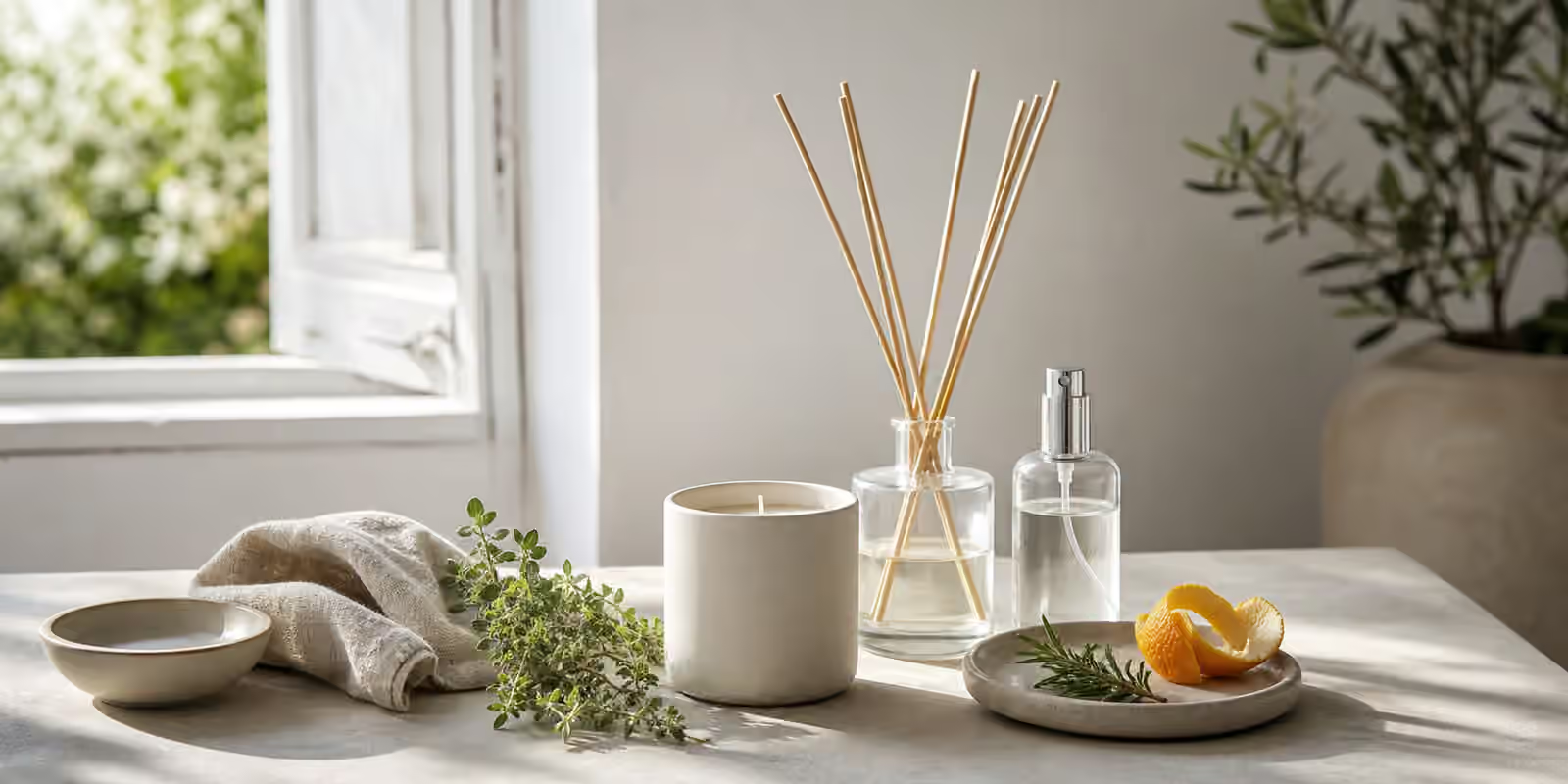
Home fragrance has a different job from personal perfume. A perfume moves with a body. It meets skin, clothing, weather, and the distance between people. A room scent waits in the air. It touches everyone who enters, including people who did not choose it. That does not make home fragrance rude or difficult. It simply means the best room scent is often the one that knows how to stay in proportion.
A good home fragrance can make a space feel cared for. It can soften the edge of cooking smells, give an entryway a quiet signature, make a reading corner feel settled, or mark the change from workday to evening. It can also become too constant, too sweet, too smoky, too synthetic, or too mixed with laundry, cleaning products, and yesterday’s perfume on a scarf. The skill is not filling every room. The skill is choosing where scent helps and where clean air is better.
A Room Has Its Own Drydown
Personal perfume has an opening, heart, and drydown. Rooms have a version of that too, though it is shaped by fabric, airflow, walls, dust, cooking, cleaning, humidity, and time. A room spray may smell bright for a minute and then leave musk on curtains. A candle may begin with a clear citrus note and settle into warm wax, vanilla, woods, or smoke. A reed diffuser may seem soft at first and then become the permanent background of a small hallway.
This is why home fragrance should be tested over time, not judged only from the cap or a first spray. If possible, try a small format before committing to a large candle, diffuser, or oil. Notice what remains after the opening leaves. Does the room smell calmer, or does it smell coated? Does the scent disappear pleasantly, or does the base cling to fabric? The same patience used in Perfume Drydown applies to rooms.
Fabric is often the hidden base note of a home. Curtains, sofas, blankets, coats, rugs, and pillows hold scent. A smoky candle, amber diffuser, or sweet room spray may linger after the product is gone. That can be lovely in a cold room and tiring in a small apartment. If fabric already carries personal perfume, laundry products, or cooking aromas, adding another strong scent may create a blur rather than a mood.
Choose Zones Instead of Scenting Everything
Many homes work better with scent zones. An entryway might have a subtle woody or citrus impression. A bathroom may handle a clean herbal spray. A bedroom may need very little scent, or only a soft linen, tea, or musk effect. A kitchen often does better with air, cleaning, and brief citrus or herbal brightness than with heavy sweetness. A living room can carry more warmth, especially in cool weather, but it still needs room for food, guests, and the people who live there.
Zoning prevents the whole home from becoming one continuous perfume. It also helps avoid conflict between scent families. A vanilla candle in one room, a lavender diffuser in another, a laundry musk on linens, and an amber perfume on a sweater can merge in the hallway into something none of them intended. Scent Families are useful for home fragrance because families that are pleasant alone may not blend well when they meet in open air.
Think of each room by function. A place for eating should not fight the food. A place for sleeping should not keep demanding attention. A work area may need freshness more than coziness. A guest bathroom may benefit from a light scent that fades. The scent should support the room’s job, not turn the room into a showroom.
Candles, Diffusers, and Sprays Behave Differently
Candles are atmospheric because they combine scent, light, heat, and ritual. They can feel warm even when the fragrance itself is fresh. They can also introduce waxy, smoky, or toasted effects depending on the candle and how it is used. Follow the maker’s instructions, keep the flame attended, and notice whether the room still smells pleasant after the candle is out. The lingering base matters more than the first beautiful minute.
Reed diffusers and passive diffusers are steady. That steadiness can be useful in an entry or bathroom, but it can become too much in a small bedroom or poorly ventilated corner. Because they are always present, your nose may adapt while guests notice the scent immediately. Rotate reeds or adjust exposure only with care, and remember that constant fragrance can become background noise to the person who lives with it.
Room sprays are flexible because they are brief. They can freshen a space before guests arrive or reset a room after cooking. Their danger is repetition. A quick spray every time you notice the air can build into a persistent base on fabrics. Spray into open air, give the room time, and check later before adding more. This is the room version of the restraint taught in Close-Space Fragrance .
Clean Air Is Part of the Scent
Home fragrance works best when it is not asked to cover too much. Ventilation, cleaning, taking out trash, washing textiles, and airing rooms do more for a home than layering perfume over stale air. A scent can add character after the basics are handled. It cannot make an unventilated room feel truly fresh for long.
This is not a purity argument. Many people enjoy scented candles, incense, diffusers, linen sprays, and room mists. The point is sequence. If the kitchen smells strongly of cooking, air may be better than a vanilla candle. If a closet smells musty, cleaning and airflow matter before cedar spray. If a room is full of laundry fragrance, adding another clean musk may make it louder instead of cleaner.
Freshness in perfumery can come from citrus, herbs, green notes, tea, musk, aldehydes, aquatic effects, and pale woods. Fresh Scents and Clean, Soapy, and Laundry Scents explain these styles in personal perfume, but home fragrance adds a room-scale question: does this smell fresh because it gives air, or because it covers air?
Match Strength to Visitors and Shared Air
A home scent belongs to shared space. People who love fragrance may still prefer unscented air while eating, working, sleeping, or visiting with children, elders, pets, or scent-sensitive friends. Avoid making medical promises or assumptions about what anyone can tolerate. The practical courtesy is simpler: use less, ask when appropriate, and keep strong scent away from situations where people cannot easily choose distance.
This is where personal fragrance etiquette and home fragrance meet. A perfume that is charming on your wrist may feel too present when combined with a diffuser, candle, and scented laundry. Before guests arrive, smell the home after stepping outside for a few minutes if you can. Your adapted nose may miss what others notice instantly. If the home already smells pleasant, do not add another layer just because the product is there.
For gatherings, food should guide scent. Citrus peel, herbs, light woods, or a very soft clean impression may be easier around snacks than heavy gourmand, smoke, or dense amber. If dinner is central, unscented air may be the best fragrance. Save the richer candle for after the table is cleared, when the room can hold warmth without competing with food.
Let Personal Perfume and Home Fragrance Coexist
If you wear perfume often, your home already has scent. Scarves, coats, pillowcases, laundry, vanity trays, sample boxes, and sprayed sweaters all contribute. A fragrance wardrobe can quietly scent a bedroom even without a diffuser. This is especially true of Amber, Resin, and Spice Scents , musks, strong woods, and vanilla bases that cling to fabric.
Try to notice the overlap. A clean musk perfume, scented detergent, linen spray, and bathroom diffuser may make the whole home smell like one large laundry accord. A sandalwood candle and woody perfume can be beautiful together, or they can make the air dry and heavy. A rose room spray may clash with a fruity floral on clothing. Matching does not require exact notes. It requires compatible weight.
Scent Layering is useful here, but home layering happens at room scale. Choose one leading idea and let the rest stay quiet. If the room scent is warm amber, wear a lighter personal scent at home. If your perfume is already rich, keep the room clean or lightly herbal. If laundry products are scented, let them count as part of the fragrance plan.
A Home Scent Should Be Easy to Leave
The best home fragrance often has an exit. A candle can be extinguished. A room spray fades. A diffuser can be capped, moved, or reduced. Windows can open when weather allows. This reversibility matters because rooms change. The scent that feels perfect on a cold evening may be too sweet in humid weather. A diffuser that suits an entry in winter may become cloying in summer. A smoke note that feels elegant at night may be wrong over breakfast.
Seasonal adjustment does not require a large collection. One light fresh scent, one soft warm scent, and one brief spray may be enough. The guide to How to Choose a Fragrance for Seasons and Occasions applies to rooms as well as bodies: heat expands sweetness, cold air gives warmth space, and close settings need restraint.
Home fragrance succeeds when it supports life instead of announcing itself all day. It should make the entry feel cared for, the reading chair calmer, the bathroom clearer, or the evening warmer. It should not require everyone to comment on it. Scent in a room is hospitality when it leaves space for people to breathe, eat, talk, work, and carry their own memories into the home.