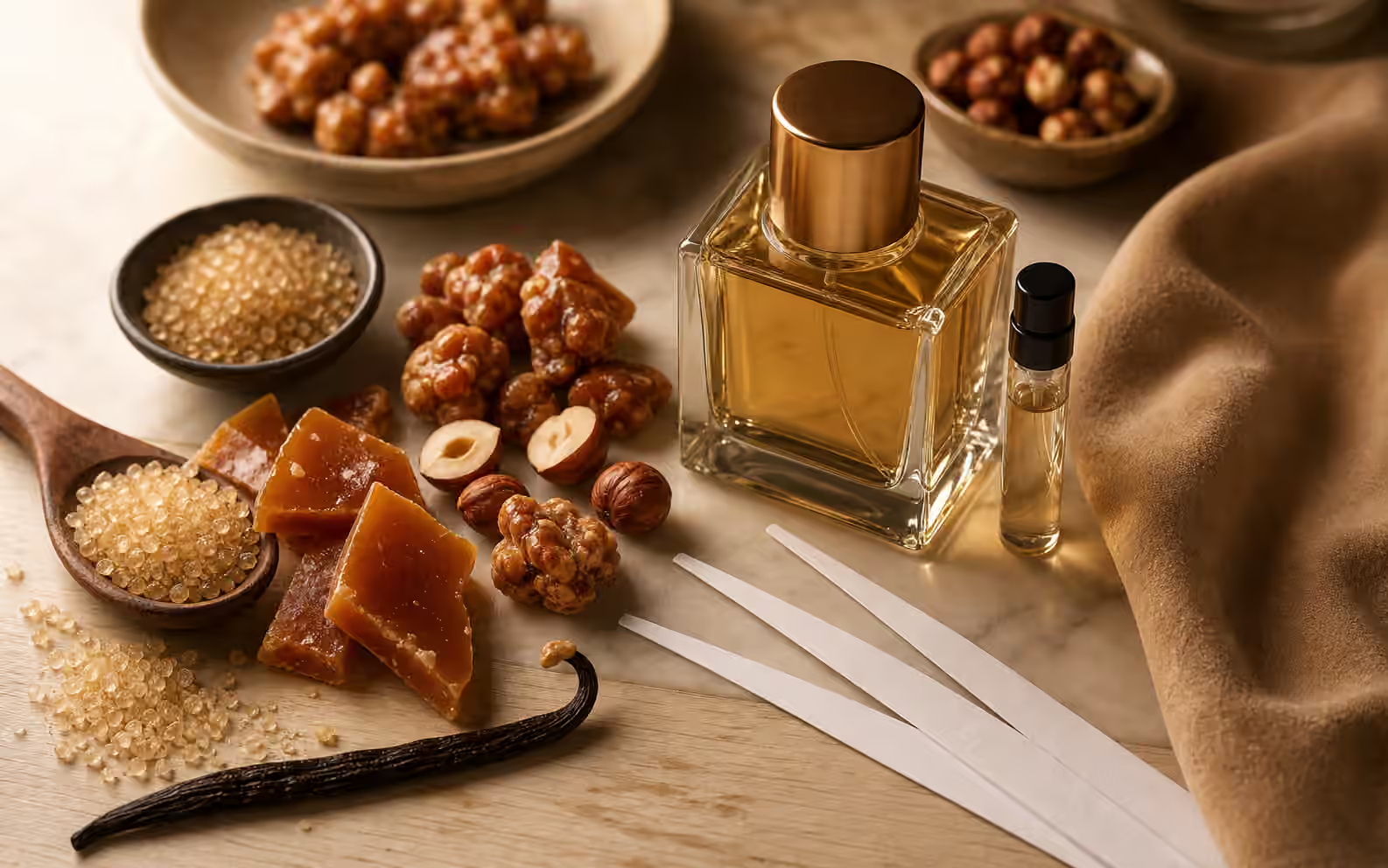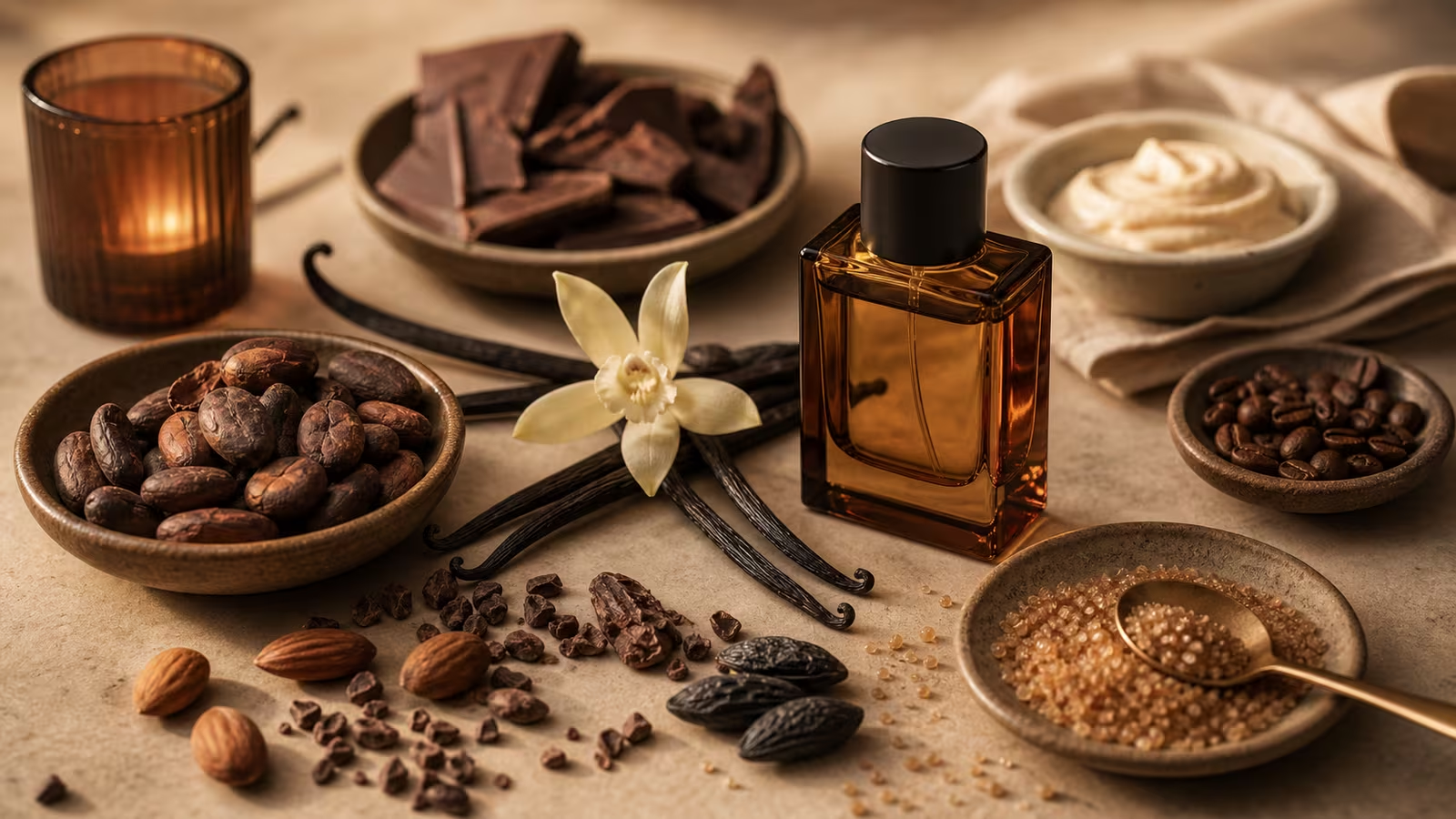
Gourmand fragrances are the scents that make people say, “You smell delicious.” They borrow from the edible world: vanilla, caramel, chocolate, coffee, almond, pistachio, praline, marshmallow, honey, milk, cream, cinnamon, sugar, cake, pastry, toasted nuts, and warm drinks. They can feel cozy, flirtatious, nostalgic, playful, sensual, or comforting. For many beginners, gourmand is the family that makes perfume immediately understandable because the references are familiar. You may not know what oakmoss or ambroxan smells like yet, but you know vanilla.
The warmth of gourmand scents is powerful because smell is tied to memory. Vanilla can recall baking, lotion, old perfume counters, ice cream, or clean sweetness. Coffee can feel bitter, roasted, urban, and morning-like. Chocolate can feel dark and smooth or milky and playful. Almond can smell like marzipan, cherry-like sweetness, or soft powder. Caramel can be buttery and golden, but it can also become sticky if it has no contrast. Gourmands are pleasurable because they speak in a language the body already understands.
Sweet is not one thing
Beginners often say they like or dislike sweet perfume, but sweetness has many textures. A vanilla musk can be soft and clean, barely edible. A caramel amber can be dense and syrupy. A coffee fragrance can balance sweetness with bitterness. A chocolate patchouli scent can feel earthy and dark rather than sugary. A milky sandalwood can feel creamy without smelling like dessert. A honeyed floral can be sweet in a golden, animalic way that has little to do with candy.
Learning gourmands means learning the kind of sweetness you enjoy wearing. If a sugary body mist feels fun for ten minutes but tiring by lunch, you might need woods, musk, tea, salt, or coffee to balance the sweetness. If dark chocolate feels too heavy, you may prefer vanilla with citrus. If caramel makes you feel self-conscious, try tonka or almond for warmth without the same sticky effect. The family is wide enough that one bad sweet scent should not condemn them all.
It also helps to separate smell from identity. Some people avoid gourmands because they fear smelling childish. That fear usually comes from poorly balanced sweetness, not from gourmand notes themselves. A dry vanilla with cedar can be elegant. A coffee amber can be sophisticated. A soft pistachio musk can feel modern and clean. The question is not whether a note sounds grown-up. The question is how the composition handles it.
Balance makes gourmands wearable
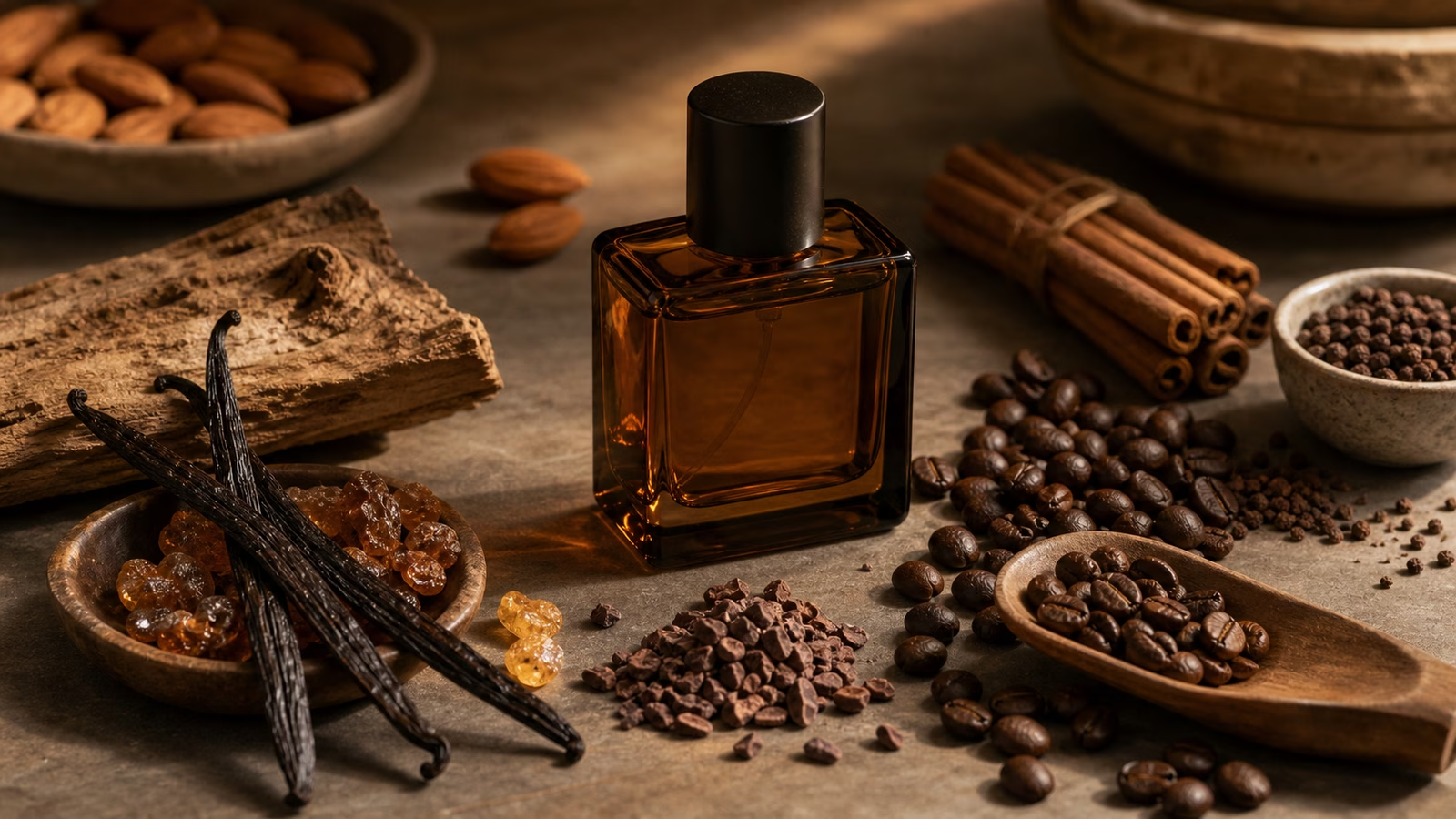
The best gourmands usually have a frame. Without contrast, edible notes can become flat, loud, or cloying. Woods add dryness. Musk adds softness. Citrus adds lift. Salt adds sparkle. Coffee and cacao add bitterness. Spices add movement. Smoke adds drama. Florals add air and shape. Even a tiny green note can keep sweetness from feeling like a sealed jar of syrup.
Imagine dessert. A caramel sauce is more interesting with salt. Chocolate feels deeper with espresso. Vanilla custard becomes brighter with citrus zest. Almond pastry needs crisp edges. Perfume works the same way. A vanilla fragrance that includes cedar or cashmere woods may feel cozy but not childish. A caramel scent with salt may feel golden rather than sticky. A chocolate scent with patchouli may feel dark and earthy. Balance lets you enjoy sweetness without being trapped inside it.
When sampling a gourmand, wait for the drydown. Many sweet scents are charming at first but become heavy later. Others start intense and then settle into a beautiful skin warmth. The drydown tells you whether you want the scent in your life after the novelty fades. If the base keeps making you sniff your sweater with pleasure, that is a good sign. If it makes you feel coated, the scent may be too dense for your taste or climate.
Weather changes everything
Gourmands often shine in cool weather. Cold air gives sweetness space. A vanilla amber under a sweater can feel comforting in November and overwhelming in August. Coffee, cinnamon, tonka, praline, and dense amber notes can feel richer when the air is crisp. That does not mean gourmands are winter-only. It means you should choose weight carefully.
For warm weather, look for airier gourmands: citrus vanilla, tea and milk, coconut water, salted vanilla, light pistachio, sheer musk, or fresh pear with cream. Body mists can be excellent here because they give gourmand pleasure without the density of a heavy eau de parfum. Perfume oils can work for summer if they stay close and you apply lightly.
Climate also affects projection. Heat can make sweet notes expand. A scent that feels cozy indoors can become loud outside. If you love gourmands but live somewhere hot, practice with smaller amounts, lighter formats, and fresher pairings. You do not have to abandon sweetness. You just need to give it breathing room.
Gourmand wardrobes
A beginner does not need many gourmands. One comfortable sweet scent can do a lot. If you love the family, choose different jobs rather than buying five similar vanillas. You might have a soft vanilla musk for everyday, a coffee or cacao scent for cooler days, and a richer amber gourmand for evenings. If you prefer lighter fragrance, one body mist and one travel spray may be enough.
Think about how each scent fits your clothes and routines. A marshmallow scent may be perfect with pajamas and a hoodie. A dry vanilla wood may work with a wool coat. A caramel perfume may feel best for dinner. A coffee scent may be wonderful for a bookstore afternoon but strange at the gym. The more specific you are about use, the better your wardrobe becomes.
Layering can make gourmand scents more versatile. Unscented lotion helps longevity. A sandalwood oil can make vanilla drier. A clean musk mist can make a sweet perfume softer. A citrus mist can brighten a creamy scent. Be careful layering gourmand on gourmand, though. Vanilla lotion, caramel mist, and sugar perfume can become a lot quickly. Two thoughtful layers usually work better than four enthusiastic ones.
Sampling without getting seduced
Gourmands are easy to love in the first minute because edible notes are immediate. That first pleasure can lead to quick purchases. Slow down. Wear the scent through hunger, meals, warm rooms, and movement. A fragrance that smells delicious before lunch may feel intrusive while eating. A cinnamon scent may be charming on a blotter and too festive for daily life. A vanilla may be perfect on a sweater and too sweet on skin.
Ask whether you want to smell like the note or only smell it nearby. Loving coffee does not always mean wanting coffee on your body. Loving chocolate does not always mean wanting a chocolate perfume. Sometimes a candle, lotion, or body wash is the right format. Perfume is more intimate and persistent. It should feel good when it follows you.
The deeper pleasure
The best gourmand fragrances are not just desserts. They use edible memory to create atmosphere. A vanilla can feel like warmth and calm. A coffee note can make a scent feel alert and textured. A toasted sugar note can suggest golden light. A nutty note can feel soft and familiar. A milky note can make perfume feel tender. These scents can be playful, but they can also be emotionally rich.
Approach gourmand fragrance with both appetite and discernment. Let yourself enjoy sweetness. Then ask what supports it, where you would wear it, how it behaves in your weather, and whether the drydown still feels beautiful after the first craving passes. A good gourmand does not just make you want dessert. It makes your day feel a little warmer.