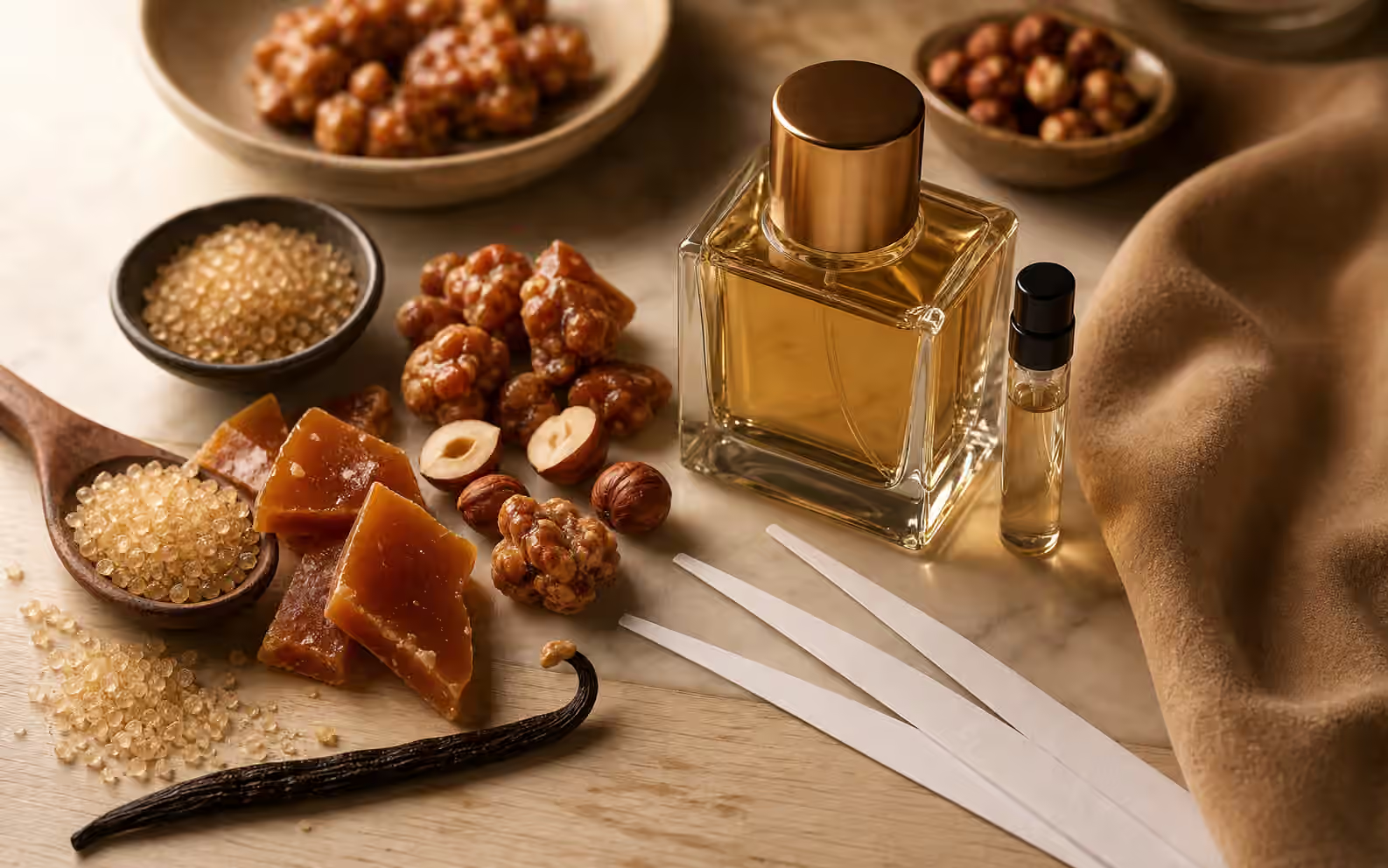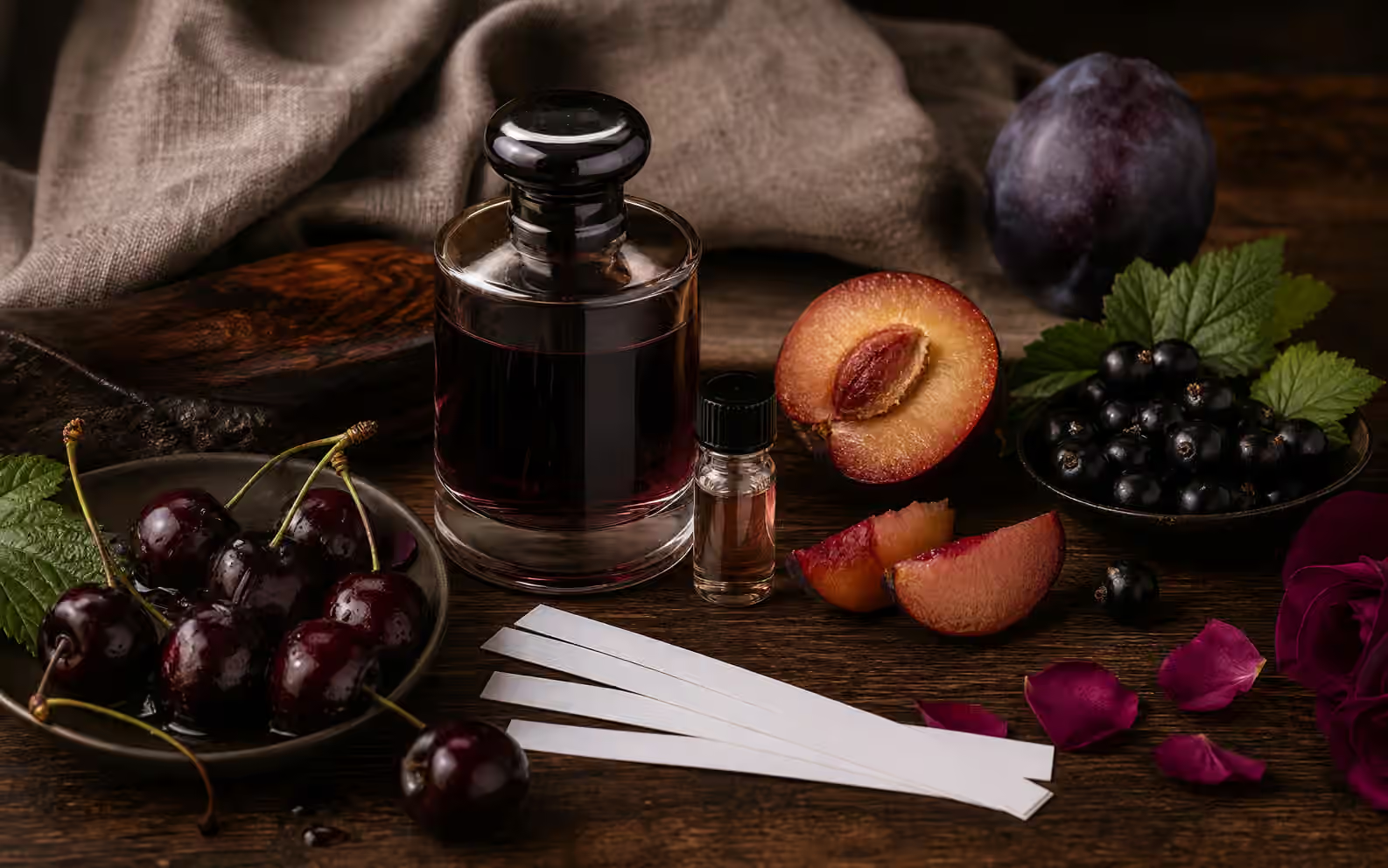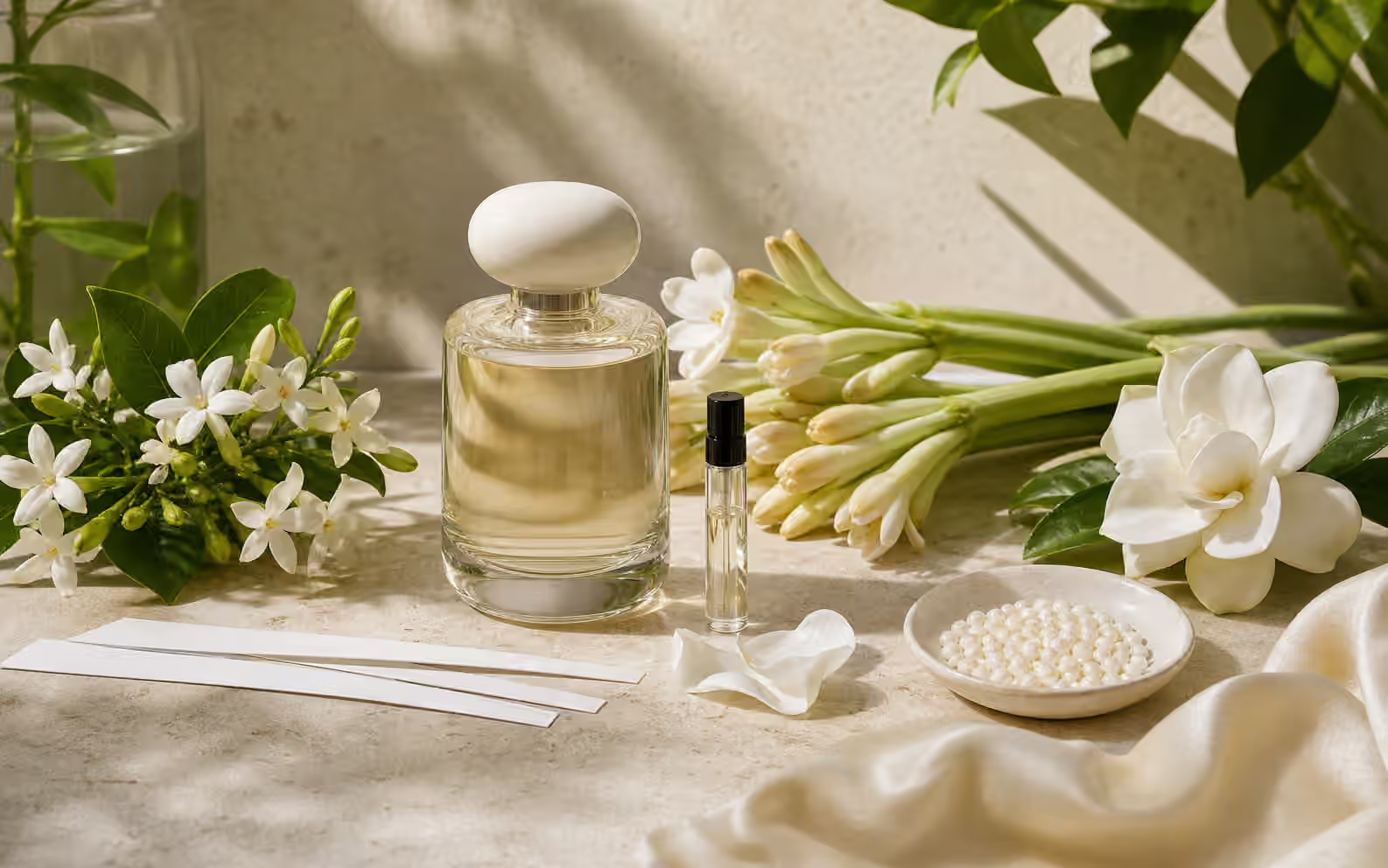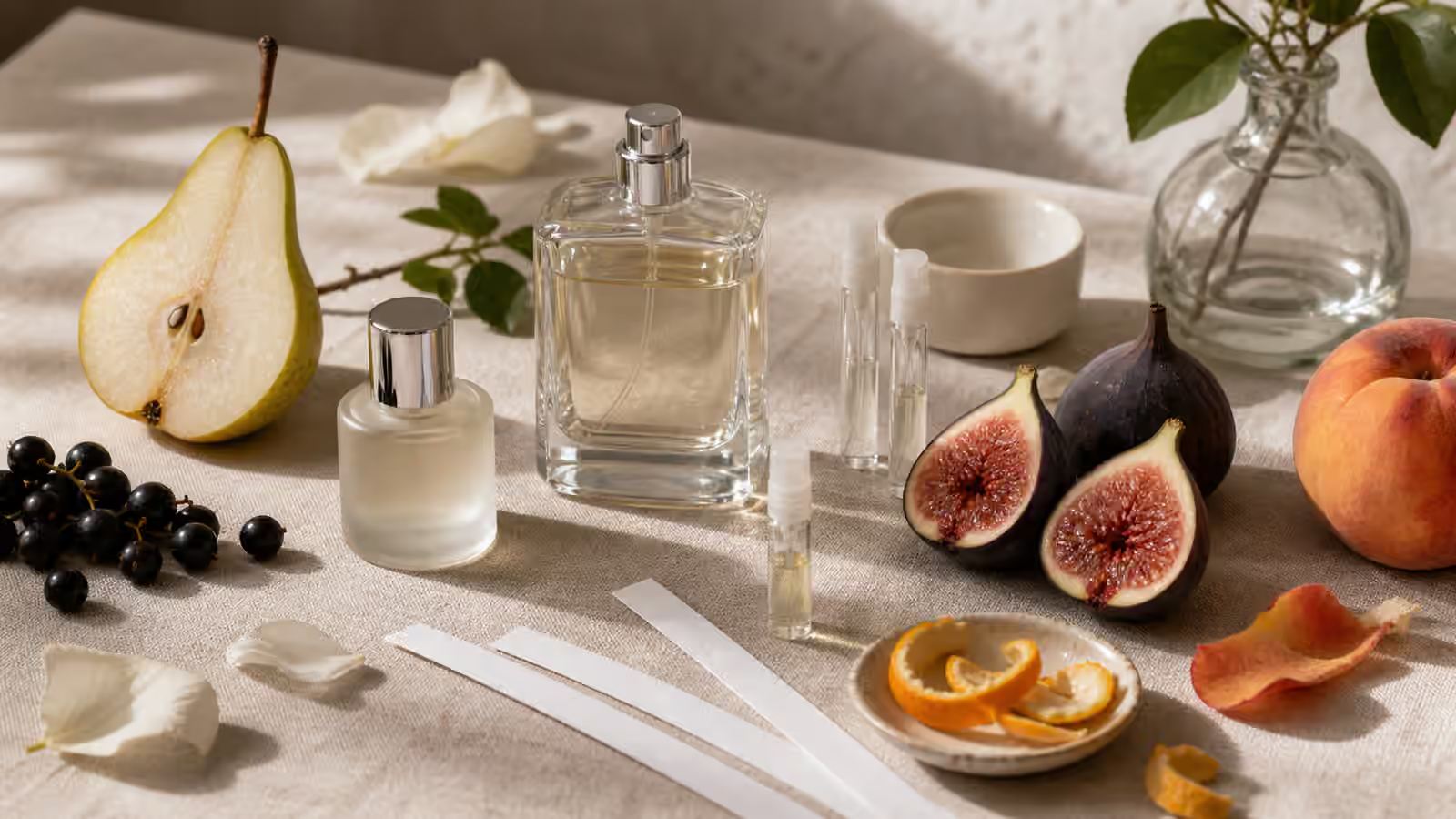
Fruity fragrances can be harder to understand than they first appear. Everyone knows what a peach, pear, fig, apple, mango, or berry smells like at the market, but perfume rarely gives you a literal bowl of fruit. It gives an impression shaped by alcohol lift, floral materials, woods, musks, sweetness, acidity, and the perfumer’s idea of ripeness. One pear scent can feel crisp and watery, like biting into fruit over a sink. Another can feel shampoo-clean and sheer. A third can turn pear into a soft bridge between rose, musk, and vanilla.
That flexibility is why fruity scents deserve their own guide. They overlap with Fresh Scents , Floral Scents , Gourmand Scents , and even warm ambers, but they do not behave exactly like any one of those families. Fruit can brighten a heavy perfume, make a floral easier to wear, add juiciness to woods, or push a scent into candy, jam, cocktail syrup, lotion, or dessert. Learning the difference helps you choose fruity perfumes with more intention and fewer surprises.
Fruit notes are usually impressions
Fruit in fragrance is often built from accords rather than pressed juice. A peach effect might be creamy, fuzzy, lactonic, floral, or almost suede-like. Pear might be watery and bright, but it can also smell like pear candy, chilled shampoo, or a transparent sweet note used to make florals feel friendlier. Fig can suggest green leaves, milky sap, soft pulp, dry wood, and sun-warmed skin all at once. Berry can be tart and blackcurrant-like, syrupy and red, or dark enough to make rose feel jammy.
This is the same lesson taught by Fragrance Notes Explained , but fruit makes the lesson especially obvious. A note name tells you what to look for. It does not tell you the texture, sweetness, weight, or mood. If a perfume lists apple, you still need to ask whether it smells crisp, shampoo-like, cider-like, green, candied, or blended so tightly into musk that you only perceive sparkle. The name gives you a door, not the room.
Beginners often become disappointed when a fruity perfume does not smell exactly like fresh fruit. That disappointment is understandable, but it can also hide what the perfume is doing well. A realistic peach may be beautiful for ten minutes and then collapse into sweetness. A less literal peach may support a floral heart for hours. A fig note may not smell like slicing a fresh fig, but it may create the soft green, milky, woody feeling that makes the fragrance wearable.
Crisp fruit feels different from ripe fruit
The easiest way to sort fruity scents is by ripeness. Crisp fruit feels bright, watery, green, or freshly cut. Pear, apple, citrus, rhubarb, lychee, and some blackcurrant effects often sit here. They can make a perfume feel clean and energetic without becoming as sharp as pure citrus. Crisp fruit works well in daytime scents because it gives lift without demanding too much attention.
Ripe fruit is softer, rounder, and more sensual. Peach, plum, apricot, fig pulp, mango, and red berries often live here. These notes can make a scent feel plush, sunny, creamy, or dressed up. They can also become heavy if the base is sweet or the weather is warm. A ripe fruit fragrance may feel charming in cool air and too syrupy in a crowded room. That is not a flaw in the family. It is a reminder that fruit has volume, just like vanilla, amber, or white flowers.
Overripe fruit is its own direction. Some perfumes intentionally use dark plum, blackcurrant, cherry, raspberry, or jammy fruits to create drama. They may lean toward rose, patchouli, leather, incense, or dense woods. These scents are not trying to smell like a clean fruit bowl. They are using fruit for color and shadow. If you enjoy the warmth in Amber, Resin, and Spice Scents , a dark fruity amber or rose-plum fragrance may be a useful bridge.
The shampoo effect is not always bad
People sometimes dismiss fruity perfumes as smelling like shampoo. That can be a fair criticism when a scent feels thin, synthetic, or too familiar. But the shampoo effect is not automatically a failure. Many people want a fragrance that smells freshly washed, bright, and easy to share space with. Pear, apple, lychee, and watery berries can give exactly that kind of clean lift, especially when paired with musk and soft florals.
The question is whether the effect fits the job. A pear musk that smells like clean hair may be perfect for work, errands, warm weather, or a shared car. It may not satisfy someone looking for a dramatic evening perfume. A peach floral that feels like expensive conditioner may be delightful if you wanted polish and softness. It may disappoint if the bottle led you to expect orchard realism.
This is where Close-Space Fragrance becomes useful. Fruity clean scents can be socially easy because they read familiar and approachable. They can also become intrusive when sweetness is amplified by too many sprays. A scent does not need to be smoky or resinous to fill a room. A very sweet berry or tropical perfume can travel farther than expected, especially in heat.
Fruit changes florals
Fruit is one of the most common ways to modernize florals. Rose with pear can feel dewy instead of vintage. Jasmine with peach can feel creamy and sunny. Peony with lychee can feel sparkling and translucent. Orange blossom with berry can feel playful instead of soapy. The fruit does not always dominate. Sometimes it simply changes the light around the flower.
This matters if traditional florals feel too formal for you. A straight rose may remind you of powder, lipstick, soap, or old-fashioned dressing. Add raspberry or blackcurrant and the rose can become jammy and lively. Add pear and musk and it may become cleaner and easier. Add peach and sandalwood and it can become soft, warm, and close to skin. The floral remains, but the fruit shifts the emotional register.
Fruit can also make a floral too sweet. A white floral with tropical fruit may feel lush in a sample and overwhelming after several hours. A berry rose may become sticky if the base leans heavily on vanilla and patchouli. When testing, notice whether the fruit clears after the opening or stays loud through the drydown. A fleeting fruit top note may be refreshing. A persistent fruit syrup can be enjoyable, but only if that is the kind of sweetness you want to live with.
Fruit and gourmand are related but not identical
Many fruity scents sit near gourmand territory because fruit is edible. Cherry, almond, vanilla, strawberry, caramel, and cream can quickly turn a fragrance toward dessert. But fruit does not have to be gourmand. A grapefruit vetiver, fig leaf musk, blackcurrant rose, or pear iris can smell polished rather than edible. The difference is usually in the supporting materials.
Vanilla, caramel, tonka, chocolate, marshmallow, whipped cream, and praline pull fruit toward dessert. Musk, tea, green leaves, iris, dry woods, and sheer florals pull fruit toward freshness or elegance. Patchouli, leather, incense, and dark woods can make fruit feel nocturnal and textured. None of these directions is better than the others. The useful question is what role the fruit is playing. Is it sparkle, sweetness, creaminess, juiciness, color, or depth?
If you already like Gourmand Scents , fruity gourmands can be an easy pleasure. Try noticing whether you prefer fruit with pastry warmth or fruit with clean musk. Strawberry cream and cherry vanilla may make you happy, but so might pear tea or fig sandalwood. If gourmands usually feel too sweet, fruit can still work when it is paired with green notes, dry woods, or airy florals.
Fig is the bridge note
Fig deserves special attention because it can behave like fruit, green leaves, milk, wood, and skin. Some fig fragrances smell leafy and sunlit, with a bitter-green edge that feels close to a garden. Others smell creamy and soft, like fig pulp blended with coconut milk or sandalwood. Some are dry and woody, using fig more as an atmosphere than as a fruit note.
That makes fig useful for people who think they dislike fruity scents. It is often less candy-like than berry, less shampoo-like than pear, and less dessert-like than peach vanilla. It can also pair beautifully with Woody Scents because its green and milky sides soften dry woods without burying them. A fig cedar fragrance can feel calm and architectural. A fig sandalwood can feel creamy and intimate. A fig leaf musk can feel clean without smelling like laundry.
Fig can still become sweet, especially when mixed with coconut, vanilla, or amber. Sample it the way you would sample any other fruit note: on skin, through the drydown, in normal weather. Do not assume that a green opening means the whole scent will stay green.
Sample fruit through the drydown
Fruity perfumes are especially easy to misjudge in the first five minutes. The opening may be the most vivid part, and that vividness can either seduce or scare you. A pear note may sparkle beautifully and then disappear into musk. A peach may seem too loud before settling into a soft floral. A berry may smell like candy at first and then darken with woods. The early fruit is important, but it is not the whole perfume.
The sampling method in How to Sample Fragrances matters here because fruit needs time to show whether it is decoration or structure. Wear one fruity scent at a time. Notice whether the sweetness grows, fades, or changes texture. Check how it behaves on fabric if you normally spray clothing, but do not judge only from a sleeve. Skin can make fruit warmer, sharper, softer, or more sour.
Reviews can be useful, but fruit language online can become dramatic. One person’s juicy is another person’s sticky. One person’s fresh peach is another person’s shampoo. One person’s realistic cherry is another person’s cough syrup. Reading Perfume Reviews Without Losing Your Own Nose is helpful because it teaches you to turn those reactions into questions. Ask what the fruit is paired with, how sweet the drydown becomes, and whether the reviewer wanted the same kind of scent you want.
Where fruit fits in a wardrobe
A fruity fragrance can fill several wardrobe roles. A crisp pear or apple musk can be an everyday clean scent. A fig wood can be a quiet office scent or a soft weekend perfume. A peach floral can be polished and warm without becoming formal. A dark plum rose can serve as an evening scent. A tropical floral can feel joyful in warm weather if applied with restraint.
The guide to Beginner Fragrance Wardrobes is useful because it keeps the question practical. You do not need every fruit note. You need the one that solves a real gap. If your wardrobe is mostly woods and ambers, a pear musk or citrus-fruit floral may bring air. If everything you own is clean and pale, a plum, fig, or peach scent may add softness. If you already own several sweet vanillas, another berry dessert may be less useful than a dry fig or green apple tea.
Fruit is not childish by default, and it is not sophisticated by default. It is a color family with many textures. The best fruity scent for you may be crisp, milky, jammy, powdery, tropical, green, musky, or woody. Once you stop asking fruit to be literal, you can judge the more important thing: whether the perfume gives the right kind of brightness, sweetness, and ease for the life you want it to join.