Fragrance notes are the words perfume uses to point at smell. They are helpful, but they can also mislead beginners because they look more literal than they are. When a fragrance lists bergamot, rose, sandalwood, amber, and vanilla, it is not giving you a grocery receipt. It is giving you a set of impressions. Some of those impressions may come from natural materials. Some may come from synthetic aroma molecules. Some may be built from many materials working together to suggest something familiar. A note is a doorway into the experience, not proof that a particular slice of fruit or flower petal is floating inside the bottle.
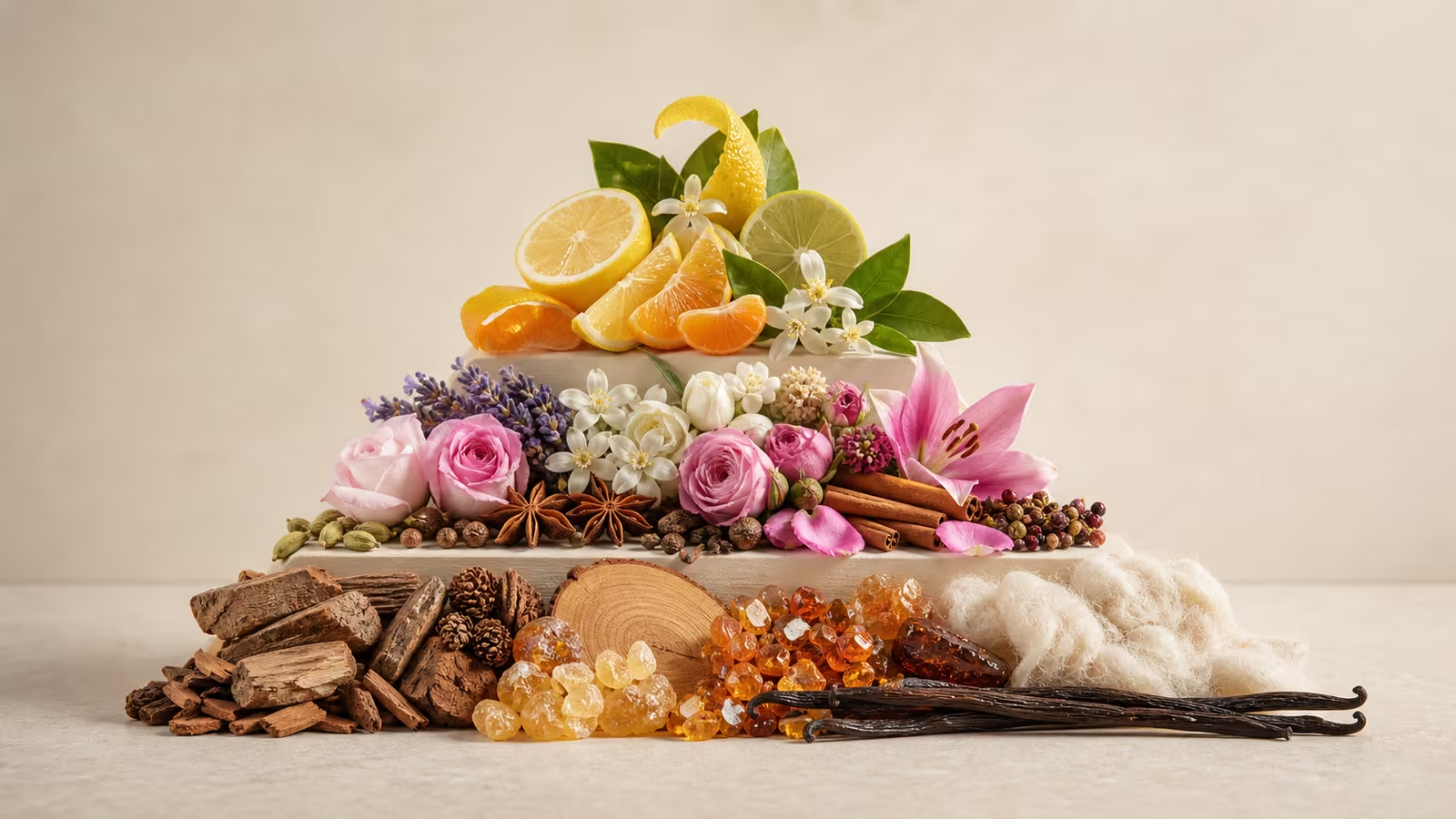
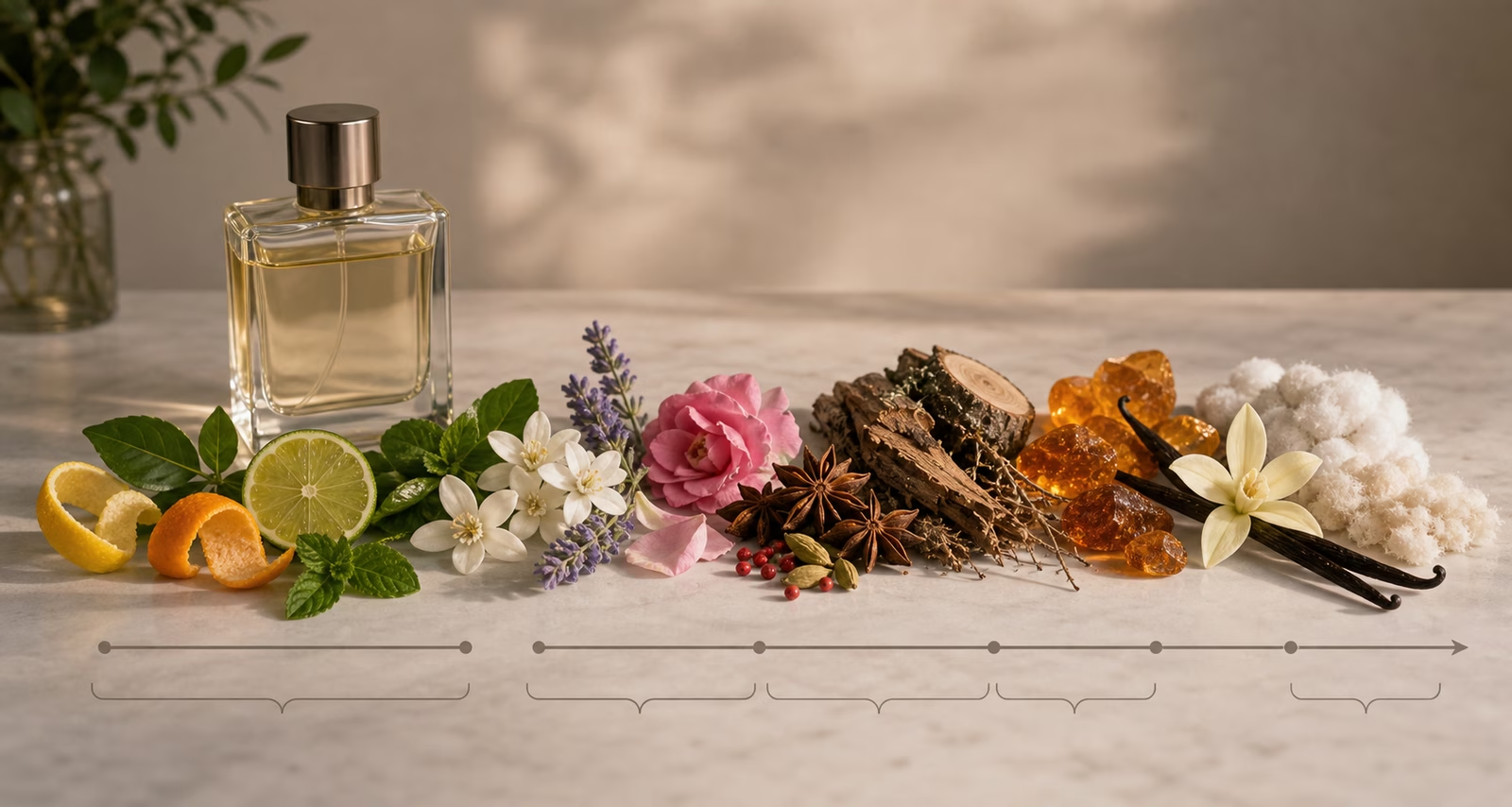
The classic way to explain notes is the pyramid: top notes, heart notes, and base notes. It is not a perfect scientific diagram, but it is a useful story. The top is what you notice first. The heart is what gives the perfume its main personality after the opening settles. The base is what remains late in the wear, grounding the fragrance and helping it last. If you have ever sprayed something and loved the first minute, then felt surprised an hour later, you have already met the pyramid in real life.
Top notes are the hello
Top notes are often bright, volatile, and quick to lift from the skin. Citrus is the easiest example: bergamot, lemon, grapefruit, mandarin, orange, and yuzu can make a fragrance feel sparkling, juicy, bitter, clean, or sunny. Green notes can smell like crushed leaves, stems, tea, herbs, or fresh-cut grass. Aromatic notes such as lavender, mint, basil, rosemary, and sage can make the opening feel breezy and alert. Fruity notes can add pear, peach, apple, berries, melon, or tropical brightness.
The top note is the handshake, not the whole relationship. Beginners often buy from the opening because the first spray is exciting. That is understandable; perfume counters are built around the drama of first impressions. But the top is also the part most likely to change quickly. A fragrance that opens with a sparkling grapefruit may become a clean musk. A pear note may vanish into white flowers. A green opening may soften into powder. If you judge only the first five minutes, you may miss the part you would actually live with.
This is why sampling on skin matters. Paper blotters show the opening clearly, but skin adds warmth, salt, oil, fabric, motion, and time. A top note that screams on a blotter can be lovely outdoors. A citrus that feels thin in a cold shop may bloom in summer heat. Top notes tell you where the fragrance begins. They do not tell you where it will take you.
Heart notes are the character
Heart notes, sometimes called middle notes, arrive after the brightest opening starts to fade. They often carry the emotional center of the perfume. Floral notes live here often: rose, jasmine, orange blossom, tuberose, iris, violet, peony, lily, magnolia, and many abstract flower blends. Spices can live here too, from cardamom and cinnamon to pink pepper, clove, ginger, saffron, and nutmeg. Fruits may remain into the heart if they are built to feel plush rather than fleeting. Tea, herbs, creamy notes, and soft woods can also shape this middle stage.
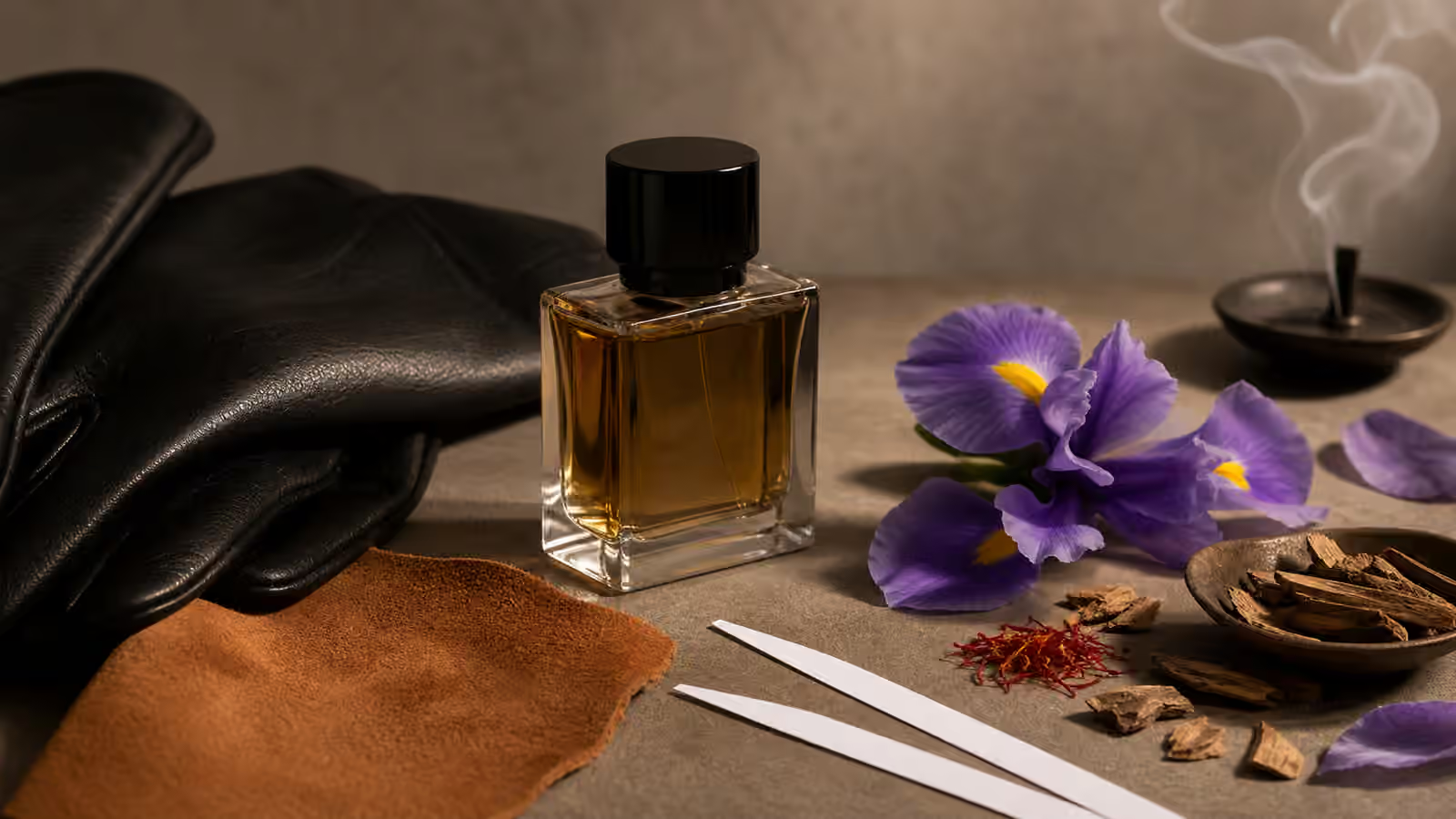
The heart is where a fragrance begins to feel like a person rather than a product description. Rose can be clean and dewy, like petals in a glass of water. It can be jammy and romantic, like rose preserves. It can be dry and spicy, almost leathery. Jasmine can be luminous and white, sweet and banana-like, creamy, indolic, or animalic. Iris can smell like makeup powder, cool earth, clean paper, or expensive suede. The note name is only the sign over the door; the room inside can look very different.
A useful beginner habit is to ask what the heart is doing to the fragrance’s mood. Is it making the scent softer, brighter, sweeter, greener, powderier, creamier, or more formal? Imagine two perfumes that both list bergamot and sandalwood. If one has a heart of orange blossom and white musk, it may feel clean and sunlit. If another has a heart of cinnamon and tobacco, it may feel warm and evening-like. The heart explains why two similar note lists can live in different parts of your wardrobe.
Base notes are the memory
Base notes are usually slower, heavier, and more persistent. They often include woods, resins, musks, amber materials, vanilla, tonka, patchouli, moss, leather, smoke, incense, sandalwood, cedar, vetiver, labdanum, benzoin, and creamy or powdery fixatives. These notes do not always shout at the beginning, but they decide what remains after the sparkle fades. If the top note is the hello and the heart is the conversation, the base is the memory of the person after they leave.
Base notes also shape longevity. Citrus materials often disappear faster than woody, musky, resinous, or sweet materials. That does not make citrus worse; it simply means a bright cologne may be designed for refreshment while an amber perfume may be designed to cling. When people say a fragrance becomes a “skin scent,” they usually mean the louder parts have faded and the base is sitting close to the body. Some people love that intimate stage. Others want projection and feel disappointed. Both preferences are valid; they simply describe different wearing goals.
The base can also change the meaning of familiar notes. Vanilla with musk may feel soft and clean. Vanilla with smoke may feel dark. Vanilla with caramel may feel edible. Vanilla with cedar may feel dry and elegant. Patchouli can smell earthy and vintage, but in tiny amounts it can also make fruit smell richer and chocolate smell deeper. Musk can be laundry-clean, warm-skin soft, powdery, sheer, fuzzy, or slightly animalic. A beginner does not need to memorize every material. It is enough to notice how the bottom of a fragrance affects the way it settles.
Accords are built impressions
An accord is a blend that creates a recognizable smell or idea, much like a chord in music. A perfumer can build a peach accord, a sea breeze accord, a clean laundry accord, a leather accord, or a warm amber accord from materials that do not literally come from peaches, oceans, laundry rooms, leather jackets, or amber stones. This is where perfume becomes both technical and imaginative.
Accords explain why fragrance language can feel magical and slippery. “Amber” in modern perfume usually does not mean fossilized tree resin. It often describes a warm, sweet, resinous impression built from materials such as labdanum, benzoin, vanilla, or amber-like aroma molecules. “Marine” does not mean seawater in the bottle; it means an airy, mineral, salty, watery impression. “Cashmere” might suggest soft fabric through musks and woods. “Skin” might be a gentle mix of musks, amber, salt, powder, and warmth.
Once you understand accords, note lists become less frustrating. You stop asking, “Is there really a cupcake in this perfume?” and start asking, “What edible effect is the perfumer creating, and do I like wearing it?” That question is much more useful.
How to read a note pyramid
Read a pyramid as a forecast, not a contract. If the top includes bergamot and pink pepper, expect an opening that may feel bright and lively. If the heart includes rose and iris, expect the middle to lean floral, perhaps powdery or polished. If the base includes cedar, musk, and vanilla, expect a finish that may be woody, soft, and lightly sweet. Then wear the perfume and see whether the forecast matches your weather.
Real skin can emphasize different parts. Heat may make sweetness expand. Dry skin may make some fragrances fade faster. Fabric can hold base notes longer than skin. Your nose can also become used to a scent while others still smell it. That is why it helps to check a fragrance at intervals rather than constantly sniffing your wrist. Let it live around you.
The best beginner note practice is simple. Choose one fragrance and write three ordinary sentences: what you smell first, what it becomes after an hour, and what is left at the end. Do that with five samples and patterns will appear. You may learn that you like citrus openings but not sharp green notes. You may discover that vanilla only works for you when it is dry. You may realize that sandalwood makes scents feel creamy in a way you love. Notes become useful when they connect to your own evidence.
Fragrance notes are not a test of sophistication. They are a set of handles that help you pick up a scent and understand its shape. Use them gently. Let them guide your sampling, explain your preferences, and help you describe what you feel. Then let your skin, your day, and your own pleasure have the final word.