Floral scents are often treated as obvious, but they are one of the richest and most varied fragrance families. A floral can smell like fresh petals in water, a powder compact, a humid tropical garden, a clean white shirt, a bridal bouquet, a dark rose jam, a stem snapped between fingers, or a soft skin musk with a hint of bloom. If you think you dislike florals, you may only dislike one floral style. The family is too broad to judge by a single bouquet.
Florals often form the heart of a perfume. That means they become most important after the opening settles. A citrus top may sparkle for ten minutes, but the floral heart can decide whether the fragrance feels romantic, clean, creamy, powdery, elegant, or loud. Learning florals is really learning how flowers change when paired with musk, woods, fruit, green notes, spice, amber, vanilla, or aldehydes.
Rose is many roses
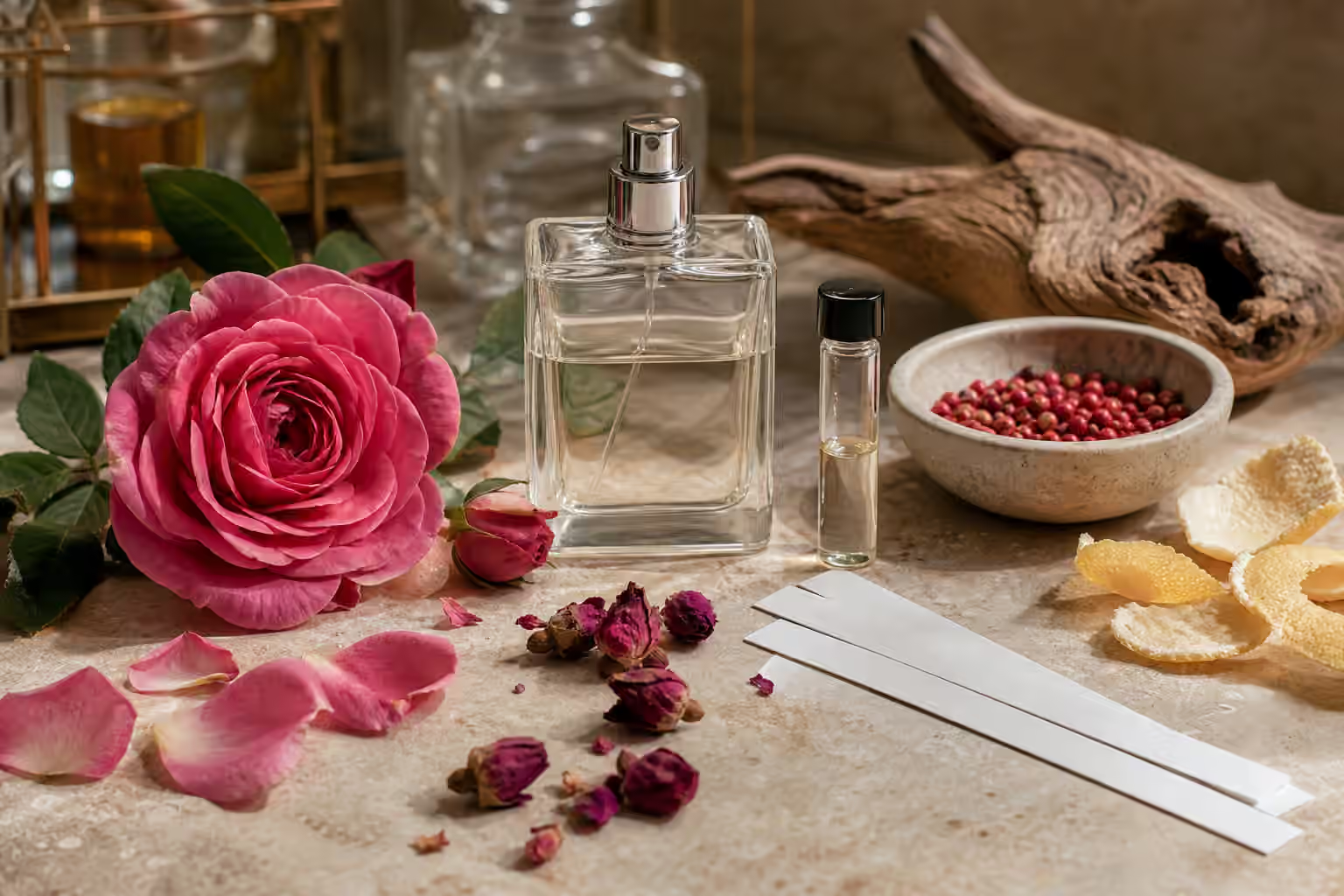
Rose is the floral that proves note names are only beginnings. A dewy rose can smell like petals in the morning. A jammy rose can smell rich, fruity, and red. A powdery rose can suggest lipstick and vintage cosmetics. A green rose can smell like stems and leaves. A spicy rose can feel Middle Eastern-inspired, warm, and dramatic. A woody rose can feel modern and genderless. A musky rose can feel clean and close.
Beginners who think rose is old-fashioned often change their minds after trying a fresh rose or a rose with tea. People who think rose is too sweet may prefer rose with cedar, vetiver, or incense. People who want romance may enjoy rose with vanilla, amber, or patchouli. The trick is to ask what kind of rose the perfume is building.
Rose is also a useful wardrobe note because it can move between casual and formal. A light rose musk can work during the day. A dark rose patchouli can feel evening-ready. A rose oil can feel intimate. A rose body mist can feel fresh and pretty without much commitment.
Jasmine and white florals
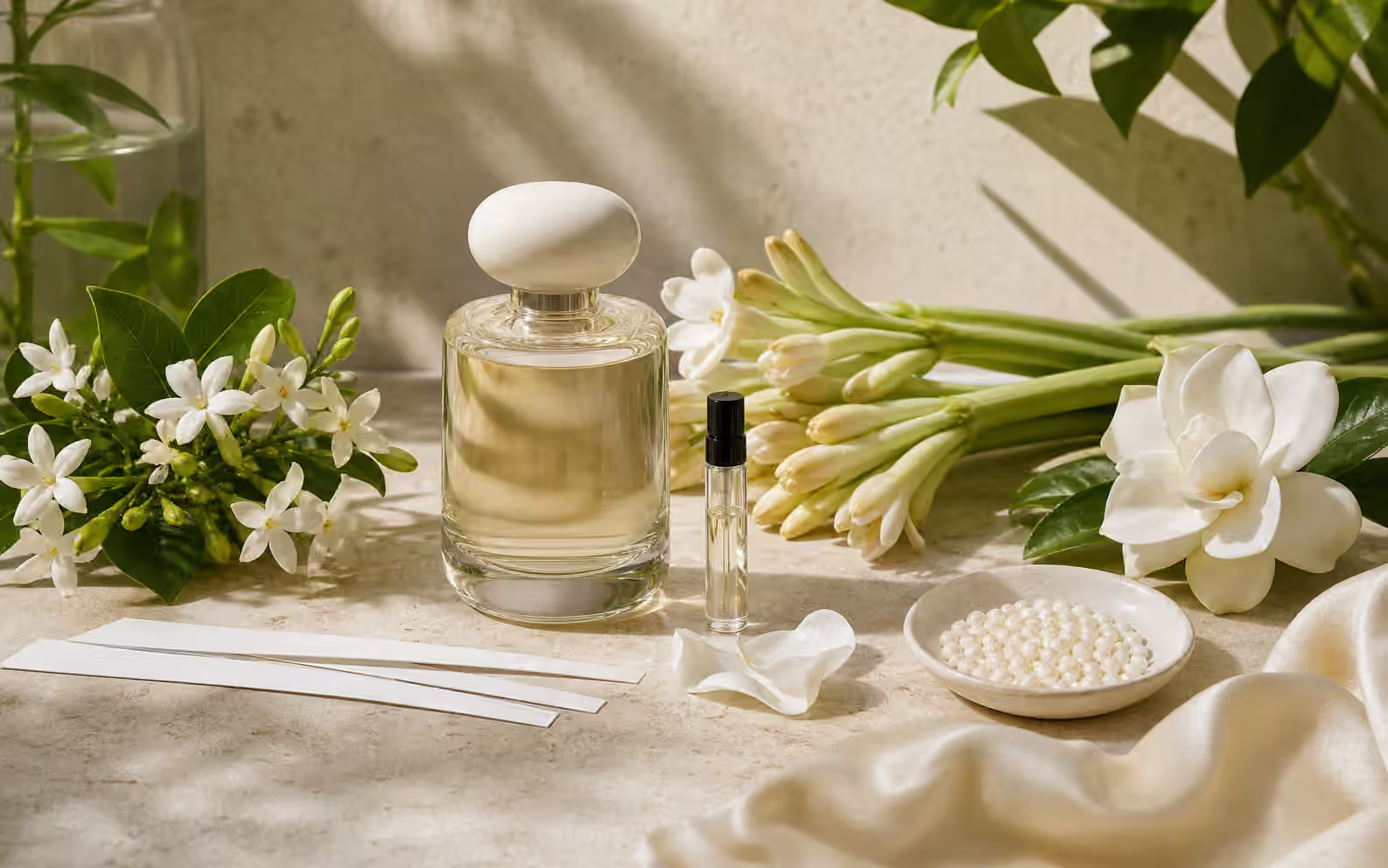
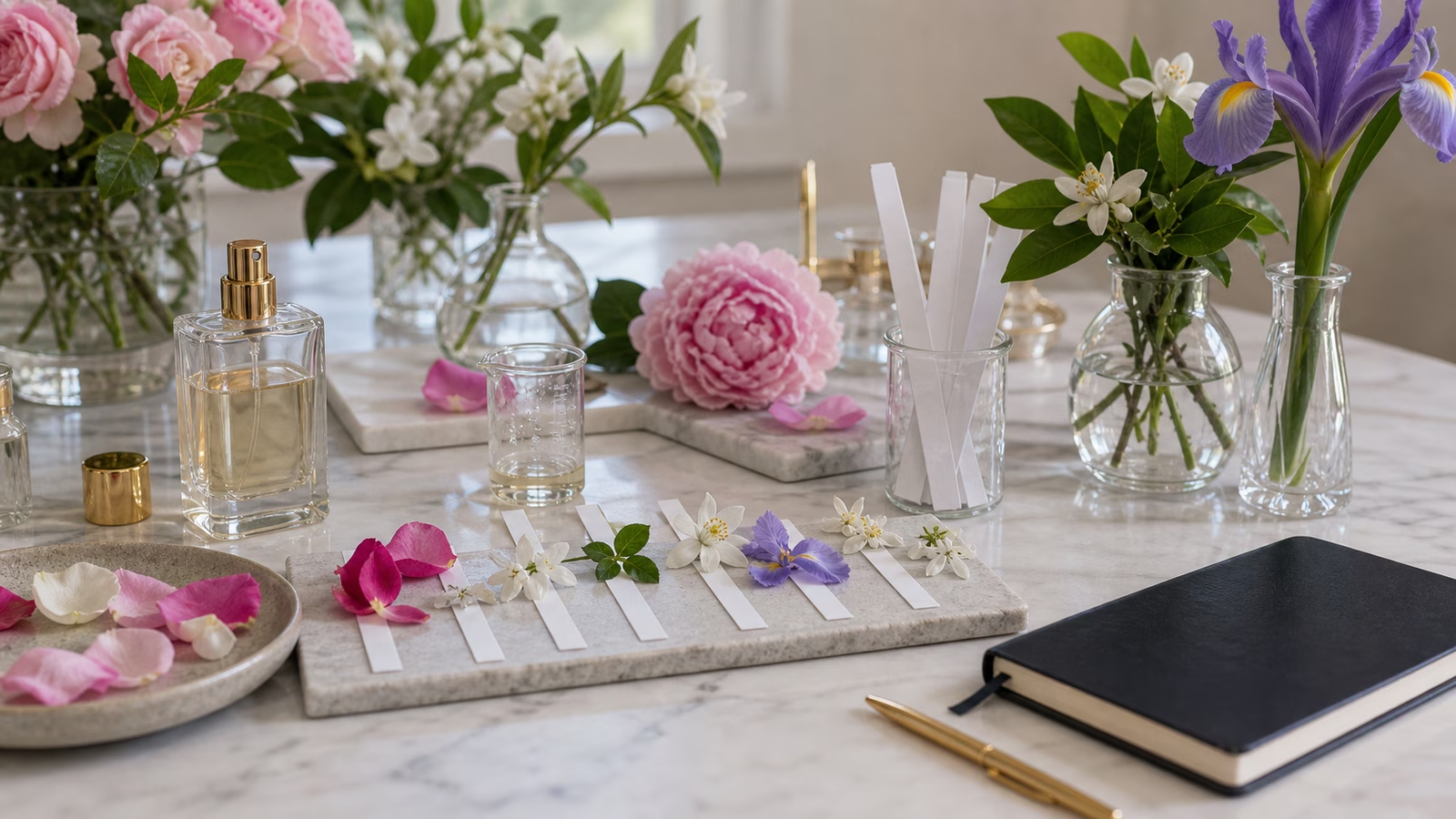
Jasmine is luminous and complicated. It can smell creamy, sweet, green, banana-like, indolic, clean, or sensual. White florals such as jasmine, tuberose, gardenia, orange blossom, ylang-ylang, and frangipani often have more body than delicate florals. They can feel radiant, humid, tropical, narcotic, or elegant. They can also overwhelm beginners if applied heavily or worn in hot, enclosed spaces.
White florals are worth approaching slowly. Try a sheer orange blossom before a dense tuberose if you are nervous. Orange blossom can feel sunny, soapy, honeyed, or bridal. Tuberose can feel creamy, green, bold, and almost buttery. Gardenia is often an accord because the flower is difficult to capture directly; it can feel lush, green, and white-petaled. Ylang-ylang can add banana-like creaminess and tropical warmth.
These florals can be stunning because they have presence. They make perfume feel alive. But they also teach application. One spray may be beautiful; four may be too much. White florals often work best when you give them air.
Iris, violet, and powder
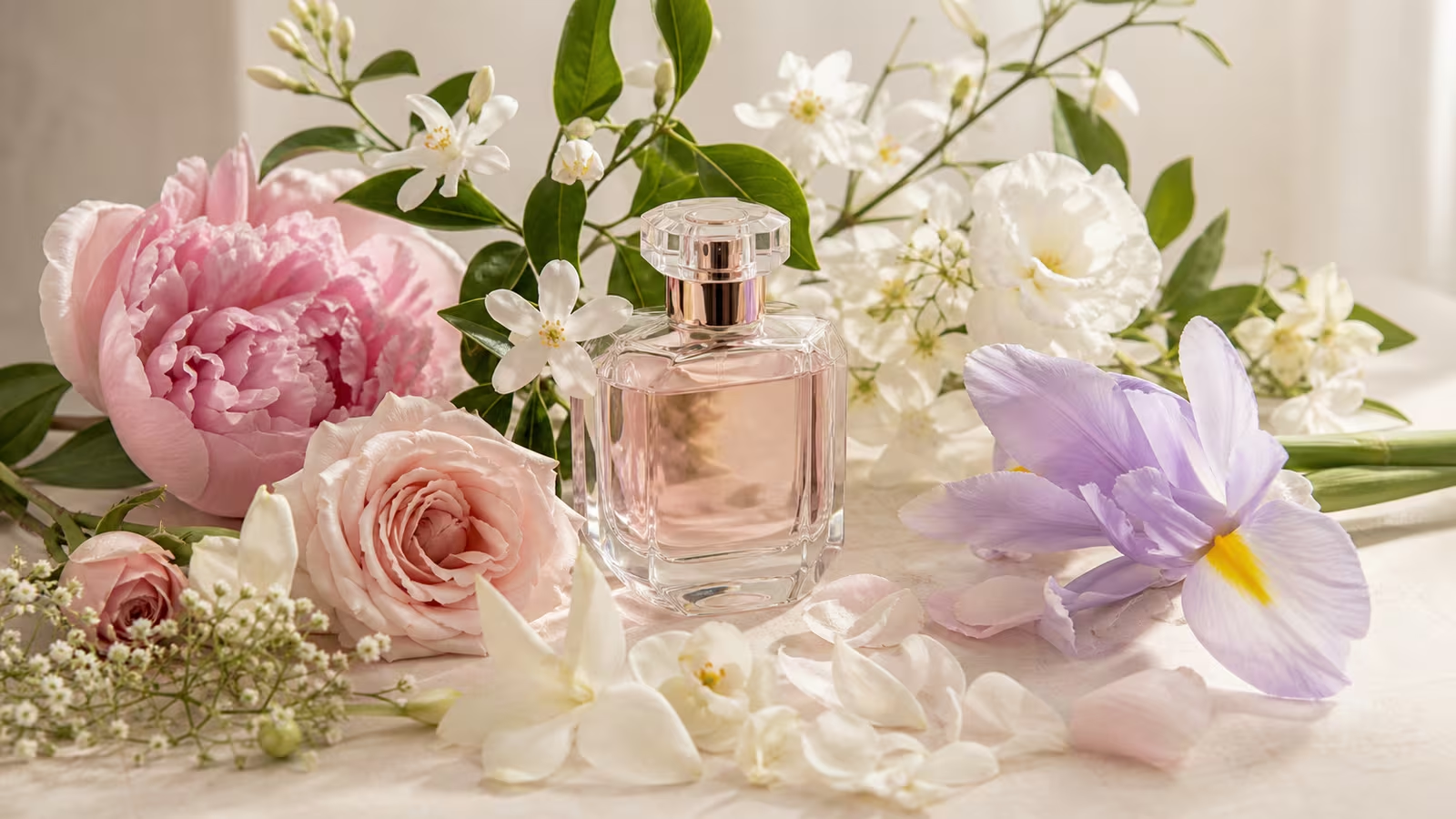
Iris and violet bring a different floral mood. They can feel powdery, cool, cosmetic, elegant, papery, earthy, or suede-like. Iris in perfumery often refers to orris effects from the iris root rather than the smell of the flower itself. It can smell like face powder, lipstick, soft leather, carrot seed, or dry elegance. Violet can feel sweet, green, powdery, or candy-like depending on the style.
Powdery florals can be comforting or formal. Some people associate them with vintage perfume or makeup bags. Others find them clean and refined. If powder scares you, try iris with woods or musk. If you love cosmetic scents, try violet, iris, heliotrope, and soft almond notes. These fragrances often sit closer than big white florals and can feel beautifully polished in cool weather.
Peony, lily, magnolia, and airy florals
Modern airy florals often use notes such as peony, magnolia, lily of the valley, freesia, and abstract petals. They can feel watery, fresh, transparent, and easy to wear. Many beginner-friendly florals live here because they avoid the heaviness some people fear. A peony scent may feel like pink petals and clean musk. A magnolia can feel lemony, creamy, and soft. Lily of the valley can smell green, clean, and springlike, though it is usually recreated through accords.
These scents are excellent for daytime, spring, offices, and people who want floral fragrance without drama. The risk is that some airy florals feel generic or shampoo-like. That may be pleasant, but if you want more character, look for green notes, tea, musk, or woods in the base.
Floral pairings
Florals change dramatically with their partners. Florals with citrus feel bright and fresh. Florals with musk feel clean and wearable. Florals with woods feel modern and grounded. Florals with vanilla feel soft and warm. Florals with fruit can feel juicy and youthful. Florals with spice feel textured. Florals with amber feel rich. Florals with green notes feel natural and stemmy.
This means you can use pairings to find your lane. If classic bouquets feel too formal, try floral musks. If sweet florals feel too cute, try woody florals. If white florals feel too loud, try orange blossom colognes or green florals. If rose feels old-fashioned, try rose with tea, lychee, cedar, or clean musk. The family is not asking you to become a flower person. It is asking which kind of bloom feels like you.
Wearing florals well
Floral fragrances often benefit from context. A sheer floral can be perfect for a workday. A lush floral may need evening air. A powdery floral can feel elegant with knitwear. A tropical floral may bloom beautifully in summer but become huge in humidity. A rose oil can feel intimate at home. A floral body mist can be easy and bright after a shower.
Sampling florals requires patience because the opening may not show the heart. A citrus-floral might start like fruit and become petals. A floral amber might start sweet and become warm. A white floral might become more powerful as it warms. Wear florals for several hours before deciding. Notice whether the heart feels beautiful or whether it becomes sharp, soapy, too sweet, or too heavy.
Floral scents have survived because flowers are emotionally direct. They can suggest freshness, affection, ceremony, skin, elegance, softness, and abundance. The modern beginner does not need to accept every floral stereotype. You can wear rose with jeans, jasmine with a white T-shirt, iris as quiet armor, peony as clean ease, or orange blossom as sunshine. Floral fragrance is not one mood. It is a language with many voices, and one of them is probably closer to your taste than you think.