Fig scents are useful because they sit between several fragrance families without fully belonging to any one of them. A fig perfume can smell green and leafy, creamy and milky, woody and shaded, fruity and soft, or musky and close to skin. It can suggest a whole tree in warm air rather than a single piece of fruit. That makes fig a good bridge for people who like fresh scents but want more texture, or people who like creamy scents but do not want obvious dessert sweetness.
The important thing is that fig is rarely only fig fruit. Many of the best fig fragrances are built around fig leaf, milky sap, pale woods, coconut-like lactones, green stems, soft musk, and a fruit note that feels more plush than juicy. If you expect jam, you may be surprised. If you expect cut leaves and dry shade, you may find the category more elegant than the name suggests.
Fig is a plant accord, not only a fruit note
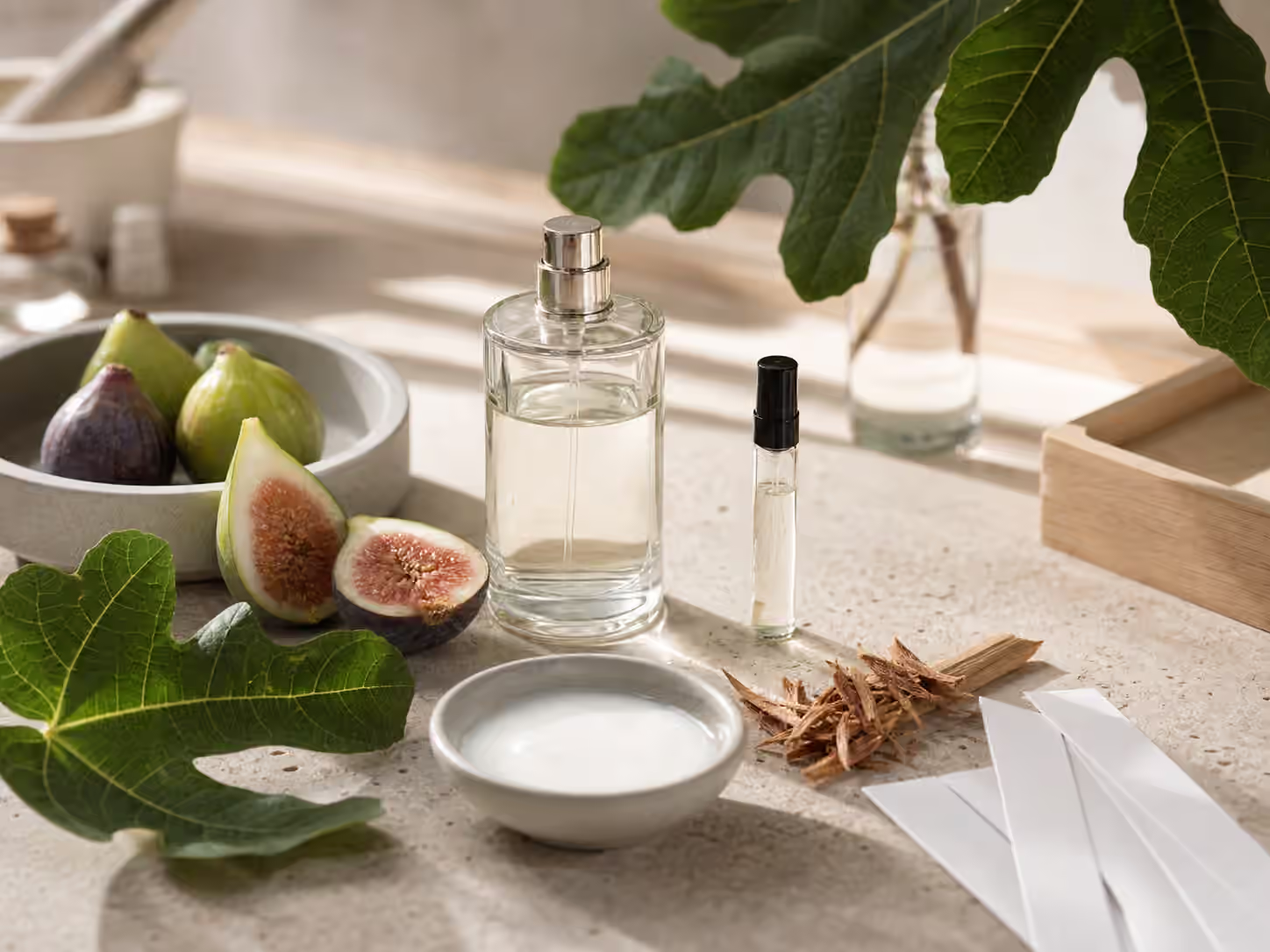
In perfume, fig often works as an accord. The perfumer is not simply trying to bottle a ripe fig. They may be building the whole plant: leaf, bark, sap, pulp, skin, air, shade, and the dry ground around the tree. This is why fig can smell green at first, creamy in the middle, and woody in the base. The note name points to an impression rather than a literal ingredient, much like the idea explained in Perfume Accords .
The leaf side is usually the most distinctive. Fig leaf can smell green, bitter, dusty, coconut-like, herbal, mineral, or almost tomato-leaf sharp. It has more shade than sparkle. It does not behave like lemon, bergamot, or orange peel, even when it appears in a fresh fragrance. Instead of brightening everything from above, fig leaf often makes the perfume feel as if it has a canopy.
The fruit side is softer. Ripe fig can suggest jam, berry, honey, plum skin, or warm pulp, but many fig perfumes keep the fruit restrained. Too much sweetness can turn fig into generic fruit. A little fruit gives the green structure a human softness. The balance between leaf and fruit decides whether the fragrance feels botanical, creamy, Mediterranean, polished, or cozy.
Green fig has shade instead of sharpness
If you like Green and Herbal Scents but sometimes find galbanum, mint, basil, or tomato leaf too pointed, fig leaf may be easier. It can be green without feeling piercing. It has a broad, matte quality, like a large leaf warmed by sun but still cool underneath. That shaded feeling is why fig often works in warm weather. It feels fresh through texture rather than through icy brightness.
Green fig also pairs well with tea, citrus, iris, vetiver, and clean musk. Tea can make the leaf drier. Citrus can lift the opening without turning the whole perfume into cologne. Vetiver can bring rooty structure. Musk can soften the green edge and make the fig sit closer to skin. These pairings matter because a fig scent with no contrast may become flat: pleasant shade, but no movement.
Some green fig perfumes lean mineral or watery. They may suggest stone terraces, damp leaves, or cool air around a garden wall. Others lean more herbal, with a bitter snap that keeps the creamy middle from becoming too smooth. When sampling, notice whether the green part feels leafy, milky, dusty, watery, or bitter. Those words will tell you more than simply writing “fig.”
Milky fig can feel creamy without becoming dessert
The milky side of fig is what separates it from many other green fruity notes. Fig sap and fig pulp can suggest cream, coconut milk, almond milk, soft wood, or warm skin. This does not automatically make the fragrance gourmand. A milky fig can be gentle and dry, especially when the base uses cedar, sandalwood, musk, or vetiver. It can feel like cream-colored fabric rather than custard.
This is where fig connects naturally to Coconut and Lactonic Scents . Lactonic materials can create a creamy, milky, rounded effect. In fig, that effect often feels botanical because it is tied to leaf and sap. In coconut, it may feel tropical, cosmetic, or edible depending on the structure. If you dislike sweet coconut, do not dismiss fig too quickly. A good fig can use a coconut-like creaminess without smelling like suntan lotion or dessert.
The risk is blandness. Milky notes can blur a perfume if there is no green edge, no dry wood, and no musky warmth. A fig scent that smells beautiful for ten minutes may later become a vague cream on skin. The best versions keep some tension: bitter leaf against milk, dry cedar against pulp, citrus peel against soft musk, or tea against fruit.
Woods and musk decide the drydown
Fig openings are often charming, but the drydown tells you whether the fragrance belongs in a wardrobe. Cedar can make fig feel dry, architectural, and clean. Sandalwood can make it smoother and creamier. Vetiver can pull it toward roots, grass, and earth. Amber can make it warmer, though too much sweetness may bury the leaf. Musk can make fig quiet and intimate, especially when the fruit is soft.
The guide to Woody Scents is helpful here because fig often depends on wood for shape. Without a base, fig can become a pretty green cream that vanishes. With too much base, it can lose the airy tree quality and become a woody fragrance with fig decoration. The right balance leaves enough leaf in the drydown that the scent still feels like fig hours later.
Musk changes fig in a more personal way. Clean musk can make it feel like fresh skin under a linen shirt. Warmer musk can make the milky pulp feel more human. Some musks are quiet to the wearer but persistent to other people, so do not assume a fig musk has disappeared just because you stop noticing it. Projection and Sillage matters even with soft green fragrances.
How to sample fig scents
Fig rewards slow testing because the category changes by hour. The opening may show leaf and citrus. The heart may turn creamy. The base may become wood, musk, tea, or warm fruit. A paper strip can show the general style, but skin is important because milky and musky materials can shift with heat. Try one fig fragrance at a time if possible. Several together can merge into a confusing cloud of leaf, cream, and pale woods.
Use ordinary comparisons in your notes. Green fig leaf, coconut milk, dry cedar, ripe pulp, dusty shade, tea, clean musk, and too sweet are all useful. You may discover that you like fig only when it is green, or only when it is creamy, or only when woods keep it dry. Fragrance Journaling helps because fig is subtle enough that memory can make every version seem more similar than it really is.
Application depends on the style. A sheer fig musk may work beautifully in close spaces. A sweet fig amber may be stronger than expected. A green fig with a mineral edge may feel refreshing in heat but too cool in winter. Fabric can hold the woody milky drydown, especially on linen, cotton cuffs, and scarves. Test before spraying clothing heavily.
Fig is at its best when it keeps the whole tree in view. The leaf gives shade, the sap gives cream, the fruit gives softness, and the base gives the scent enough structure to stay interesting. It is not the loudest note family, and it does not need to be. Its appeal is the quiet illusion of green air, warm skin, and a tree casting shade over something soft.