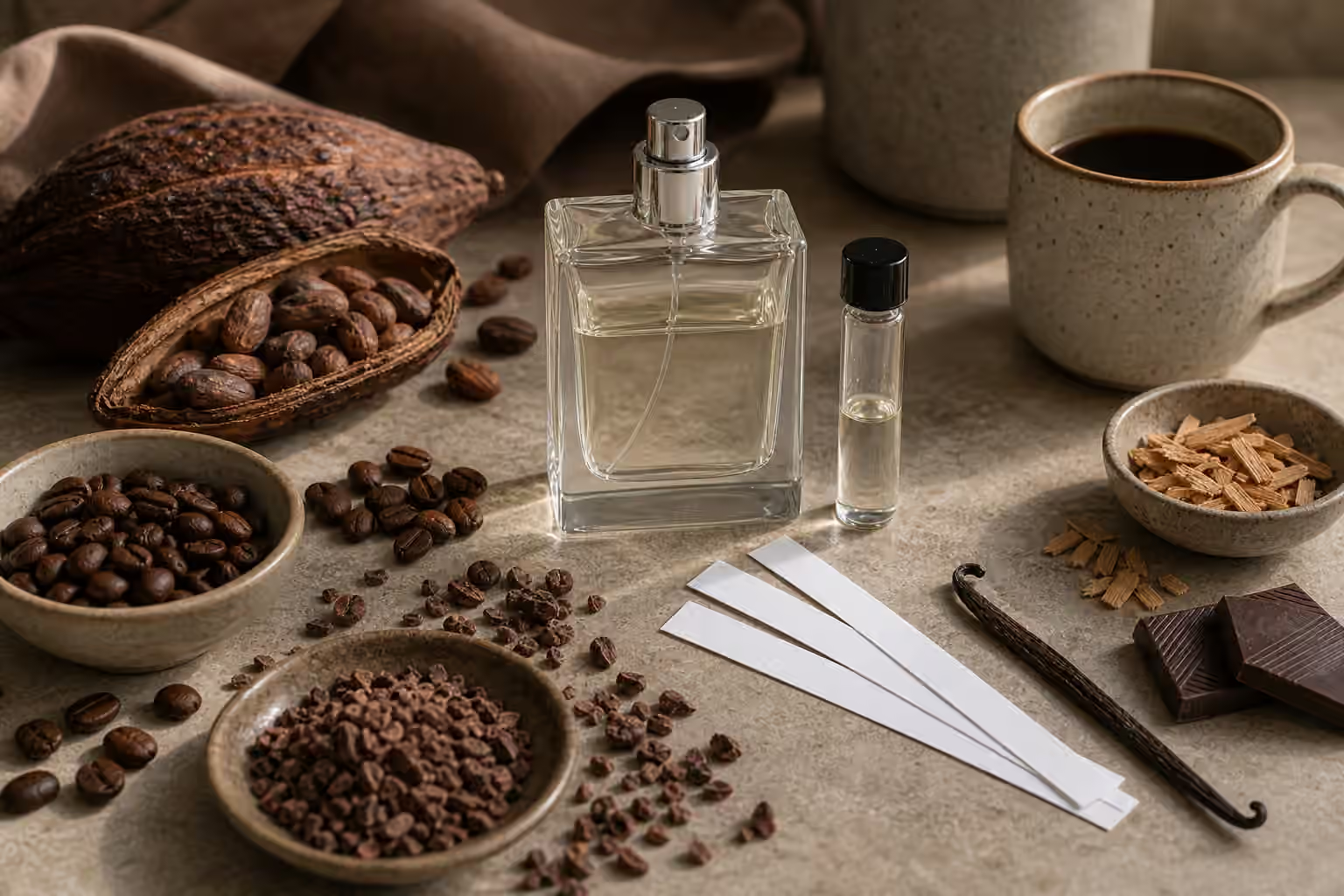
Coffee and cacao notes sit in the gourmand neighborhood, but they are not always sweet. They can smell roasted, bitter, dry, dusty, creamy, smoky, nutty, earthy, milky, or dark. They can make a fragrance feel like espresso, cocoa powder, chocolate, tiramisu, roasted beans, a cafe table, or a bitter shadow under vanilla and woods. When handled carefully, they give edible warmth a backbone. When handled without contrast, they can become syrup, candle, or dessert sauce.
The broader Gourmand Scents guide covers edible notes as a family. Coffee and cacao deserve their own page because they are the materials that often make gourmand perfumes feel grown up. Sugar attracts attention, but bitterness creates shape. A coffee note can make vanilla less soft. A cacao note can make patchouli feel plush. A roasted facet can keep amber from becoming too smooth. These notes are not only flavors. They are textures.
Coffee can be roasted, creamy, or smoky
Coffee in perfume can go in several directions. A roasted coffee accord may smell like dark beans, espresso, toasted grain, smoke, or warm bitterness. A creamy coffee accord may suggest latte foam, milk, vanilla, tonka, or soft musk. A sweet coffee accord may lean toward caramel, praline, chocolate, or syrup. A dry coffee accord may sit closer to woods, tobacco, vetiver, or patchouli.
The roasted side is often the most useful because it creates contrast. Vanilla with roasted coffee feels different from plain vanilla. Amber with coffee feels less polished and more alive. Musk with coffee can become warmer and more intimate. Woods with coffee can feel like a cafe table rather than a forest. If you normally avoid sweet perfumes, a dry coffee note may give you gourmand comfort without too much sugar.
Coffee also has a timing problem. The opening can be vivid and exciting, but coffee notes sometimes fade into a more general warm base. That is not always a flaw. It may be the structure of the perfume. But if you are buying for the coffee effect, wear the sample long enough to see whether the note remains recognizable or simply introduces the fragrance.
Cacao is not always chocolate
Cacao can be bitter, powdery, dusty, nutty, earthy, or dark before it becomes chocolate. This distinction matters. A cacao fragrance may smell like cocoa nibs, unsweetened powder, roasted shells, dark chocolate, milk chocolate, or a velvety base under flowers and woods. The sweeter it gets, the more it needs structure. The drier it gets, the more it may need softness.
Patchouli often appears near cacao because it can share a dark chocolate facet. The Patchouli Scents guide explains how patchouli can smell earthy, woody, or cocoa-like. Together, patchouli and cacao can make a perfume feel deep and plush. They can also become heavy if amber, vanilla, and fruit are piled on without enough air.
Cacao works beautifully with rose, iris, tobacco, sandalwood, cedar, musk, orange, cardamom, and tea. Rose adds color. Iris adds powder. Tobacco adds dry warmth. Sandalwood adds cream. Cedar adds structure. Orange adds lift. Cardamom adds aromatic movement. Tea adds tannin. Those supporting notes decide whether cacao becomes candy, velvet, dust, or quiet bitterness.
Vanilla and tonka need a bitter counterweight
Coffee and cacao often sit beside vanilla and tonka because the combination is immediately comforting. The danger is obvious: everything can become too sweet. A perfume with vanilla, caramel, tonka, coffee, chocolate, and amber may smell delicious for ten minutes and exhausting for six hours. The solution is not to reject sweetness, but to give it edges.
Bitter coffee, dry cacao, cedar, patchouli, pepper, tea, musk, or vetiver can all create those edges. The guide to Vanilla and Tonka Scents is useful because vanilla is not one texture. It can be airy, dry, smoky, creamy, or sugary. Coffee and cacao can pull it toward the darker side. They can make vanilla feel like a bean, a roasted drink, or a soft wooden box rather than frosting.
If you love sweet gourmands, this contrast can make them more wearable. If you dislike sweet gourmands, it may reveal a part of the family you can enjoy. A dry cacao sandalwood or coffee vetiver may be more about warmth and shadow than dessert.
Woods make roasted notes wearable
Woody materials are important in coffee and cacao perfumes because they keep roasted notes from floating as novelty. Cedar can make coffee feel dry and tailored. Sandalwood can make cacao feel creamy and calm. Vetiver can make coffee rooty and bitter. Patchouli can make cacao darker. Oud-style woods can make chocolate feel dramatic, though that direction needs restraint.
This is where coffee and cacao connect to Sandalwood and Cedar Scents and Vetiver Scents . A coffee fragrance without a base can feel like a flavored opening. A coffee fragrance over woods can feel like something you wear. The wood gives the note a place to go after the first recognition passes.
Woods also help with season and setting. A sweet chocolate amber may feel best in cold air. A dry coffee cedar may work in a wider range of weather. A cacao musk may sit close enough for daytime if applied lightly. A coffee tobacco may be better for evenings or outdoor air. Materials are not only smells; they are behavior.
Florals can keep dark gourmands from becoming flat
Rose, orange blossom, iris, violet, jasmine, and heliotrope can all appear with coffee or cacao. Florals may sound surprising in an edible fragrance, but they add lift and complexity. Rose with cacao can feel dark and velvety. Orange blossom with coffee can feel bright and creamy. Iris with cacao can feel powdery and elegant. Violet with chocolate can become cosmetic and tender. Jasmine with coffee can be lush and unusual.
The trick is proportion. If the floral dominates, coffee or cacao may become a shadow. If the roasted note dominates, the floral may feel decorative. When balanced, the perfume gains movement. It smells less like a dessert and more like an atmosphere with edible warmth inside it.
This is a useful path for people who find straight gourmands too literal. A floral coffee or cacao scent may have enough perfume structure to avoid smelling like food. It may still be comforting, but it has petals, powder, or brightness to carry the sweetness away from the kitchen.
Sample for the drydown, not the craving
Coffee and cacao can create strong first reactions because they are familiar and pleasurable. A fragrance may make you want to buy it immediately because the opening smells like something you love. Slow down. Perfume is not a cup of coffee or a square of chocolate. You will wear it on warm skin, around other people, through hours of movement, fabric, meals, rooms, and changing air.
Check the middle and base. Does the coffee become stale, smoky, creamy, or vanish? Does the cacao become powdery, dusty, syrupy, or elegant? Does the sweetness stay balanced? Does the perfume cling to clothes in a way you enjoy? A scent that is charming on a blotter may become too dense under a coat. Another that seems quiet at first may become a beautiful roasted musk after an hour.
Coffee and cacao are best when they bring bitterness, texture, and warmth rather than only dessert. They can make a fragrance feel intimate, dry, plush, or comforting without losing structure. If you approach them as materials instead of cravings, they become much more useful. The question is not whether the perfume smells exactly like coffee or chocolate. The question is whether those roasted notes make the whole scent better to live with.