Coconut in perfume carries a lot of baggage. Some people hear the word and think of sweet suntan lotion, tropical cocktails, and loud summer scents. Others think of coconut milk, clean skin, white flowers, soft woods, or a creamy texture that makes a fragrance feel rounded. Both reactions make sense because coconut is not only a flavor. In fragrance it can be fruity, creamy, woody, musky, floral, lactonic, salty, or powdery depending on what surrounds it.
Lactonic is the broader idea. Lactonic notes suggest milk, cream, coconut, peach skin, apricot, fig sap, sandalwood creaminess, or a soft buttery roundness. They can make a perfume feel gentle and tactile. They can also become too thick if the composition lacks air. This guide belongs beside Gourmand Scents , but many coconut and lactonic scents are not trying to smell edible. They are trying to create softness.
Coconut can be fresh, creamy, or cosmetic
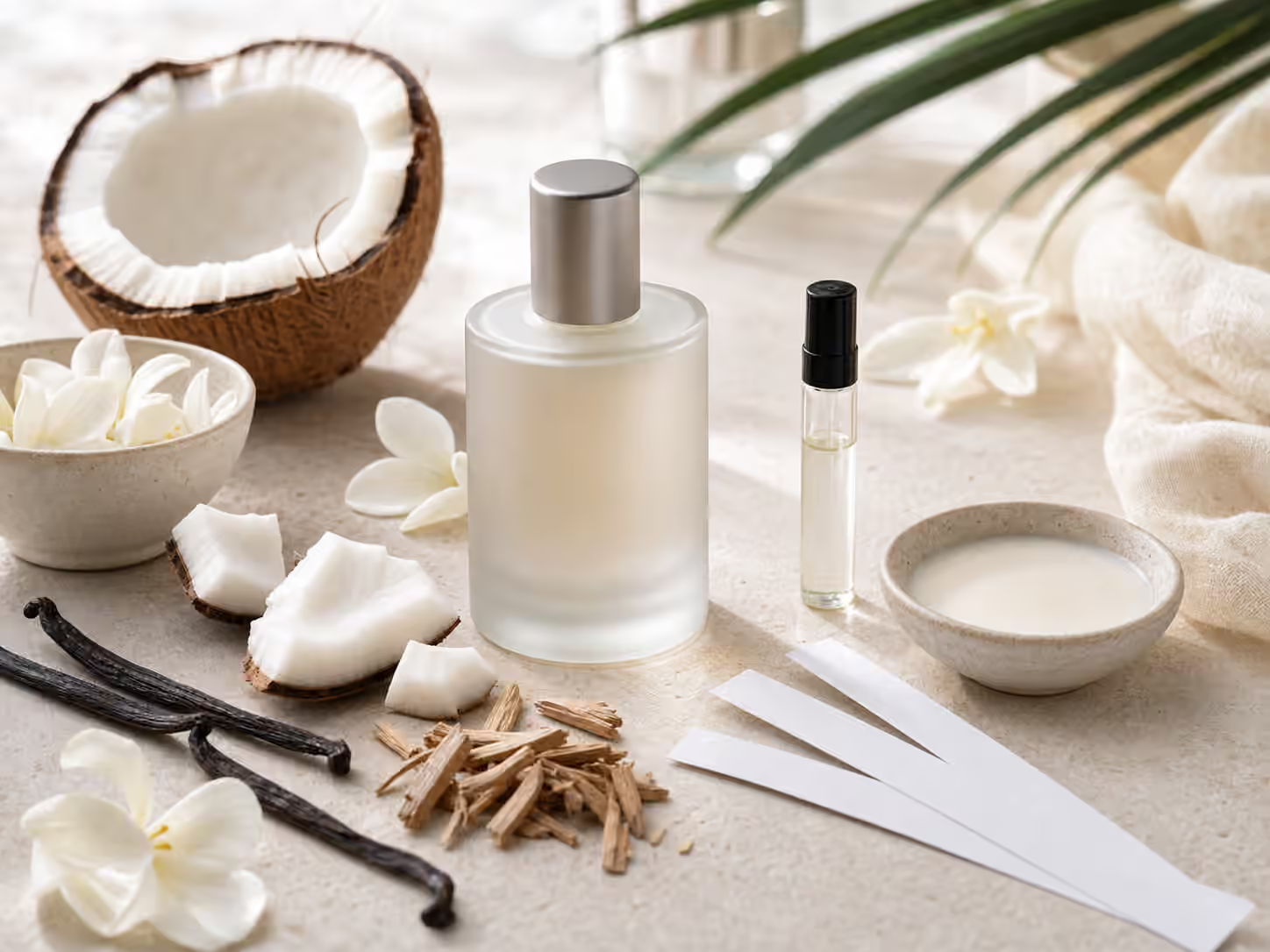
Coconut has several perfume personalities. Fresh coconut can feel watery, pale, and slightly green. Coconut milk can feel smooth and creamy. Toasted coconut can become nutty and gourmand. Coconut with white flowers can feel tropical and sunlit. Coconut with musk can feel like warm skin. Coconut with vanilla can become sweet and dessert-like. Coconut with sandalwood can become soft, woody, and more restrained.
The setting decides whether the note feels wearable or obvious. A coconut fragrance with pineapple, vanilla, and sugar may lean playful and edible. A coconut fragrance with fig leaf, cedar, iris, and musk may feel quiet and shaded. A coconut white floral may feel lush. A coconut amber may feel warm and dense. Do not judge the whole family from one style.
If the common suntan-lotion association bothers you, look for bitterness, green notes, woods, musk, or tea. Those materials can pull coconut away from sweetness and toward texture. If you love the sunny association, look for orange blossom, ylang-ylang, tiare-style florals, vanilla, salt, and soft amber. The note is flexible enough to serve either direction.
Lactonic texture is more than milk
Lactonic materials can make a perfume feel smooth, creamy, peachy, coconut-like, milky, or softly fruity. They are common in peach, apricot, fig, tuberose, sandalwood, and many modern musks. The effect can be subtle. Sometimes you do not smell milk as a note. You simply notice that the fragrance has rounded edges.
This texture is useful because perfume can become too sharp without softness. Citrus may need cream to keep from vanishing. White florals may need lactonic body to feel plush. Woods may need creamy materials to feel polished rather than dry. Musk may need a milky curve to feel like skin. The danger is that too much lactonic texture can feel heavy, waxy, or bland.
The guide to Fig Leaf and Milky Scents is a natural companion because fig often uses milky effects in a green context. Fig cream feels shaded and botanical. Coconut cream may feel tropical, cosmetic, or gourmand. Peach and apricot cream may feel fruity and soft. The same broad texture behaves differently depending on the note family around it.
White florals can make coconut bloom
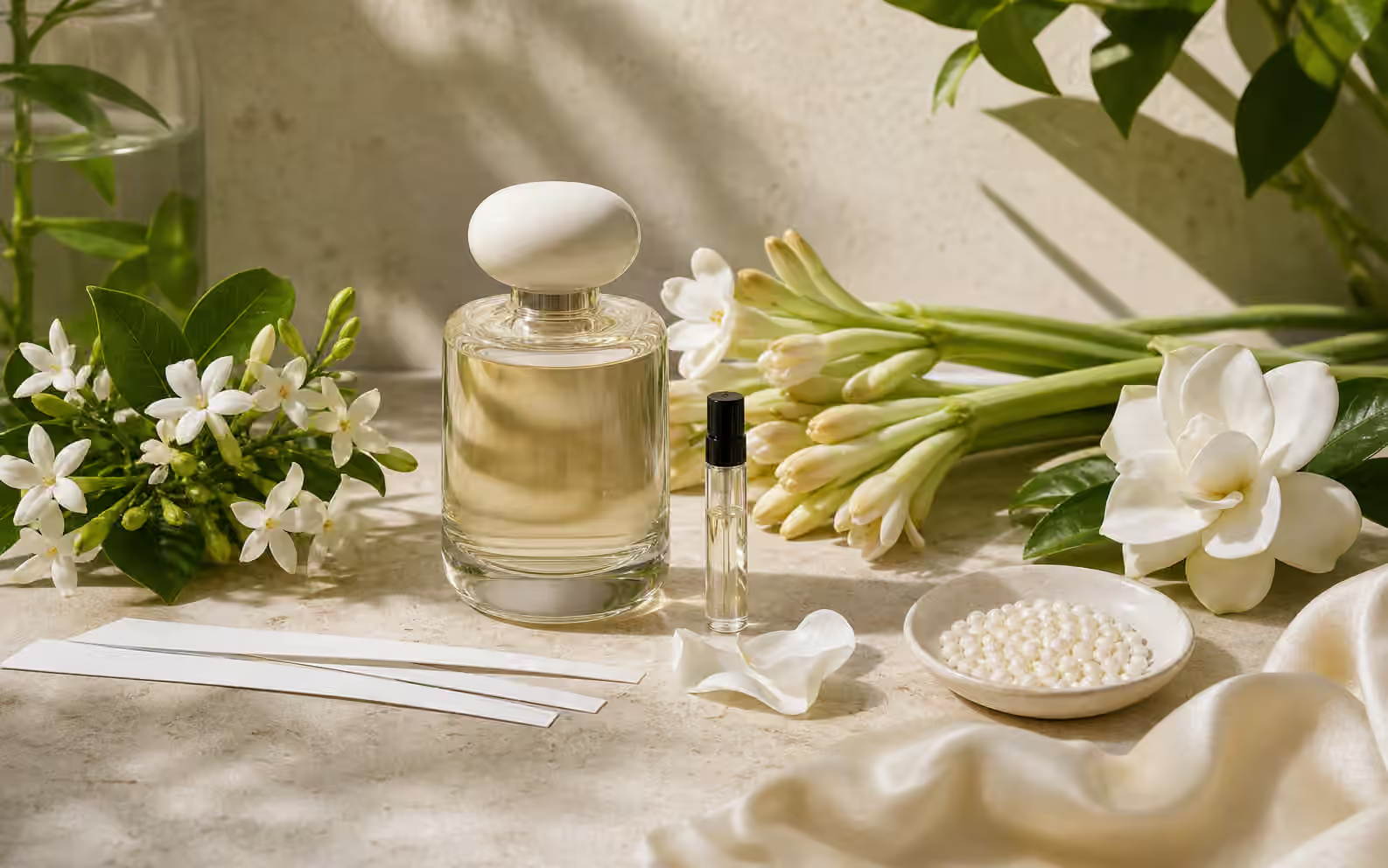
Coconut often appears with white florals because they share creamy, solar, and skin-like facets. Tuberose can make coconut lush and dramatic. Jasmine can make it humid and floral. Orange blossom can make it clean and sunny. Ylang-ylang can make it tropical and rich. Tiare-style accords often combine creamy petals with coconut-like warmth.
This can be beautiful, but it needs restraint. White Floral Scents already have volume. Add coconut, and the fragrance may become more enveloping. A white floral coconut that feels radiant on a blotter may fill a room on skin. Heat can make the creamy side expand. In a small space, one spray may be plenty.
Green or citrus accents can keep the bloom from becoming too thick. Bergamot, petitgrain, neroli, fig leaf, green tea, or watery notes can open the scent. Woods can keep the base from turning syrupy. Musk can make the coconut feel clean and close. Without contrast, creamy tropical florals can become a single sweet cloud.
Sandalwood, musk, and vanilla change the message
Sandalwood is one of coconut’s best partners because it can echo creaminess without making the perfume smell edible. A sandalwood coconut may feel smooth, quiet, and warm. Cedar can make coconut drier. Vetiver can add rooty contrast. Pale woods can make the whole composition feel more polished. The guide to Sandalwood and Cedar Scents helps explain how different woods change softness.
Musk makes coconut more personal. Clean musk can turn it into a fresh skin scent. Warm musk can make it softer and more intimate. Powdery musk can push it toward cosmetics. A coconut musk may be easy to wear if the sweetness stays low, but musk can also make the drydown persistent. Test before assuming it is quiet.
Vanilla makes coconut sweeter and more familiar. That can be comforting, especially in cool weather, but it can also erase nuance. Coconut plus vanilla plus amber may be pleasant but heavy. Coconut plus vanilla plus woods may be more balanced. If you enjoy Vanilla and Tonka Scents , pay attention to whether coconut adds texture or simply doubles the sweetness.
Sampling creamy scents carefully
Coconut and lactonic notes can change dramatically on skin. A blotter may show the creamy opening, but skin heat decides whether the scent becomes soft, sour, sweet, powdery, or musky. Try one at a time. Creamy notes can blur together, and testing several may leave your nose tired. The method in How to Sample Fragrances is especially useful because you need to know the drydown.
Write plain observations. Coconut milk, toasted coconut, suntan lotion, white flowers, green fig, creamy sandalwood, clean skin, vanilla sweetness, too waxy, and soft musk are all useful. These notes will show whether you dislike coconut itself or only sugary coconut. They may also reveal that you enjoy lactonic texture in fig, peach, or sandalwood even if obvious coconut is not your style.
Fabric needs care. Coconut, musk, vanilla, and white florals can linger on clothes. A creamy scent on a scarf may remain for days and become sweeter as the top notes fade. If you enjoy that, it can be lovely. If you rotate fragrances often, it can be inconvenient. Test on skin first, then decide whether fabric wear makes sense.
Where coconut belongs in a wardrobe
Coconut and lactonic scents are useful when you want softness without necessarily wearing a dessert fragrance. A sheer coconut musk can be a warm-weather skin scent. A green fig coconut can feel shaded and fresh. A sandalwood coconut can be comforting and quiet. A white floral coconut can be radiant and dressed. A vanilla coconut can be cozy when you want obvious warmth.
They are less useful when you want crispness, austerity, or a fragrance that disappears completely. Cream creates presence. Even when a lactonic scent is subtle, it leaves a texture. In close spaces, use the same caution described in Close-Space Fragrance . Soft does not always mean invisible.
The best coconut fragrances keep some air around the cream. They use leaf, citrus, tea, salt, musk, or wood to stop the note from collapsing into sweetness. When that balance works, coconut becomes less of a postcard and more of a material: pale, smooth, warm, and quietly tactile.