The best close-space fragrance is discovered, not announced.
Someone should not know you arrived from across the room. They should notice only when they are already near you, and even then the scent should feel like part of your presence rather than an event that happened to the air. This is the difference between wearing fragrance and occupying shared space with fragrance.
Close spaces include offices, classrooms, trains, planes, elevators, small shops, shared homes, rideshares, waiting rooms, theaters, and dinner tables. They are places where people cannot easily move away. That changes the rules. A perfume that feels beautiful on a walk outside may become too much in a conference room. A body mist that seems harmless at home may turn loud after repeated spraying. A rich amber that feels cozy in winter may become oppressive in a heated car.
This does not mean fragrance has no place in close spaces. It means the fragrance has to understand the room.
Projection is the real etiquette
People often talk about fragrance etiquette as if the only question is whether a perfume is good or bad. The more useful question is projection: how far the scent travels and how long it stays noticeable.
Projection is not the same as quality. Some excellent perfumes project strongly. Some inexpensive mists disappear quickly. Some oils stay close. Some fresh scents seem quiet at first and then bloom in warm rooms. Some musks become nearly invisible to the wearer while remaining obvious to everyone else. Your own nose is not a reliable judge after the first hour because nose fatigue can make a scent feel gone when it is still present.
In a close space, the goal is a smaller scent bubble. The fragrance should live near the body. It should not fill an elevator after you leave. It should not compete with food. It should not become the first thing a coworker learns about your morning. Restraint is not a lack of taste. It is part of taste.
Skin scents are built for nearness
Skin scent is a loose term, but it is useful. It describes fragrances that stay close and feel intimate rather than expansive. They may use soft musks, pale woods, light ambers, tea notes, clean florals, rice steam, iris, gentle citrus, transparent vanilla, or mineral notes. They often smell like warm fabric, clean skin, paper, lotion, rain, or quiet wood rather than a full bouquet or dessert tray.
The appeal is not that they are boring. It is that they reward proximity. A good skin scent does not need to perform for the whole room. It creates a private atmosphere. That makes it well suited to workdays, study sessions, travel, and shared spaces where a larger perfume would feel inconsiderate.
Perfume oils can also help because many wear close to the skin, though not all oils are subtle. Rollerballs make placement easier. A light dab on pulse points or beneath clothing can keep the scent personal. Body mists can be close-space friendly too, but only if used with restraint. Reapplying a mist every hour can create more atmosphere than one careful spray of a perfume.
The category matters less than behavior. A spray can be gentle. An oil can be loud. The room decides.
Application is half the fragrance
Close-space fragrance begins with less.
One spray under clothing can be enough. A small dab from a rollerball can be enough. Fragrance applied to the chest under a shirt often diffuses more softly than fragrance sprayed onto exposed wrists and waved through the air all day. Scent on a scarf or sweater can last, but that also means it may linger longer than intended. Hair can hold fragrance strongly, especially in warm rooms. Freshly moisturized skin can make perfume last longer, which is useful, but it also means you should not automatically apply the same amount you use on dry skin.
Distance matters too. A spray close to the skin creates a wetter, more concentrated spot. A spray from farther away spreads the fragrance more widely. For close spaces, the answer depends on the perfume. Some scents behave better as one controlled spray on the torso. Others are better dabbed from a sample or rollerball. If you are testing, do it on a day when you can notice the drydown before bringing it into a crowded room.
The safest habit is to apply earlier than you leave. Give the opening a chance to settle. Many fragrances are loudest in the first twenty minutes. What feels office-safe after an hour may be too sharp in the elevator if you spray at the door.
Notes that behave well and notes that need caution
No note is automatically rude, but some families require more care.
Soft musks, tea, light woods, gentle citrus, airy florals, clean iris, subtle green notes, and mild fig can work beautifully in close spaces. They tend to create shape without overwhelming the room. Transparent vanilla or tonka can be comforting if used lightly. Pale sandalwood can feel polished and calm. A little lavender can be clean without becoming detergent-like.
Heavier notes need more judgment. Dense oud, strong patchouli, syrupy amber, smoky leather, heavy incense, big white florals, powerful marine notes, sharp aromatics, and very sweet gourmands can travel. They may be gorgeous, but a close space magnifies them. Heat, humidity, body temperature, and fabric can make them bigger than expected.
This does not mean you must wear only quiet clean scents to work. It means you should know the strength of what you own. A dramatic perfume can become close-space friendly when applied as the smallest trace. A polite perfume can become annoying when oversprayed.
The shared room has a vote
Fragrance is personal, but air is shared.
That sentence is the heart of close-space fragrance. You may love a scent for good reasons. It may remind you of someone, complete your outfit, calm you down, or make an ordinary day feel more deliberate. Other people may still experience it as too much. Some may have migraines, allergies, asthma, sensory sensitivities, pregnancy-related nausea, or simply different taste. Their reaction does not make your fragrance bad. It means the setting has limits.
Workplaces and schools may have formal scent policies. Follow them. In homes, ask if someone is sensitive before turning fragrance into a daily atmosphere. On planes and trains, assume less is better. At restaurants, keep scent low enough that food remains the main aroma. At medical appointments, skip fragrance or keep it nearly invisible. None of this requires fear. It requires situational awareness.
The most elegant fragrance wearer is not the person with the most noticeable trail. It is the person whose scent fits the distance.
Build a close-space tray
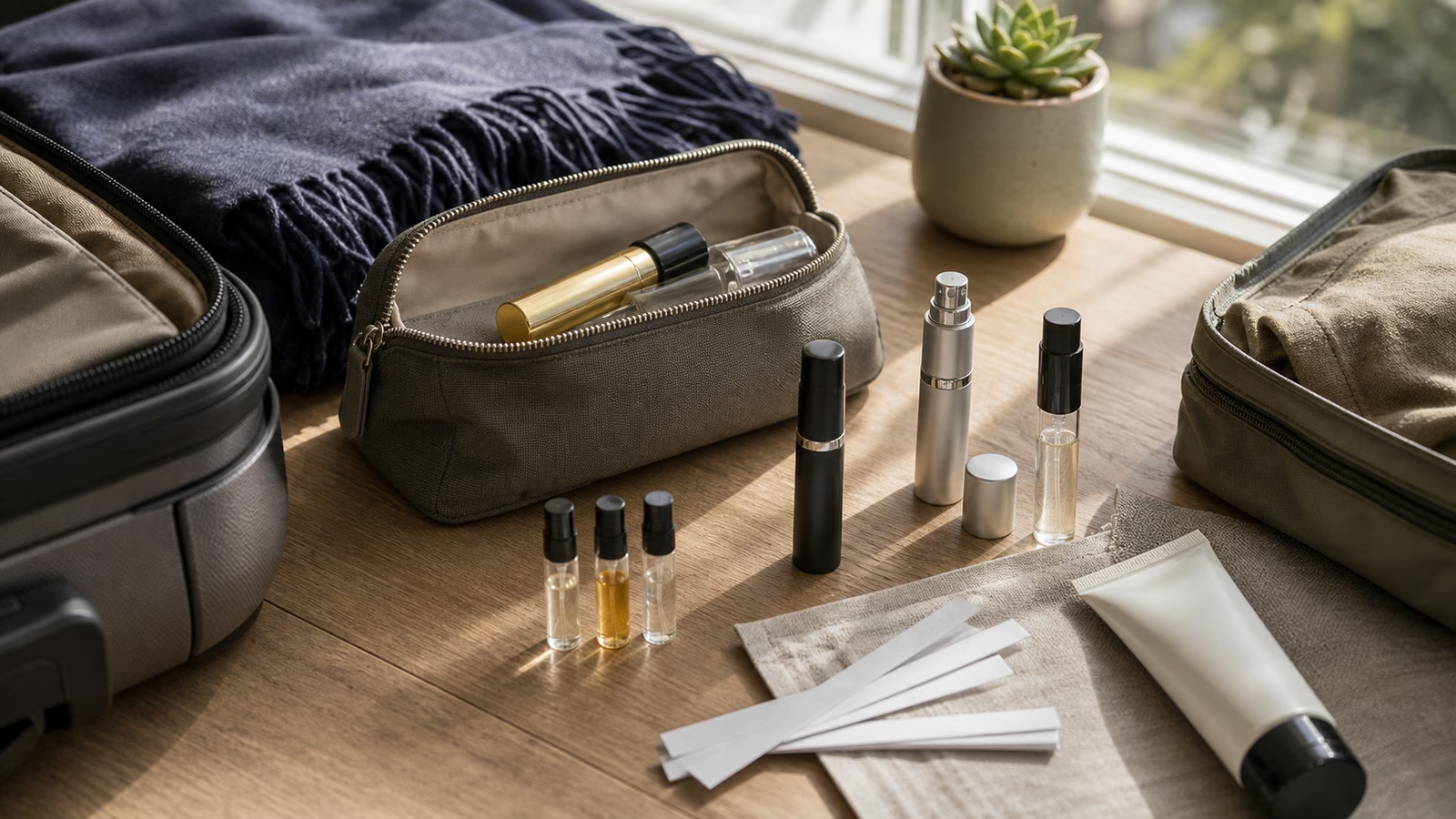
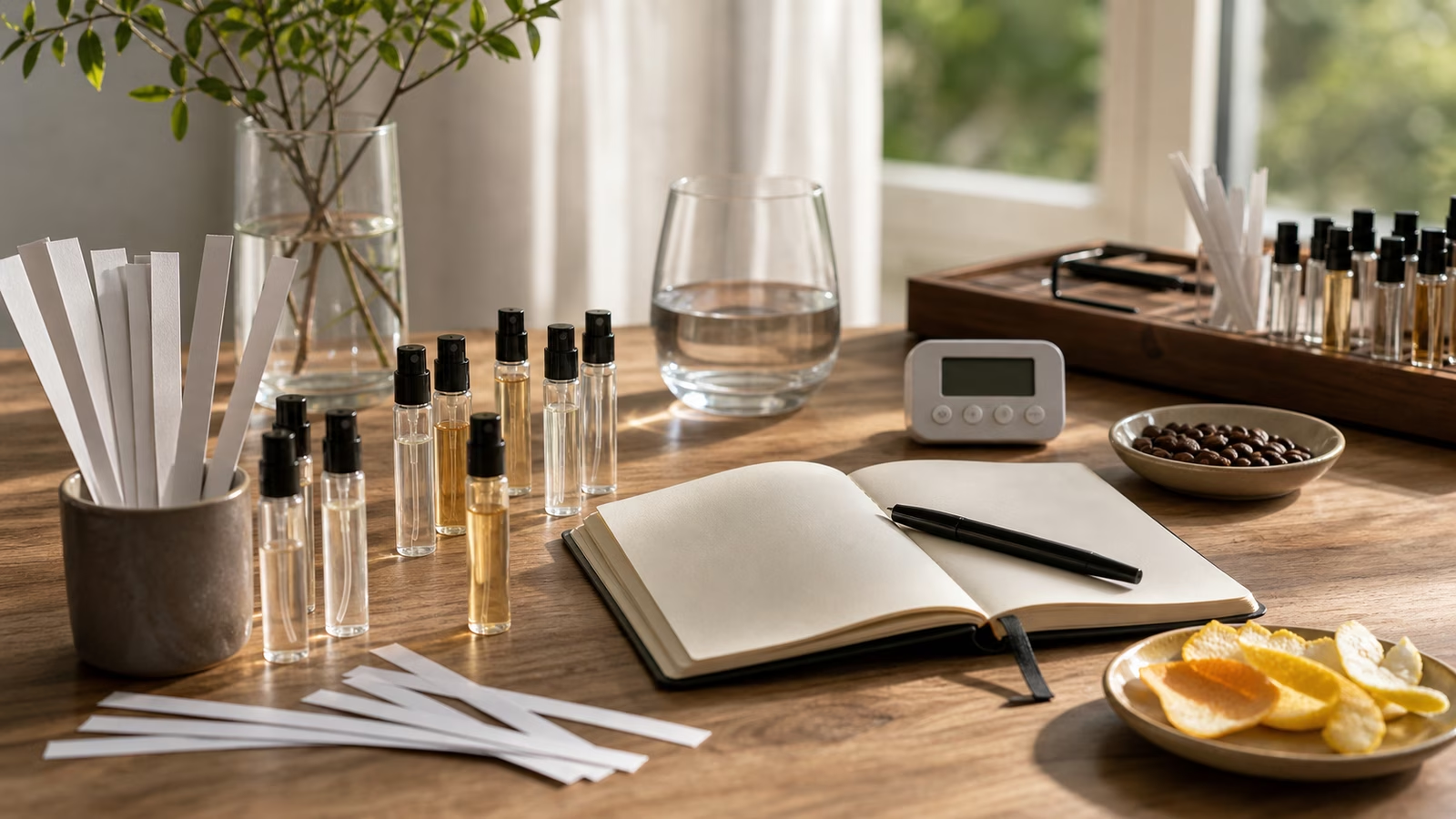
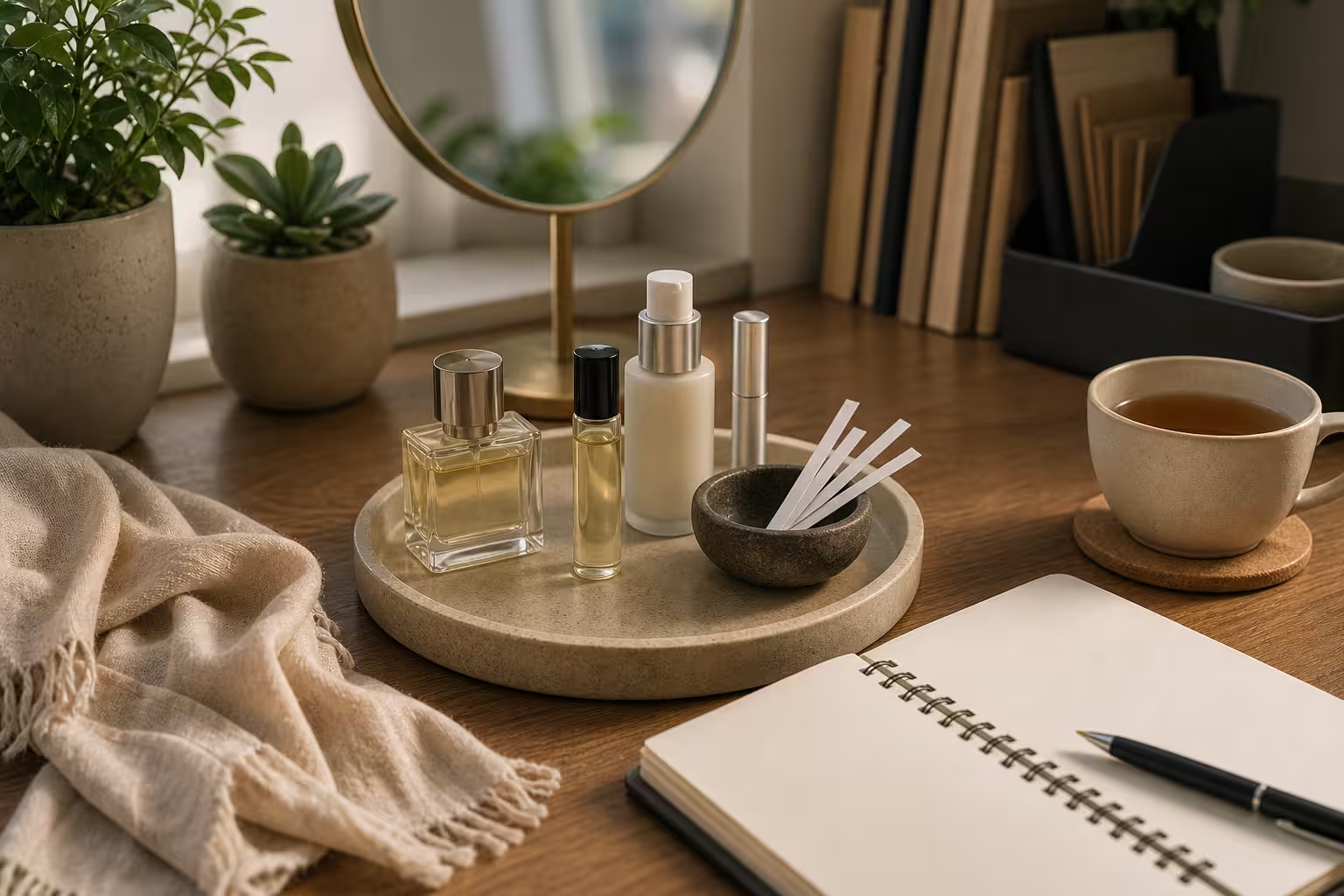
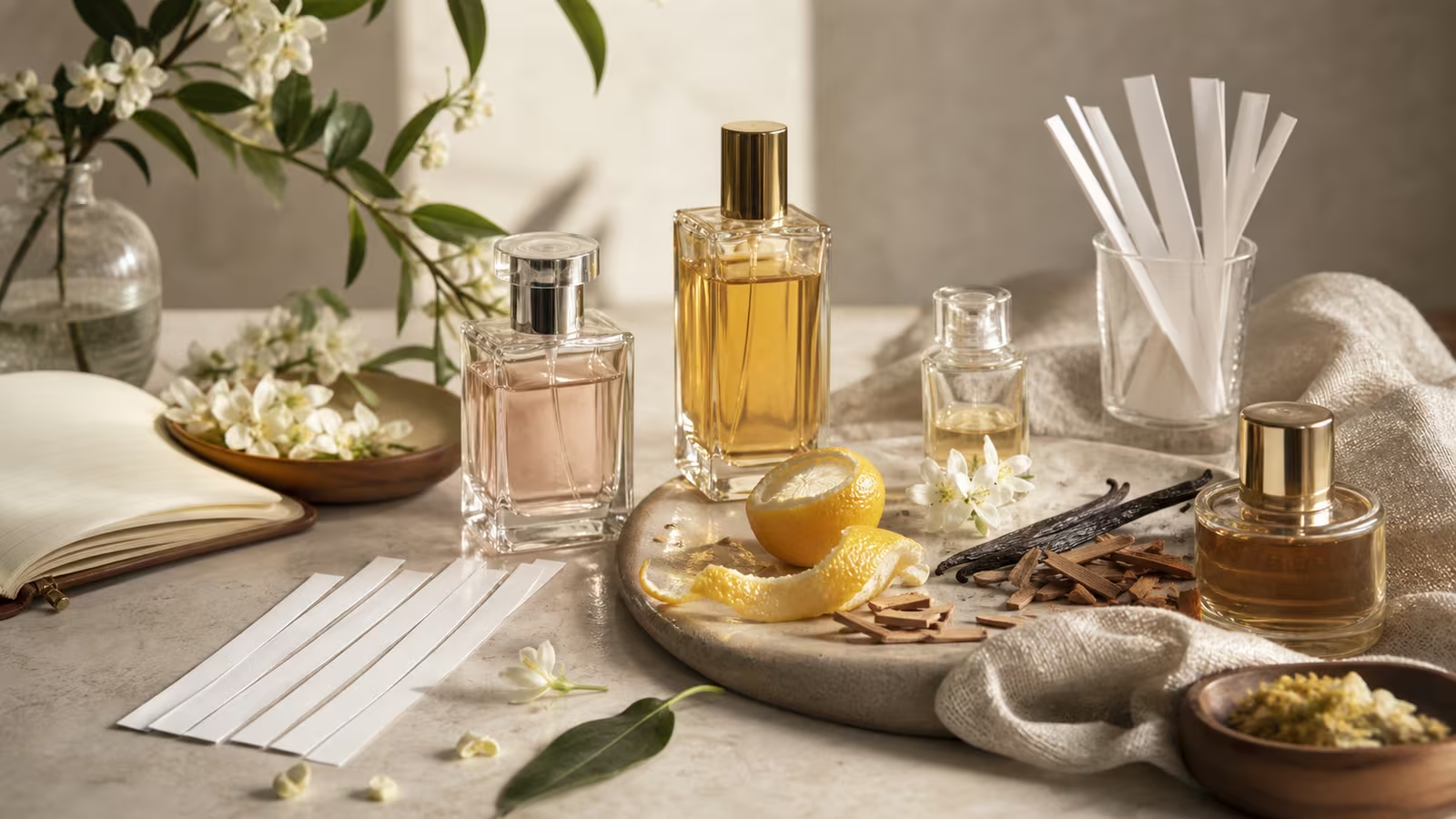
A close-space tray should be small and practical. Keep one soft spray, one rollerball or oil, one unscented lotion, and a few blotters or sample cards. The lotion helps skin hold scent without adding another competing smell. Blotters help you test before committing. A scarf or fabric scrap can teach you how a scent clings to clothing. A notebook helps you remember which perfumes seemed quiet but bloomed later.
The tray is not about collecting more bottles. It is about learning behavior. Which scent stays close? Which one becomes too sweet after two hours? Which one smells clean at home but sharp under office lights? Which one works in cold weather but not on a crowded train? Those observations are more useful than any list of “office-safe” perfumes because skin, climate, and rooms differ.
The quiet finish
Close-space fragrance is not a downgrade from dramatic perfume. It is a different craft.
There are days for projection, evening air, outdoor events, celebration, and scent that announces itself. There are also days for nearness. A close-space scent can make a workday feel composed, a commute feel less anonymous, a study session feel calmer, or a shared home feel gently cared for. The pleasure is still there. It is simply held closer.
The right question is not, “Will people smell me?” It is, “At what distance should this fragrance begin?”
Answer that well, and fragrance becomes easier to live with, both for you and for everyone sharing the room.