Chypre and fougere are two perfume words that can make fragrance feel more complicated than it needs to be. They are not single ingredients, and they are not moods in the simple way that fresh, floral, woody, or gourmand can be. They are structures: ways of arranging brightness, texture, and drydown so a perfume has a recognizable shape. Once you understand that shape, many fragrances that seemed mysterious begin to make sense.
A chypre usually leans on contrast. It often opens with citrus, moves through flowers, fruit, herbs, or patchouli, and settles into a mossy, woody, sometimes leathery base. A fougere usually suggests a dressed, aromatic freshness built from lavender, herbs, coumarin, moss, woods, and clean or warm accents. The classic versions have long histories, but the useful lesson for a beginner is not memorizing history. It is learning why these styles feel composed, polished, and built on a spine.
Chypre is contrast, not just moss
The word chypre is often explained through a classic formula: citrus at the top, floral or aromatic material in the middle, and oakmoss, labdanum, patchouli, or woods in the base. That formula is useful, but it can also make chypre sound like a recipe card. In real wearing, chypre is better understood as a tension between light and shadow. The opening may sparkle with bergamot or another citrus note. The heart may feel floral, green, fruity, spicy, or dry. The base then pulls the fragrance toward earth, moss, wood, leather, resin, or a cool kind of darkness.
That contrast is what makes chypres feel elegant even when they are not formal. A simple citrus scent may stay bright. A simple woody scent may stay grounded. A chypre gives you both, with the bright opening set against a dry base that keeps the perfume from floating away. If the Fresh Scents guide teaches the pleasure of air, a chypre teaches what happens when air meets shade.
Moss matters because it creates that shaded impression. Oakmoss-style accords can feel damp, green, bitter, forested, mineral, or softly leathery. Modern perfumery uses these effects in varied ways, partly because materials and regulations have changed over time. You do not need to know the technical details to smell the effect. A mossy base can make citrus feel tailored, rose feel deeper, fruit feel less sugary, and patchouli feel more composed. It adds floorboards under the perfume.
The modern chypre family is broad
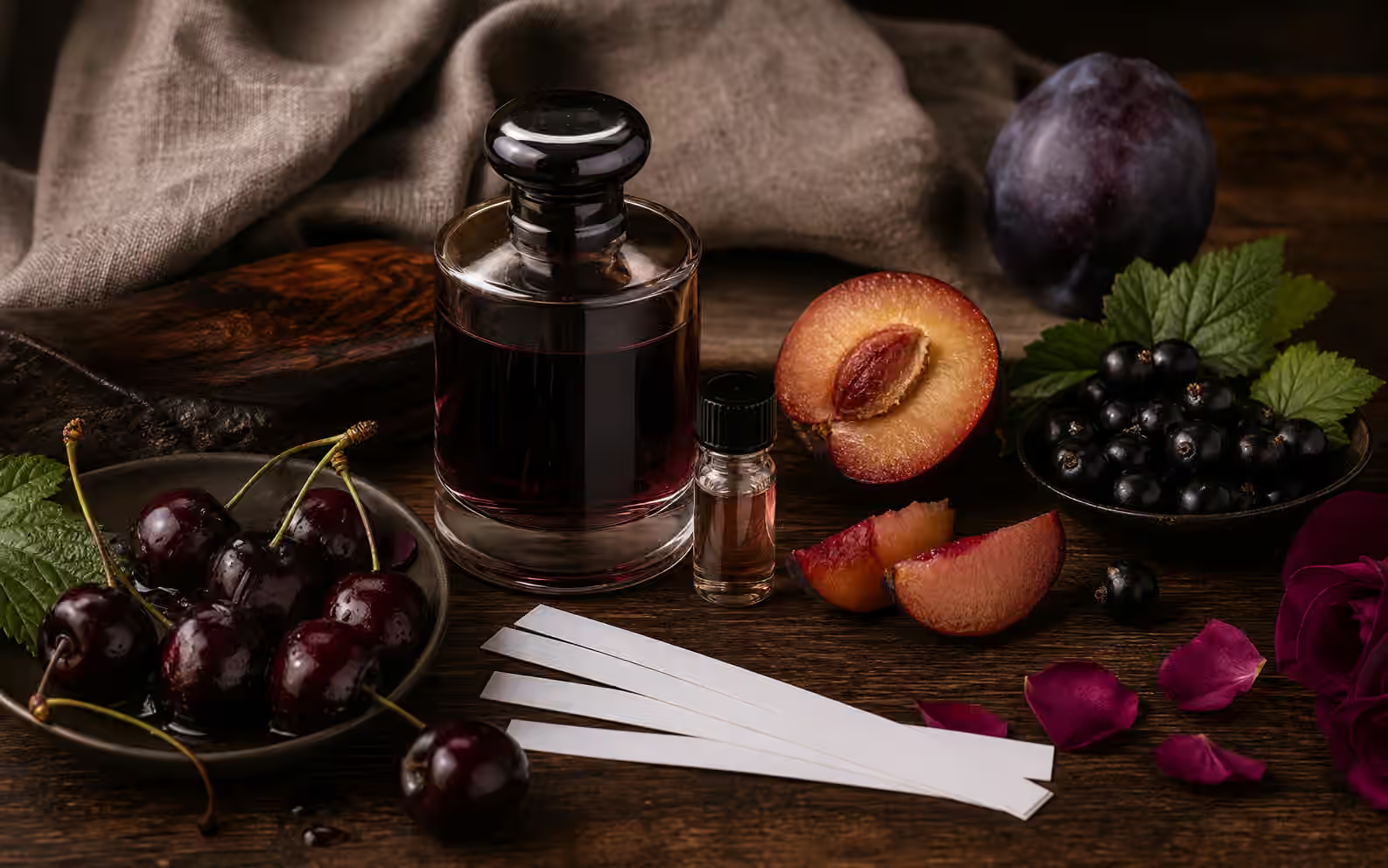
Some chypres are unmistakably green and austere. They can smell like bitter leaves, dry moss, pressed flowers, citrus peel, and old-school powder. Others are fruity, with peach, plum, blackcurrant, or modern berry effects resting on patchouli and mossy woods. Some are floral chypres, where rose, jasmine, iris, or white flowers sit over a dry base. Others are leather chypres, where the mossy structure becomes darker, smoky, or suede-like.
This variety is why beginners sometimes miss chypre as a family. Two chypre-inspired fragrances may not smell alike at first. One may seem bright and green. Another may seem fruity and glamorous. Another may seem dry, bitter, and almost severe. The family link is the structure beneath the surface: a sense of brightness being pulled toward a textured base. The perfume does not simply sweeten, clean up, or become creamy. It gains tension.
Patchouli is often part of that tension. In a chypre setting, patchouli may not smell like a damp earth note standing alone. It may act as depth, helping fruit, flowers, and citrus last while giving the fragrance a darker center. Labdanum can add resinous warmth and a leathery hum. Woods can make the base feel dry and architectural. Musks can soften the whole thing so the composition wears closer to modern skin. If Woody Scents already appeal to you, chypres are a natural next area because they show how woods and moss can behave as structure rather than scenery.
Fougere is aromatic architecture
Fougere means “fern-like,” but a fougere fragrance does not literally smell like a fern. It is an aromatic structure usually associated with lavender, herbs, coumarin, moss, woods, and a clean or warm base. Many shaving fragrances, barbershop scents, aromatic masculines, and crisp dress-shirt perfumes borrow from this idea. That association can make fougere sound gendered, but the structure itself is just a language of freshness, herb, softness, and base.
Lavender is often the opening clue. It can smell clean, herbal, floral, cool, sweet, or slightly camphor-like. In a fougere, lavender is rarely alone. It may be sharpened by bergamot, mint, rosemary, basil, clary sage, or other aromatic notes. It may be softened by coumarin, which can suggest tonka bean, hay, almond, fresh tobacco, or powdery warmth. It may be grounded by moss, vetiver, cedar, patchouli, or modern amber woods.
The result is a fragrance that feels groomed. That does not mean stiff. A fougere can be casual, relaxed, sporty, clean, smoky, sweet, metallic, or soft. But it often has the feeling of having been combed into place. The herbs lift. The lavender cools. The coumarin rounds. The base gives firmness. Compared with many fresh fragrances, fougeres usually have more depth. Compared with many ambers, they usually have more air.
Why fougeres can smell clean and warm at once
One reason fougeres remain useful is that they solve a common fragrance problem: how to smell fresh without smelling thin. Citrus alone can vanish quickly. Clean musk can be comfortable but plain. Aquatic freshness can feel too sharp to some noses. A fougere can feel fresh in the opening and still have a lasting drydown because the aromatic materials are tied to woods, moss, tonka-like warmth, or musks.
This balance is especially helpful in everyday wear. A light fougere can work like a polished shirt: clean enough for daytime, structured enough for a dinner, and familiar enough not to confuse the room. Heavier fougeres can become darker, sweeter, or more dramatic, especially when they use amber, tobacco, leather, incense, or strong woody materials. The family has quiet versions and loud versions, just as florals and gourmands do.
If lavender has ever seemed too medicinal, a fougere may still work because the surrounding materials change the meaning of the note. Bergamot can brighten it. Tonka-like warmth can soften it. Moss can make it more natural and less soapy. Woods can make it feel tailored. On the other hand, if you dislike aromatic herbs in food, you may find some fougeres too herbal or barbershop-like. The only reliable answer is skin testing, ideally with space between samples.
How chypre and fougere differ in wear
Chypre usually feels more about contrast and shadow. Fougere usually feels more about aromatic freshness and grooming. A chypre may begin brightly but often becomes mossy, dry, floral, fruity, leathery, or patchouli-rich. A fougere may begin with herbs and lavender, then settle into coumarin warmth, woods, moss, musk, or amber. Both can be elegant. Both can be modern or traditional. Both can be light or strong. The difference is the kind of movement they create.
A useful image is clothing. A chypre can feel like a silk scarf over a dark coat, or citrus peel crushed under polished leather soles, or flowers placed on a mossy windowsill. A fougere can feel like a clean collar, lavender soap, brushed wool, green herbs in morning air, or a shaving brush drying near cedar. Those images are imperfect, but they help because these families are less about single notes than about the way notes stand together.
They also handle sweetness differently. Chypres can include fruit and still feel dry because moss, patchouli, woods, or leather keep the sweetness from turning syrupy. Fougeres can include tonka-like sweetness and still feel fresh because lavender and herbs keep the structure lifted. If Gourmand Scents teach comfort through edible notes, these families show how sweetness can be disciplined by green, aromatic, and woody materials.
Sampling these styles without forcing a verdict
Chypres and fougeres are not always immediate crowd-pleasers on a blotter. Their best moments may come after the opening settles and the structure appears. A chypre may seem sharp at first, then become elegant after the mossy base arrives. A fougere may seem like plain lavender in the first minute, then turn warmer, cleaner, or more interesting as coumarin and woods come forward. Give them time before deciding.
The advice from How to Sample Fragrances matters here because these styles can be ruined by crowding. Do not test three mossy bases and two lavender aromatics on the same arm and expect clear notes. They will blur into a dense drydown. Try one chypre or one fougere on skin, then return to it after twenty minutes, one hour, and several hours. Notice the opening, the moment when the heart gains shape, and the final base.
It also helps to compare across gentle examples. For chypre, try a green version, a floral version, and a fruit-patchouli version on different days if you can. For fougere, try a clean lavender aromatic, a warmer tonka-lavender style, and a darker woody version. You are not looking for the most historically correct bottle. You are looking for the version that makes sense on your skin, in your clothes, and in your usual spaces.
Where they fit in a small wardrobe
These families are useful because they bring structure without requiring heaviness. A soft chypre can be a polished work scent if the projection is modest. A mossy floral chypre can dress up simple clothes without smelling sweet. A fruity chypre can feel more grown and textured than a straightforward fruit perfume. A light fougere can be a clean daily scent with more character than plain laundry musk. A warmer fougere can be an easy evening fragrance when amber feels too thick.
They also teach restraint. Many chypres and fougeres have materials that carry on fabric and in shared air, especially mossy bases, patchouli, coumarin, lavender, amber woods, and musks. The Projection and Sillage guide is useful beside this one because these structures can feel controlled to the wearer while still leaving a clear trail. Start with a moderate application and learn how the drydown behaves.
Chypre and fougere are worth learning because they make fragrance less flat. They show that perfume can be built like a sentence, with brightness, pause, emphasis, and memory. They also explain why some scents feel quietly dressed even when the notes look simple. You may not end up wearing many classic examples, and that is fine. Once you can recognize mossy contrast and aromatic architecture, you will understand a large part of perfume language that sits underneath modern fresh, floral, woody, and amber styles.