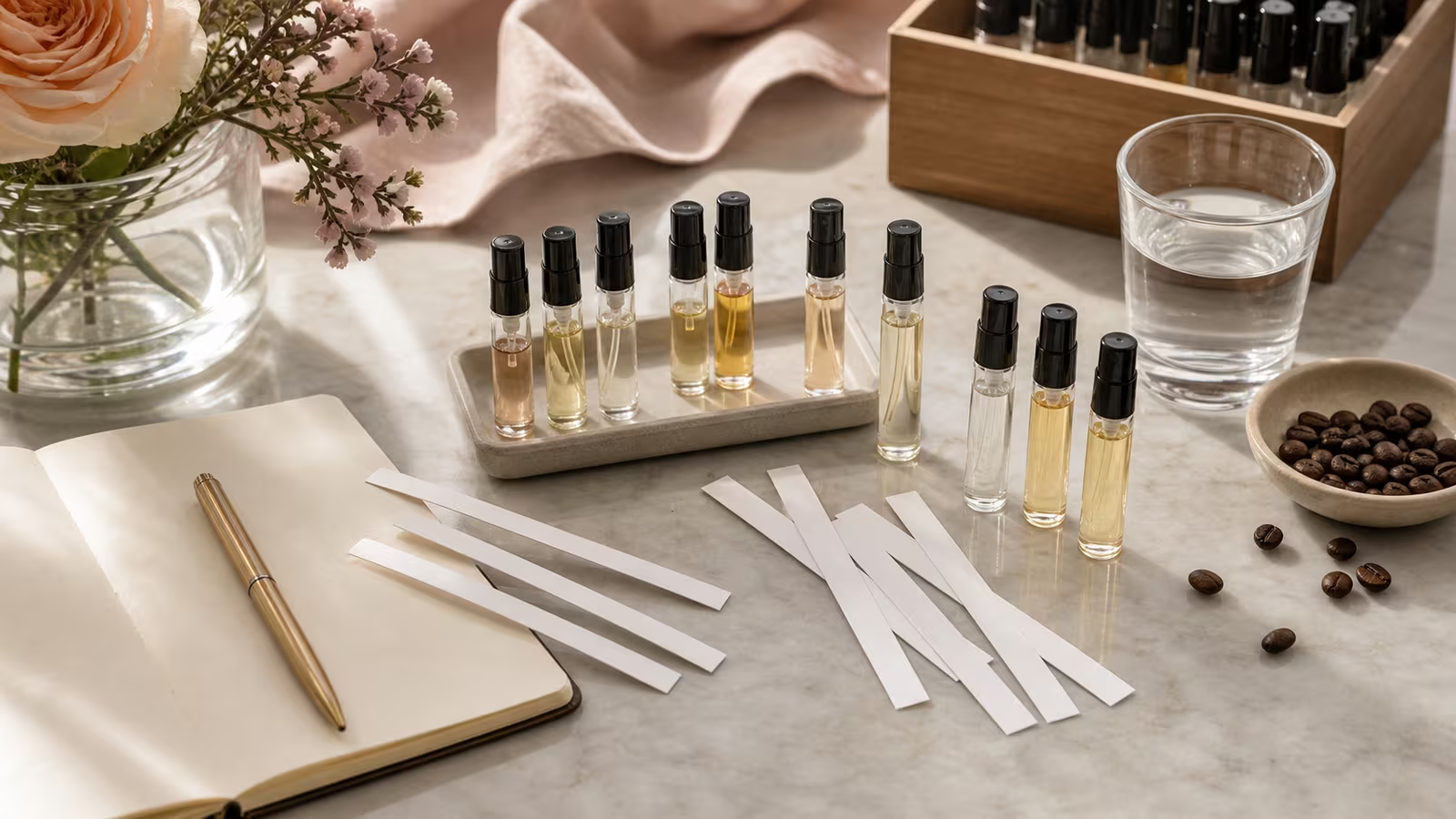
Fragrance is a personal gift because it sits close to the body, follows someone through rooms, and becomes attached to memory. That intimacy is what makes it appealing. It is also what makes it risky. A perfume can be beautiful, expensive, praised, and completely wrong for the person receiving it. The goal is not to prove your taste. The goal is to give someone a better chance of enjoying scent on their own skin, in their own routines, at their own distance.
The safest fragrance gifts are usually not dramatic full bottles chosen from a note list. They are samples, discovery sets, travel sprays, body mists, oils, or carefully chosen small formats that leave room for preference. A gift should feel like permission to explore, not like a scented obligation.
Start with evidence, not fantasy
It is tempting to imagine what someone should smell like. That path often leads to the giver’s fantasy rather than the recipient’s life. Better evidence comes from what the person already wears, keeps, avoids, or comments on. Do they use unscented lotion or strongly scented body care? Do they enjoy candles, incense, fresh laundry scents, citrus shower gels, vanilla body mists, woody soaps, or herbal teas? Do they avoid fragrance around work or family? Do they mention headaches, allergies, sensory sensitivity, or shared-space rules?
Those clues matter more than personality shortcuts. A quiet person may love huge white florals. A dramatic dresser may prefer clean musk. Someone who loves baking may hate smelling like vanilla. Someone who lives in black clothes may adore pear and peony. Fragrance does not obey neat character assignments.
If you know nothing, do not guess big. Choose a format that lets the recipient decide. The Perfume Decants and Discovery Sets guide explains why small samples create better evidence than immediate full bottles. For gifting, that humility is a virtue.
Discovery sets make better gifts than blind bottles
A discovery set gives variety without forcing one answer. It lets the recipient try several styles on skin, compare drydowns, and find what suits their real days. It also turns the gift into an experience rather than a test of whether your single choice was perfect. This is especially useful for people who are new to fragrance or returning after a long break.
The best discovery set for a gift has range without chaos. It might include a fresh scent, a floral, a soft musk, a warm amber, and a woody option. It might focus on one house if that house has a clear style. It might center a note the person already likes, such as tea, rose, vanilla, citrus, or sandalwood. What matters is that the set is usable. A box of extreme scents can be interesting, but it may not be kind unless the recipient enjoys that kind of exploration.
Samples also reduce pressure. If the recipient dislikes one vial, the gift has not failed. The point is learning. If they love one, they can choose whether a travel spray or full bottle makes sense later. That choice is part of the pleasure.
Small formats respect changing taste
Travel sprays, rollerballs, perfume oils, and body mists can make thoughtful gifts because they match how many people actually use scent. Not everyone wants a large bottle. Not everyone wears fragrance every day. Not everyone wants a perfume to last from morning to night. A small format can be easier to finish and less intimidating to wear.
Body mist is often underrated as a gift because it seems less serious than perfume. The Body Mist vs Perfume guide makes the better distinction: mist is a casual format, not a lesser one. For someone who likes after-shower scent, bedtime routines, gym bags, or light sweetness, a good mist may be more useful than a strong eau de parfum. For someone who prefers close-wearing fragrance, a rollerball oil may be more practical than a large spray bottle.
Small formats also help with scent fatigue. A person may love a rich amber in December and ignore it by spring. A travel spray lets that seasonal pleasure stay proportionate. A full bottle can sometimes make a passing mood look permanent.
Think about strength and setting
When giving fragrance, projection matters as much as smell. A huge scent can be difficult for someone who works in close rooms, uses public transit, lives with scent-sensitive people, or prefers subtle grooming. A soft scent can disappoint someone who loves a noticeable trail. This is not about better or worse perfume. It is about fit.
If the person has conservative settings in their life, look toward skin musks, tea, soft woods, light citrus, gentle florals, clean body mists, or understated oils. The Close-Space Fragrance guide gives the wider logic: shared air has limits. A gift that helps someone smell good without worrying about the room is often more wearable than a showpiece.
If the person already enjoys expressive fragrance, you can consider richer styles, but still think in smaller sizes unless you know the exact bottle they want. Tobacco, incense, white florals, amber, oud-style woods, heavy gourmands, and strong spices can be wonderful, yet they are harder to choose for someone else because dose and setting matter so much.
Avoid making the gift about correction
Fragrance gifts can become awkward when they carry a hidden message. Do not give perfume because you think someone should smell more feminine, masculine, expensive, mature, romantic, clean, or polished. Do not use scent to fix another person’s style. The gift should meet their taste, not overwrite it.
This is especially important with gendered labels. The guide to Unisex Fragrance Labels explains why masculine, feminine, and unisex shelves are marketing maps rather than scent laws. If someone already enjoys a certain style, follow the materials and mood rather than the label. A woman may love dry vetiver. A man may love orange blossom. Anyone may prefer clean musk, rose, tea, leather, citrus, or vanilla.
The most respectful fragrance gift says, “I noticed what you enjoy,” not, “I decided what you should become.”
When a full bottle makes sense
A full bottle is appropriate when the recipient has asked for it, already wears it, finished a sample, or clearly loves that exact scent. It can also work when the bottle is a known favorite that needs replacing. Without that evidence, a full bottle is a gamble, and an expensive gamble can create obligation. The recipient may feel they need to wear it because you spent money, even if it does not suit them.
If you want the gift to feel substantial, pair a smaller fragrance with something useful: unscented lotion, a sample organizer, a travel pouch, blotter strips, or a simple notebook for scent impressions. That keeps the focus on use rather than size. It also supports the habits in Fragrance Journaling , where ordinary notes help taste become clearer.
Fragrance is one of the few gifts where restraint can feel more generous than spectacle. A good sample set says the recipient’s nose gets the final vote. A good travel spray says pleasure does not need to be oversized. A careful full bottle says you listened closely. The best fragrance gift leaves the person freer, not more trapped by your choice.