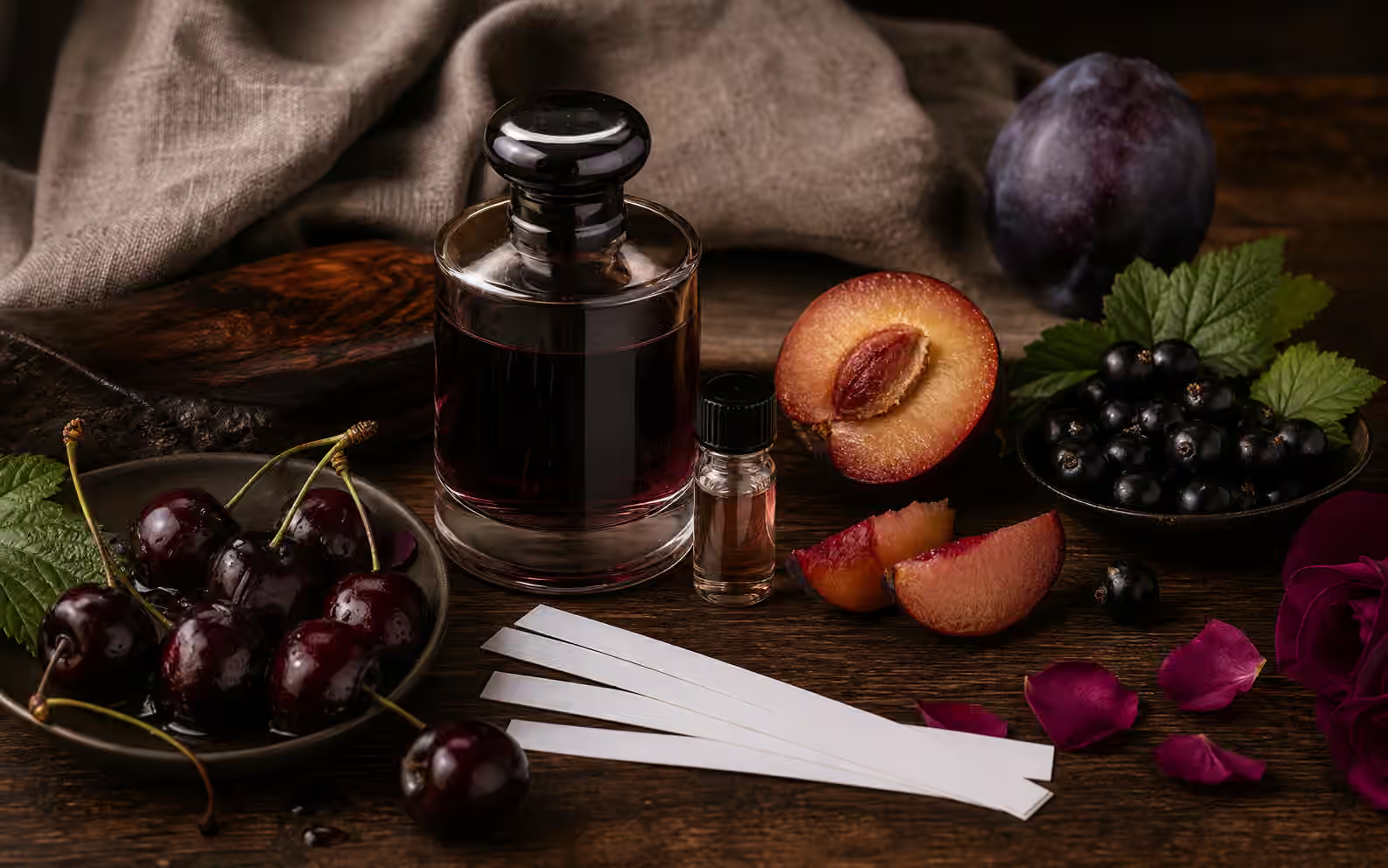
Dark fruit notes are easy to reduce to sweetness, but their real value in perfume is color. Cherry can be glossy, almond-like, liqueur-like, tart, medicinal, syrupy, leathery, or playful. Plum can feel ripe, velvety, wine-dark, smoky, jammy, or almost suede-like. Cassis and blackcurrant can bring green tartness, berry depth, or a sharp catty edge that makes a perfume feel alive rather than merely sweet. These notes do not behave like a clean bowl of fruit. They are often used to stain a fragrance with red, purple, or black light.
The broader Fruity Scents guide explains why fruit can be fresh, shampoo-like, tropical, creamy, or gourmand. Dark fruit is the more dramatic wing of that family. It often sits closer to rose, patchouli, amber, leather, tobacco, vanilla, and woods. Instead of adding a sunny opening, it can give a perfume depth from the start.
Cherry walks between almond, fruit, and liqueur
Cherry in perfume rarely smells like one thing. It can lean toward fresh fruit, red candy, sour syrup, almond pastry, cherry liqueur, cough-drop associations, or dark lipstick. Some of that complexity comes from the way cherry overlaps with almond-like and benzaldehyde-like impressions. A cherry note may seem juicy at first, then reveal a nutty, powdery, or marzipan side as it dries.
This is why cherry pairs so easily with Vanilla and Tonka Scents and Gourmand Scents . Vanilla softens its tartness. Tonka can deepen the almond effect. Chocolate and coffee can make cherry feel darker. But cherry also needs contrast. Without woods, musk, rose, spice, or leather, it can become flatly sweet or too literal.
A good cherry perfume usually answers one question clearly: is the cherry meant to be bright, edible, smoky, powdery, leathery, or floral? Confusion is not always bad, but muddiness is. If the opening smells exciting and the drydown becomes vague red sweetness, the perfume may not have enough structure underneath the fruit.
Plum gives velvet and weight
Plum often feels softer and more adult than cherry. It has less of the almond edge and more of a velvety darkness. In perfume, plum can suggest ripe skin, dark juice, dried fruit, wine, jam, suede, or a shadowed floral heart. It works beautifully with rose, osmanthus, patchouli, amber, incense, sandalwood, and musk because those materials give plum a setting.
The link to Rose Scents is especially strong. Rose with plum can become lush without smelling like simple jam. Plum deepens the petal. Rose lifts the fruit. Add patchouli or woods, and the combination can move toward chypre, amber, or evening floral territory. Add vanilla or benzoin, and it becomes softer and more enveloping.
Plum can also teach restraint. A little dark fruit can make a fragrance feel generous. Too much can make it heavy, especially in heat or close rooms. If you want a plum scent for daytime, look for tea, musk, cedar, iris, or transparent woods. If you want drama, amber, incense, leather, or patchouli will usually push the fruit into deeper territory.
Cassis and blackcurrant bring green bite
Cassis is one of the best examples of fruit that is not only sweet. Blackcurrant can smell tart, green, leafy, wine-like, jammy, musky, or slightly animalic depending on the composition. That green bite can be beautiful because it keeps berry notes from becoming candy. It also makes cassis a useful bridge between Green and Herbal Scents and richer fruity florals.
Some people love cassis because it feels vivid and alive. Others find it sharp or strange. Both reactions make sense. Cassis can have a stemmy quality that reads almost like crushed leaves. In a polished floral, that edge can make the perfume feel more natural. In a sweet berry scent, it can make the fruit less childish. In a musk-heavy base, it can become surprisingly persistent.
When sampling cassis, pay attention to the middle of the wear. The opening may be bright and tart. The drydown may become rose, musk, patchouli, or amber. The interesting question is whether the green bite stays integrated or separates from the rest of the perfume.
Dark fruit needs a base that can carry it
Dark fruit notes often announce themselves quickly, but they need a base to avoid collapsing. Patchouli can give fruit earth and chocolate. Cedar can dry it out. Sandalwood can soften it. Leather and suede can turn fruit tactile. Amber and resins can make it glow. Musk can make it wearable. Without one of those supports, cherry and plum may smell vivid for a short time and then fade into generic sweetness.
Patchouli Scents are especially helpful beside dark fruit because patchouli often acts as the hidden floor. It can make plum feel deeper, cherry feel less sugary, and berry notes feel less like candy. Leather and Suede Scents matter for the same reason. A trace of suede can turn fruit from dessert into fabric, glove, jacket, or lipstick.
This does not mean every dark fruit scent must be heavy. Some of the most wearable versions use clean musk, tea, iris, or pale woods to keep the fruit close. The fruit gives color. The base keeps it from becoming loud.
Wearability depends on sweetness and radius
Dark fruit can project more than expected. Sweetness travels. Musky fruit clings. Cherry and plum on fabric can remain long after the wearer has stopped noticing the opening. That makes Projection and Sillage relevant even when the perfume seems playful rather than formal.
The question is not whether dark fruit is appropriate. It is how much space the scent wants. A tart cherry musk may be easy for a casual day. A dense plum amber may suit cool air and evening. A cassis rose may feel polished with one spray and overwhelming with four. Fruit can be friendly, but friendly is not the same as quiet.
How to Sample Fragrances matters here because the opening can be seductive. Give the scent several hours. Notice whether the fruit stays dimensional, whether the base becomes scratchy, whether the sweetness grows, and whether you still want it near your face after the first excitement fades.
Dark fruit is useful in a fragrance wardrobe because it gives color without needing a bouquet or a dessert table. It can make rose more plush, amber more vivid, leather softer, and musk more memorable. The best versions keep their shadow. They let the fruit ripen, darken, and settle instead of asking sweetness to do all the work.