Caramel and praline notes are among the most immediately recognizable pleasures in perfume. They suggest browned sugar, toasted nuts, warm cream, pastry edges, vanilla, cocoa, amber, and the comforting smell of something just shy of dessert. They can make a fragrance feel generous and soft within seconds. They can also become too dense, too sticky, or too literal when sweetness has no contrast. The difference between cozy and cloying is usually structure.
The broader Gourmand Scents guide explains how edible notes entered the fragrance wardrobe. Caramel and praline sit in the richest part of that map. They are not as transparent as fruit, not as dry as coffee, and not as flexible as vanilla. They bring weight. Used well, that weight feels plush. Used carelessly, it can flatten the perfume into syrup.
Caramel is browned sugar, butter, and shadow
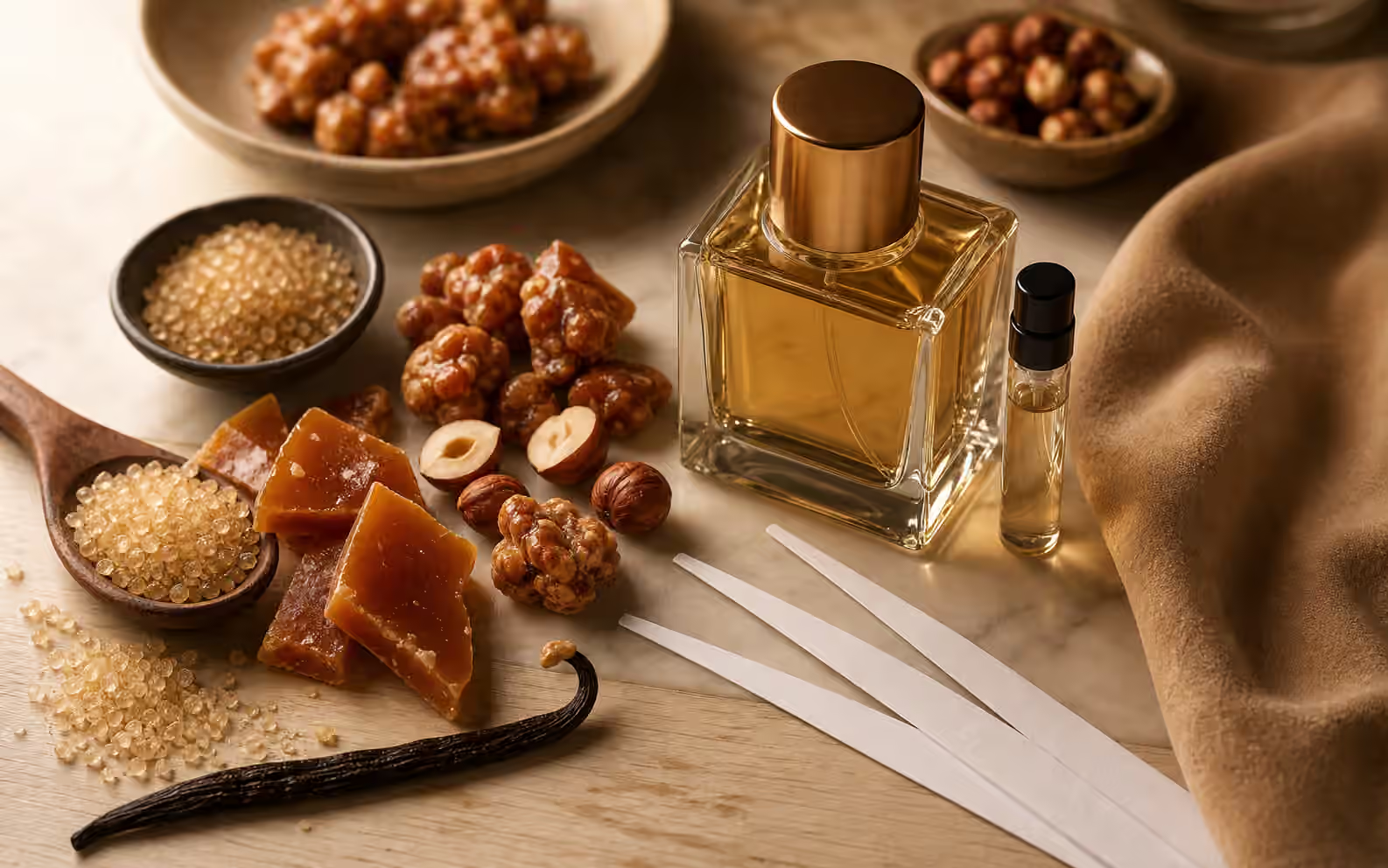
Caramel in perfume can lean many ways. A light caramel may smell like golden sugar over clean musk. A darker caramel can suggest burnt sugar, toffee, amber, tobacco, rum, or warm woods. A creamy caramel may feel milky and soft. A salted caramel impression may bring a skin-like edge that keeps the sweetness from becoming one note. None of these directions is automatically better. They simply create different kinds of wear.
The danger is a caramel note that stays in the opening mood forever. Real caramel has darkness as well as sweetness. It has heat. It has a browned edge. In perfume, woods, coffee, cacao, patchouli, salt, suede, or dry amber can provide that edge. Without it, caramel can feel like a flavored lotion hovering above the skin rather than a fragrance with movement.
Amber, Resin, and Spice Scents are useful beside caramel because amber can give sweetness glow and depth. Labdanum-like warmth, benzoin softness, cardamom, cinnamon, or vanilla can all make caramel feel more complete. The trick is proportion. Too much amber and caramel together can become heavy. A dry spice or wood often keeps the shape clearer.
Praline and nuts add texture
Praline is not only sugar. It usually suggests toasted nuts wrapped in sweetness. Hazelnut, almond, pistachio, sesame, peanut-like facets, and roasted grain effects can make a gourmand perfume more tactile. Instead of smelling like smooth syrup, it smells like crunch, skin, toast, and warmth. That texture is why praline can be easier to wear than plain sugar for some people.
Nuts also connect gourmand perfume to powder. Almond can smell like marzipan, cherry, heliotrope, clean powder, or soft pastry. Hazelnut can feel roasted and round. Pistachio can be creamy, green, salty, or dessert-like. These notes are enjoyable because they sit between food memory and material texture. They do not have to scream dessert to be comforting.
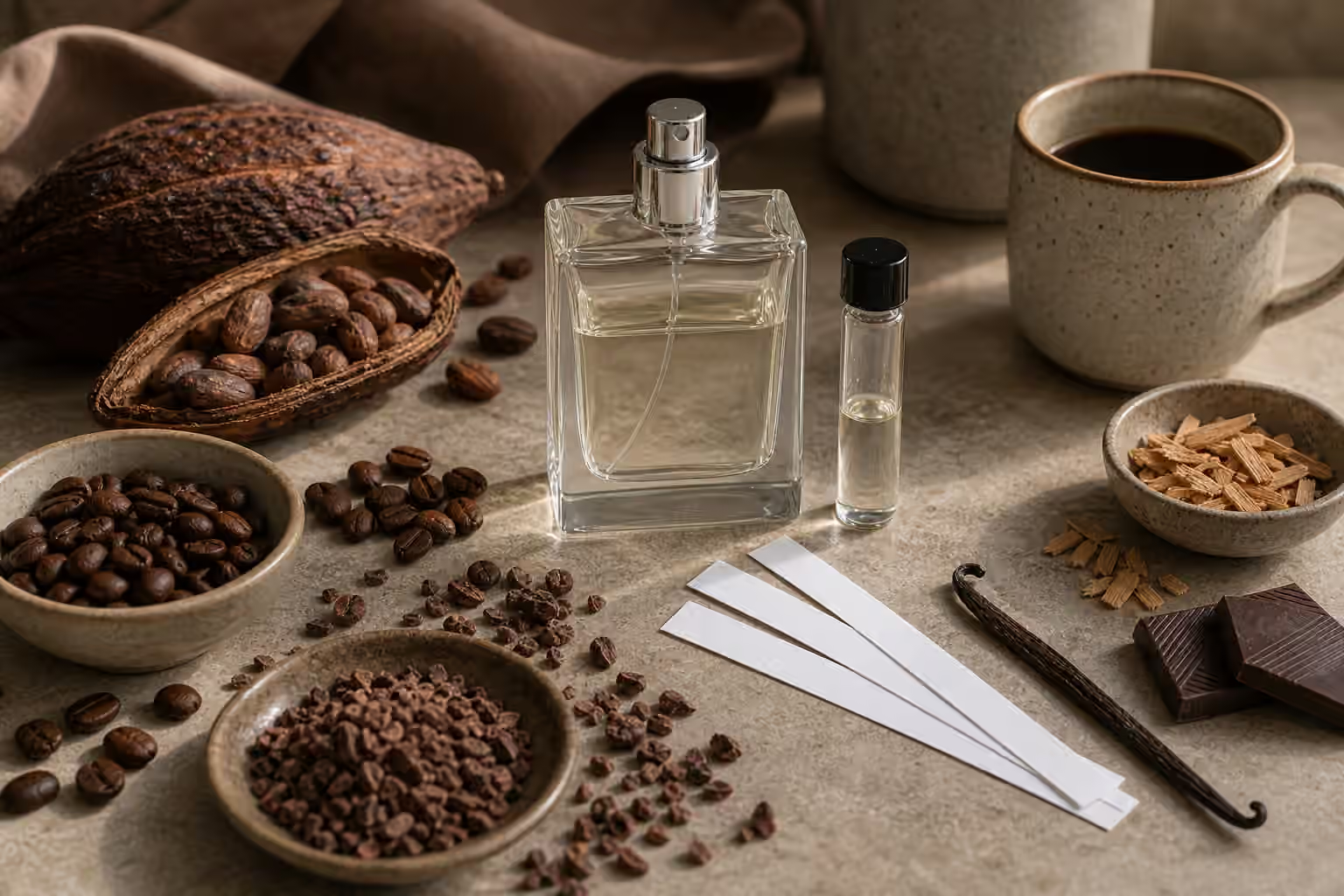
If Coffee and Cacao Scents appeal to you, praline may be a useful bridge. Coffee and cacao bring bitterness. Praline brings toasted sweetness. Together they can create a dry gourmand that feels more wearable than frosting. A little musk or cedar can keep the composition from becoming a confection.
Vanilla is not always enough structure
Caramel and praline are often paired with vanilla because vanilla makes sweetness feel round, familiar, and soft. That can be beautiful, especially when the perfume is meant to be comforting. But vanilla can also make caramel more obvious. If the whole base is caramel, vanilla, sugar, and musk, the scent may feel pleasant but static.
Vanilla and Tonka Scents helps explain why vanilla is a structure, not only a flavor. Dry vanilla, smoky vanilla, woody vanilla, and musky vanilla behave differently. Tonka can add coumarin warmth, almond-like powder, hay, or tobacco-like softness. In a caramel perfume, those distinctions matter. A dry vanilla may lift the caramel. A very creamy vanilla may thicken it.
This is where sampling through the drydown is important. A caramel opening can be charming for ten minutes. The question is whether the base still has air after two hours. Does the fragrance become warmer, woodier, saltier, muskier, or more resinous, or does it sit in one sweet register until you get tired of it?
Gourmand does not have to mean loud
Caramel and praline have a reputation for volume because sweetness reads quickly to other people. A small amount can be noticed. Fabric can hold it. Warm rooms can amplify it. Still, a gourmand perfume can be close and soft when built with enough musk, sheer woods, tea, powder, or skin-like amber. The difference is dose and design.
Close-Space Fragrance matters for this family. A caramel scent that feels delicious outdoors can become too present in a warm car, classroom, office, or shared elevator. That does not make it unwearable. It means the wearer has to understand radius. A single low spray under clothing may be more elegant than a cloud around the neck.
Caramel can also work in layering, but it requires restraint. Layering a caramel perfume with vanilla mist, amber oil, and sweet lotion can turn a good scent into a wall. If you want to soften it, try clean musk or a dry woody scent instead. If you want to brighten it, citrus or tea may work better than more sugar. Scent Layering is useful here because the goal is balance, not accumulation.
Look for contrast in the note list and on skin
When reading about a caramel or praline perfume, look for the materials around the sweetness. Salt, coffee, cacao, woods, patchouli, leather, iris, tea, citrus, smoke, spice, or musk all suggest some kind of counterweight. A note list full of caramel, marshmallow, vanilla, sugar, cream, and cake may be exactly what you want, but it is more likely to wear as a dessert scent than a balanced wardrobe piece.
The method in How to Sample Fragrances is especially important because gourmands can win too quickly. They are friendly at first sniff. Wear the sample during an ordinary day. Notice whether you keep wanting to smell it or whether it becomes exhausting. Notice how it behaves after food, in warm air, on fabric, and near your face.
Caramel and praline are not guilty pleasures. They are materials of comfort, memory, warmth, and texture. They deserve the same careful reading as woods, florals, or musks. The best versions understand that sweetness becomes more beautiful when it has something to lean against: a dark edge, a dry base, a toasted note, a trace of salt, or enough air for the wearer to keep returning.