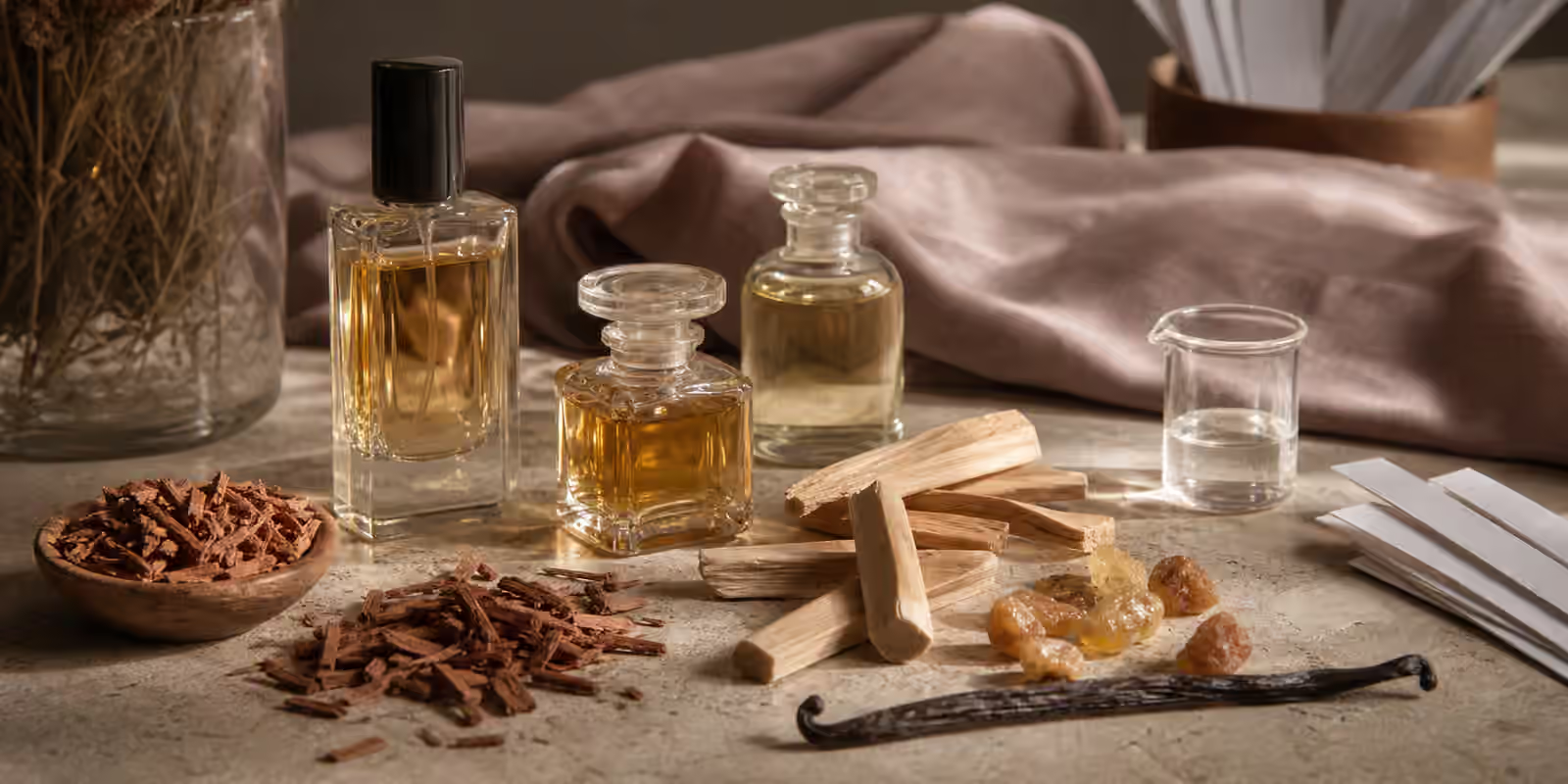
Some modern perfumes seem simple at first and strangely persistent later. They may not smell like a bouquet, dessert, forest, or spice cabinet. Instead they give off a clear aura: warm skin, clean wood, salty amber, dry musk, pale resin, mineral brightness, or a smooth hum that keeps going after the obvious notes fade. In reviews, people often reach for words like ambroxan, amberwood, super-amber, modern musk, woody amber, or radiant base. Those words can be useful, but they can also become a blur.
This guide sits beside Perfume Bases and Fixatives because these materials are often less about a recognizable top note and more about what carries the perfume. They shape drydown, trail, texture, and persistence. They can make a fragrance feel clean and expensive, or sharp and overbearing, depending on dose and balance.
Ambroxan is an effect more than a single smell to the wearer
Ambroxan is often discussed as if everyone experiences it the same way. In practice, many wearers perceive it through effects: ambergris-style warmth, salty skin, clean musk, dry mineral air, soft wood, or a radiant background that seems to push the fragrance outward. Some people find it smooth and addictive. Others find it scratchy, metallic, or too persistent. Both reactions can happen because these materials sit close to the boundary between scent and texture.
Natural vs Synthetic Fragrance Materials helps make sense of the language. Modern perfumery uses many materials that are not meant to imitate a flower or fruit in a literal way. They create space, lift, volume, longevity, and abstract impressions. Calling something synthetic does not make it crude. Calling something natural does not make it better. The finished balance matters.
Ambroxan-style effects often pair well with citrus, sage, lavender, woods, musk, marine notes, and transparent florals. They can make a fresh scent last beyond its opening. They can make a woody scent feel cleaner. They can give a skin scent more radius. The same effect can be too much if it overwhelms softer notes or remains after every other part of the perfume has gone.
Amberwood materials create dry power
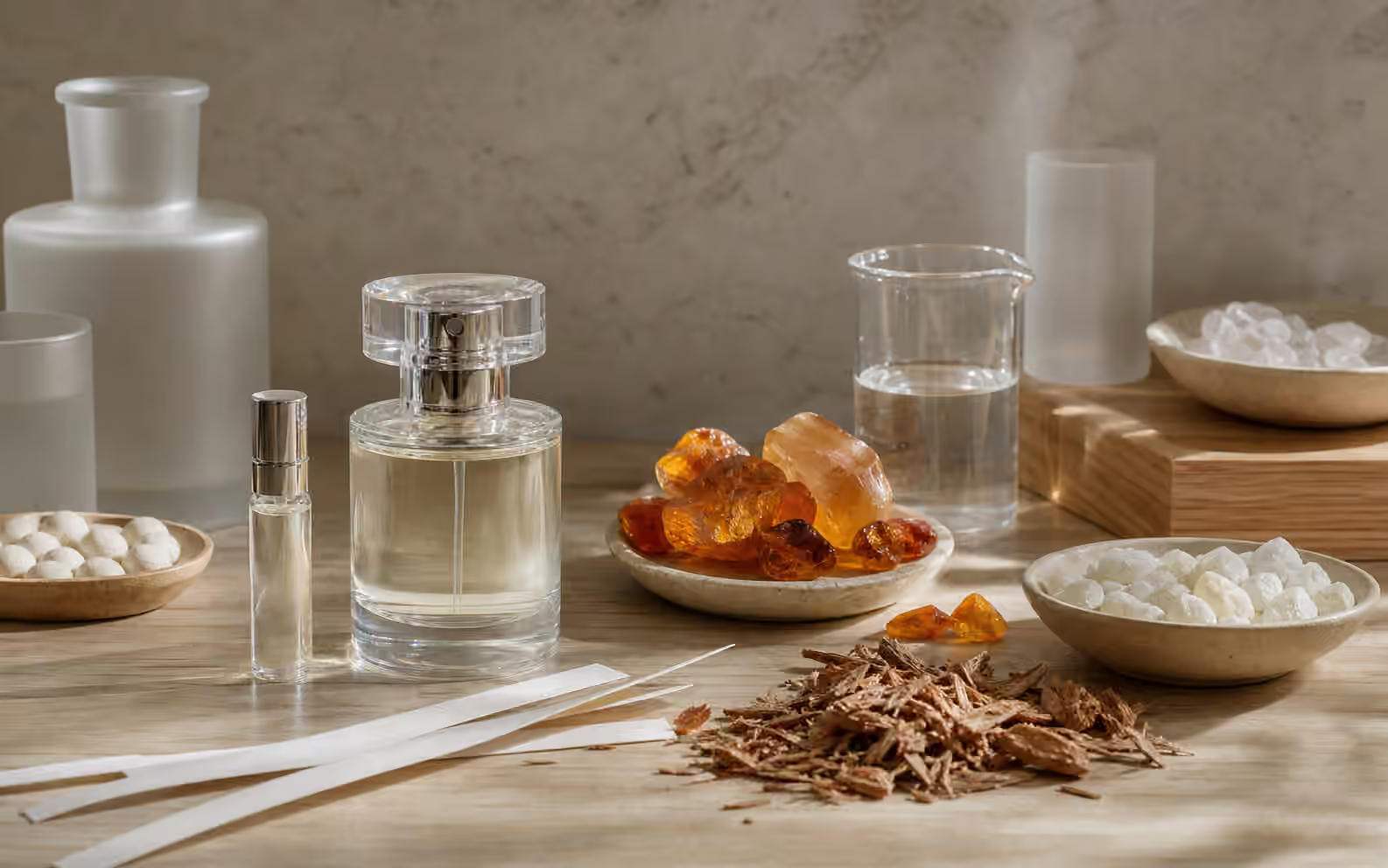
Amberwood is a broad perfume conversation term, not a single simple smell. It often points to dry, woody, ambery, powerful base materials that can smell like cedar, amber, warm dust, blond woods, resin, pencil shavings, clean heat, or mineral dryness. These materials are common in perfumes that feel long-lasting and radiant even when the note list looks spare.
The connection to Woody Scents is important because amberwood effects are not always cozy. Some are smooth and polished. Others are sharp, dry, and almost rasping. Cedar can be crisp. Sandalwood can be creamy. Vetiver can be rooty. Amberwood effects often sit in a more abstract place: woody, warm, and diffusive without smelling exactly like a piece of wood.
That abstraction can be useful. It allows a perfume to feel modern, clean, and structural. It can also become tiring when the base shouts through everything else. If a fragrance smells pleasant for the first hour and then turns into a loud dry buzz, the amberwood base may be carrying more of the scent than you enjoy.
Radiance is not the same as richness
Radiant perfumes are not always heavy. A scent can be sheer and still project clearly. This is one reason ambroxan and amberwood materials can surprise beginners. They do not always smell thick in the way vanilla, tobacco, or resin smells thick. Instead they seem to expand. A small amount can create a clean halo around citrus or musk. A large amount can make the wearer feel surrounded by a dry ambery signal.
Projection and Sillage is essential here. Some modern bases become easy for the wearer to ignore because the nose adapts to them. Other people may still notice the trail. This is different from a perfume fading. It is the wearer becoming less sensitive to a persistent material while the scent remains present in the air.
Fragrance Fatigue and Nose Blindness also belongs beside this topic. If you keep adding sprays because you cannot smell a radiant base after an hour, you may create a larger scent radius without realizing it. A better test is to wear a normal amount, step away from the scent, and check fabric or ask a trusted person only when appropriate.
Clean musk and woody amber often work together
Modern clean scents often combine musk, ambroxan-style warmth, amberwood, citrus, tea, iris, sage, or pale florals. The musk gives softness. The amber material gives radiance. The wood gives shape. The result can feel like clean skin with structure. This is why the topic belongs near Musk and Skin Scents as much as it belongs near woody perfumes.
The balance can be beautiful when each part has a job. Musk keeps the scent wearable. Amberwood keeps it from disappearing. Citrus or herbs open the air. Woods keep the base dry. But when all the materials are chosen for persistence, the perfume can become relentless. A fragrance does not become better simply because it lasts through everything.
This is a useful place to separate quality from force. A quiet perfume can be well made. A strong perfume can be crude. A radiant base can be elegant when it supports the composition and annoying when it becomes the whole message. Your own tolerance for that dry glow is part of your taste, not a moral test.
Sampling modern bases takes repeat wear
Ambroxan and amberwood effects are difficult to judge in crowded sampling. After several radiant perfumes, the air around your arm can become a dry blur. Blotters may show strength but not comfort. Skin wear is more useful because these bases interact with warmth, clothing, and nose adaptation over time.
Use the slower method from How to Sample Fragrances . Wear one modern woody amber or ambroxan-heavy scent at a time. Notice the first hour, the third hour, and the next day on fabric if it remains. Ask whether the drydown still feels pleasant when the opening is gone. Ask whether it makes you feel polished, clean, warm, scratchy, or tired.
Close-Space Fragrance is relevant because many radiant bases are marketed or perceived as clean. Clean does not automatically mean low-impact. A clear woody amber trail can be more noticeable than a soft vanilla or a gentle floral. In shared air, dose matters more than the note family.
These materials are part of why modern perfume can feel effortless. They can make a scent last, glow, and hover close to the body while still leaving a trail. They are also part of why some perfumes feel strangely similar in the drydown. Learning to recognize the effect helps you choose with more precision. You can decide whether you want radiance, how much, and what should sit around it.