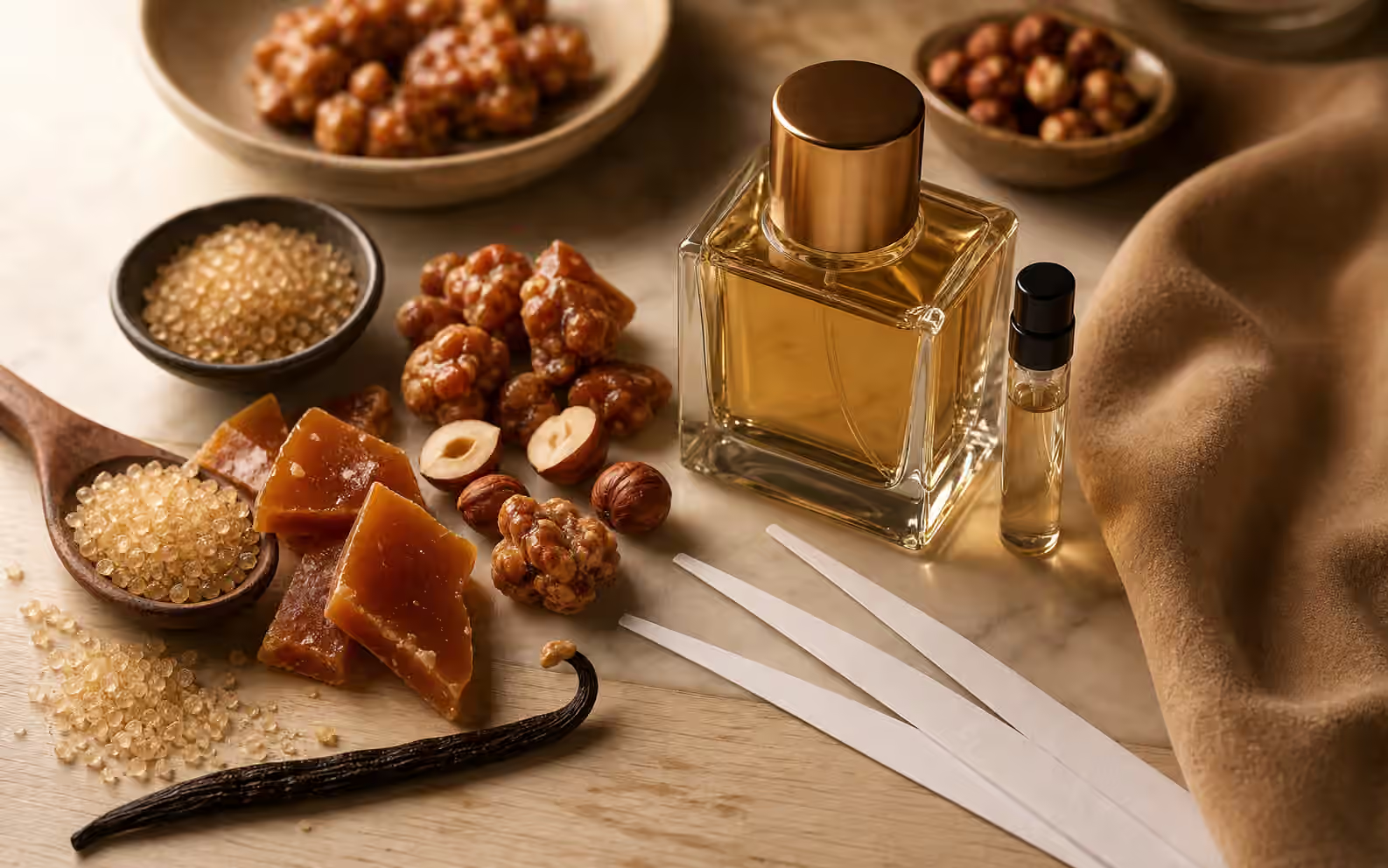
Amber, resin, and spice fragrances are often where people go after they realize they want warmth but not necessarily dessert. They can feel golden, smoky, dry, powdery, leathery, plush, mineral, churchlike, or softly skin-warmed. Some lean sweet because vanilla, tonka, and benzoin are part of the language. Others are almost austere, built from incense, dry woods, pepper, and the dark bite of labdanum. This family is close to gourmand and woody fragrance, but it has its own center of gravity: comfort with texture.
The word amber can confuse beginners because it sounds like a single ingredient. In most perfume conversation, amber is an accord, not a literal piece of fossilized resin dissolved into the bottle. It is an impression built from materials that suggest warmth, glow, sweetness, balsamic depth, and a soft lasting base. If Fragrance Notes Explained teaches that note names are often signposts rather than receipts, amber is one of the clearest examples. Two perfumes can both say amber and behave nothing alike. One may smell like vanillaed skin under a sweater. Another may smell like incense smoke, old wood, and warm stone.
Amber is a temperature
A useful way to understand amber is to treat it as a temperature rather than a color. Amber perfumes warm the air around the body. They often use labdanum, benzoin, vanilla, tonka, resins, musks, woods, and modern amber materials to create that impression. Labdanum can feel dark, leathery, honeyed, slightly animalic, or almost sticky. Benzoin can feel sweet, balsamic, powdery, and vanilla-like. Tonka can bring almond, hay, tobacco, and coumarin softness. Musks can make the warmth cling to skin. Woods can give the sweetness a frame.
That frame matters because amber can become heavy when it has no air. A sheer amber musk may be as easy as a clean sweater. A dense amber vanilla may feel gorgeous in cold weather and too enveloping in a heated car. A dry amber with cedar can feel polished rather than sweet. A resinous amber with incense can feel ceremonial. The family is not only one mood; it is a set of ways to build warmth.
This is why amber belongs beside the broader Scent Families map but deserves its own page. Fresh, floral, woody, and gourmand scents are easier for beginners to picture because they point to familiar objects. Amber points to an atmosphere. You learn it by noticing how a fragrance changes the feeling of space around you.
Resins give warmth a body
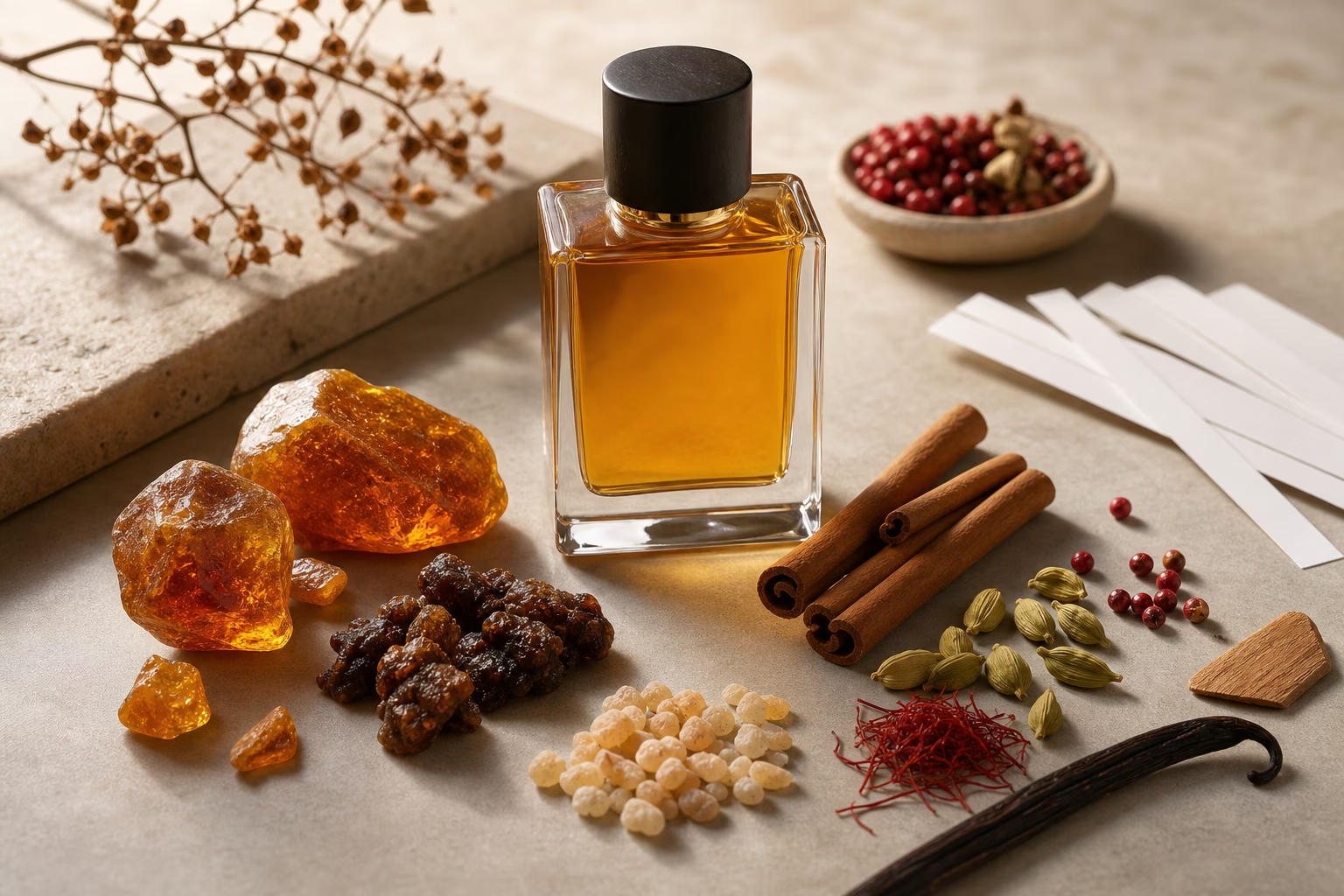
Resins are some of the materials that make warm perfumes feel substantial. Frankincense can be airy, lemony, smoky, mineral, or dry, depending on the style. Myrrh can feel darker, bitter, medicinal, balsamic, or dusty. Benzoin can blur into vanilla warmth. Labdanum can make an amber smell leathery and sun-baked. Copal, elemi, and other resinous effects can bring brightness, polish, or incense-like lift.
In fragrance, resin does not always mean thick smoke. A resin note can be transparent and almost sparkling. Frankincense with citrus can feel cool and meditative, not heavy. Benzoin with musk can feel like warm skin and powder. Labdanum with patchouli and woods can feel shadowed and dramatic. A resinous base under rose can make the floral feel velvety. Under vanilla, it can keep sweetness from becoming simple sugar.
The main beginner mistake is assuming resinous fragrances are all solemn. Some are, especially incense-forward perfumes that suggest stone floors, smoke, and quiet rooms. Others are soft, cozy, and wearable. A little benzoin can make a fragrance feel gentle. A little labdanum can make a clean scent feel warmer without making it loud. Resins create body. The amount and setting decide whether that body feels like a blanket, a candlelit room, or a dark leather chair.
Spice is motion
Spice keeps warm fragrance from standing still. Cardamom can feel cool, green, aromatic, and elegant. Cinnamon can feel sweet, woody, dry, or festive. Clove can be medicinal, floral, hot, and old-fashioned if used heavily. Pink pepper can make an opening sparkle without smelling like a kitchen spice jar. Black pepper can feel dry and fizzy. Saffron can suggest leather, hay, mineral warmth, or a polished luxury effect. Ginger can brighten a perfume and make it feel alive.
Spice often lives in the opening or heart of a fragrance, which means it may be more noticeable early than late. A cardamom top can make a sandalwood scent feel cool before the creamy base arrives. Cinnamon can announce warmth quickly, then settle into amber or vanilla. Pink pepper can give a fresh floral a little crackle. Saffron can make leather, rose, oud-style accords, or amber feel more textured.
Spice also changes how sweetness reads. A vanilla without contrast can feel soft but flat. Vanilla with cardamom may feel drier and more adult. Amber with pepper may feel less syrupy. Rose with saffron may feel plush and dramatic rather than merely pretty. This is the bridge between this guide and Gourmand Scents . Gourmands borrow from edible pleasure. Amber and spice borrow some of the same materials, but they often turn them toward warmth, shadow, and texture instead of dessert.
Where amber meets woods
Amber and woods are close neighbors. Cedar dries out amber. Sandalwood rounds it. Vetiver cools it. Patchouli deepens it. Incense and guaiac-like smoke can make it darker. Modern woody amber materials can make a scent radiate from clothing and last for a long time. That radiance is part of why some contemporary perfumes feel enormous even when the note list looks simple.
If you already enjoy Woody Scents , amber can be a useful next step. Try noticing whether you prefer dry warmth or creamy warmth. A cedar amber may feel structured, like a wool coat. A sandalwood amber may feel smoother and closer to skin. A patchouli amber may feel earthy, chocolatey, or vintage. An incense amber may feel smoky and contemplative. None of these is more correct. They simply answer different wardrobe needs.
Amber woods can also teach projection. Some bases are persistent even when they seem quiet to the wearer. A perfume may stop registering at your own wrist while still sitting clearly on a scarf or in a room. That makes restrained application important, especially with rich ambers, incense, saffron, and woody amber materials. The advice in Close-Space Fragrance applies strongly here because warm perfumes can be beautiful at the right distance and exhausting when they fill shared air.
Weather and fabric change the family
Warm fragrances are shaped by climate. Cold air gives amber, resin, and spice room to breathe. A benzoin vanilla that feels plush under a coat may become syrupy in humid heat. A smoky incense that feels elegant outside may feel too dense in a small heated room. Cardamom, tea, citrus, iris, and clean musk can make warm scents more flexible because they add lift and restraint.
Fabric matters too. Wool, scarves, coats, and sweaters can hold base notes for days. That can be lovely when a trace of amber remains on a winter scarf, but it can also blur your wardrobe if every piece of outerwear carries yesterday’s perfume. Dark oils, dense resins, and colored liquids may also mark delicate fabrics, so skin testing and hidden fabric testing are more useful than optimistic spraying.
The seasonal guide to Choosing a Fragrance for Seasons and Occasions is especially helpful for this family because warmth is not only about the bottle. It is about room temperature, clothing, humidity, and how close people will be. A sheer amber musk can work almost all year. A syrupy amber resin may need cold air and space. A cardamom sandalwood can be calm enough for daytime. A smoky labdanum perfume may be better saved for evening.
Sampling warm scents without being dazzled
Amber, resin, and spice scents can be seductive in the first minutes. They often feel richer than fresh or airy perfumes on a blotter, and they can make a shop visit feel instantly luxurious. That first impression is useful, but it is not the whole story. Warm bases may grow sweeter, smokier, scratchier, softer, or more persistent after an hour. Some become beautiful only after the opening settles. Others are wonderful at first and tiring by the third hour.
Sample one warm fragrance at a time when possible. If you test three ambers on adjacent wrists and sleeves, the base notes can merge into a single cloud. Give the scent air, then check it later without pressing your nose into the skin every few minutes. Notice the change from opening spice to resinous heart to musky or woody base. Ask whether the drydown is something you want to live with, not only something you admire.
It also helps to name your preferred kind of warmth. You may love cool cardamom but dislike cinnamon. You may love benzoin powder but dislike smoky incense. You may enjoy dry labdanum but not sweet amber vanilla. You may want warmth that stays close rather than perfume that enters the room first. Those distinctions make sampling more efficient and protect you from buying every scent that seems cozy for fifteen minutes.
Finding your warm slot
In a beginner wardrobe, amber, resin, and spice can fill several roles. A light amber musk can be the soft everyday scent. A cardamom wood can be polished and calm. A benzoin vanilla can be comfort. A resinous incense can be the dramatic evening piece. A rose saffron amber can be dressed and romantic. The family is most useful when you choose by job rather than by intensity.
If your wardrobe already has fresh, floral, woody, and gourmand pieces, amber can connect them. It can make woods warmer, florals deeper, and sweetness more structured. It can also give a fragrance wardrobe a sense of season without requiring a huge collection. One well-chosen warm scent may be enough for cold nights, quiet dinners, reading at home, or a sweater day when fresh citrus feels too thin.
The best amber, resin, or spice fragrance is not always the loudest one. Often it is the one with the right amount of glow. It warms the skin without smothering it, gives sweetness a backbone, gives woods a pulse, and leaves a memory that feels textured rather than sticky. When that balance is right, the family stops seeming mysterious. It simply becomes the part of fragrance that knows how to hold warmth with depth.