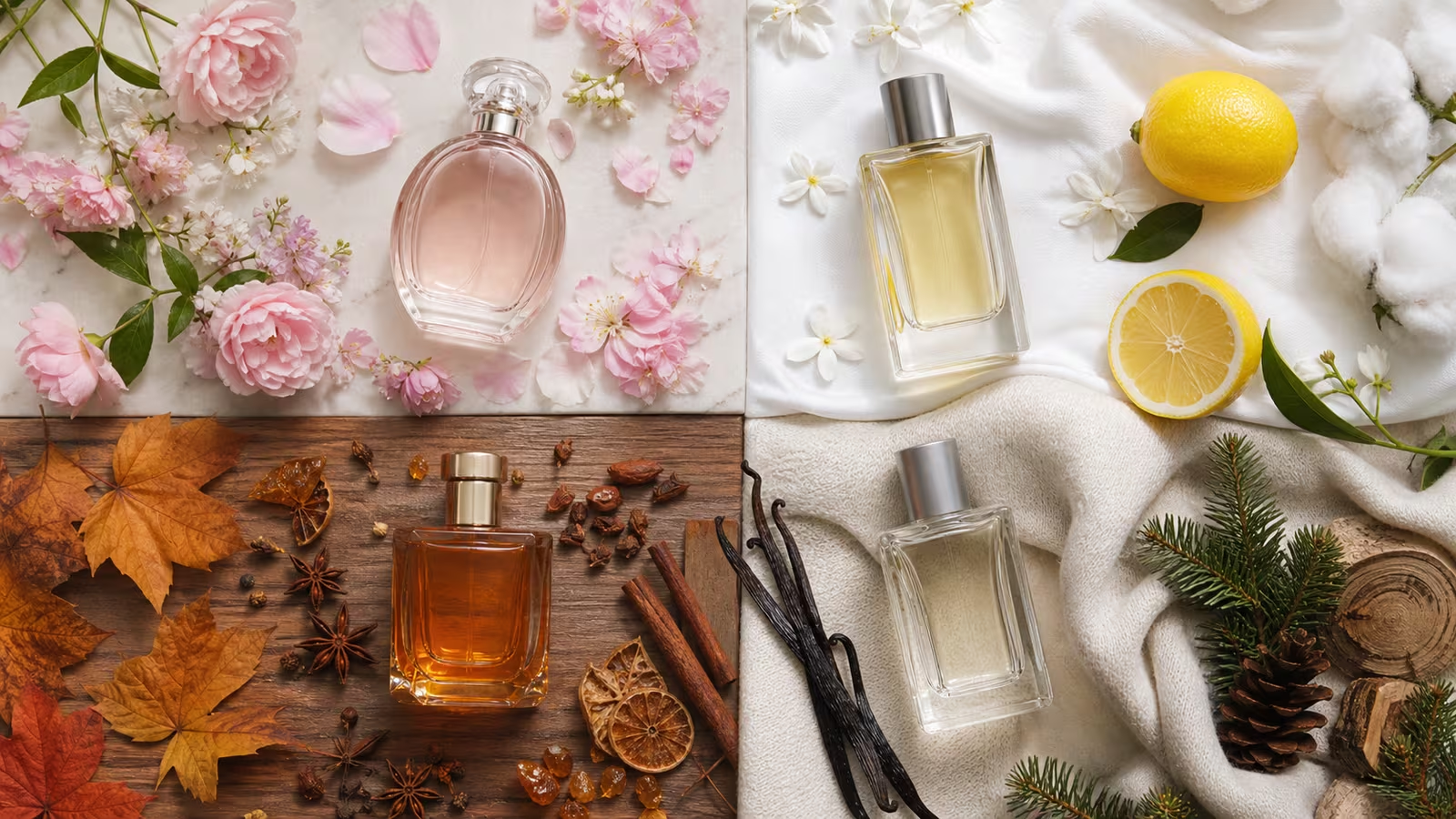
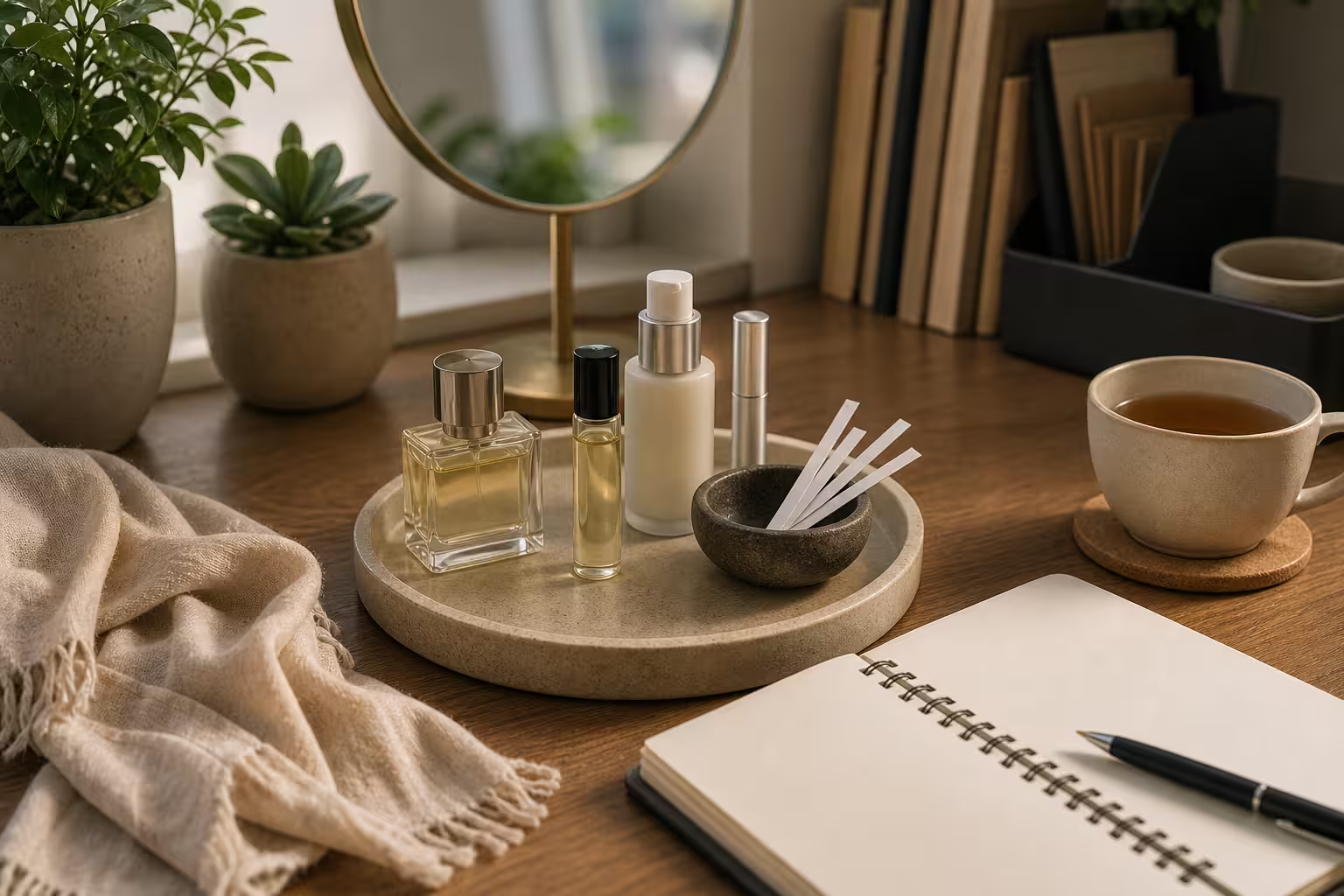
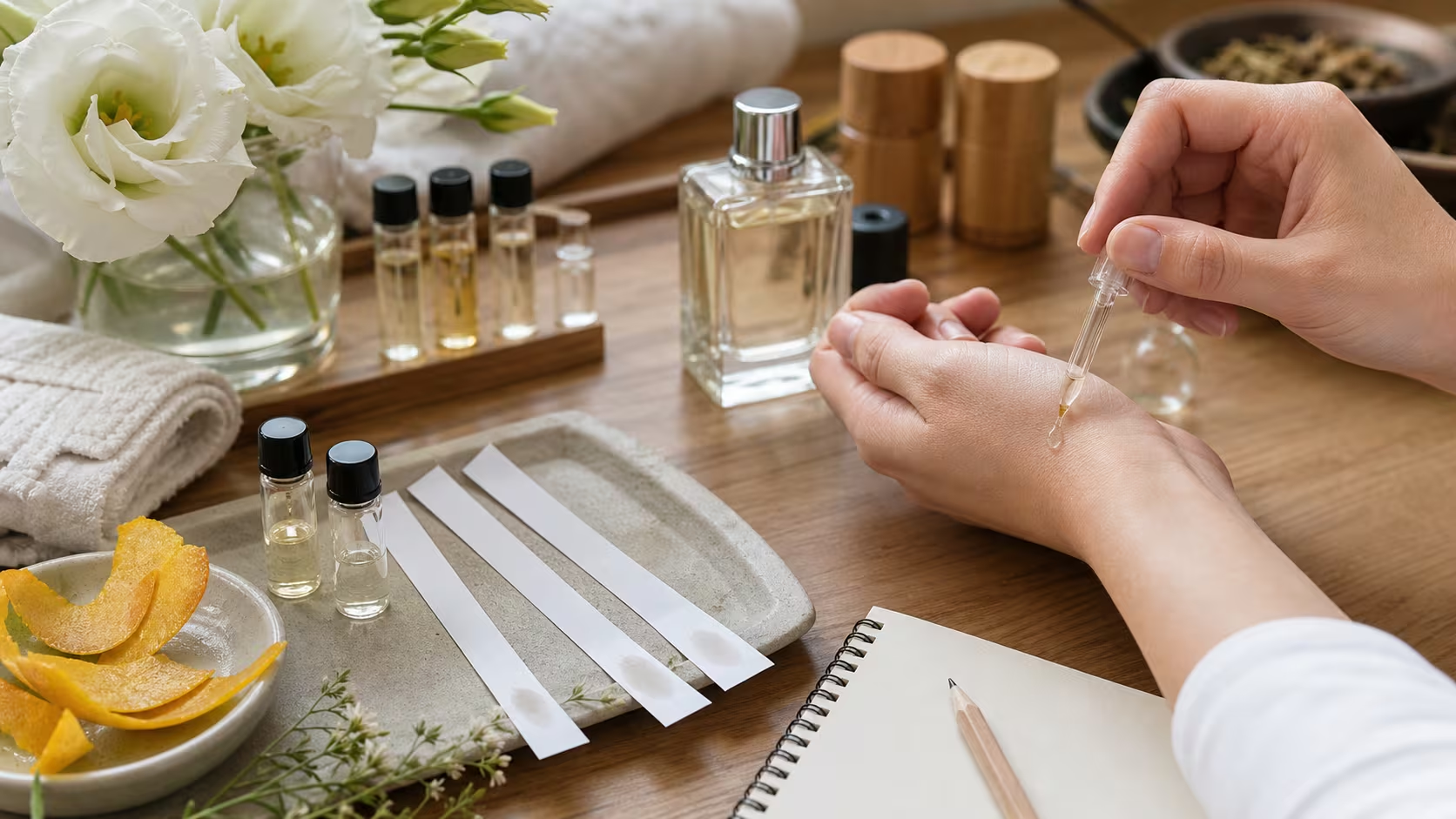
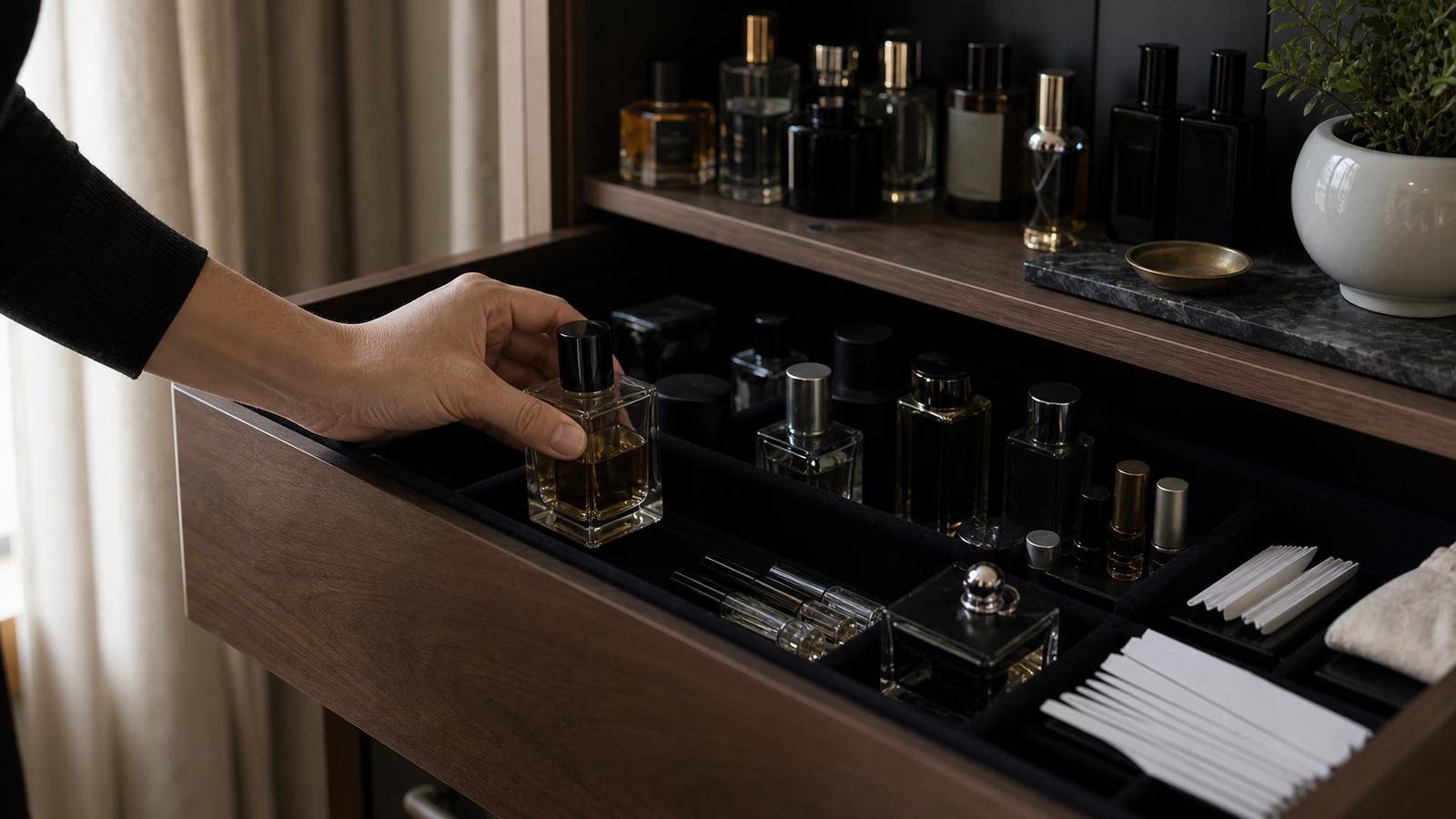
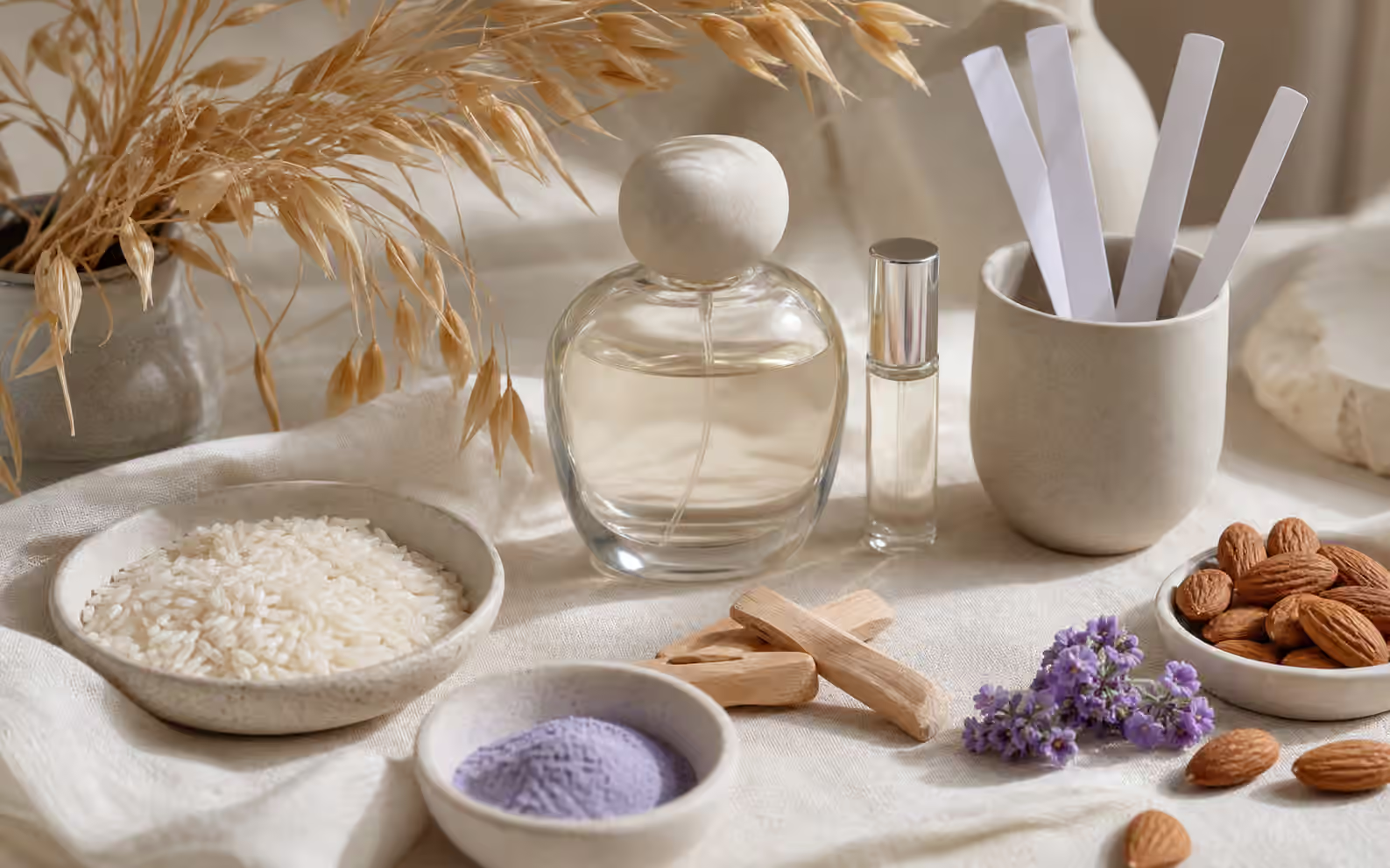
Fragrance is easier to learn when it is treated like a wardrobe instead of a test. These guidebooks explain perfume in plain language: how notes unfold, why concentrations feel different, what scent families actually tell you, how to sample without tiring your nose, how to read reviews before sampling, and how to choose scents for seasons, routines, and occasions.
Start with the quickstart if you are new. Then follow the path that matches your real question: understanding labels, buying samples, making scent last, building a small wardrobe, or learning a family you already enjoy.
Core Fragrance Skills
- Fragrance Studio Quickstart
- Fragrance Notes Explained
- Perfume Accords
- Natural vs Synthetic Fragrance Materials
- Perfume Drydown
- Perfume Concentration Types
- Perfume Flankers and Versions
- Scent Families
- How to Sample Fragrances
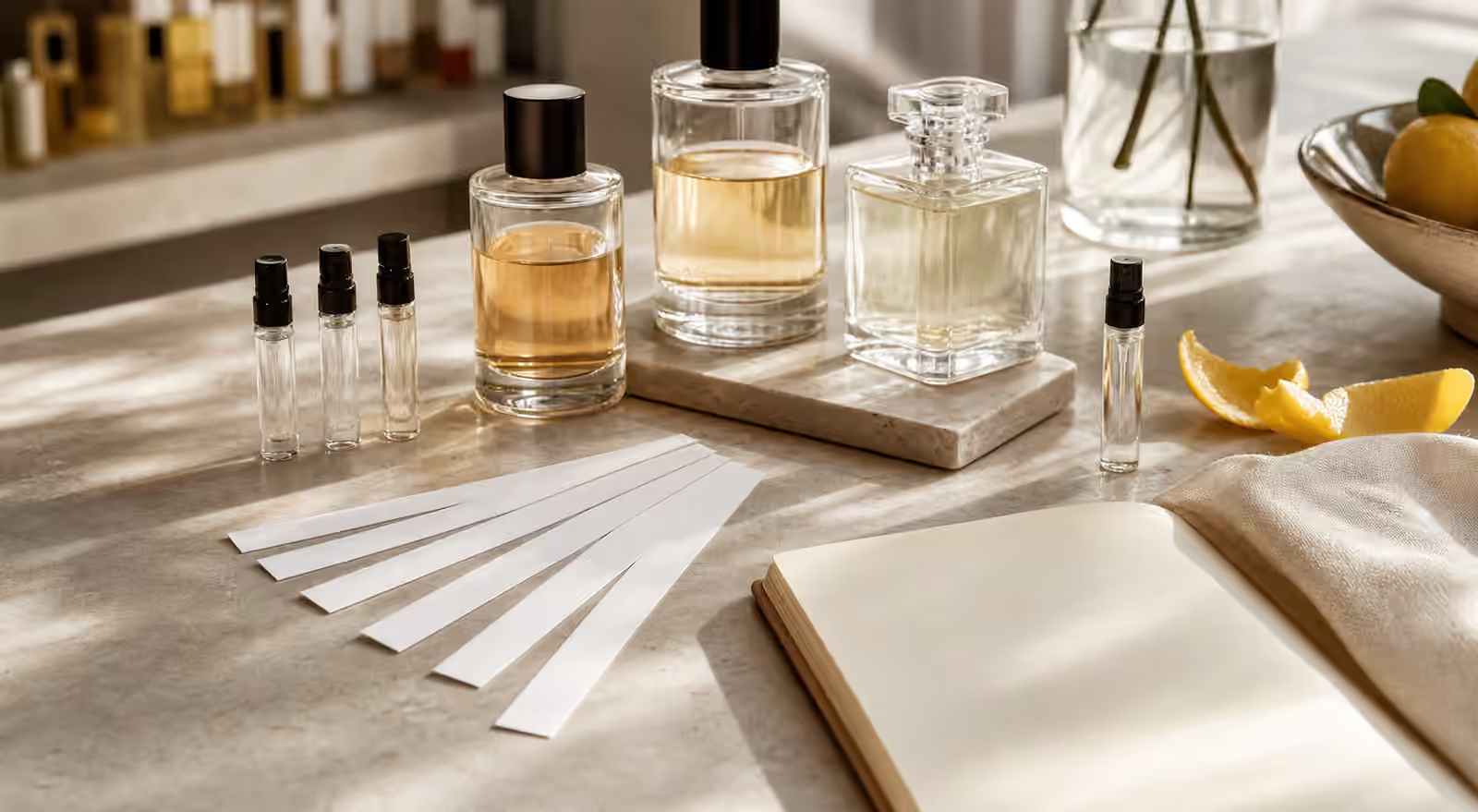
- Blotter Strips and Counter Sampling
- Perfume Decants and Discovery Sets
- Fragrance Journaling: How to Record Samples and Build Taste
- Reading Perfume Reviews Without Losing Your Own Nose
- Vintage Perfume and Reformulations
- Fragrance Fatigue and Nose Blindness
- Skin Chemistry and Perfume
- Perfume Bases and Fixatives
- Ambroxan and Amberwood Scents
- Scent Memory and Fragrance Associations
Skin Chemistry and Perfume belongs near sampling because paper strips only show part of the story. Skin, heat, lotion, fabric, weather, and your own nose all change how a fragrance behaves through the day.
Fragrance Fatigue and Nose Blindness belongs there too because sampling skill is partly knowing when to stop. A tired nose can make loud perfumes seem better, subtle perfumes vanish, and good buying notes turn unreliable.
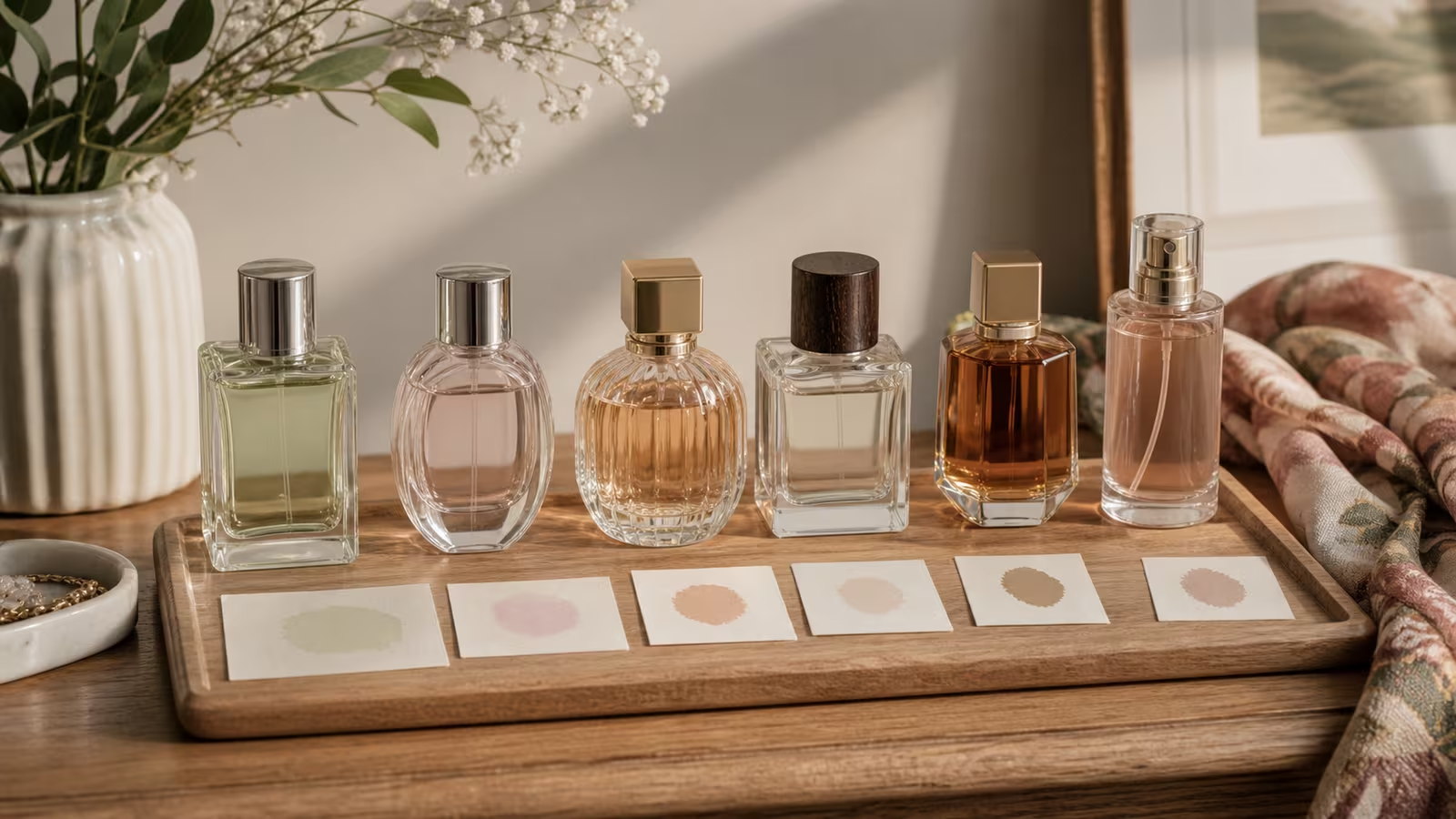
Blotter Strips and Counter Sampling belongs beside the sampling guide because paper is useful only when it is understood as a first reading. Labeling strips, leaving air between scents, revisiting dry paper, and choosing only the best candidates for skin keeps a counter visit from becoming a scented blur.
Perfume Decants and Discovery Sets belongs beside sampling because small formats are how curiosity becomes evidence. It explains how to pace a set, label samples, store tiny vials, test atomizers, and decide whether a scent deserves more wear without turning every good opening into a full-bottle purchase.
Reading Perfume Reviews Without Losing Your Own Nose sits between research and sampling. It helps turn note lists, performance claims, ratings, and review language into useful questions instead of blind-buy pressure.
Perfume Flankers and Versions belongs near concentration types because names like EDT, EDP, intense, elixir, fresh, and limited edition are not automatic upgrades or downgrades. Comparing related versions slowly keeps the reader focused on drydown, projection, and wardrobe use instead of bottle-name assumptions.
Vintage Perfume and Reformulations belongs beside reviews, sampling, and storage because older comments and older bottles do not always describe the current scent. Formula changes, storage, age, concentration, memory, and skin all affect whether a familiar perfume still smells the way someone expects.
Perfume Accords belongs beside notes because many perfume words describe built impressions rather than literal ingredients. Peach, leather, sea air, amber, warm skin, clean cotton, and tea often make more sense when the reader understands how materials work together as accords.
Natural vs Synthetic Fragrance Materials belongs near notes and accords because ingredient language can become misleading when it is treated as a quality verdict. It explains why natural materials, synthetic aroma molecules, accords, safety claims, sustainability claims, and note lists all need to be tested by smell rather than accepted as slogans.
Fragrance Journaling: How to Record Samples and Build Taste belongs beside sampling because a short record of openings, drydowns, context, and wear counts makes taste easier to trust than memory alone.
Perfume Drydown belongs near notes and sampling because the first spray is only the beginning of the scent. Openings, hearts, bases, skin, fabric, heat, and time all decide whether a fragrance is something you admire briefly or want to wear for hours.
Perfume Bases and Fixatives belongs near drydown, concentration, longevity, and natural-versus-synthetic materials because lasting structure is not a magic switch. Woods, musks, resins, amber effects, vanilla, patchouli, and modern base materials decide what remains after the opening leaves.
Ambroxan and Amberwood Scents belongs beside bases, projection, musk, and modern woody styles because many current drydowns are built around radiance rather than a familiar flower or fruit. It helps readers recognize salty warmth, clean amber, dry woody power, nose fatigue, and the difference between lasting structure and sheer force.
Scent Memory and Fragrance Associations belongs near journaling and reviews because smell is rarely neutral. Nostalgia, product memories, family associations, names, bottle design, and review language can all shape a sample before the drydown has spoken.
Perfume Storage and Care belongs near the wardrobe guides because a bottle that lives in heat, sunlight, bathroom humidity, or a loose travel atomizer will not smell the way it did when you chose it.
Wearing and Layering
- Scent Layering
- Where to Apply Perfume
- Atomizers, Sprayers, and Rollerballs
- Perfume on Clothes and Fabric
- How to Make Perfume Last Longer
- Projection and Sillage
- Body Mist vs Perfume
- Perfume Oils
- How to Choose a Fragrance for Seasons and Occasions
- Close-Space Fragrance
- Traveling With Fragrance
- Home Fragrance Without Overpowering the Room
Projection and Sillage belongs near longevity because performance is not only about how many hours a perfume lasts. It is also about scent radius, trail, fabric, weather, application, and whether the fragrance fits the room.
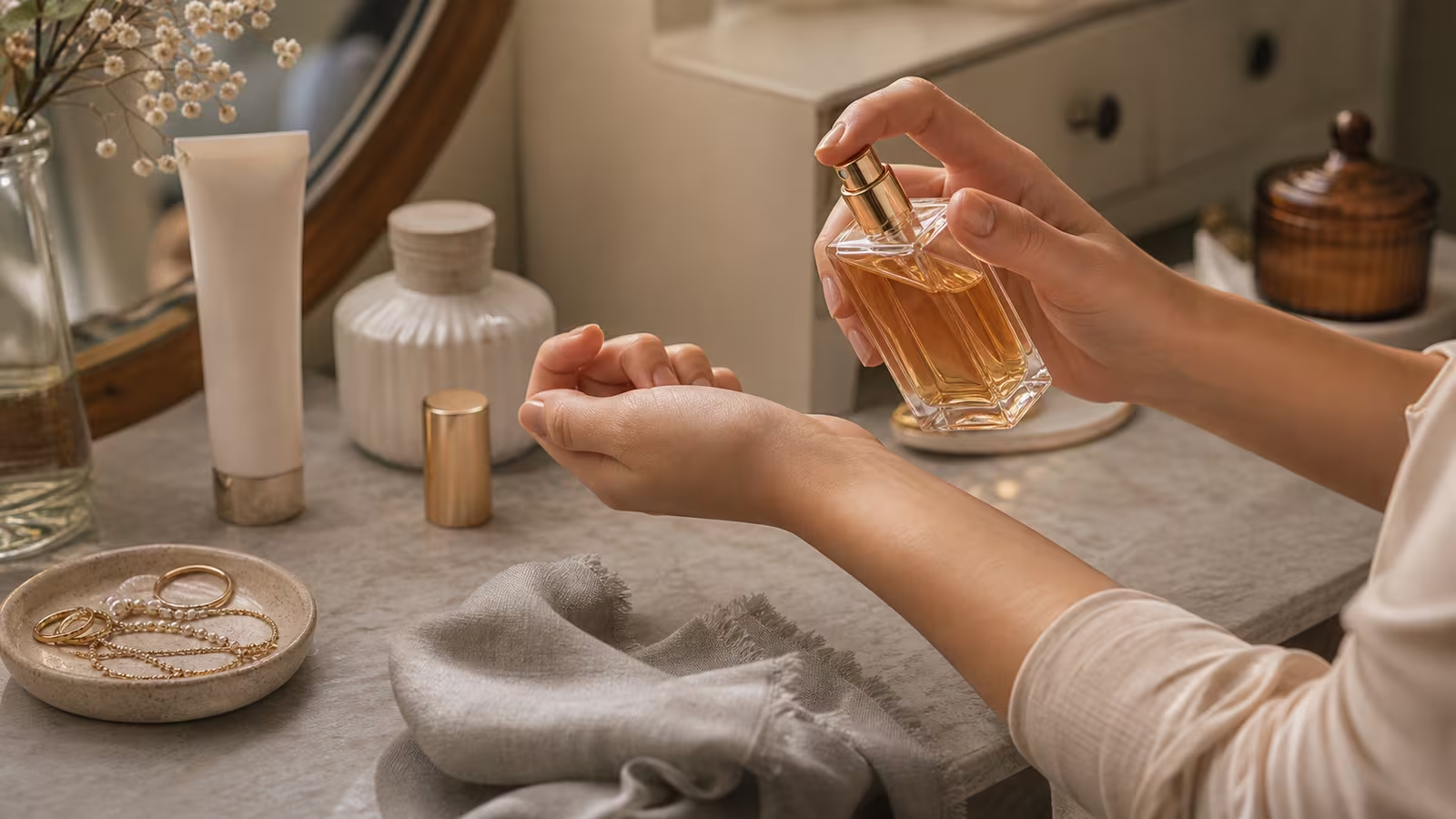
Where to Apply Perfume belongs before longevity because placement changes the whole wearing experience. Skin, clothing, hair, pulse points, oils, fabric, and distance all affect whether a scent feels intimate, polished, persistent, or too present.
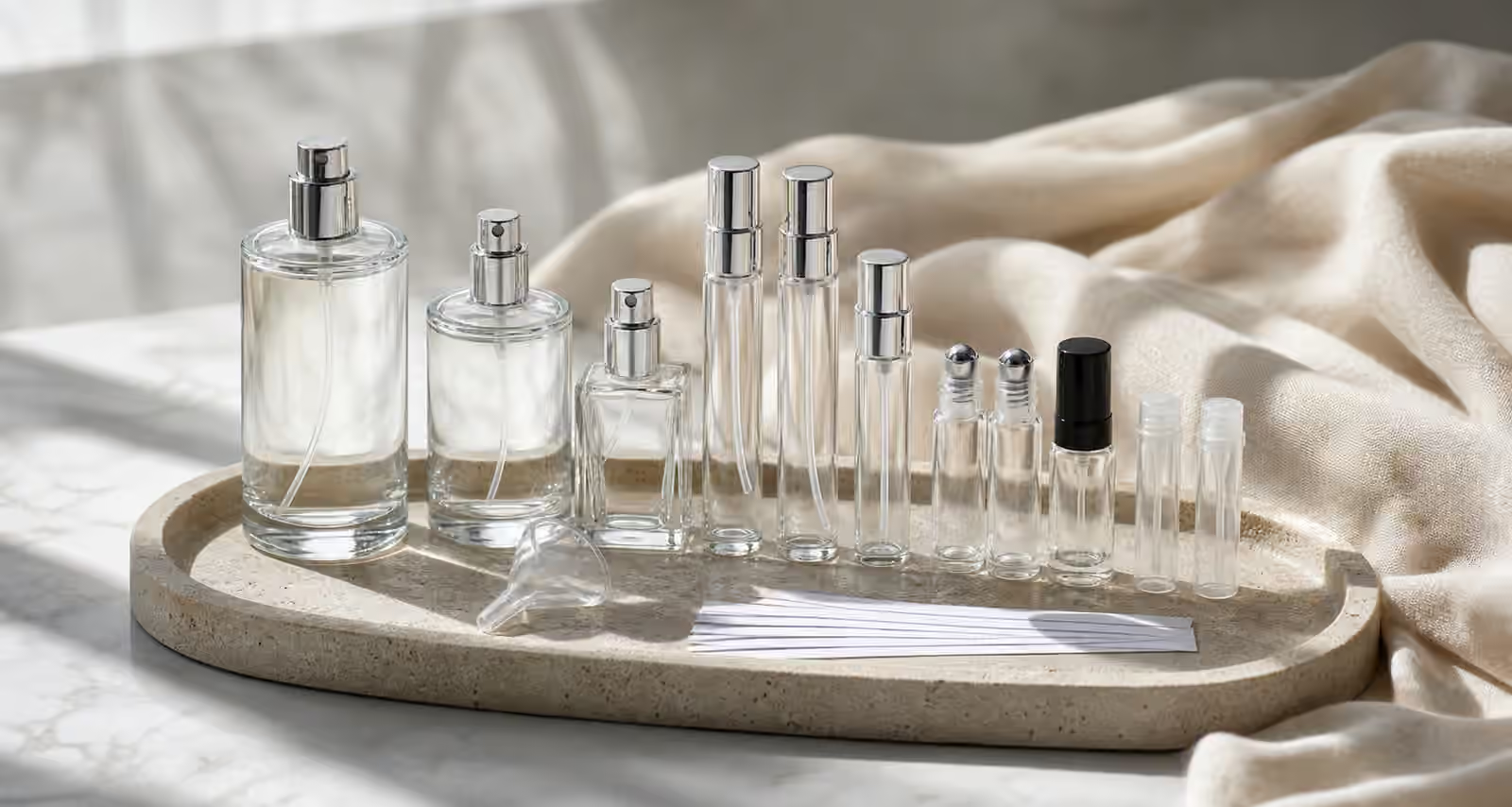
Atomizers, Sprayers, and Rollerballs belongs beside application because format changes dose before placement begins. A full bottle spray, dab vial, rollerball, travel atomizer, and fabric mist can make the same scent feel close, airy, forceful, or softer than expected.
Perfume on Clothes and Fabric belongs beside application because cloth changes fragrance behavior. Scarves, coats, cuffs, collars, laundry residue, and delicate fabrics can make perfume last longer, project differently, or linger after the wearer expected it to fade.
Close-Space Fragrance belongs in the wearing path because it is not only about what smells good. It is about projection, distance, shared rooms, office days, travel, and the skill of keeping a scent close enough to be kind.
Traveling With Fragrance extends that same idea into bags, heat, leaks, decants, fabric, airport rules, hotel storage, and the restraint needed when people cannot easily choose distance.
Home Fragrance Without Overpowering the Room extends close-space judgment into rooms. Candles, diffusers, room sprays, scented textiles, airflow, and guest comfort all change how fragrance behaves when it belongs to shared air instead of one body.
Build a Wardrobe
- Beginner Fragrance Wardrobes
- Choosing a Signature Scent Without Forcing One
- Choosing Fragrance as a Gift Without Guessing
- Unisex Fragrance Labels
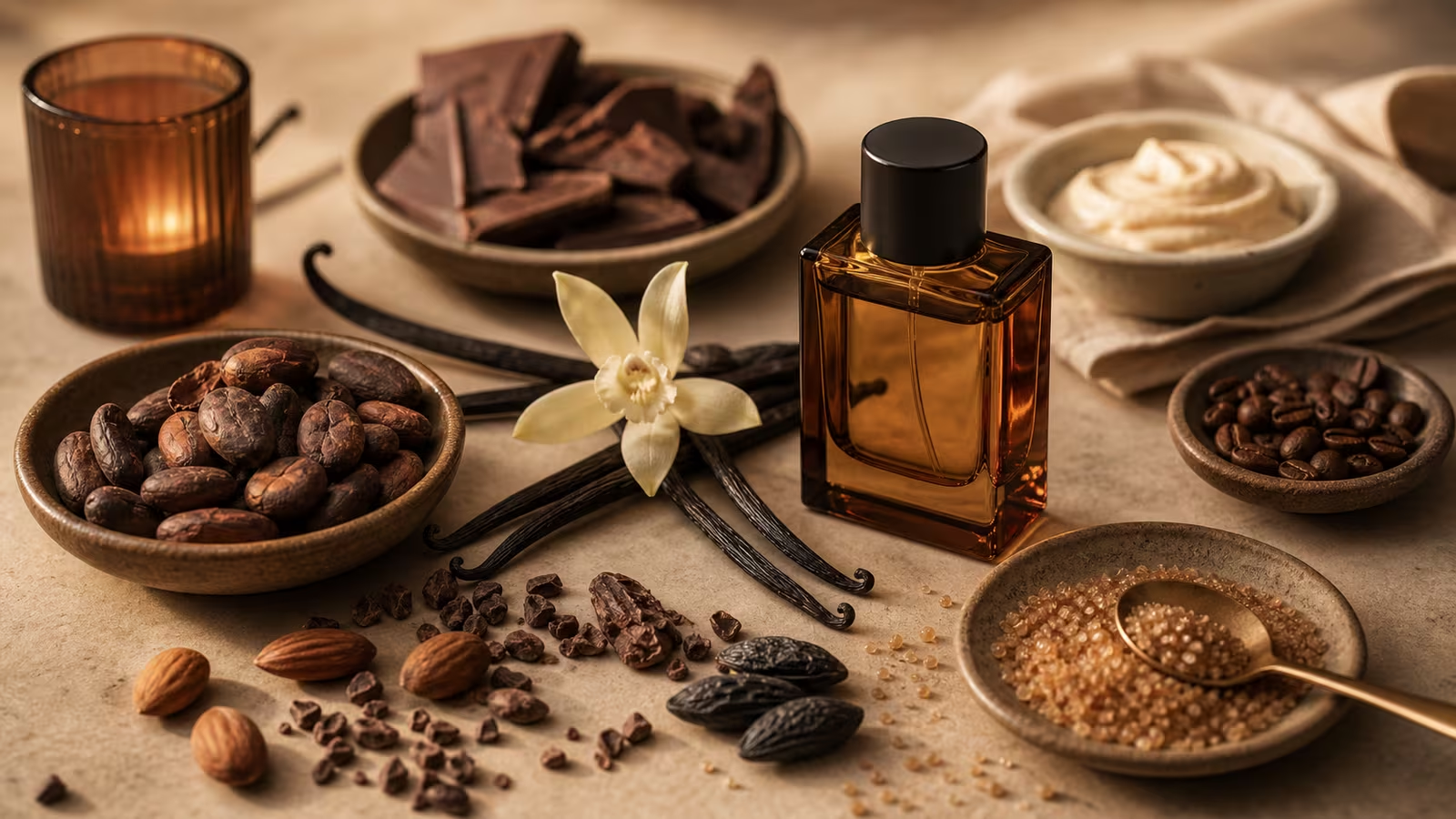
- Gourmand Scents
- Caramel and Praline Scents
- Coffee and Cacao Scents
- Honey and Beeswax Scents
- Vanilla and Tonka Scents
- Rice, Almond, and Soft Grain Scents
- Coconut and Lactonic Scents
- Fresh Scents
- Clean, Soapy, and Laundry Scents
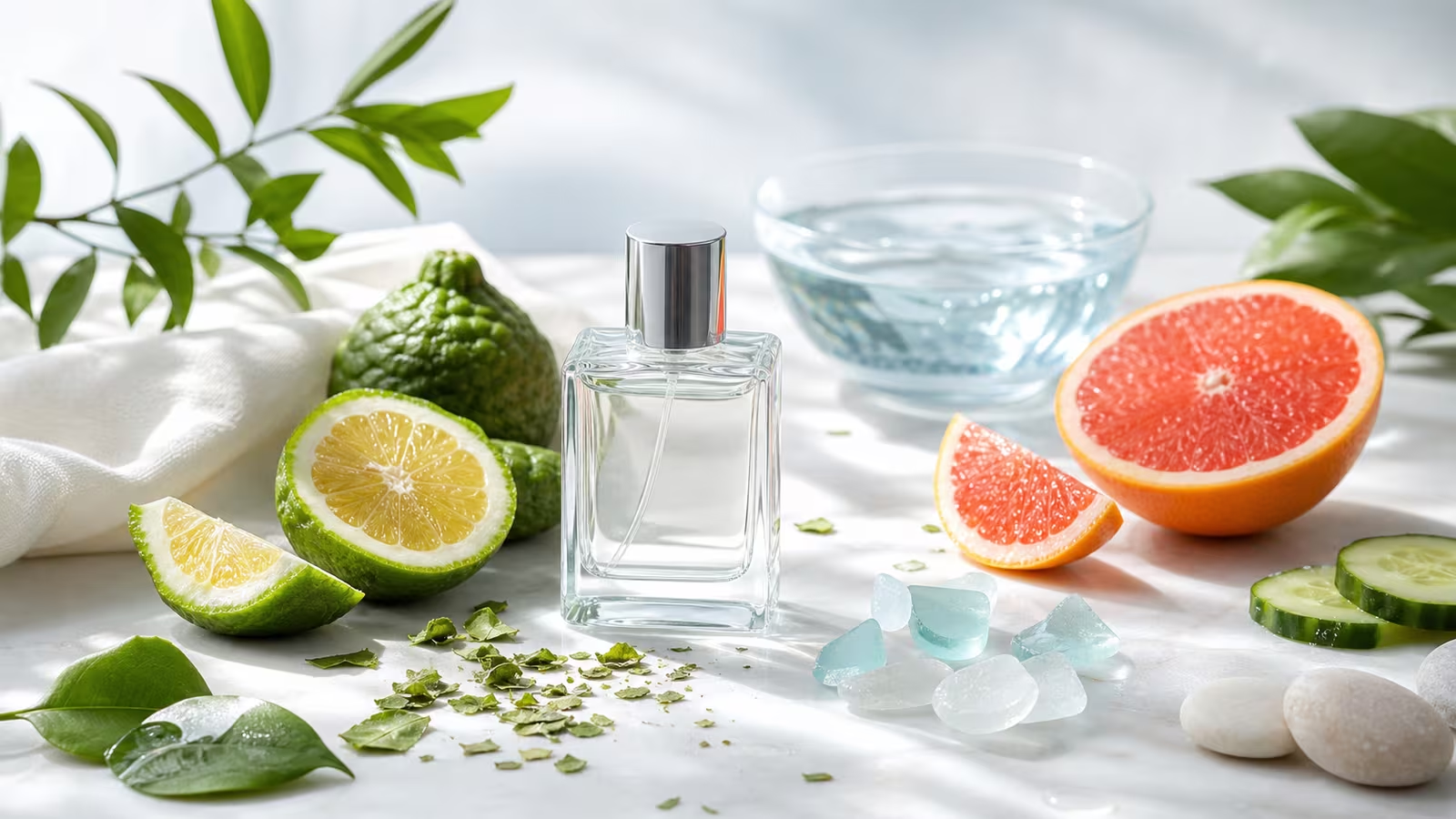
- Citrus Scents
- Neroli and Orange Blossom Scents
- Green and Herbal Scents
- Mint and Cooling Scents
- Fig Leaf and Milky Scents
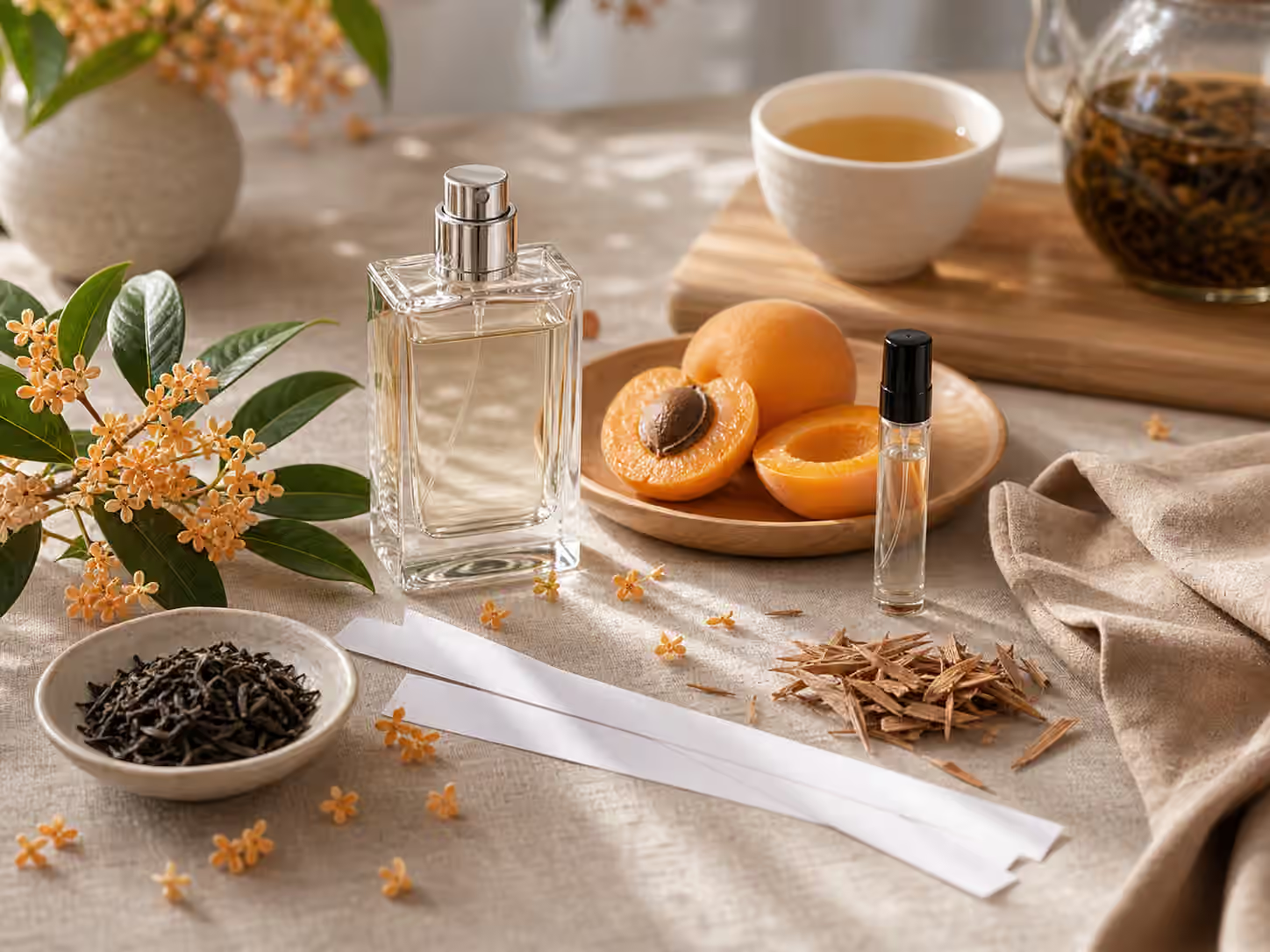
- Tea Scents
- Aquatic and Marine Scents
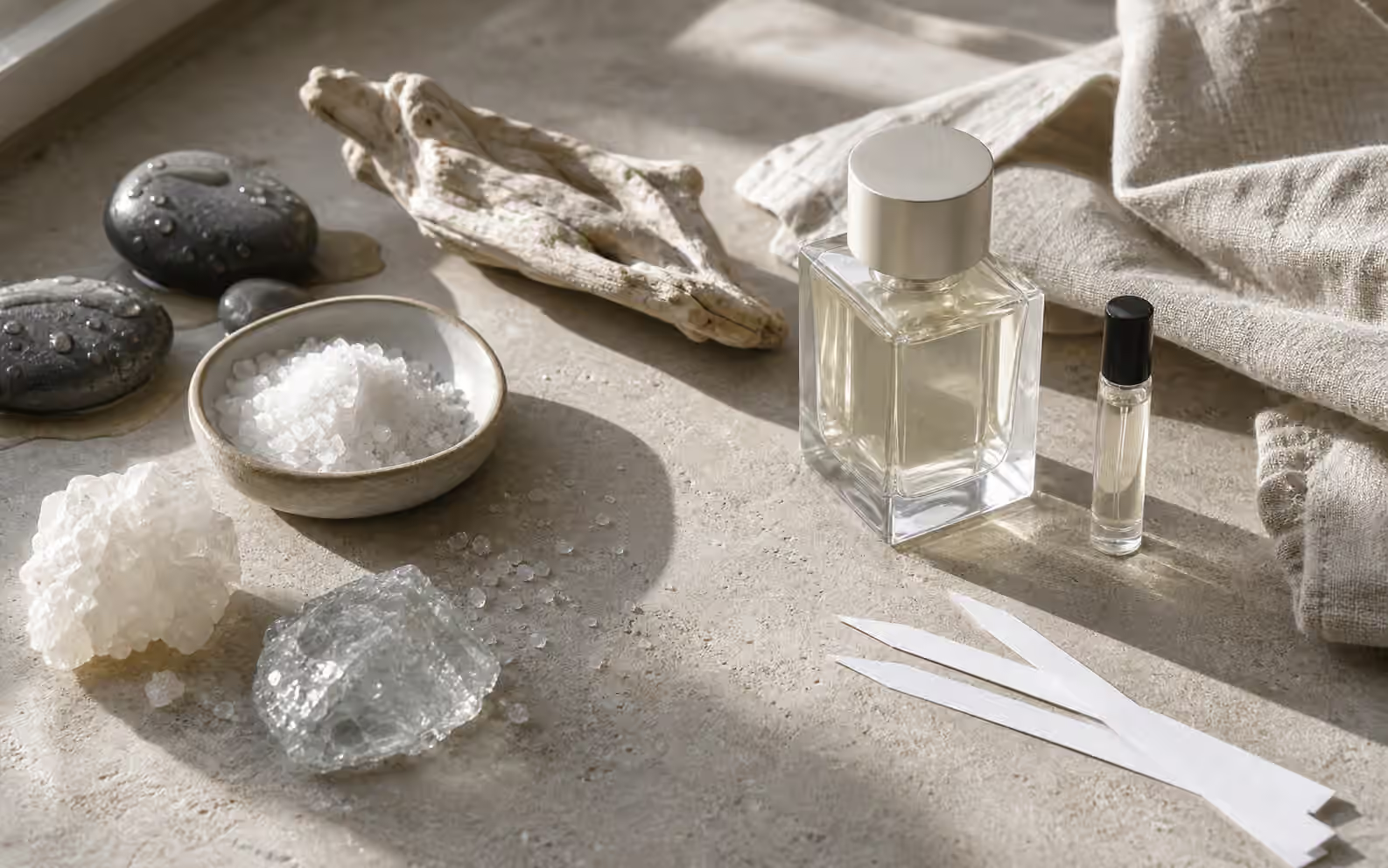
- Salt and Mineral Notes in Perfume
- Fruity Scents
- Cherry, Plum, and Dark Fruit Scents
- Osmanthus Scents
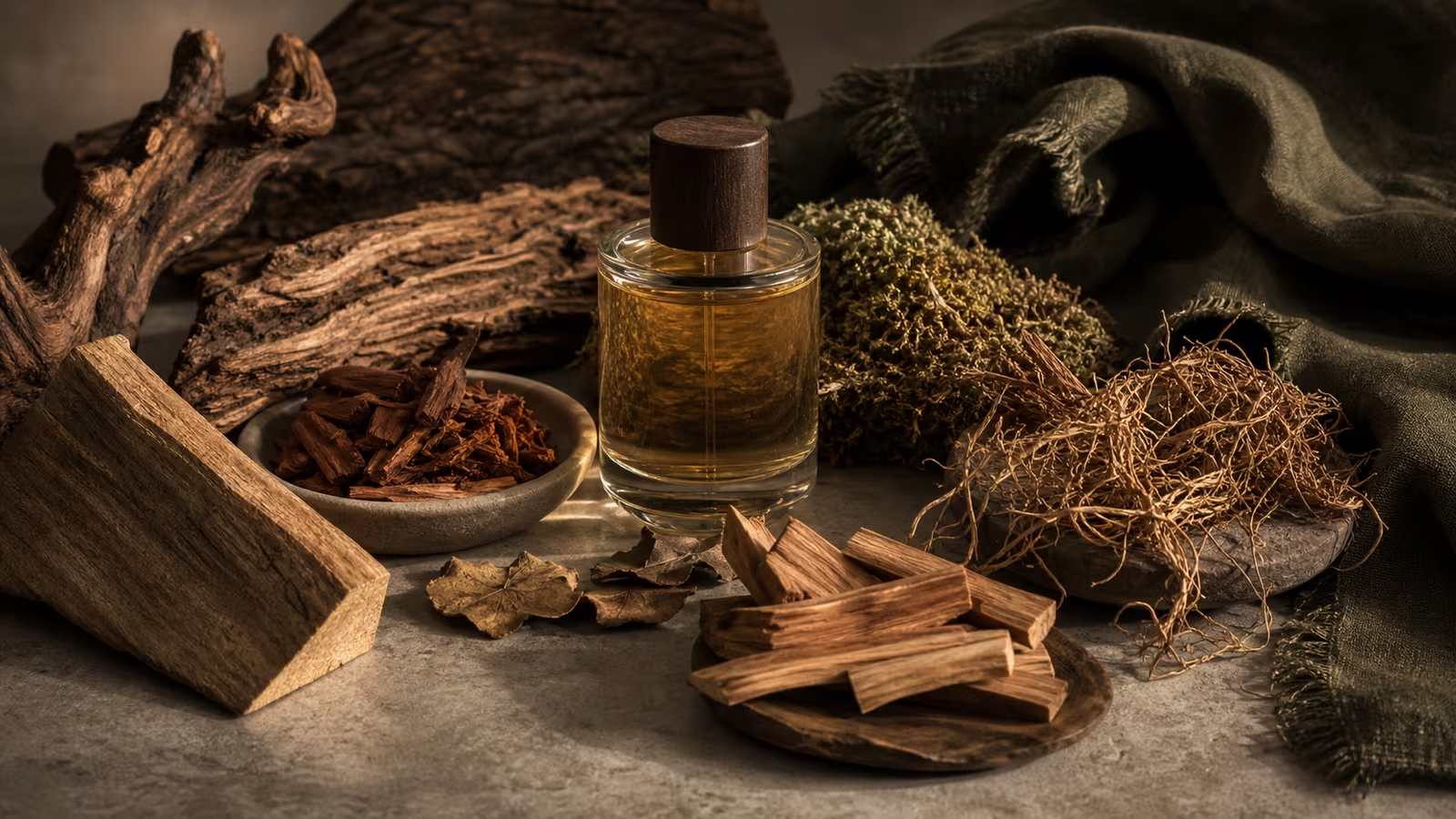
- Woody Scents
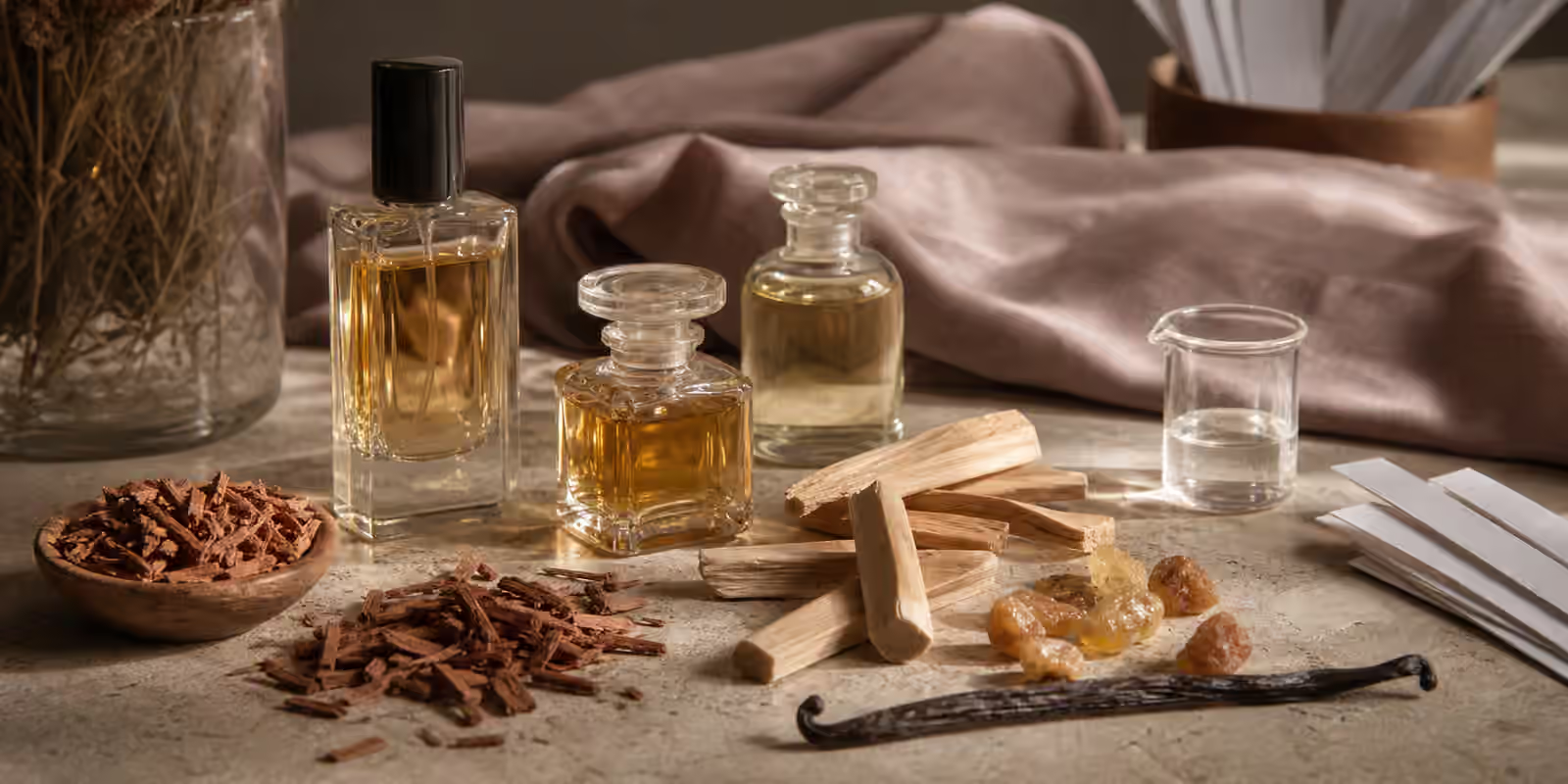
- Sandalwood and Cedar Scents
- Vetiver Scents
- Patchouli Scents
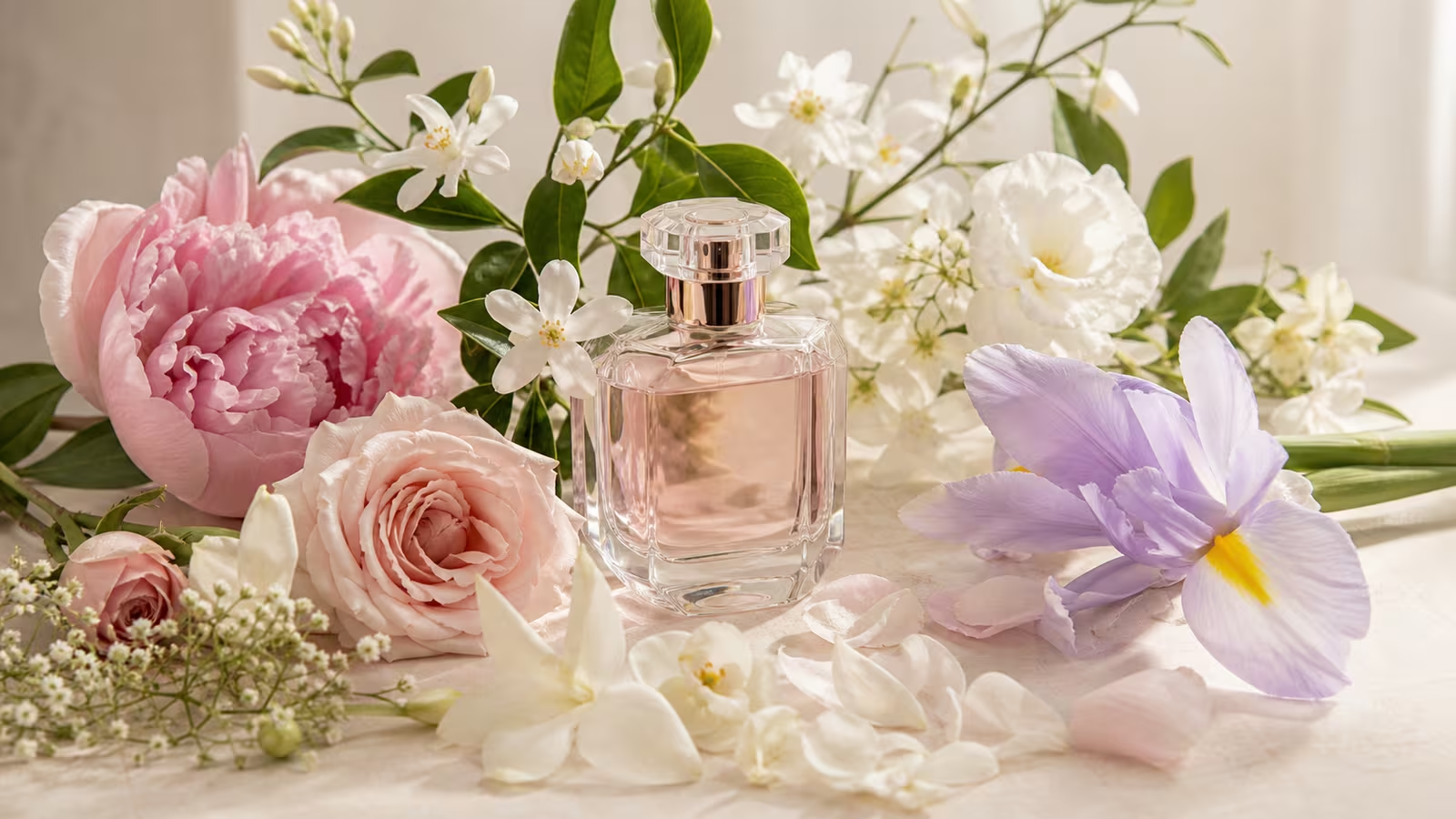
- Floral Scents
- Rose Scents
- White Floral Scents
- Jasmine and Tuberose Scents
- Iris and Violet Scents
- Amber, Resin, and Spice Scents
- Spice Notes in Perfume
- Tobacco, Incense, and Smoke Scents
- Oud and Dark Woody Scents
- Musk and Skin Scents
- Animalic Notes in Perfume
- Powdery Scents
- Aldehydic Scents
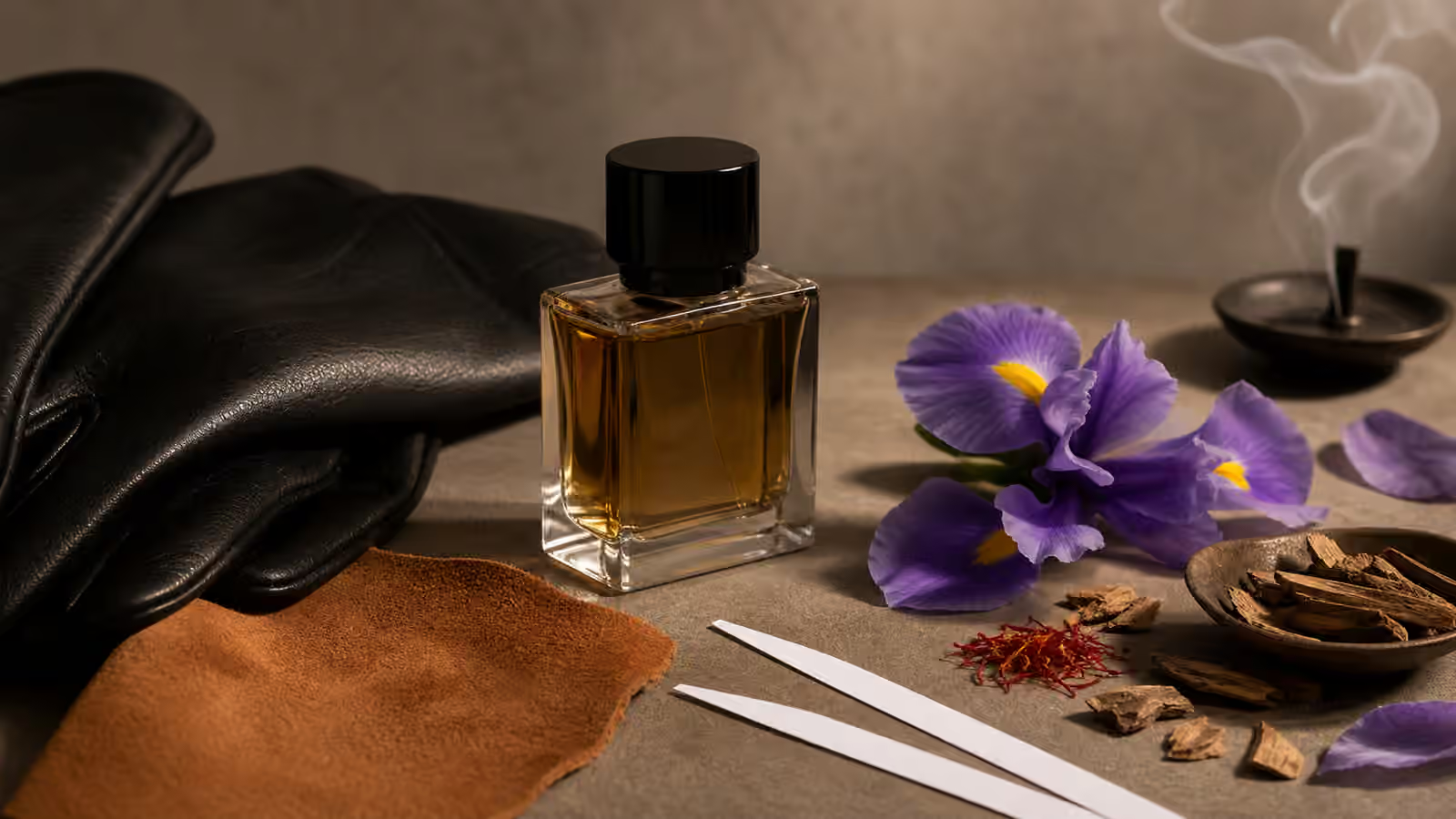
- Leather and Suede Scents
- Lavender and Aromatic Scents
- Chypre and Fougere Scents
Citrus Scents belongs beside fresh scents because it gives bergamot, lemon, grapefruit, mandarin, neroli, orange blossom, and petitgrain their own structure. Citrus is often treated as a quick top note, but it also teaches bitterness, sparkle, cologne architecture, drydown expectations, and why fresh perfumes need more than a pretty first spray.
Choosing a Signature Scent Without Forcing One belongs near the wardrobe guides because a signature scent is usually discovered through repeat wear rather than declared from a first spray. It gives the reader a slower way to judge fit, projection, season, drydown, and real-life usefulness before committing to one most-worn bottle.
Choosing Fragrance as a Gift Without Guessing belongs near wardrobes because gifting perfume is really a question of fit, size, and permission. Samples, discovery sets, travel sprays, body mists, and known favorites are often kinder than a dramatic blind full bottle.
Unisex Fragrance Labels belongs near wardrobes and scent families because masculine, feminine, and unisex labels are often marketing shortcuts rather than scent rules. It helps readers choose by materials, drydown, context, projection, and real wear instead of letting the shelf decide what they are allowed to like.
Vanilla and Tonka Scents belongs beside gourmand, amber, musk, and woody styles because vanilla and tonka are not only dessert notes. Dry woods, musk, tobacco, tea, salt, amber, and spice can turn familiar sweetness into structure, comfort, or a close-wearing base.
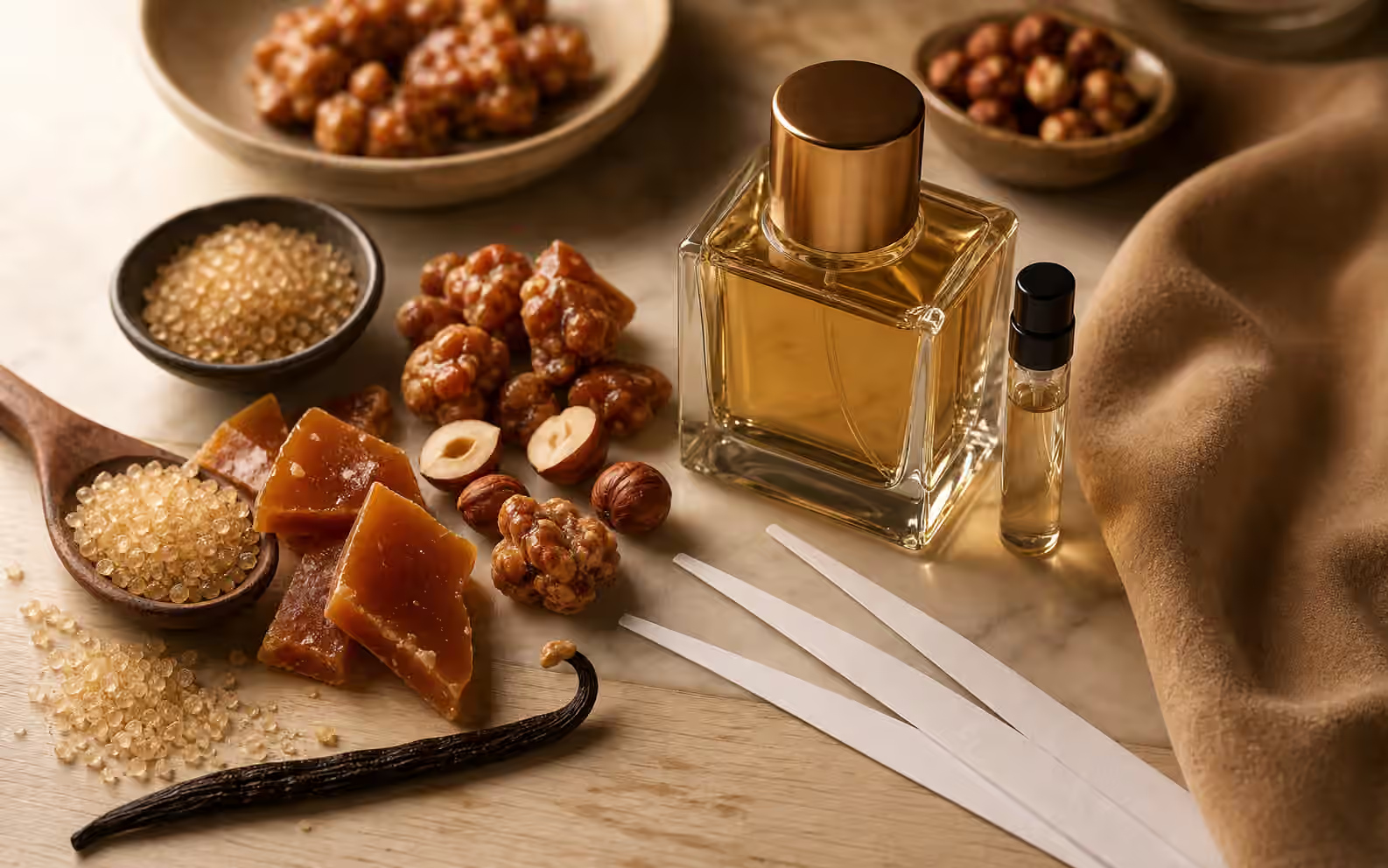
Caramel and Praline Scents belongs beside gourmand, vanilla, coffee, cacao, amber, and close-space guides because toasted sweetness needs contrast. Caramel, praline, brown sugar, nuts, salt, woods, musk, and spice show why a gourmand can feel plush without becoming sticky.
Coffee and Cacao Scents belongs beside gourmand and vanilla because roasted bitterness changes edible warmth. Coffee, cacao, patchouli, woods, musk, vanilla, rose, and amber can make a sweet fragrance feel drier, darker, and more wearable than a simple dessert impression.
Honey and Beeswax Scents belongs beside gourmand, amber, floral, tobacco, and animalic guides because honey is not only sweetness. Nectar, wax, pollen, tea, tobacco leaf, white florals, resins, and warm musks can make a fragrance feel golden, tactile, or too enveloping depending on dose.
Rice, Almond, and Soft Grain Scents belongs beside gourmand, powdery, musk, tea, and lactonic guides because quiet comfort is not always sugary. Rice steam, almond powder, heliotrope, oat, sesame, musk, and pale woods give the fragrance wardrobe a softer kind of warmth.
Coconut and Lactonic Scents belongs beside gourmand, fig, white floral, musk, and sandalwood guides because creamy texture changes the whole surface of a perfume. Coconut milk, lactonic peach, fig sap, sandalwood cream, white flowers, vanilla, and musk can feel soft without always becoming dessert.
Clean, Soapy, and Laundry Scents belongs near fresh, musk, powdery, and aldehydic styles because clean perfume is not a single note family. Soap, laundry, skin musk, iris powder, citrus, white florals, and aldehydes all create different kinds of freshness, with different projection and fabric behavior.
Aquatic and Marine Scents belongs beside fresh scents because it explains the watery side of freshness more carefully. Sea air, salt, rain, mineral notes, watery fruit, clean musk, and driftwood behave differently from citrus or laundry-clean perfumes, especially in warm weather and close rooms.
Salt and Mineral Notes in Perfume belongs beside aquatic, fresh, musk, and amber guides because salt is often texture rather than scenery. Sea air, warm skin, wet stone, mineral musk, driftwood, citrus, and ambergris-style effects can make a perfume feel clean, human, dry, or surprisingly diffusive.
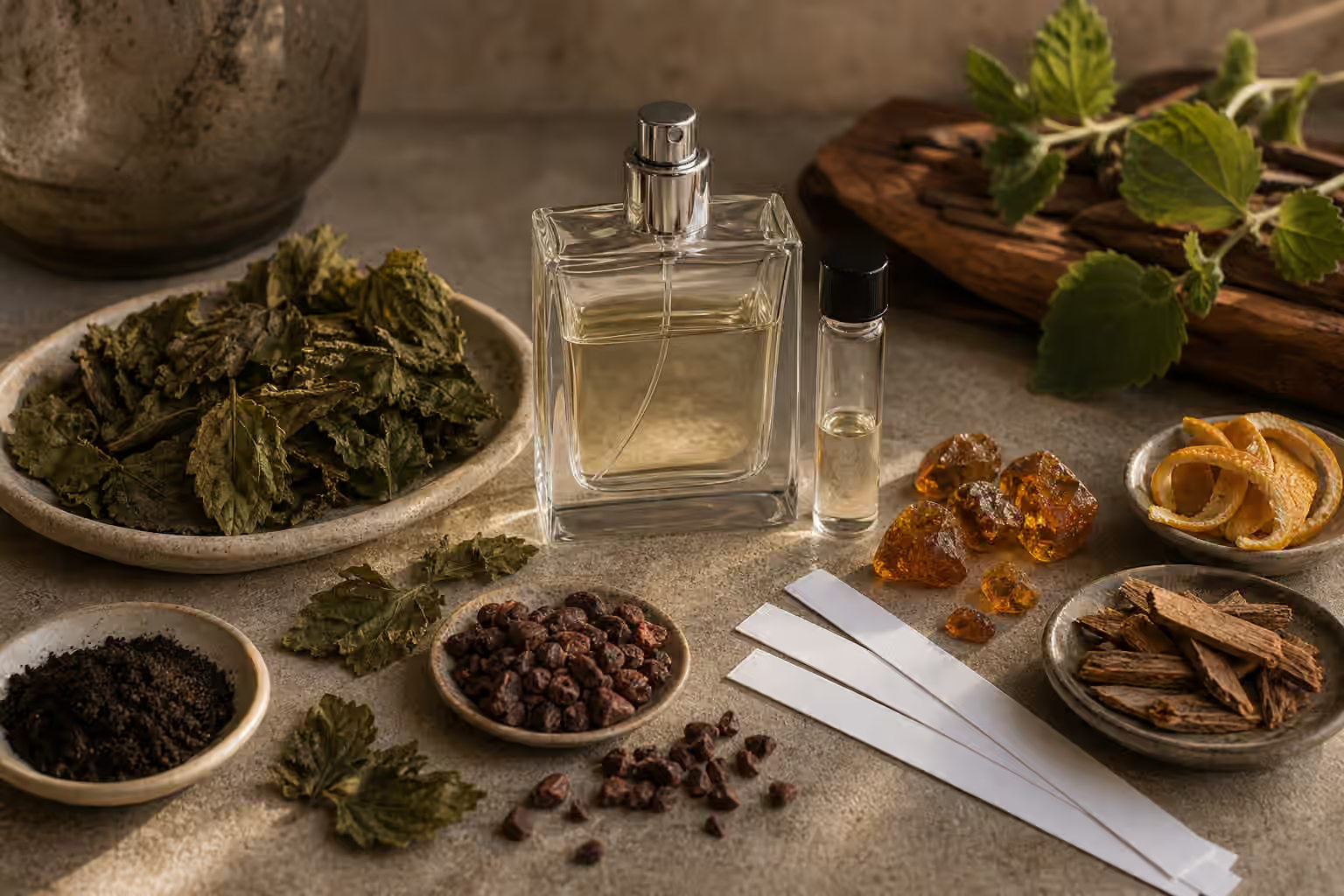
Green and Herbal Scents belongs beside fresh scents because it gives leaves, stems, herbs, fig leaf, tomato leaf, galbanum, and moss their own space. Green fragrances can be refreshing, but their real value is texture: they make florals more alive, fruits less syrupy, woods more shaded, and clean scents less generic.
Mint and Cooling Scents belongs between fresh, green, tea, citrus, and aromatic guides because coolness is its own texture. Mint, eucalyptus, basil, icy musks, tea, pale woods, and mineral effects can make a perfume feel brisk without turning every fresh scent into laundry or shower gel.
Neroli and Orange Blossom Scents belongs between citrus, clean, and white floral guides because orange flower can be bitter, soapy, petal-soft, green, musky, or cologne-like. It explains why neroli freshness and orange blossom warmth need different expectations.
Fig Leaf and Milky Scents belongs near green, fruity, woody, coconut, and musk styles because fig is usually a whole-plant accord. Leaf, sap, pulp, milkiness, cedar, sandalwood, tea, and clean musk can turn a fresh scent into shaded texture instead of simple brightness.
Tea Scents belongs between fresh, green, citrus, musk, and woody styles because tea gives freshness a dry leaf structure. Green tea, black tea, Earl Grey, white tea, matcha, jasmine tea, and smoky tea all show how quiet fragrances can feel specific without becoming loud.
Osmanthus Scents belongs between fruity, tea, floral, suede, and leather guides because osmanthus turns apricot and peach into a drier texture. Tea, musk, pale woods, hay, suede, and quiet animalic warmth explain why this small flower can feel understated rather than sugary.
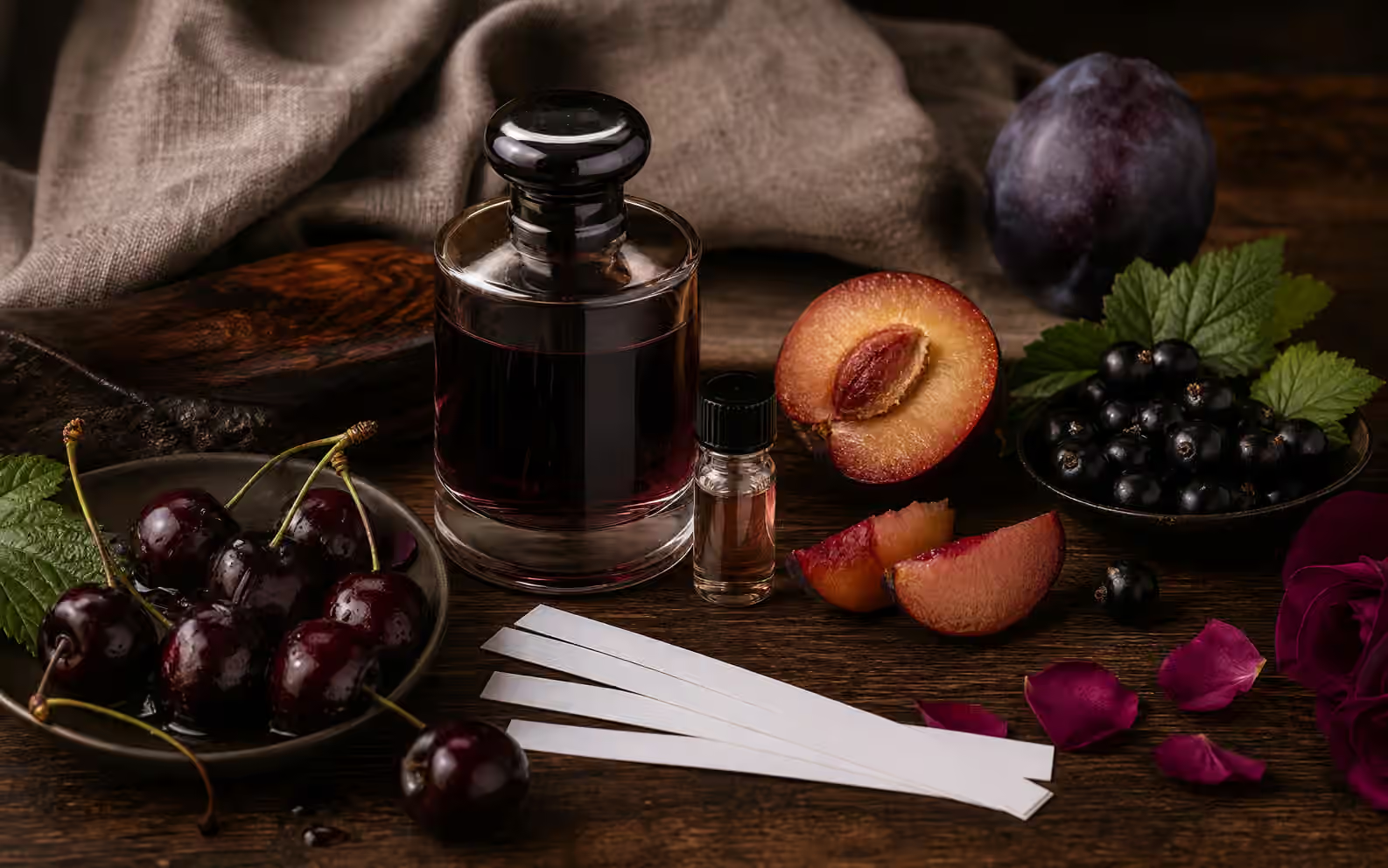
Cherry, Plum, and Dark Fruit Scents belongs beside fruity, rose, patchouli, leather, amber, and gourmand guides because dark fruit works as color as much as sweetness. Cherry, plum, cassis, blackcurrant, woods, musk, suede, and rose show how fruit can become plush, tart, shadowed, or polished.
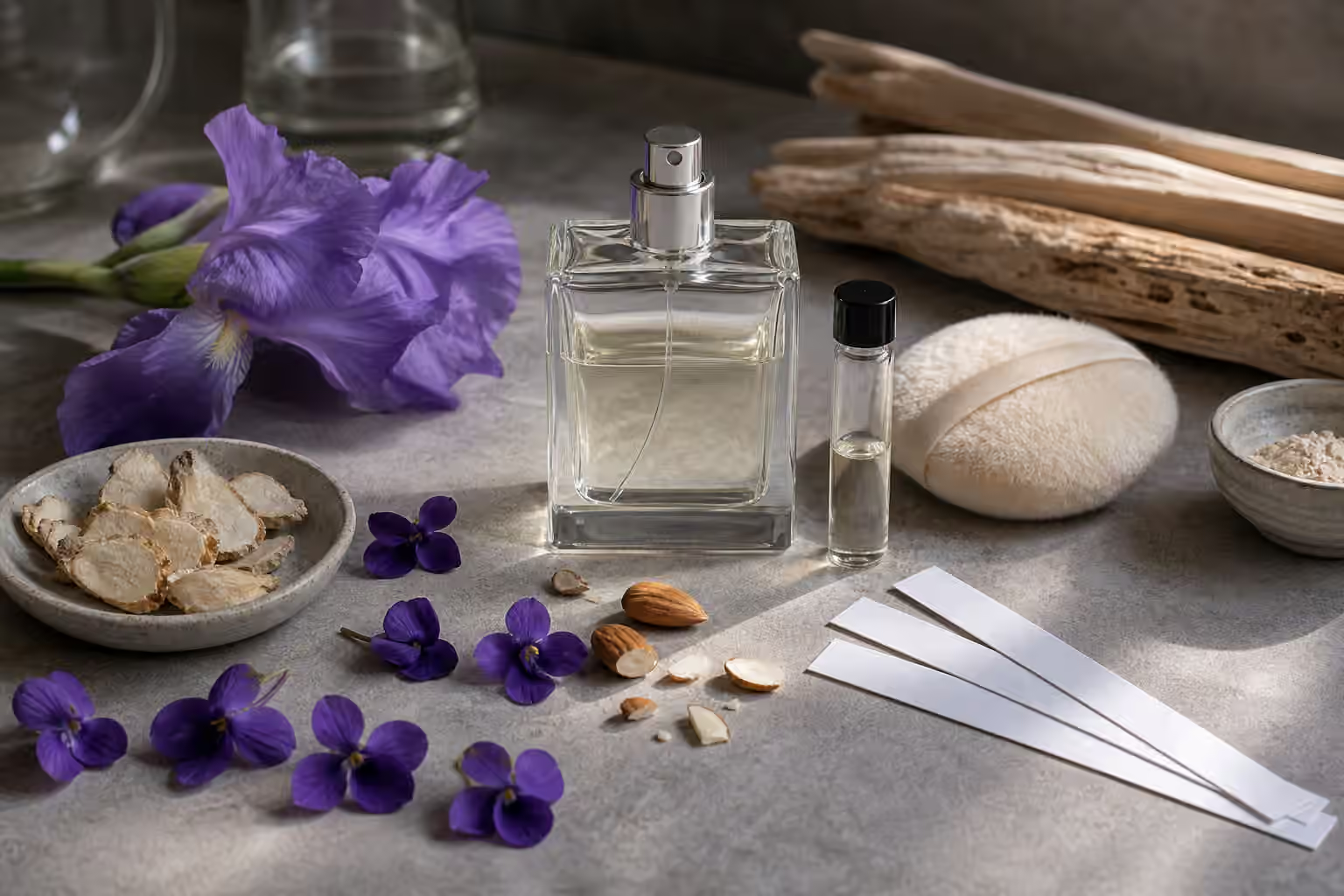
Powdery Scents belongs near the floral and musk guides because powder is less a single ingredient than a texture. Iris, violet, heliotrope, almond, musks, woods, and cosmetic-style accords can make a fragrance feel cool, clean, tender, polished, nostalgic, or quietly modern.
Vetiver Scents belongs beside woody, green, citrus, chypre, and fougere guides because vetiver gives freshness a dry backbone. Rooty, grassy, smoky, clean, and tailored versions explain why one material can make a perfume feel grounded without making it heavy.
Sandalwood and Cedar Scents belongs beside woody scents because it separates two everyday woody structures. Sandalwood brings cream, musk, warmth, and calm, while cedar brings dry shavings, clarity, citrus lift, and a cleaner frame for florals, spice, vanilla, and musk.
Patchouli Scents belongs near woody, amber, rose, cacao, and musk guides because patchouli is often the hidden floor under a perfume. Earth, dry leaves, cocoa facets, clean woody fractions, rose depth, and amber shadow all explain why one material can feel either loud or quietly structural.
White Floral Scents belongs beside the floral, green, animalic, musk, and close-space guides because jasmine, tuberose, orange blossom, gardenia, and white floral accords can be radiant, creamy, clean, indolic, or room-filling depending on structure and dose.
Jasmine and Tuberose Scents belongs beside white floral, green, animalic, neroli, musk, and close-space guides because these flowers teach volume and texture. Jasmine, tuberose, gardenia, cream, stems, indolic warmth, musk, and orange blossom show why white florals can be luminous without being simple.
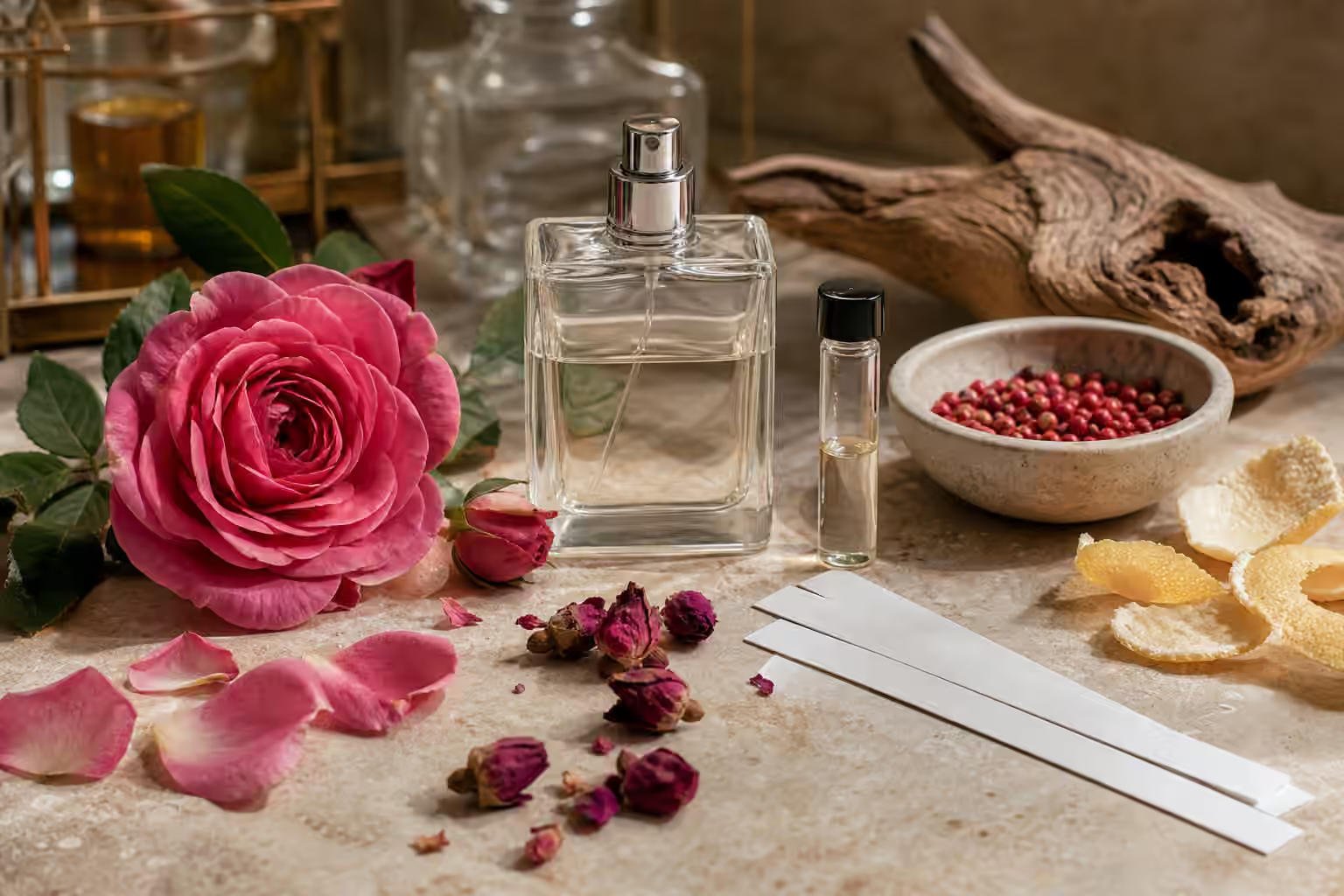
Rose Scents belongs beside floral scents because rose is a whole wardrobe of its own. Fresh petals, tea rose, jammy fruit, pepper, saffron, patchouli, cedar, oud-style woods, musk, and powder all change whether rose feels green, romantic, dark, clean, or quietly modern.
Iris and Violet Scents belongs beside powdery, floral, leather, musk, and woody styles because those notes explain powder with more precision. Orris-like root effects, violet leaf, lipstick accords, suede, cedar, sandalwood, and clean musk can make a fragrance feel cool, tactile, and close.
Aldehydic Scents belongs between clean, floral, and powdery styles because aldehydes often work as brightness and polish. They can make flowers sparkle, musk feel starched, powder feel cosmetic, and fresh scents feel more dressed than casual.
Lavender and Aromatic Scents belongs near green, clean, amber, musk, and fougere guides because lavender is both floral and herbal. Rosemary, sage, petitgrain, tonka, mossy structure, woods, and soft amber show how aromatic freshness can last beyond a quick citrus opening.
Chypre and Fougere Scents belongs near the scent family guides because it explains classic perfume structures rather than single notes. Mossy contrast, lavender aromatics, coumarin warmth, citrus lift, and woody bases help connect fresh, floral, woody, amber, and polished wardrobe scents.
Tobacco, Incense, and Smoke Scents belongs near amber, leather, woods, and spice because those materials often share dry warmth. Tobacco leaf, frankincense, myrrh, charred woods, tea smoke, vanilla, resins, and suede can add atmosphere without turning every warm scent sweet.
Oud and Dark Woody Scents belongs near tobacco, incense, smoke, leather, rose, amber, and woody guides because oud-style accords are less a single smell than a dark structure. Resin, saffron, rose, leather, animalic warmth, smoke, sweetness, and projection all need careful proportion.
Spice Notes in Perfume belongs near amber, leather, tea, tobacco, woody, and gourmand styles because spice is a tool as much as a family. Cardamom, pepper, saffron, cinnamon, ginger, clove, and nutmeg can add lift, heat, texture, or restraint to scents that might otherwise feel flat.
Animalic Notes in Perfume belongs beside musk, leather, florals, aquatics, and chypres because animalic effects are usually textures rather than a single family. Skin warmth, salty ambergris-style air, indolic white florals, suede, civet-like shadows, and warm musks explain why some perfumes feel alive instead of merely clean or decorative.
The Fragrance Studio game track gives each guidebook a matching lesson, so you can read slowly and then practice the main decisions in a few minutes.