White Gold Rhodium Engagement Rings: Color, Wear, and Replating
White gold is not naturally paper-white. It is gold alloyed with paler metals, then often finished with a thin layer of rhodium to give the bright cool tone many shoppers expect. That rhodium surface is part of why white gold engagement rings can look so crisp in the case. It is also why the same ring may look warmer, creamier, or slightly yellow-gray after months or years of wear.
This does not make white gold a bad choice. It simply means white gold should be purchased with its maintenance story included. A buyer who expects permanent platinum-like whiteness may be surprised. A buyer who understands rhodium plating can decide whether periodic replating is acceptable, whether platinum is worth considering, or whether the warmer undertone of unplated white gold is actually appealing.
The broader ring metals guide compares gold colors, platinum, and other metal choices. This page slows down on the specific issue that causes many white gold surprises: the difference between the alloy and the surface finish.
White Gold Is an Alloy First
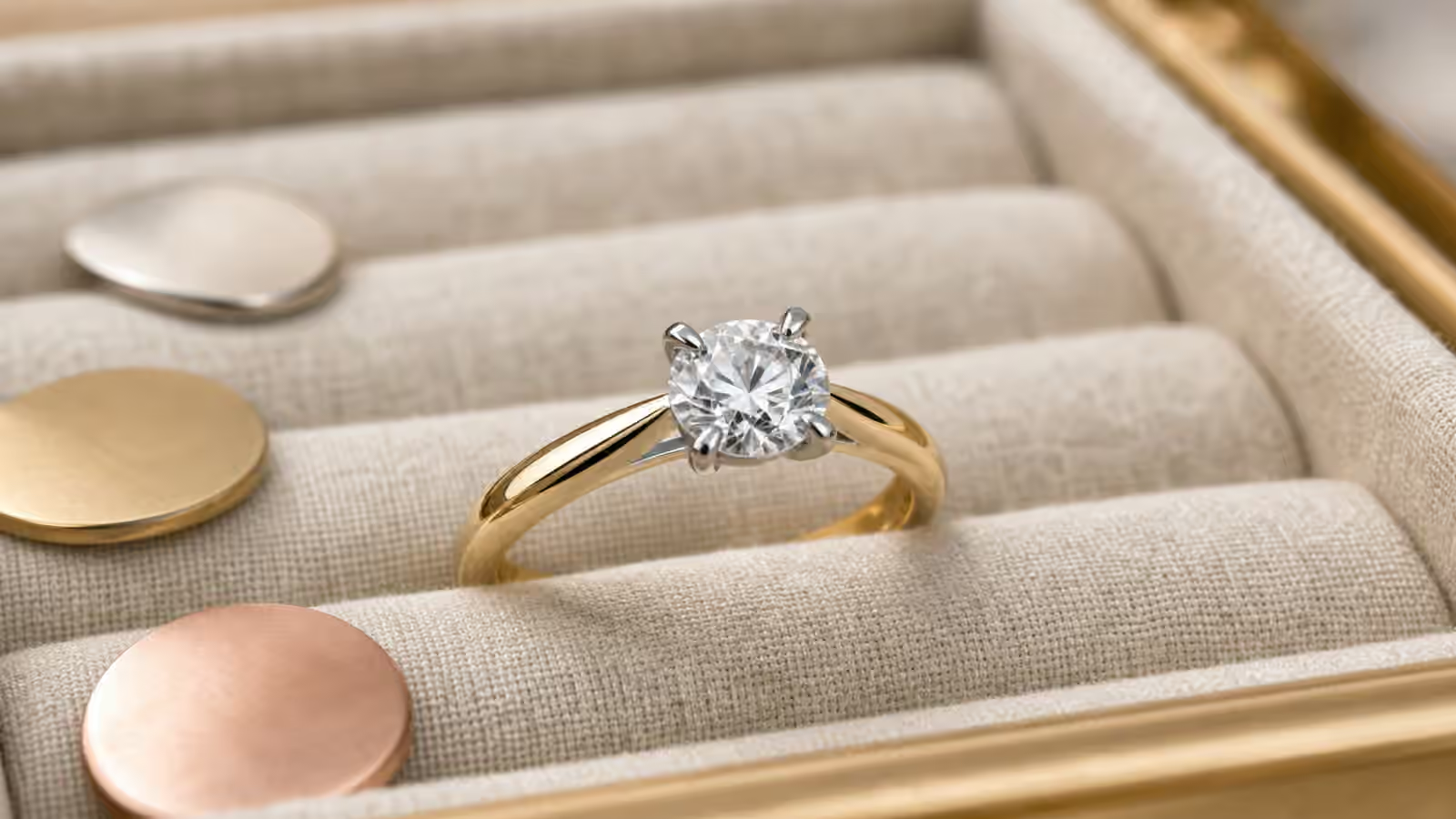
Pure gold is yellow and too soft for most engagement ring use. Jewelry gold is alloyed with other metals to change hardness, color, and working properties. Yellow gold keeps a warm look. Rose gold gains coppery color. White gold uses paler alloying metals to move the color toward white, but the result usually still has an undertone. Depending on the alloy, that undertone may be faintly yellow, gray, or warm.
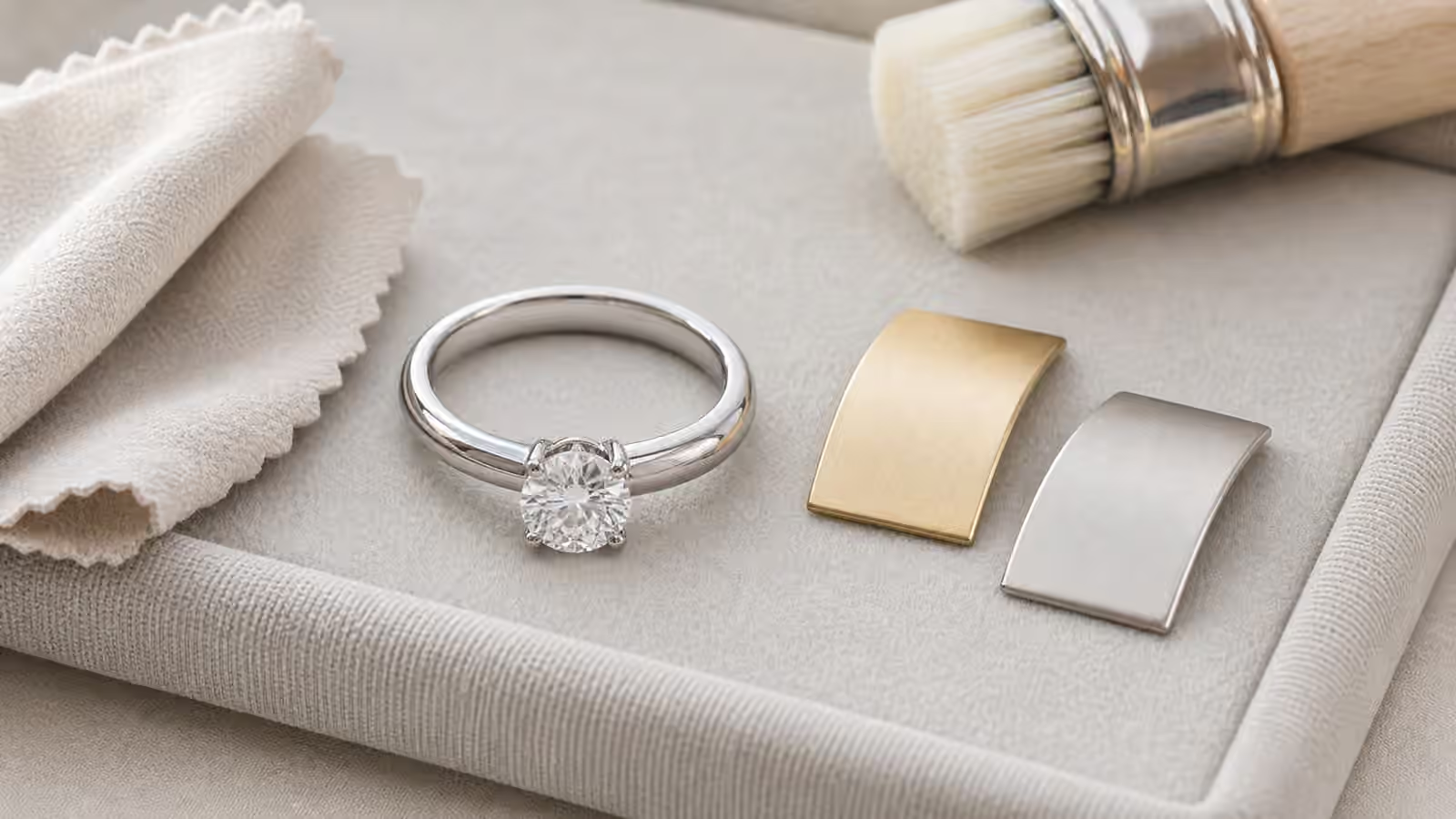
Rhodium plating sits on top of that alloy. Rhodium is a platinum-group metal with a bright white appearance and strong reflectivity. A thin rhodium layer can make white gold look cooler and whiter than the alloy underneath. The layer is not thick like a separate shell. It is a surface finish, and surface finishes wear.
This distinction matters when comparing rings. A newly plated white gold ring and a platinum ring may both look white under showroom lighting. Over time, the white gold ring can reveal its warmer base color where the plating wears most. Platinum does not need rhodium to be white, though it develops its own patina and can look grayer with wear. The choice is not simply “white metal.” It is which white metal behavior the wearer prefers.
Where Rhodium Wears First
Rhodium plating usually wears first on high-contact areas. The underside of the shank touches surfaces, skin, soap, and daily objects. The sides of the band rub against neighboring fingers. Prong tips and raised details may polish down through ordinary contact. Areas protected under the setting or between details may stay bright longer.
Because wear is uneven, a white gold ring may not change color all at once. It may show warmth on the palm side while the top still looks bright. A ring with a wide smooth band may reveal wear differently from a delicate pave ring. A wearer who works with their hands, lifts weights, gardens, or wears the ring through heavy household tasks may see plating wear faster than someone who removes the ring for those activities.
The active lifestyle engagement rings guide is useful because metal finish is only one part of daily wear. A ring chosen for a hands-on life should account for shank strength, stone security, cleaning, and finish maintenance together.
Replating Is Routine, But Not Magic
Replating a white gold ring is a common jewelry service. The jeweler cleans and prepares the ring, then applies a new rhodium layer. When done well, the ring can look bright again. The service is routine enough that many jewelers discuss it casually, but it is still a service visit. The ring may need inspection, cleaning, and sometimes repair before plating makes sense.
Replating will not fix structural problems. If prongs are worn, stones are loose, or the shank is bent, those issues should be addressed first. Plating over trouble only makes the surface look better temporarily. The engagement ring prongs and ring care guides cover the inspection habits that should accompany surface maintenance.
The interval between replating varies. It depends on the alloy, plating thickness, wear habits, ring design, and personal tolerance for warmth showing through. Some wearers replate regularly because they want the ring to look icy white. Others allow the ring to mellow and only replate before a major event or after repair. A jeweler can describe the likely pattern, but no one can promise an exact schedule for every hand.
White Gold and Diamond Color Interact
Metal color affects how a diamond’s body color is perceived. Bright rhodium-plated white gold can make a near-colorless diamond look crisp. It can also create more contrast with a warmer diamond, especially if the stone is large or set in a style that exposes the side. A slightly warm diamond may look perfectly harmonious in yellow gold but more tinted in a cool white setting.
The diamond color grades guide explains this comparison effect in more detail. For white gold, remember that the apparent metal color may change over time as plating wears. If the diamond was chosen to match a very bright plated surface, the ring may feel different once the base alloy shows a little warmth.
This is not always a problem. Some wearers like the softer tone of white gold as it ages. Others prefer the ring to remain high-contrast and bright. If diamond color sensitivity is high, compare the stone in white gold, yellow gold, and platinum-colored contexts before deciding. The best choice is the one that still looks good outside the showroom.
Two-Tone Designs Can Use the Difference
White gold does not have to pretend to be platinum. In two-tone rings, rhodium-plated white gold can be used selectively around the stone while yellow or rose gold forms the shank. This can keep prongs visually quiet against a diamond while letting the ring feel warm on the hand. It can also make future color shifts less surprising because contrast is already part of the design.
The two-tone engagement rings guide covers the design side of mixing metals. From a maintenance view, ask which parts are plated and which are not. If only the head is rhodium-plated, replating may be simpler visually but still requires care around stones. If the entire ring is white gold with yellow gold accents, the jeweler needs to protect the intended contrast during service.
Two-tone designs also make repair conversations more specific. Soldering, polishing, and replating can affect adjacent metal colors. A good jeweler will explain how the ring can be serviced without blurring the design.
Nickel, Sensitivity, and Alloy Questions
Some white gold alloys contain nickel, and some wearers are sensitive to nickel. Other white gold alloys use palladium or different metal combinations. The exact alloy matters for color, workability, and skin comfort. If the wearer has a known sensitivity, ask before buying and consider alternatives. This is not a medical diagnosis issue; it is a materials question the jeweler should be able to answer or investigate.
Plating can create temporary separation between skin and the underlying alloy, but it should not be treated as the whole solution for sensitivity. Plating wears, especially on the inside of the shank where skin contact is constant. If sensitivity is a concern, the base metal choice matters more than the fresh surface finish.
Platinum may be worth considering for someone who wants a naturally white metal and is willing to accept its different weight, cost, and patina. Yellow or rose gold may be better for someone who prefers warmth and wants to avoid the replating cycle. White gold remains a strong option when the wearer likes its balance of appearance, cost, and serviceability.
Ask the Maintenance Questions Before Buying
A white gold engagement ring purchase should include a few plain conversations. Is the ring rhodium-plated? What is the base alloy’s undertone? How often do customers with similar wear habits tend to replate? Is replating included in a service plan, discounted, or treated as a separate maintenance visit? Will replating affect any engraving, finishes, or mixed-metal details?
The engagement ring warranties and service plans guide can help because some plans include inspections or surface services while others do not. Read the terms carefully. A promise of cleaning is not the same as a promise of replating. A warranty against manufacturing defects is not the same as ordinary finish maintenance.
If the ring has matte, brushed, hammered, or engraved surfaces, ask how replating and polishing will preserve those textures. The engagement ring finishes and textures guide explains why surface detail changes with wear. Rhodium can refresh whiteness, but heavy polishing can soften texture if done carelessly.
When White Gold Is the Right Choice
White gold is a good fit for someone who wants a bright white look, likes gold as a jewelry material, and accepts periodic service as part of ownership. It can be especially practical when the budget does not stretch to platinum or when the wearer prefers the feel and working properties of gold. Many white gold rings are worn happily for decades.
It is a weaker fit for someone who will be bothered by any warmth showing through, dislikes maintenance visits, or expects the ring to stay exactly as it looked on the day of purchase. In those cases, platinum or a warmer gold color may be more honest.
The calm way to choose is to see white gold as a layered material story. The alloy gives the ring its structure. The rhodium gives it a bright surface. Daily life slowly marks that surface. Replating can renew it. If that rhythm feels acceptable, white gold remains one of the most useful engagement ring metals. If it feels annoying before the ring is even purchased, that is valuable information too.