Vintage-Inspired Engagement Rings: Old Details With Modern Wearability
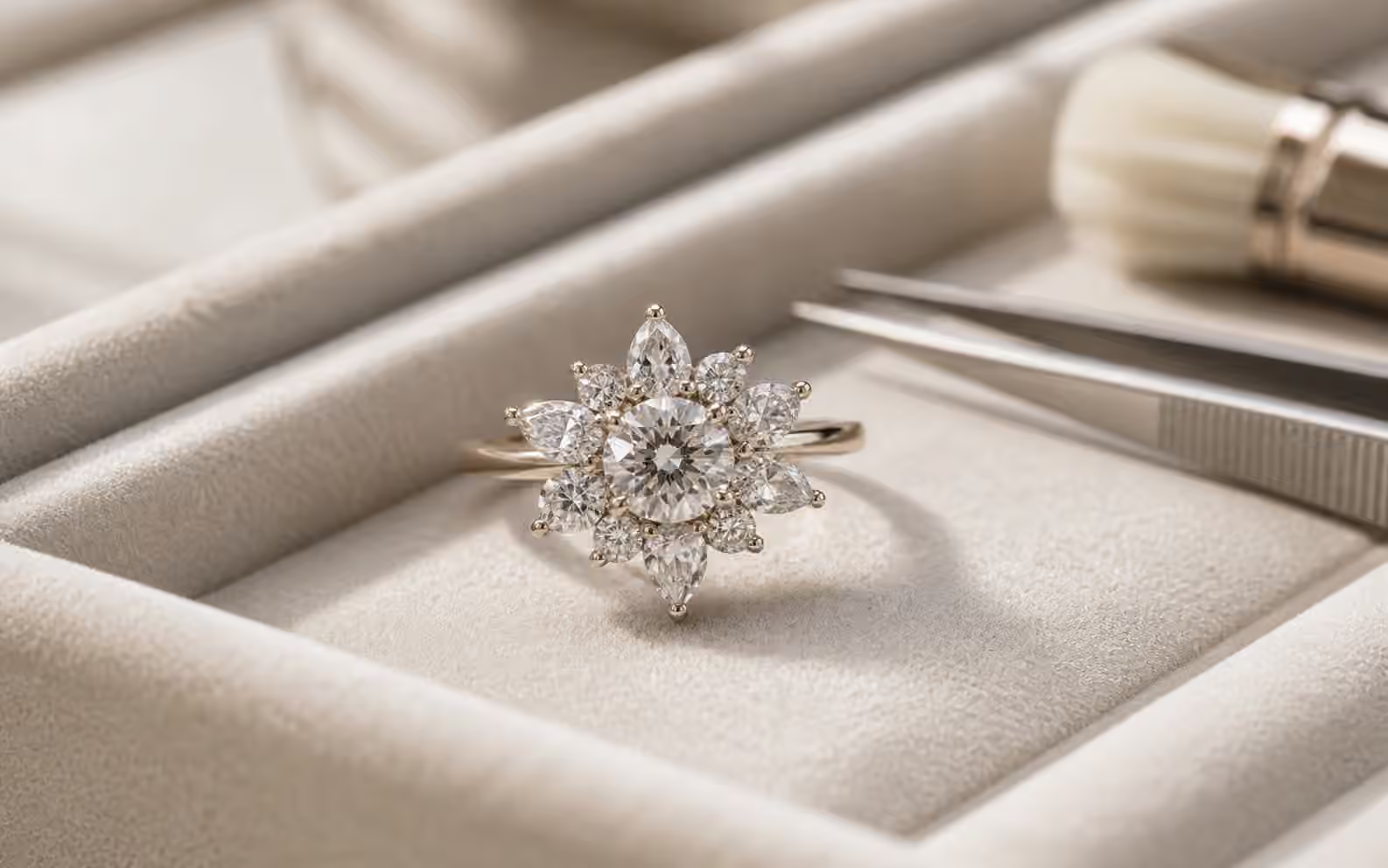
A vintage-inspired engagement ring borrows from the past without necessarily being old. It might use milgrain edges, hand engraving, filigree, geometric Art Deco lines, floral shoulders, an old-cut diamond, or a low halo that feels like it came from another era. The attraction is emotional as much as visual. These rings can feel storied before they have belonged to anyone.
Vintage-inspired is different from antique or estate. An antique ring has lived a previous life. A vintage-inspired ring is newly made, often with modern metal, modern stone setting, and current sizing options. That distinction matters. The antique ring revival story captures the charm of older rings, while this guide focuses on new rings that use old design language. The goal is to keep the romance while avoiding avoidable wear problems.
Know Which Era You Are Borrowing From
Vintage is a broad word. Victorian rings may bring floral details, yellow gold, cluster shapes, and romantic motifs. Edwardian-inspired rings often use platinum-like whiteness, lace-like filigree, and airy delicacy. Art Deco styles lean into geometry, symmetry, step cuts, calibre gemstones, and crisp contrast. Retro-inspired rings may feel bolder, with warmer gold and stronger sculptural forms.
You do not need to memorize jewelry history to buy well, but naming the mood helps. A ring with milgrain and lace-like shoulders is different from one with emerald-cut geometry and baguette sides. If the wearer likes clean lines, an Art Deco-inspired design may suit better than a floral halo. If they love softness and detail, engraved shoulders may matter more than strict symmetry.
The engagement ring history guide gives useful context, but the practical question is simple: what kind of old-world feeling does the wearer actually like? A ring can be historically inspired without becoming a costume. The best designs borrow a language, then edit it for the hand that will wear it now.
Old-Cut Character Is Not Modern Brilliant Sparkle
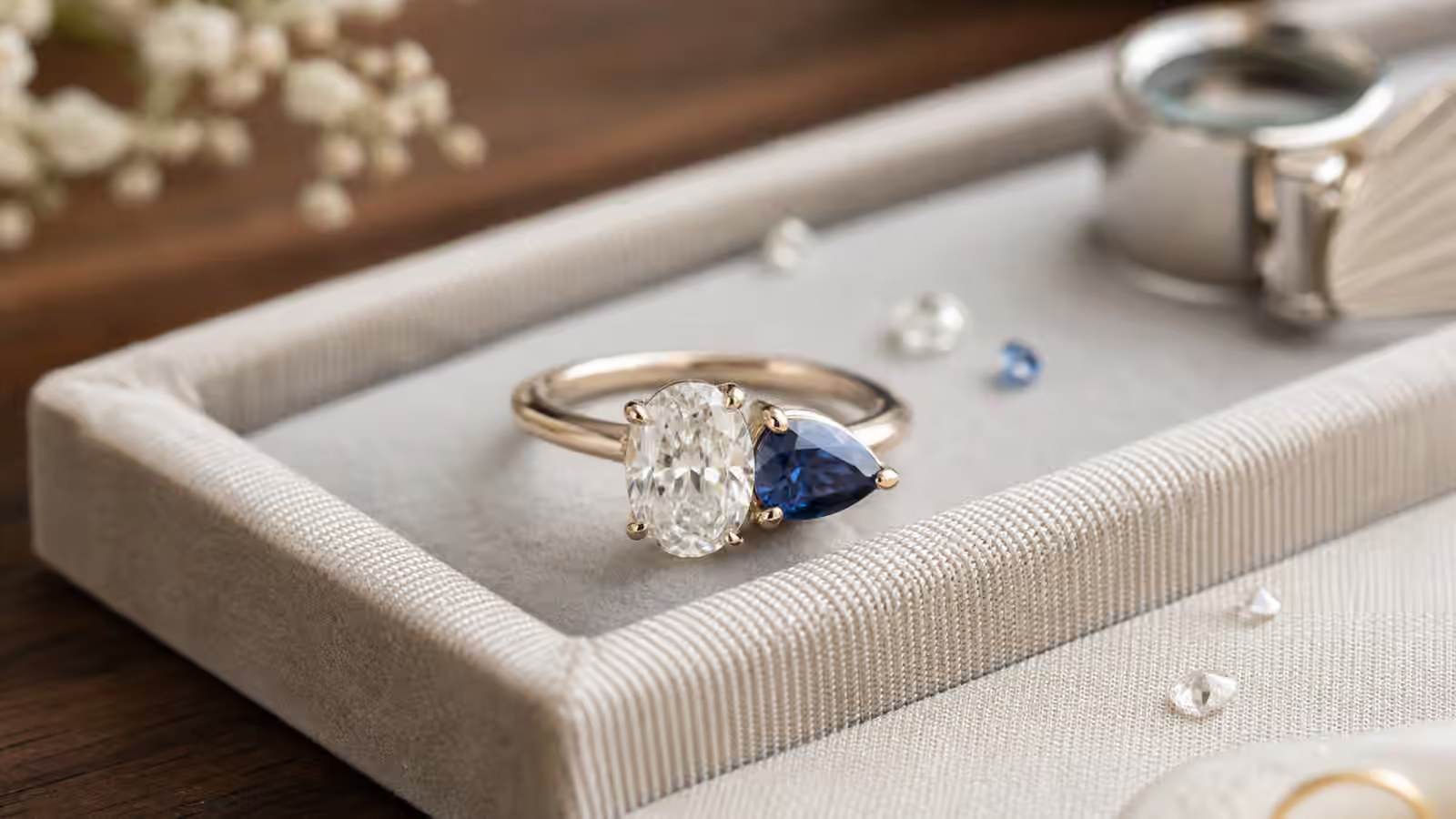
Many vintage-inspired rings use modern round brilliants, ovals, cushions, or emerald cuts. Others use old European cut, old mine cut, rose cut, or antique-style diamonds. These stones can have larger facets, smaller tables, higher crowns, softer outlines, or a different kind of light than modern precision-cut diamonds. They may glow, flash broadly, or feel candlelit rather than electric.
That character is beautiful when expected. It can disappoint someone who wants maximum modern brightness. Compare old-cut or antique-style stones in ordinary light and in motion. Do not judge them only by modern cut standards. At the same time, do not accept deadness simply because a stone is romantic. A good old-style cut should still have life, pattern, and charm.
The diamond cut quality and light return guide helps explain the difference between light behavior and specification chasing. With vintage-inspired stones, the question is not whether the diamond performs like a top modern round brilliant. It is whether its performance suits the design and pleases the wearer.
Milgrain and Filigree Need Realistic Expectations
Milgrain is the beaded edge often seen around vintage-style settings. Filigree is delicate open metalwork. Both can add texture and age to a new ring. Both can also soften, collect residue, or become difficult to repair if made too thin. A ring with crisp milgrain may look perfect when new, then become gentler with years of wear. That can be lovely if the owner expects it.
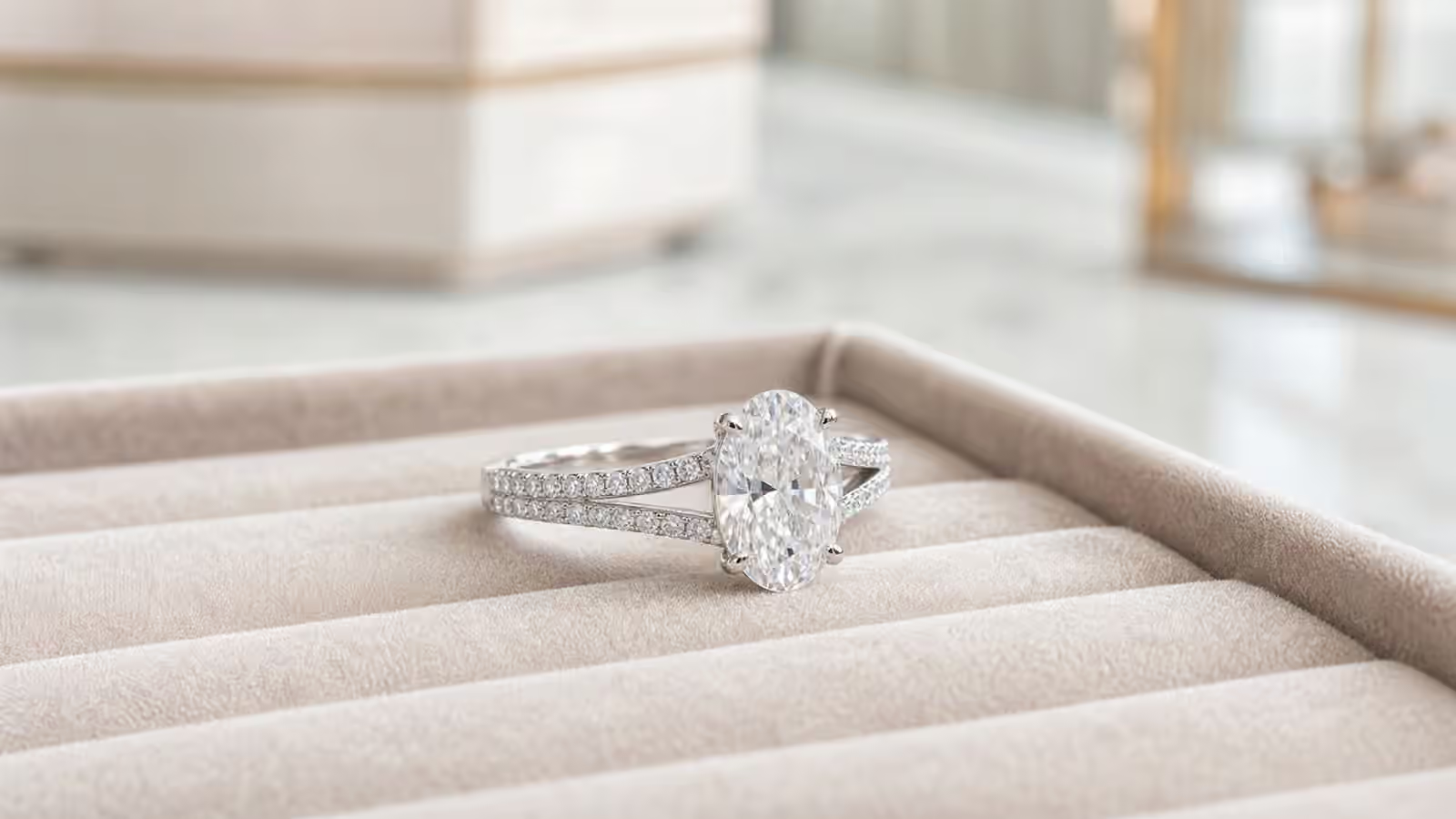
Look closely at the workmanship. Milgrain should be even enough to feel intentional. Filigree should not be so fragile that a small bend would distort the design. Openwork should have enough metal to support daily wear. If the ring has tiny accent stones set into delicate detail, ask how they are secured and how often they should be inspected. The pave engagement rings guide applies to many vintage-inspired designs because small stones are often part of the look.
Cleaning is another practical point. Open galleries, carved shoulders, and milgrain edges can trap lotion and soap. Gentle regular cleaning matters, and professional inspections matter even more. The ring care guide gives the ordinary routine, but detailed rings reward owners who are patient with small crevices.
Modern Construction Can Protect the Romance
One advantage of vintage-inspired design is that the ring can be built with modern wear in mind. A jeweler can make the shank slightly sturdier, protect pointed stones with better prongs, use a cleaner basket, or design the wedding band fit from the beginning. The ring can look old without inheriting every weakness of an older piece.
Shank width deserves special attention. Many vintage-style rings look delicate from above, but a very thin shank can bend, especially if the center setting is substantial. The engagement ring shank width and comfort guide helps judge whether the band is graceful or underbuilt. A slightly stronger shank often disappears visually but makes the ring easier to own.
Prongs should suit the stone and the style. Claw prongs can feel antique and refined, but they still need enough metal. Bezel or partial bezel settings can look period-appropriate while protecting edges. If the center stone is an emerald cut, pear, marquise, or cushion with corners, protection should not be sacrificed for a delicate silhouette. The ring should survive as jewelry, not only as an idea.
Sizing and Wedding Bands Should Be Planned Early
Detailed vintage-inspired rings can be harder to resize than plain solitaires. Engraving, pave, filigree, mixed metals, and eternity-style details may limit how much the ring can change. If the proposal is a surprise, sizing uncertainty should be discussed before ordering. A ring that must be remade after the proposal may be worth it, but it should not come as a surprise.
Wedding band pairing can also be more complex. A low vintage basket may create a gap. A shaped halo may need a curved band. Engraved shoulders may look odd next to a plain modern band, or the contrast may be perfect. Try bands before finalizing the engagement ring if possible. The wedding band pairing and ring sizing guides can prevent the most common surprises.
If the ring is custom, ask for a band plan as part of the design. It does not mean the band must be purchased immediately. It means the engagement ring will not block obvious future choices. A vintage-inspired ring should feel like the beginning of a set, even if the set is never perfectly matched.
Choose Detail That Can Age Well
The difference between charming and fussy often appears over time. A ring with one strong vintage idea may age better than a ring with every possible detail. Milgrain, engraving, filigree, a halo, colored accents, an old-cut center, and a patterned shank can work together in skilled hands, but they can also compete. Editing is part of good design.
Ask what the ring would look like from across a table. Ask what it would look like after ten years of normal wear. Ask which details are structural and which are decorative. A good jeweler will not treat these questions as unromantic. They are how the ring becomes wearable.
A vintage-inspired engagement ring succeeds when the old references feel alive rather than copied. It should carry texture, proportion, and memory, but still fit a modern hand. When the materials, setting, and maintenance plan are honest, the ring can feel as if it has history without asking the wearer to manage a fragile artifact.