Two-Tone Engagement Rings: Mixed Metals, Contrast, and Long-Term Style
Two-tone engagement rings use more than one metal color in the same ring. The combination might be a yellow gold shank with a white metal head, rose gold shoulders with platinum prongs, or a white gold ring with a warm accent rail under the center stone. The effect can be subtle or bold, but the best two-tone rings look intentional. They do not feel like two unrelated rings joined together. They use contrast to solve a design problem or express a clear preference.
The ring metals guide explains the major metal choices individually. Two-tone rings add a second layer: how those metals behave together visually and practically. A mixed-metal design can make a diamond look whiter, connect the ring to jewelry the wearer already owns, or create warmth without giving up a bright center setting. It can also complicate maintenance and wedding band pairing if the combination is chosen casually.
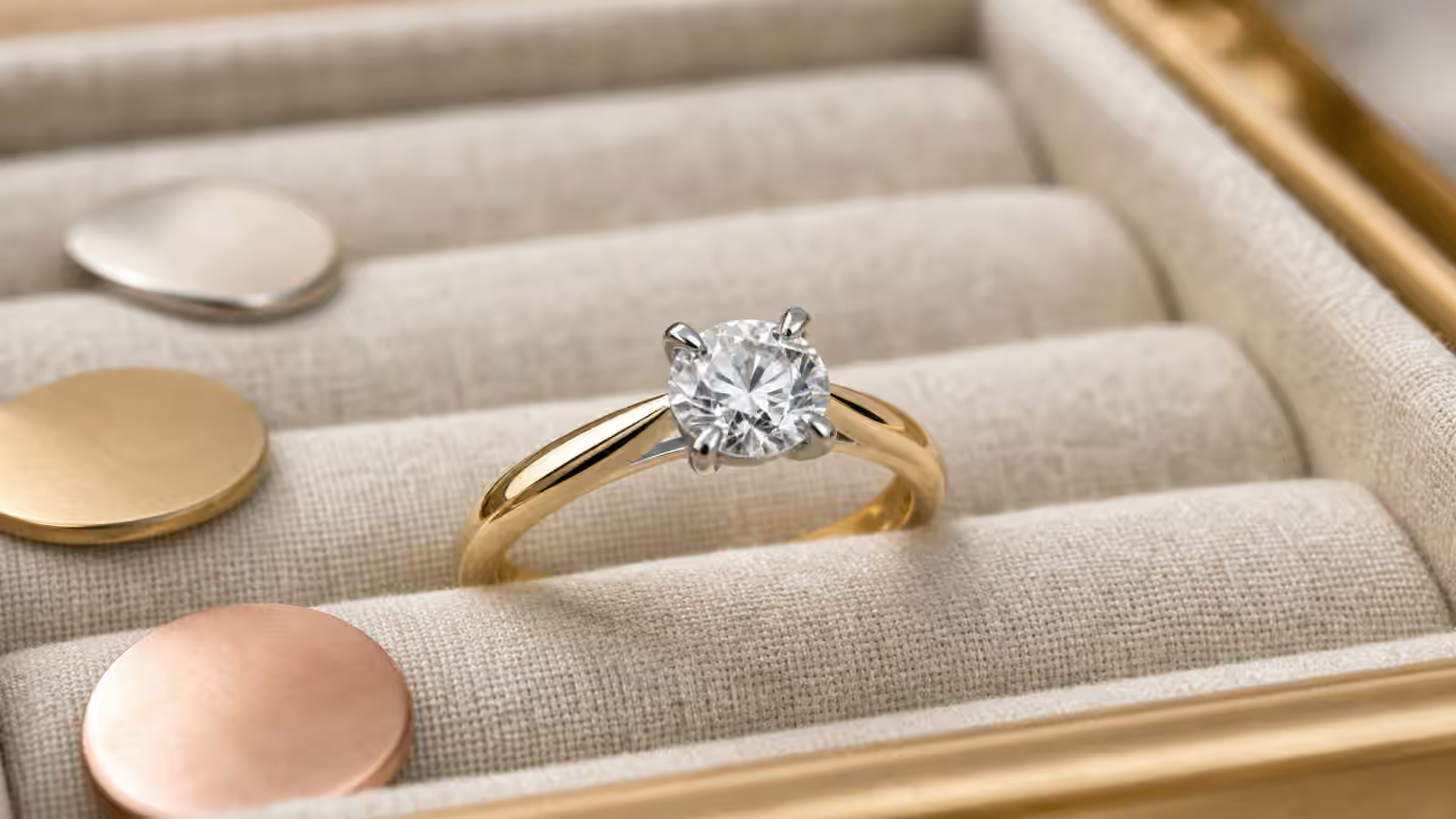
The most common two-tone arrangement is a yellow or rose gold band with white metal prongs or a white metal head. This lets the shank bring warmth while the metal around the diamond stays visually cool. The white prongs can disappear against a colorless or near-colorless stone, while the warmer band gives the ring character. It is a practical design move, not only a fashion choice.
Why Metal Contrast Works
Metal color changes how a diamond is perceived. A white metal head can make the area around the stone feel bright and clean. Yellow or rose gold near the diamond can reflect warmth into the stone, which may be beautiful or distracting depending on the diamond and the wearer’s taste. By separating the head from the shank color, a two-tone ring can offer both warmth on the hand and crispness around the center.
The diamond color grades guide is useful before choosing a two-tone design. If the diamond has slight warmth, a yellow gold shank with white prongs may make that warmth feel less noticeable from above while still harmonizing from the side. If the diamond is very colorless, two-tone metal can add personality without changing the center stone’s clean look.
Contrast also helps a ring relate to a broader jewelry wardrobe. Someone who wears mostly yellow gold may still like a white metal head because it frames the diamond quietly. Someone with mixed-metal earrings, watches, or bracelets may find a two-tone engagement ring easier to wear every day than a single-metal choice that demands matching. The goal is not to obey a rule about matching. It is to make the ring feel natural on the person who will wear it.
Common Two-Tone Designs
The simplest two-tone design uses a warm shank and white prongs. From the top, the ring may read mostly like a warm gold solitaire with a bright diamond. From the side, the head reveals the metal change. This is often the easiest version to live with because the contrast is useful but not loud.
Another approach uses a two-tone basket or gallery. A ring might have a yellow gold band, white prongs, and a rose gold rail under the stone. That can be beautiful in a custom design, but the more metal colors involved, the more important restraint becomes. A ring can start to look busy if every structural part announces a different color.
Accent details can also carry the second tone. A white metal ring might include a yellow gold hidden halo, bridge, or engraved detail. A rose gold shank might use platinum prongs for strength and contrast. The hidden halo engagement rings guide is relevant when the second metal appears in the side profile because those details are often seen more by the wearer than by everyone else.
Practical Metal Questions
Two-tone does not automatically mean two metals with identical care needs. Platinum, white gold, yellow gold, and rose gold age differently. White gold may need rhodium replating if the wearer wants it to stay bright white. Platinum develops a patina and moves differently under wear. Rose gold gets its color from copper alloy, which gives it a distinct warmth and can affect how it feels beside other metals.
This matters most where metals meet and where the ring takes wear. A two-tone ring should be made cleanly so the transition looks deliberate. Solder lines, seams, and mixed components should be part of the craft conversation. Ask the jeweler how the ring will be serviced, whether replating affects only part of the ring, and how polishing will be handled without flattening detail or muddying the contrast.
The engagement ring warranties and service plans guide helps because maintenance promises can be vague. With two-tone rings, ask specifics. If the white metal head is rhodium-plated white gold, will replating be routine? If the shank is rose gold and the head is platinum, who handles repair work? A good jeweler should not make mixed-metal care sound mysterious.
Settings and Stone Shapes
Two-tone designs can work with almost any center stone, but some settings show the contrast more clearly. Solitaires make the metal change easy to understand. A warm band with white prongs is direct and classic. The solitaire engagement rings guide pairs well with this decision because a solitaire leaves no place for poor proportions to hide.
Halos and pave settings require more care. If the halo is white metal and the shank is yellow gold, the ring may look crisp and dimensional. If the pave diamonds continue down a warm gold band, the contrast between white diamonds and gold becomes part of the style. The pave engagement rings and halo engagement rings guides explain the maintenance side of those small stones.
Colored gemstones can benefit from mixed metal, especially when the metal echoes or contrasts the stone color. A blue sapphire in yellow gold with white prongs can feel classic and vivid. A warm champagne diamond may look intentional in rose gold with a white metal head. The sapphire engagement rings guide is useful if the center is not a white diamond because gemstone color and metal color are inseparable.
Wedding Band Pairing
Two-tone engagement rings give wedding band pairing more options and more decisions. A matching band can repeat the dominant metal. A contrasting band can pull out the secondary metal. A mixed-metal band can echo the engagement ring directly, though that may feel too coordinated for some people. The wedding band pairing guide helps because fit and wear still matter more than color alone.
If the engagement ring has a yellow gold shank and white prongs, a yellow gold wedding band may look cohesive from normal viewing distance. A white band may make the set feel intentionally mixed. A two-tone band may tie the set together but can add visual busyness. Try options in person if possible, especially under ordinary light rather than only jewelry counter lighting.
Wear between bands should also be considered. Two rings rubbing together will mark each other over time regardless of color. If the metals differ, they may show wear differently. That is usually manageable, but it should be accepted as part of owning a mixed-metal set.
Choosing Contrast That Lasts
A good two-tone engagement ring is not trendy by default. Mixed metals have moved in and out of fashion for decades, but the strongest examples are grounded in the wearer. If the contrast solves a real preference, such as wanting a yellow gold band with a bright white diamond head, it is more likely to age well. If the contrast is added only because the ring needs more excitement, it may feel dated sooner.
Look at the ring from above, from the side, and next to the wearer’s everyday jewelry. Ask which metal reads first. Ask whether the secondary metal feels useful or decorative. Ask how the ring will be serviced five years from now. Those questions keep the choice practical without draining the pleasure from it.
Two-tone engagement rings work best when contrast has a job. It can frame the diamond, warm the shank, connect to a mixed jewelry wardrobe, or highlight a side-profile detail. When the metals are chosen with care and the maintenance is understood, the ring feels personal without needing excess ornament. It lets the wearer say that style is not always one metal, one color, or one rule.