Toi et Moi Engagement Rings: Two Stones, One Balanced Design
A toi et moi engagement ring carries two stones as co-leads. The name means “you and me,” but the design is more than a romantic label. Two stones create a relationship of scale, angle, color, and height on a very small stage. When the pairing works, the ring feels personal without feeling improvised. When it misses, the stones can look as if they were placed near each other only because both were available.
The style is useful for couples who want symbolism without engraving a sentence into the ring. It can honor two birthstones, two shapes, two eras, or two stones with different stories. It can also solve a practical design problem by giving a smaller diamond more presence through partnership rather than a halo. The important thing is to treat the ring as one composition, not as two separate stones fighting for attention.
The broader diamond shapes guide helps with individual outlines. This page focuses on what happens when two outlines must share the same hand.
The Two Stones Need a Clear Relationship
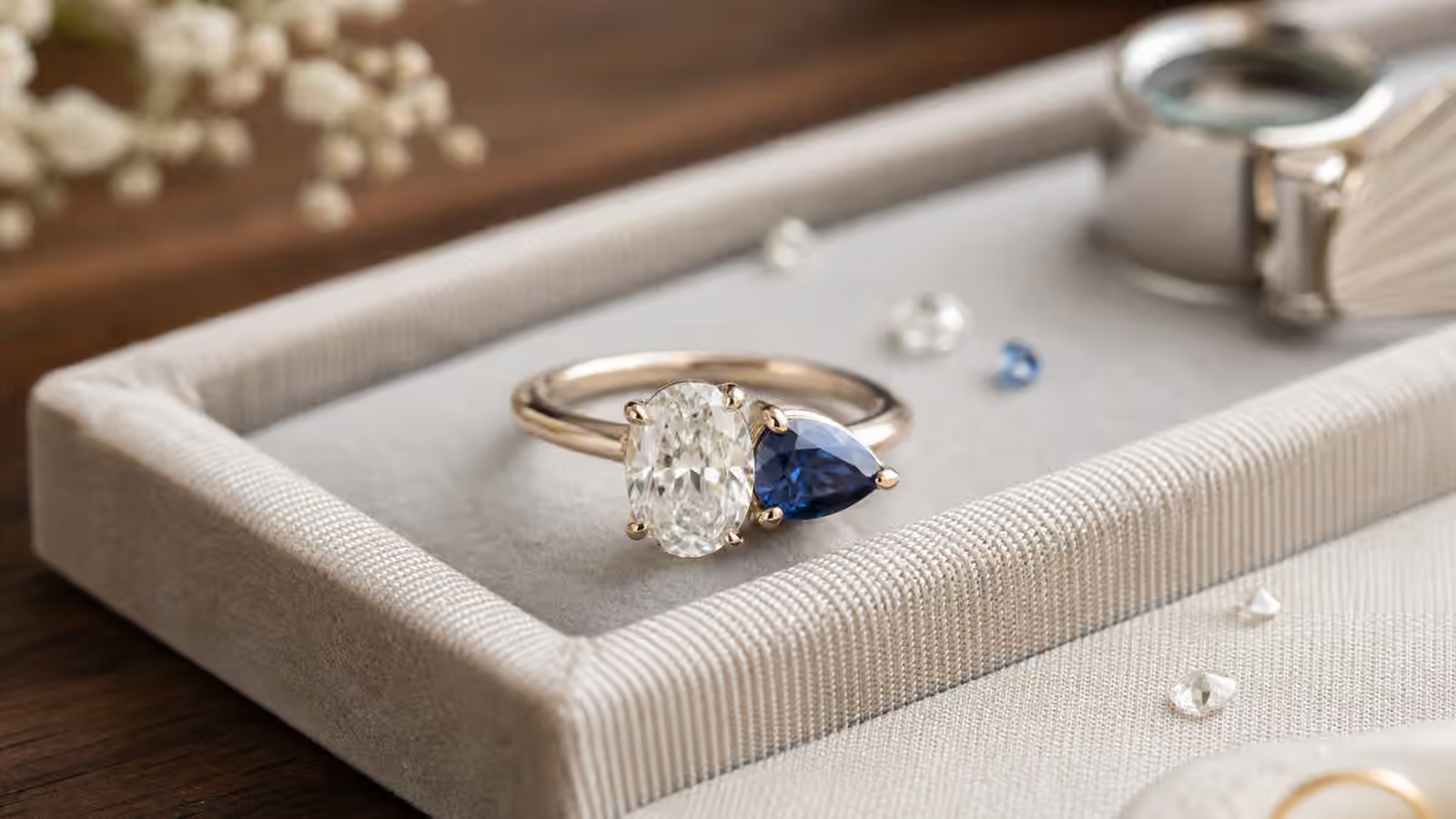
The first question is not which two stones are pretty. It is why those two stones belong together. A round diamond beside a pear sapphire can feel graceful because one stone is steady and the other has direction. An oval and a marquise can feel fluid because both are elongated. An emerald cut and a round brilliant can create a pleasing contrast between quiet steps and active sparkle. None of these pairings is automatically right, but each has a visual reason to exist.
Scale matters more than exact carat weight. Two stones with the same carat weight can look different because shape changes face-up size. A pear may appear longer than a round of similar weight. A deep colored gemstone may face up smaller than expected. If the ring is being made from selected stones, judge them together from above before deciding. If it is a custom design, ask for a drawing or model that shows the true outline, not only the gem descriptions.
A balanced toi et moi ring does not require equal stones. In fact, many good examples use a leader and a companion. The larger stone may be a diamond and the smaller a colored gem, or the reverse may be true if color is the emotional center. The issue is whether the eye understands the hierarchy. If one stone is larger, the smaller one should have enough presence to feel intentional. If the stones are close in size, their shapes and angles should keep the ring from looking like a pair of mismatched stud earrings.
Shape Pairing Changes the Mood
Shape pairing gives a toi et moi ring most of its personality. Two rounds can feel classic, soft, and symmetrical, especially if one is a colored stone. A round and a pear feel more directional because the pear has a point. An oval and pear pairing often looks romantic because both shapes have length but different movement. Two step cuts, such as an emerald cut and a baguette-like companion, lean architectural and quiet.
Pointed shapes need particular care. Pears and marquises bring drama, but their tips should be protected. A point aimed into empty space may look elegant in a photograph and vulnerable in daily wear. A V-prong, bezel, or thoughtful placement near the other stone can help. The engagement ring prongs guide is worth reading before approving a design with exposed points.
The direction of each shape also affects how the ring sits on the finger. A pear can point toward the fingertip, toward the knuckle, or diagonally across the hand. Two elongated stones can sweep in the same direction or meet like a quiet conversation. The most wearable designs usually have movement without snagging corners. Ask to see the ring or model from the wearer’s normal viewing angle, because a composition that looks strong in a top-down render may feel awkward once the hand bends and moves.
Color Can Carry the Symbolism
Many toi et moi rings pair a diamond with a colored gemstone. Sapphire is common because it offers strong color and good durability for daily wear. Ruby can be vivid and traditional. Emerald can be beautiful but needs more care because its inclusions and treatment history often matter. The colored gemstone durability guide helps separate romance from wearability.
Color contrast should be intentional. A bright white diamond beside a deep blue sapphire creates a clear two-voice design. A warm diamond beside a champagne sapphire or peach gemstone can feel softer and more tonal. If the stones are too close in color but not actually matched, the difference may look accidental. If they are dramatically different, the metal and setting need to unify them.
Metal color changes the relationship too. Yellow gold can warm a white diamond and make a blue or green gemstone feel richer. Platinum or white gold can make the same pairing look cleaner and cooler. Rose gold can be flattering with champagne, pink, or warm-toned stones, but it can also push a cool diamond toward contrast. The ring metals guide gives the broader material context, but a two-stone ring should always be judged with the actual stones near the actual metal.
Height and Setting Architecture Matter
A toi et moi ring often needs more engineering than a simple solitaire because two center stones must sit close without crowding each other. If one stone is much deeper than the other, the jeweler has to decide whether to raise the shallower stone, lower the deeper stone, or accept a stepped profile. From above, the ring may look balanced. From the side, it may reveal a taller structure than the wearer expected.
Height affects comfort, snagging, and wedding band fit. Two baskets can occupy more space than one, especially if the stones angle toward each other. A low-profile design may be possible, but not every shape combination can sit extremely low and still be secure. The low-profile engagement rings guide explains the tradeoff between a smooth silhouette and enough room for the stone pavilion.
Look carefully at the gap between the stones. They should not touch unless the design is specifically built to allow it, and even then contact can create wear points. There should be enough metal to hold each stone independently. If a prong from one stone also appears to serve the other, ask how repairs would work. Shared visual space is beautiful; shared structural ambiguity is not.
Wedding Band Fit Should Be Planned Early
Toi et moi rings frequently create a wider top than a solitaire. That wider top can block a straight wedding band or create a noticeable gap. Some wearers like a gap because it lets the engagement ring stand alone. Others want a fitted band, a curved band, or a nesting band that follows the two-stone outline. None of these options is wrong, but choosing late can be frustrating.
The wedding band pairing guide is especially relevant here. A band that looks simple beside one center stone may collide with the lower edge of a second basket. If the ring is custom, ask for a band plan before the engagement ring is finalized. It is not necessary to buy the band immediately, but the designer should be able to explain what will fit later.
Resizing also deserves a practical conversation. Two-stone rings may have an asymmetrical top, side details, or a shank that changes width as it approaches the stones. That can affect how easily the ring can be adjusted. The ring sizing guide covers fit basics, but a toi et moi design benefits from accurate sizing before production.
A Good Custom Process Slows Down the Pairing
Because the style looks personal, it is tempting to rush toward a poetic pairing. A better custom process slows down at the bench questions. Are both stones suitable for daily wear? Do they sit at compatible heights? Are their outlines harmonious from above and from the side? Can each be secured without crowding the other? Is the ring easy enough to clean around the meeting point?
If using an heirloom stone, the conversation becomes even more specific. An older diamond may have a softer outline, a high crown, or a thin girdle. A colored heirloom gem may need inspection before it is reset. The heirloom stone story guide covers the emotional and practical side of reusing a family stone. In a toi et moi ring, the second stone should support the heirloom rather than make it look like a compromise.
Ask to see wax, resin, CAD views, or hand sketches that show the top and side. A two-stone design can look very different when rotated. The strongest designs look resolved from several normal angles, not only from the angle used in the sales image.
When the Style Is the Right Fit
A toi et moi ring suits someone who likes asymmetry, symbolism, and a little visual conversation. It can feel intimate without being subtle. It can honor two people, two histories, or two aesthetic preferences in a single object. It is also useful when the wearer loves more than one stone and does not want one choice to erase the other.
It may be less suitable for someone who wants the easiest cleaning routine, a perfectly straight wedding stack, or a very low, quiet ring. The extra stone adds decisions. It can add height, width, and repair complexity. Those are not reasons to avoid the style, but they are reasons to choose it with open eyes.
The best toi et moi rings do not rely on novelty. They rely on relationship. One stone answers the other in shape, color, scale, or story. The setting lets them sit close without feeling cramped. The wearer sees not two separate purchases, but one composed ring with two voices.