Responsible Engagement Ring Sourcing
Responsible sourcing sounds like it should be a single label. A ring is ethical or it is not. A diamond is clean or it is not. A metal is recycled or it is not. Real jewelry shopping is rarely that tidy. An engagement ring is a chain of choices: the center stone, accent stones, metal, setting, workshop, paperwork, and the seller who stands behind the finished piece. Each part can be more or less transparent.
That does not mean the subject has to become overwhelming. The useful goal is not moral perfection. It is traceability, honest disclosure, and a ring whose compromises you understand. A buyer who asks precise questions will usually learn more than a buyer who asks for the most ethical option in the case.
Start by separating the romance of the ring from the supply chain behind it. The romance belongs to the proposal, the person, and the meaning you give the object. The supply chain is practical. It needs documents, origin claims, repair policies, and a jeweler willing to explain what can be known and what cannot. That mindset makes the conversation calmer.
Responsible Does Not Mean One Thing
The word responsible can refer to labor conditions, environmental impact, community benefit, recycled material, transparent origin, repairability, fair disclosure, or simply avoiding misleading claims. Two buyers can both care about responsible sourcing and prioritize different things. One may want a lab-grown diamond because they prefer to avoid mining. Another may prefer a natural diamond from a supplier that can identify the mine or region and explain its social programs. A third may care most about reusing a family stone and keeping new material out of the ring altogether.
The first useful question is personal: what are you trying to reduce, avoid, or support? If the answer is mining impact, lab-grown diamonds, recycled metals, and heirloom stones deserve attention. If the answer is opaque business practice, documentation and seller transparency matter more than a vague promise. If the answer is long-term waste, the durability of the setting matters too, because a ring that needs constant rebuilding is not as thoughtful as it looked in the tray.
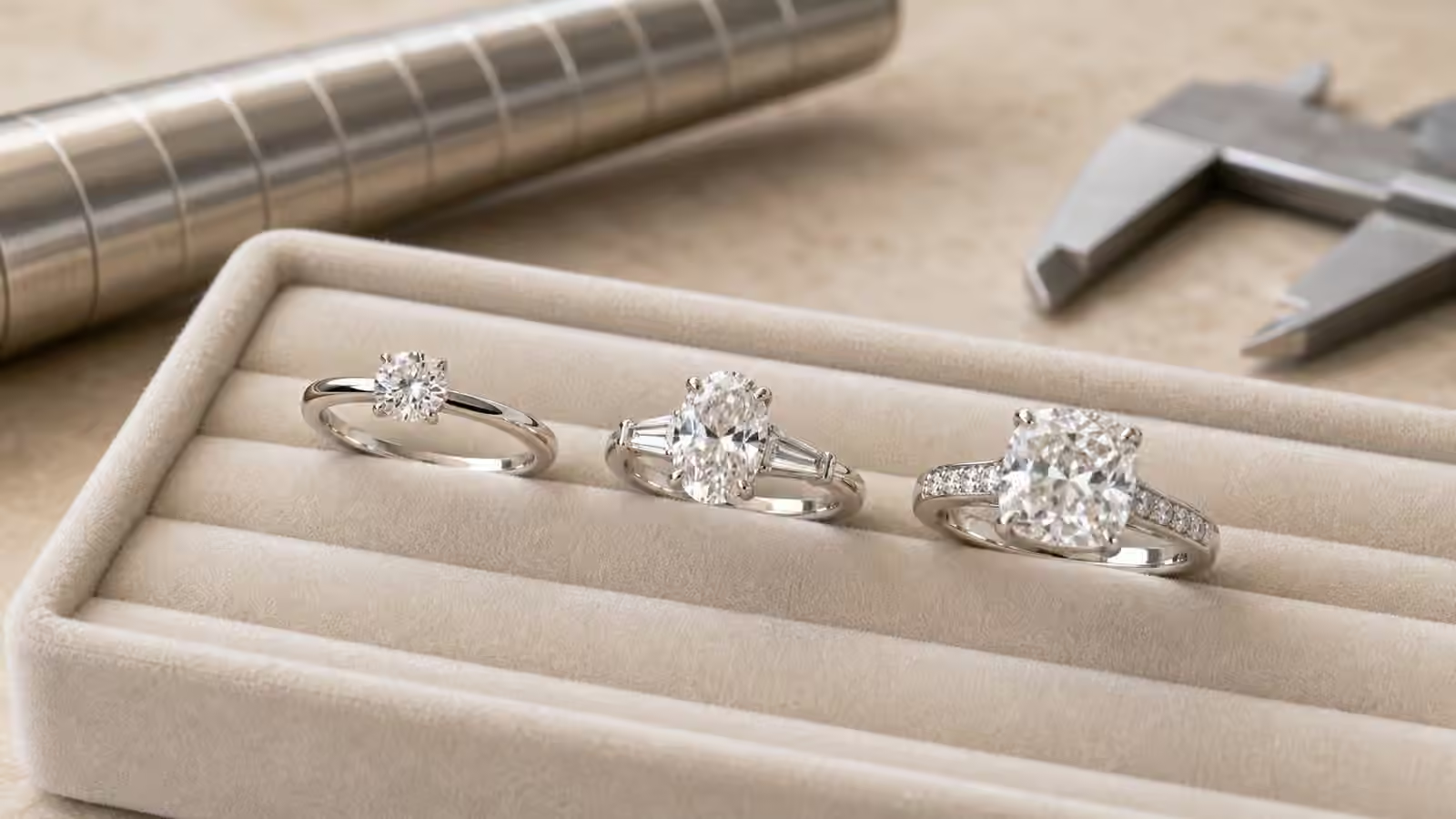
This is why responsible sourcing connects to ordinary design choices. A delicate pavé band can be beautiful, but if it does not suit the wearer’s daily life, it may shed stones and require repeated repair. A low bezel may use a little more metal than a minimal prong setting, but it can protect the center stone and make the ring easier to wear. The ring settings guide is not only about style. It is also about how a ring survives years of use.
Diamond Origin Needs More Than a Slogan
Diamond origin is often where buyers begin. Natural diamonds and lab-grown diamonds can both be responsible choices, and both can be sold with lazy marketing. A natural diamond is not automatically harmful, and a lab-grown diamond is not automatically virtuous. Origin tells you how the stone came into being. It does not, by itself, tell you how carefully the seller handles energy, labor, disclosure, grading, resale expectations, or customer education.
For a natural diamond, ask how specific the origin claim is. Some sellers can identify a country, mine, or traceable supplier program. Others can only say the diamond meets a general conflict-free standard. That phrase is useful as a floor, but it is not the same as a full account of environmental practice, local labor conditions, or community impact. If a jeweler makes a strong claim, ask what document supports it and whether that document travels with the stone after purchase.
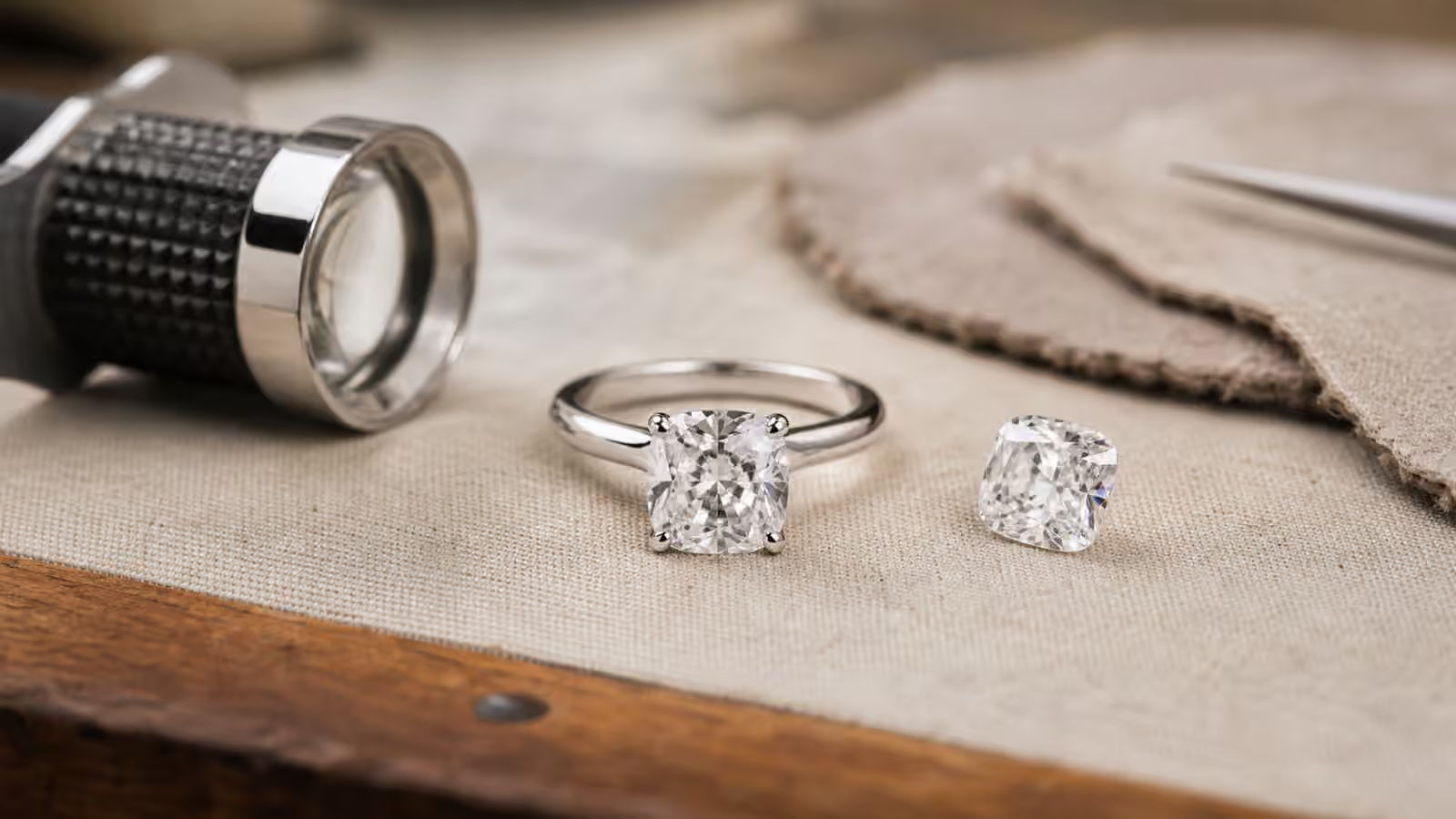
For a lab-grown diamond, ask where it was grown, whether it has an independent grading report, and whether any post-growth treatment is disclosed. If the seller emphasizes lower environmental impact, ask what supports that claim. Energy sources and production practices vary, so broad promises are less useful than clear, limited statements. The lab-grown vs natural diamonds guide is helpful if you are still deciding which origin fits your values and budget.
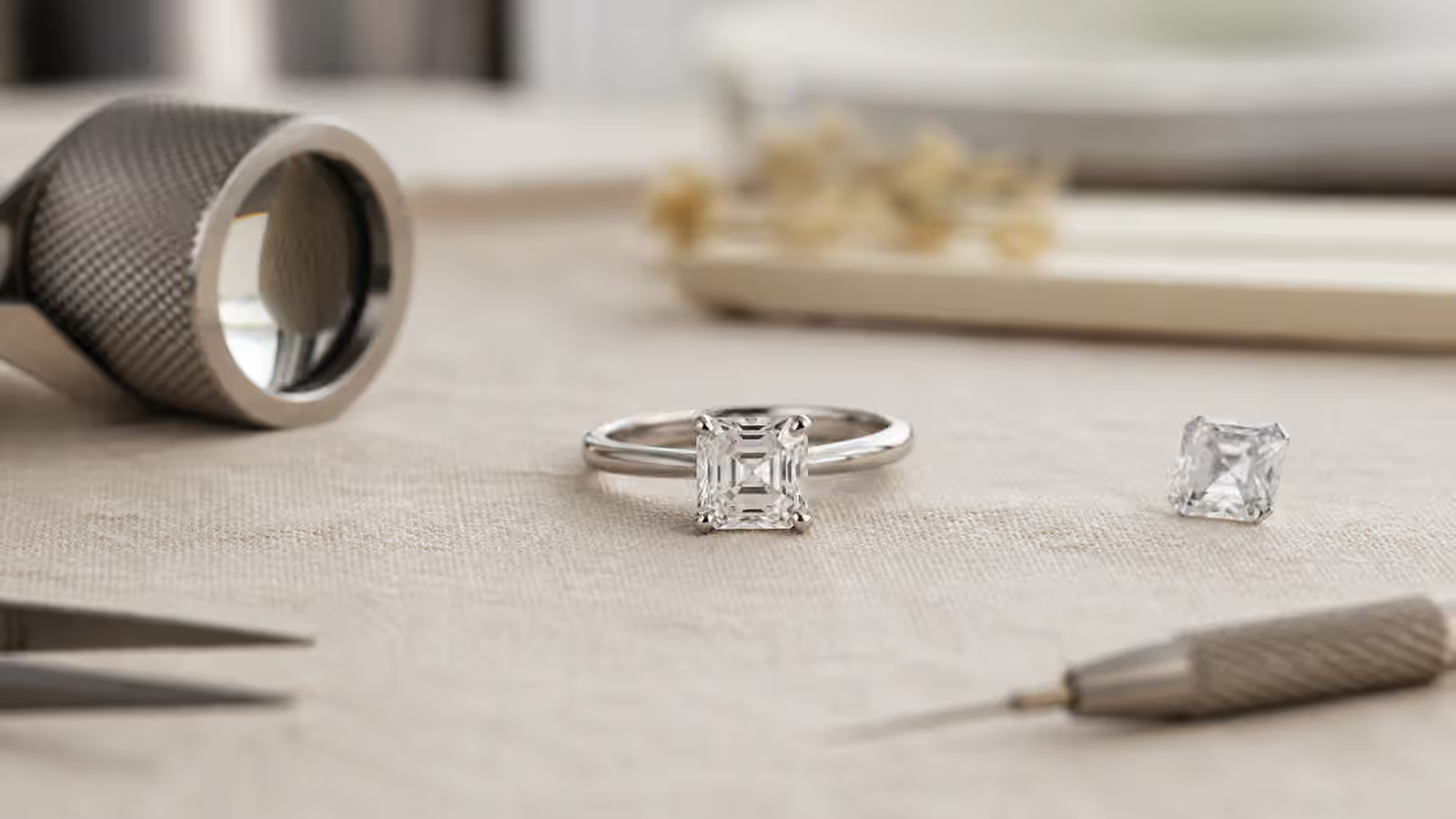
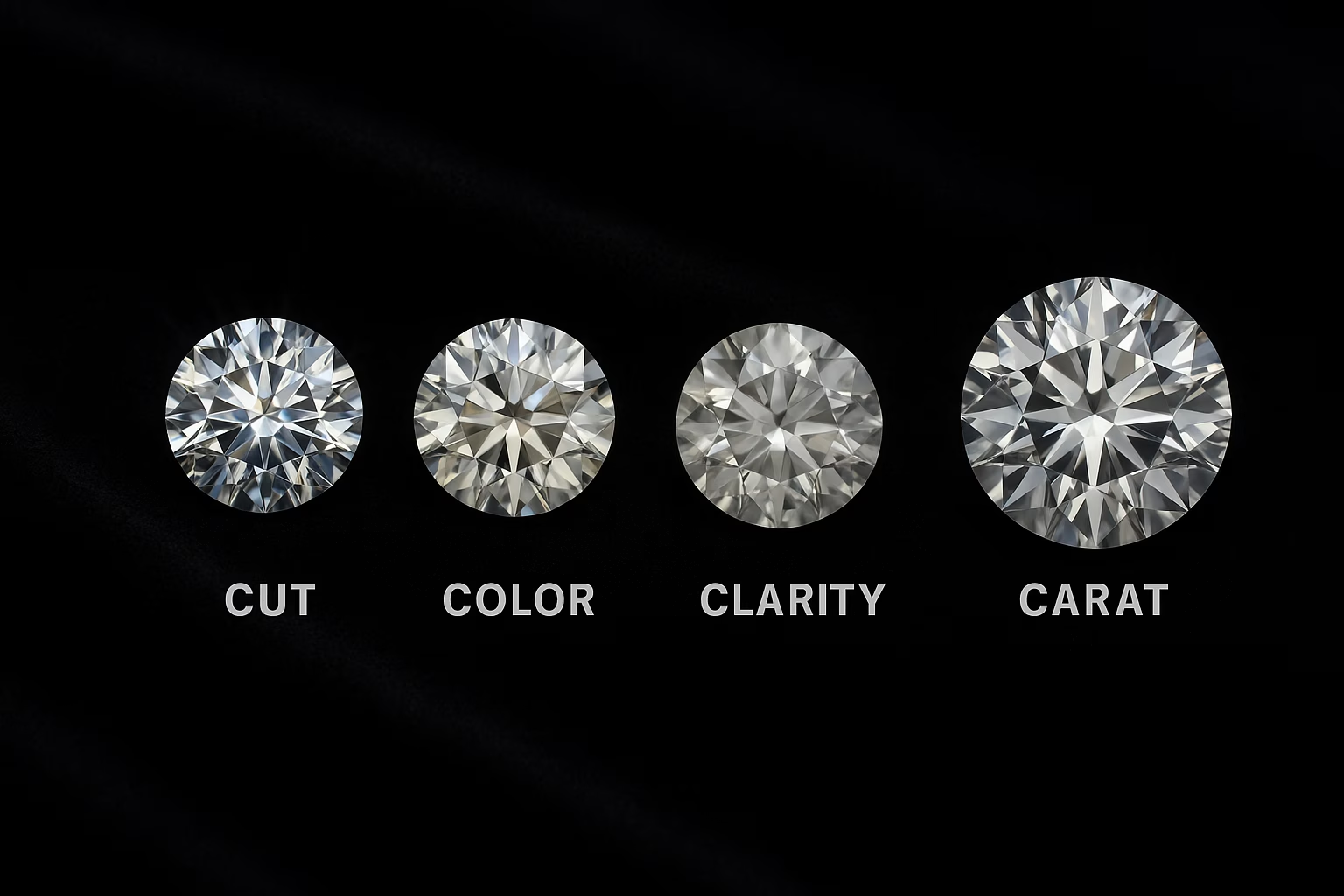
The grading report is part of this conversation, not the whole conversation. A report can identify a diamond as natural or laboratory-grown, record measurements, and document the 4Cs. It usually does not tell you everything about labor, energy, or finished-ring craftsmanship. Use the diamond grading report as an identity document, then ask sourcing questions separately.
Colored Gemstones Need Their Own Care
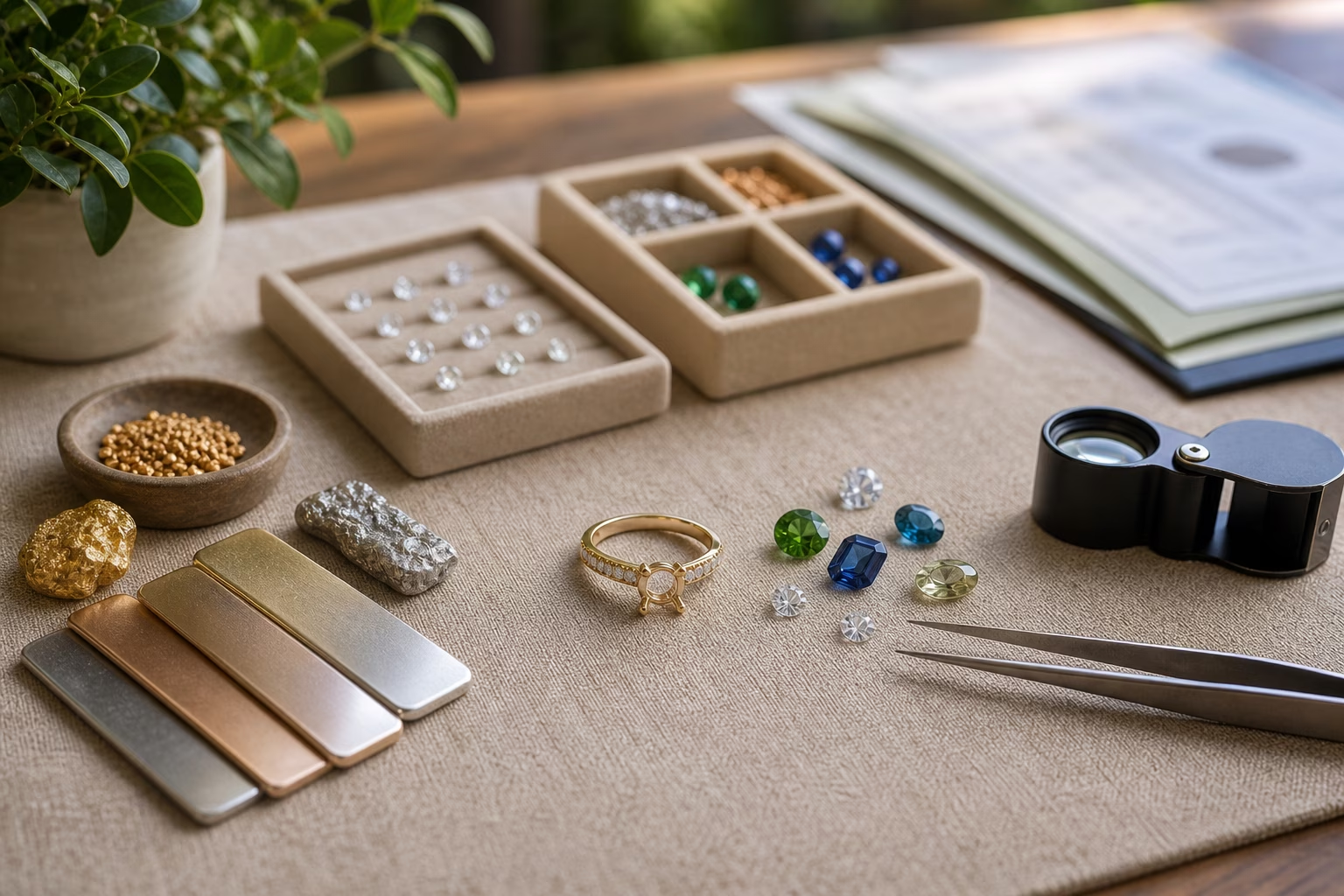
Colored gemstones can feel more personal than diamonds, but their sourcing can be even harder to summarize. Sapphires, rubies, emeralds, spinels, tourmalines, and other stones often pass through smaller and more varied supply chains. Some are mined by large operations. Some come from artisanal mining. Some are recut, traded, or treated before they reach a retail case.
This does not make colored gemstones a bad choice. It means the questions should match the stone. Ask whether the gem is natural or lab-created. Ask whether it has been heated, oiled, filled, dyed, diffused, or otherwise treated. Many treatments are common and stable when disclosed, while others affect care, value, or durability more strongly. A responsible seller should not make treatment disclosure feel like a favor. It is part of describing the stone honestly.
Origin claims for colored gemstones should also be handled with humility. A seller may know the country of origin, especially for higher-value stones with lab reports. For smaller or more affordable gems, the origin may be less certain. A careful jeweler will say what they know, how they know it, and where the information stops. That answer is more trustworthy than a romantic story with no supporting detail.
Durability belongs in the responsible sourcing conversation because replacement has a footprint too. A soft or brittle gem in an exposed everyday ring may be charming for a special piece but frustrating as an engagement ring worn daily. Sapphires and rubies are popular partly because they balance color with durability. Emeralds can be stunning, but their inclusions and treatments require more care. A responsible choice is not only where the gem came from. It is also whether the gem suits the life ahead of it.
Recycled Metal Is Useful, But Not Magic
Recycled gold and platinum are among the clearest responsible choices a buyer can ask about. Precious metals can be refined and reused without losing their essential quality, which makes recycled metal practical for fine jewelry. Choosing recycled metal can reduce demand for newly mined material and gives an old resource a new form.
Still, recycled metal is not a magic eraser. Ask what the jeweler means by recycled. Some use refined recycled casting grain from a supplier. Some can reuse metal from a family ring, though that depends on alloy, condition, contamination, and the design being made. Some may use a mix of recycled and newly mined metal. The phrase matters less than the explanation behind it.
Metal choice also affects durability, maintenance, and future resizing. Platinum, yellow gold, white gold, rose gold, and mixed-metal designs wear differently. A ring made with recycled metal still needs the right alloy and construction for daily use. If you are weighing appearance against long-term maintenance, read the ring metals guide before treating recycled content as the only metal decision.
Heirloom metal can be emotionally powerful, but it needs a practical conversation. Melting an old ring into a new one is not always simple. Solder, unknown alloys, thin worn metal, or sentimental engraving may complicate the plan. Sometimes the better responsible choice is to reuse the stone, preserve the original setting, and make the new ring from fresh recycled metal. The point is to honor the material without forcing it into a process that weakens the final ring.
Paperwork Should Be Plain Enough to Keep
Responsible sourcing becomes real when it leaves the sales conversation and enters your records. Save grading reports, appraisals, receipts, treatment disclosures, warranty details, metal descriptions, and any written sourcing statements. A ring with clear paperwork is easier to insure, service, repair, sell, reset, or pass down.
Be careful with vague printed promises. Phrases such as ethically sourced, sustainable, conflict-free, eco-friendly, and responsibly made can mean different things from one seller to another. They are not useless, but they need specifics. A stronger document names the stone, report number, origin claim, treatment status, metal, setting details, and seller policy in language you can understand later without the salesperson standing next to you.
This paper trail also protects the meaning of the ring. If you chose a lab-grown diamond intentionally, the documents should say so. If you chose a natural diamond with a particular traceability claim, keep the supporting record. If you chose recycled platinum or reused a family stone, ask the jeweler to note that on the invoice or appraisal when appropriate. The ring insurance guide explains why these details matter after purchase, especially if a replacement ever has to match the original.
The Jeweler’s Answer Tells You a Lot
Responsible sourcing is partly about materials, but it is also about trust. A good jeweler will not know everything about every atom in the ring. No honest seller has perfect visibility into every historical step of every old stone, recycled metal batch, or small accent diamond. What they should have is a habit of accurate disclosure.
Listen for the difference between clarity and performance. A clear answer may be modest: this diamond has an independent report identifying it as lab-grown; this natural diamond comes through a supplier with documented origin; these accent stones are commercially sourced and not individually traceable; this setting is cast from recycled gold alloy supplied by our caster. A performance answer leans on emotion without substance: everyone says these are ethical, our supplier is the best, you do not need to worry, this is how all jewelry works.
The most useful shopping posture is calm persistence. Ask the same question in a more concrete way if the first answer is vague. Ask what will be written down. Ask what happens if you need service later. Ask whether a replacement stone would match the original origin, not only size and quality. None of these questions is impolite. They are normal questions for a meaningful object that may be worn for decades.
Choose the Ring You Can Explain
The best responsible engagement ring is one you can explain without exaggerating. You should be able to say why you chose that stone, what you know about its origin, what you do not know, why the metal made sense, and how the setting supports daily wear. That explanation does not need to impress anyone. It only needs to be honest.
Sometimes the answer will be a lab-grown diamond in recycled gold because visual beauty, budget, and mining concerns pointed in the same direction. Sometimes it will be a natural diamond with a strong report and a jeweler who can document the supplier path. Sometimes it will be a sapphire, an heirloom stone, or a modest ring made beautifully enough to last. Each can be responsible when the claims are clear and the compromises are understood.
Do not let the search for a perfect label distract from the practical work. Look closely. Ask for documents. Choose durable design. Keep the paperwork. Work with a jeweler who answers without rushing you. A responsible ring is not made responsible by a slogan in the display case. It becomes responsible through the chain of decisions you can still stand behind after the proposal has become part of ordinary life.