Proposing With a Placeholder Ring Before Choosing the Final Ring
Some proposals are planned around the finished ring. Others are planned around the decision to choose the finished ring together. A placeholder ring can make that second path feel tangible without pretending the temporary ring is the final answer. It gives the proposal a physical object, preserves surprise if that matters to the couple, and leaves room for the wearer to help choose the stone, setting, metal, size, and daily-wear details.
This approach is not a compromise when it is handled honestly. It can be especially thoughtful when the wearer has strong taste, unusual sizing needs, metal sensitivities, an active lifestyle, or interest in custom design. The engagement ring shopping timeline guide helps with the broader schedule. This guide focuses on the placeholder itself and the conversation around it.
A Placeholder Should Make the Plan Clear
The temporary ring should not create confusion about what has been promised or purchased. If it is symbolic, say so. If it is meant to be worn for a few weeks, choose something comfortable enough for that period. If it is a family ring being used for the proposal but not necessarily the final ring, explain that with care. A placeholder works best when the wearer understands that the final ring decision is still open.
The object can be simple. It might be a plain band, a modest gemstone ring, a low-cost silver ring, a travel ring, or a family piece used only for the moment. It does not need to imitate a diamond engagement ring closely. In fact, imitation can make expectations harder. A clean temporary ring often communicates the message better than a ring designed to look like a bargain version of the final piece.
Avoid making the placeholder so expensive that it competes with the final budget unless it will have a future role. A temporary ring can become a travel ring, a right-hand ring, or a keepsake, but it should not quietly consume money needed for the finished design. If the final ring will be custom, the placeholder is the opening note, not the main purchase.
The Proposal and the Purchase Are Separate Moments
Separating the proposal from the ring purchase can remove pressure from both. The proposal can be about commitment. The ring appointment can be about fit, taste, maintenance, and budget. Those are different conversations, and they benefit from different moods.
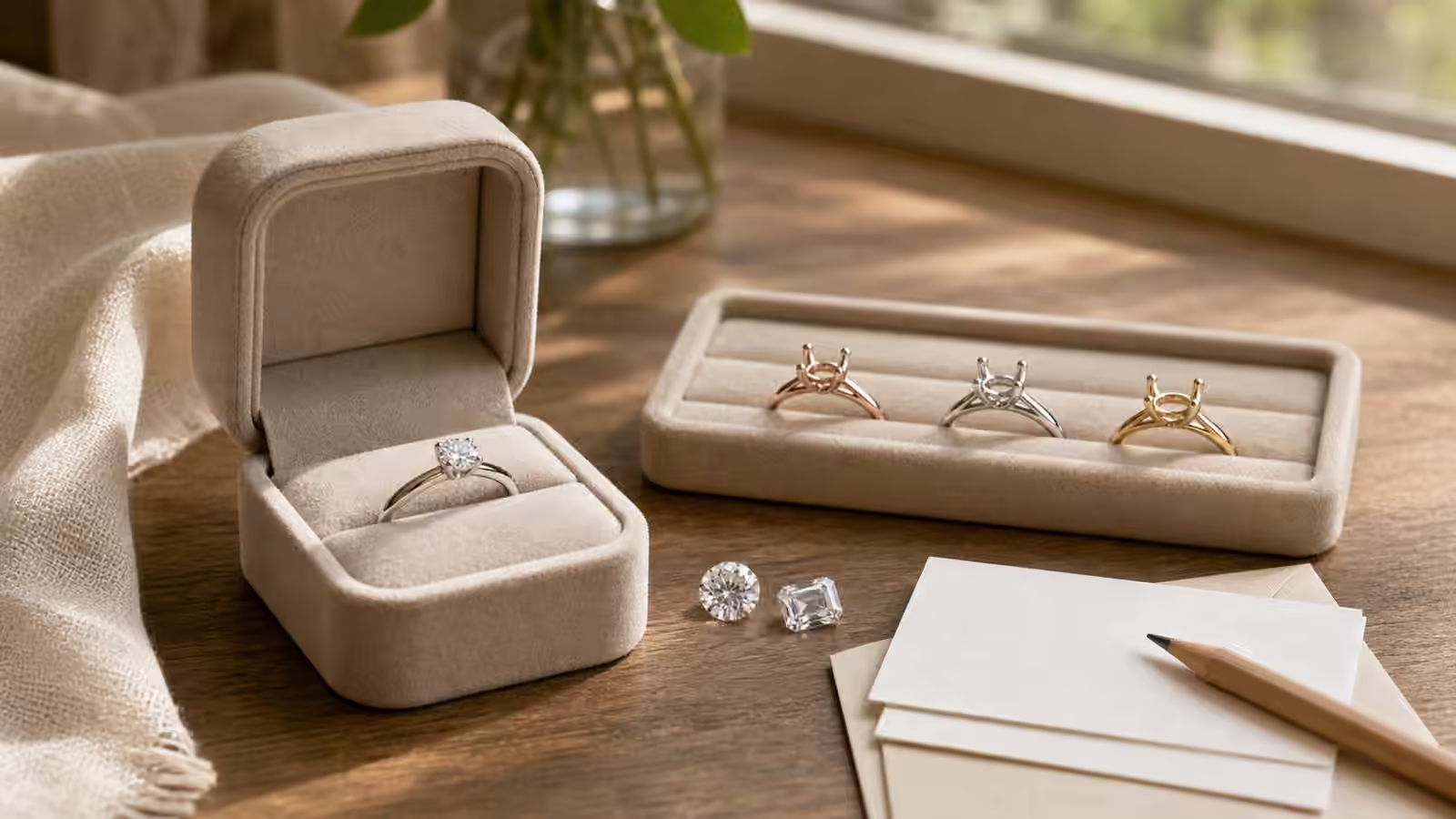
This is useful when the wearer wants involvement but the proposer still wants a surprise. The proposal can happen with the placeholder, followed by a planned visit to a jeweler. The couple can then compare diamond shapes , review ring settings , and try metals without the awkwardness of returning a finished ring that missed the mark.
It also helps when custom work is likely. A custom ring often needs sketches, stone sourcing, wax models, approvals, and time. The designing a custom ring story captures the emotional side of that process, but the practical point is simple: custom work is easier when the wearer can respond to real choices instead of hints.
Sizing Is a Strong Reason to Wait
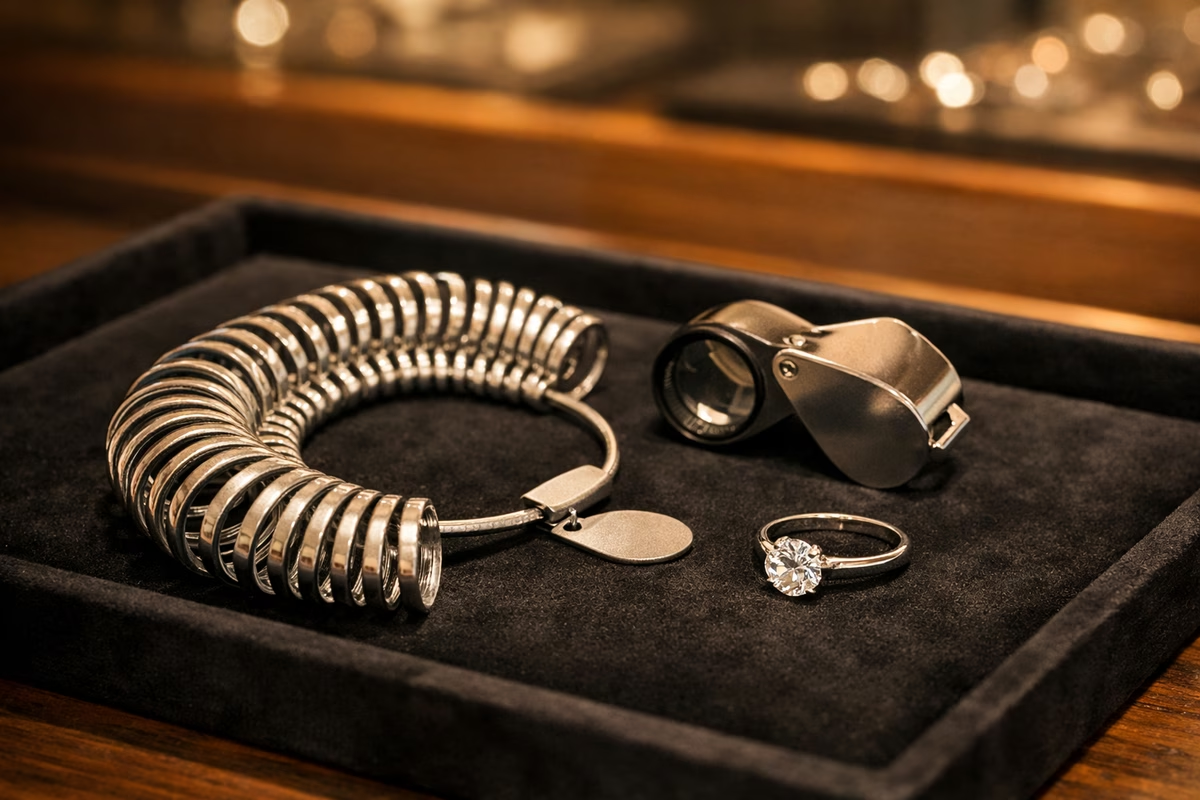
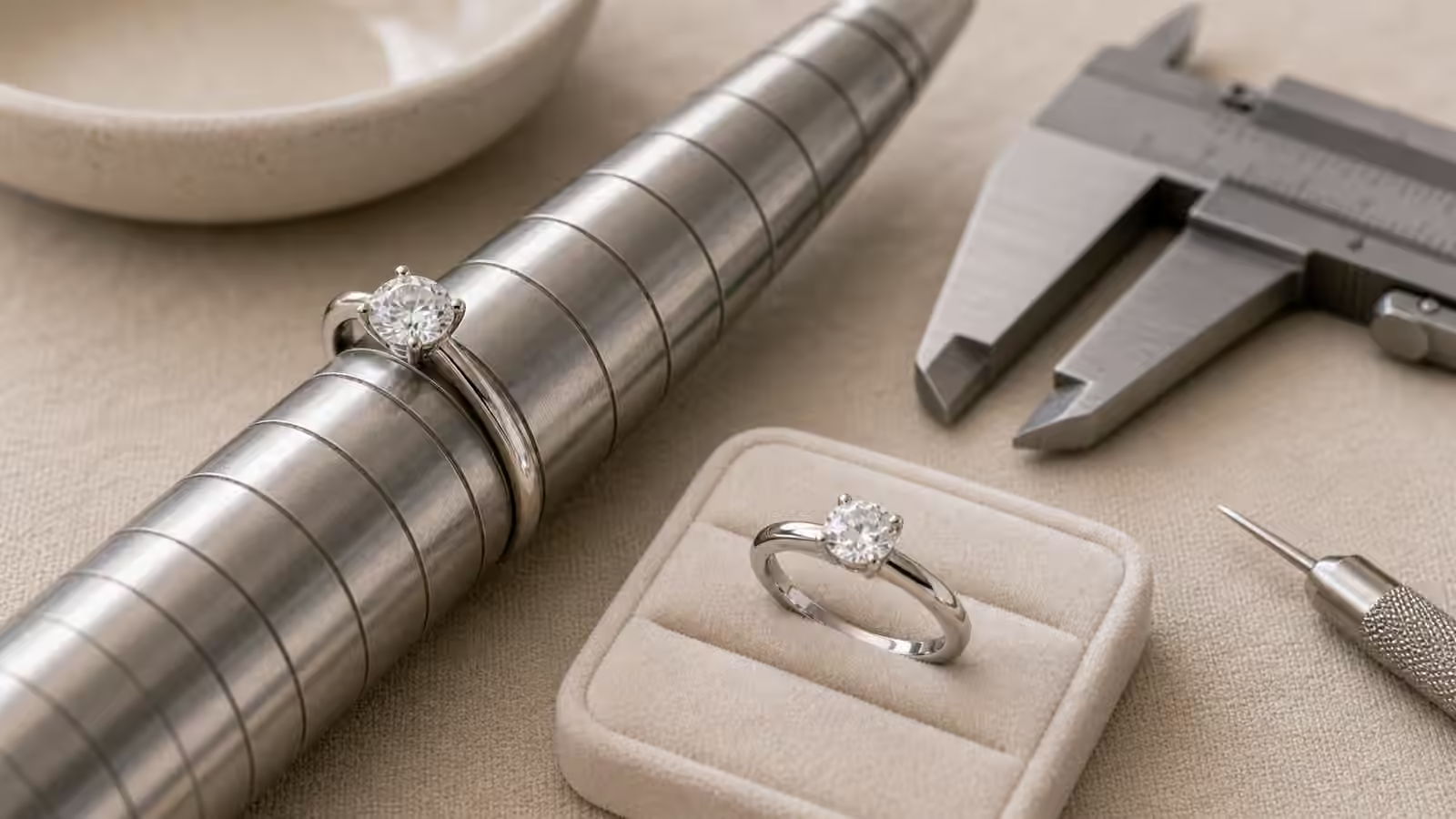
Ring sizing can be delicate, especially when the proposal is a surprise. A guessed size may be close enough for a plain solitaire, or it may create problems for a ring with pave, engraving, a wide shank, or an eternity-style band. Some designs can be resized only a little. Others must be remade if the size is wrong. The ring sizing guide explains why finger size is affected by width, temperature, knuckle shape, and time of day.
A placeholder reduces the risk of committing to a difficult size before the wearer can be measured properly. It also allows the wearer to try rings with different shank widths and inside profiles. A ring that measures correctly can still feel wrong if the band is too wide or the head spins. Waiting to finalize the ring lets comfort become part of the purchase rather than a repair issue after the fact.
If the placeholder itself needs to fit, choose a forgiving design. A simple band or adjustable temporary ring may be better than a delicate ring that must be sized immediately. The placeholder should support the proposal, not introduce a service problem of its own.
Budget Conversations Become More Honest
An engagement ring budget is easier to use well when both people understand the tradeoffs. One person may prefer a smaller diamond with excellent cut and a handmade setting. Another may care more about finger coverage, colored gemstones, or a particular metal. A placeholder lets the couple spend the real budget on the ring the wearer will actually live with.
The conversation does not need to become clinical. It can still be romantic to choose together. In many cases, it is more personal. The wearer gets to discover whether they prefer a bezel or prongs, yellow gold or platinum, a low profile or a flush-fit stack. The proposer gets to participate in those choices instead of guessing from social media, friends, or a passing comment made years earlier.
If family expectations are involved, a placeholder can create space there too. Some families assume a diamond solitaire. Some expect an heirloom stone to be used. Some couples prefer lab-grown diamonds, sapphires, recycled metals, or a quieter ring. The ring etiquette and traditions guide can help frame those expectations without letting them make the decision.
Family Stones Need Time
Heirloom stones are one of the strongest reasons to propose first and design later. A family diamond or gemstone may need inspection before it can be reset. The stone may have chips, old abrasions, unusual measurements, or a cut that needs a custom setting. The metal in the original ring may or may not be reusable. The sentimental value may be high even when the practical path is complicated.
Using the heirloom ring itself as a placeholder can be moving, but it should not force an immediate decision. The heirloom stone story shows why these choices carry emotion. A calm jeweler can inspect the stone, explain its limits, and suggest settings that protect it. That process deserves more than a rushed appointment before a proposal date.
If the heirloom piece is fragile, it may be better not to wear it daily as the placeholder. A simple temporary ring can stand in while the family piece is evaluated. Sentiment and structure should both be respected.
Make the Next Step Part of the Gift
A placeholder proposal should lead somewhere concrete. That might be an appointment with a trusted jeweler, a planned weekend for trying rings, or a shared shortlist of styles to explore. Without a next step, the placeholder can feel unfinished. With a next step, it feels like an invitation.
Bring practical notes to the first appointment. Discuss daily activities, metal preferences, allergies, wedding band hopes, and maintenance tolerance. Try rings in motion. Ask about return policies, timelines, resizing, and service plans. The choosing an engagement ring jeweler guide is useful because the jeweler’s listening matters as much as the inventory.
The final ring can still hold surprise. The wearer may choose the setting family and stone shape while the proposer handles a private engraving or final presentation. Or the couple may choose every detail together and let the finished ring be the surprise when it is ready. A placeholder ring does not make the engagement less real. It simply admits that a ring worn for years deserves more information than a guess.