Peg-Head Engagement Ring Settings: Height, Repair, and Band Fit
A peg-head engagement ring setting uses a separate head to hold the center stone, attached to the shank. In many examples, the head rises from the band like a small crown mounted onto a base. This construction can be useful, flexible, and elegant. It can also create height, a visible joint, or a side profile that surprises shoppers who only looked from above.
The alternative is often called an integrated head or integrated basket, where the shoulders of the ring flow into the setting more continuously. Neither approach is automatically better. A peg head may make stone setting and future stone changes easier. An integrated head may look more fluid and feel more structurally resolved. The right choice depends on the stone, the ring style, the desired height, and the wearer’s expectations for wedding band fit.
The broad ring settings guide explains the major setting families. This page looks at a quieter construction decision that often hides inside those families.
What a Peg Head Does
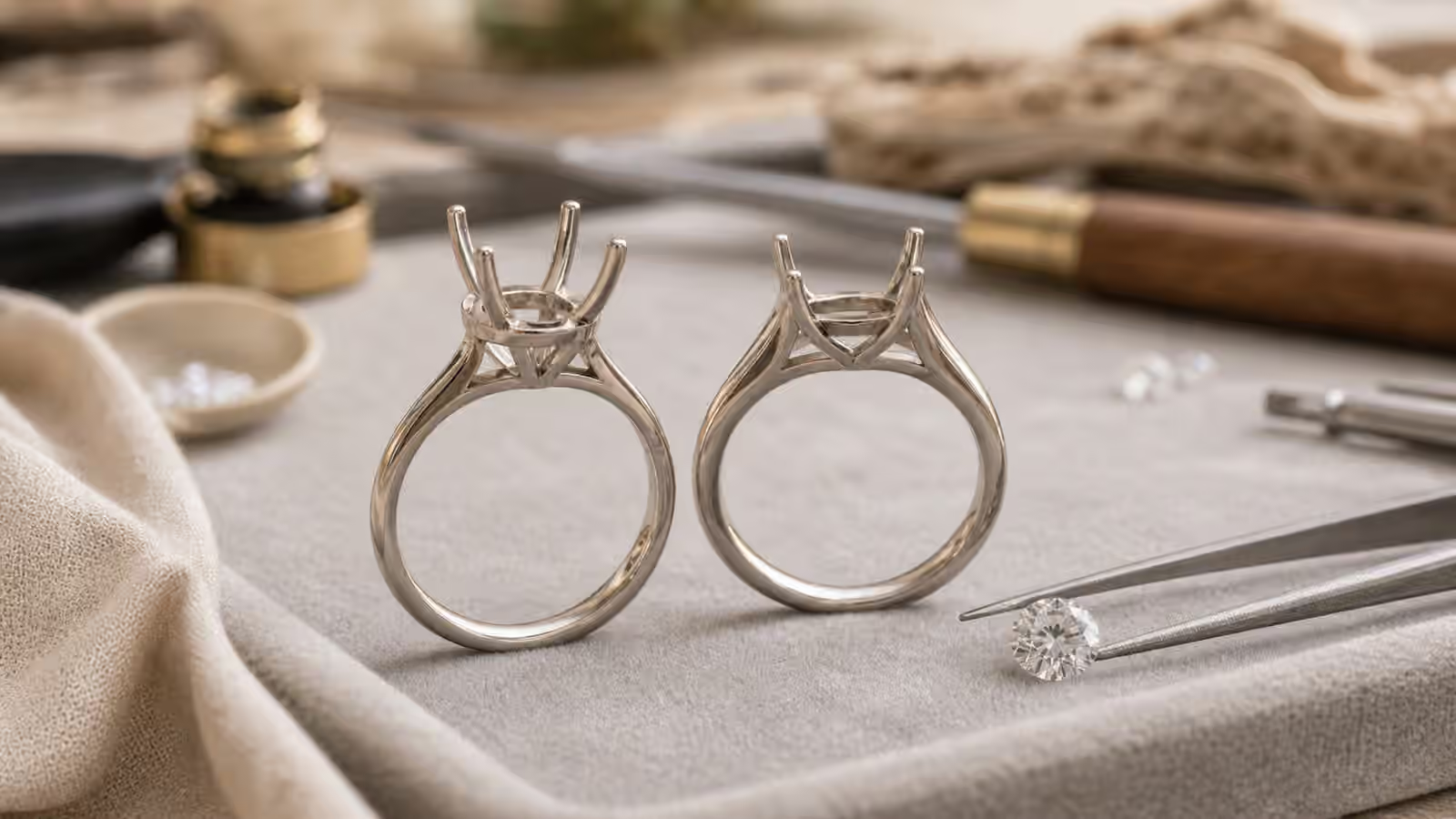
The head is the part of the ring that actually holds the center stone. It includes the prongs or basket elements that grip the diamond or gemstone. In a peg-head design, that head is made as a distinct component and attached to the shank. The attachment may be visually obvious or very refined. In many classic solitaires, a peg head allows the jeweler to pair a standard shank with a head sized for the chosen stone.
This flexibility can be practical. If the center stone is changed later, the head may be replaced more easily than a fully integrated setting. If the ring is being assembled around a calibrated round diamond, a peg head can be efficient and familiar. Many durable, well-loved rings use this construction.
The concern is not the mere existence of a peg head. The concern is whether the head is appropriate for the ring and attached well. A flimsy or poorly soldered head can be vulnerable. A head that sits too high can snag. A head that looks like an afterthought can make the ring feel less intentional. Construction quality matters more than the label.
Height Is the First Visible Tradeoff
Peg heads often raise the center stone above the shank. That can make the diamond look prominent and allow more light around the stone. It can also make the ring feel taller. Some wearers like that lifted, classic solitaire look. Others prefer the center stone to sit lower and closer to the finger.
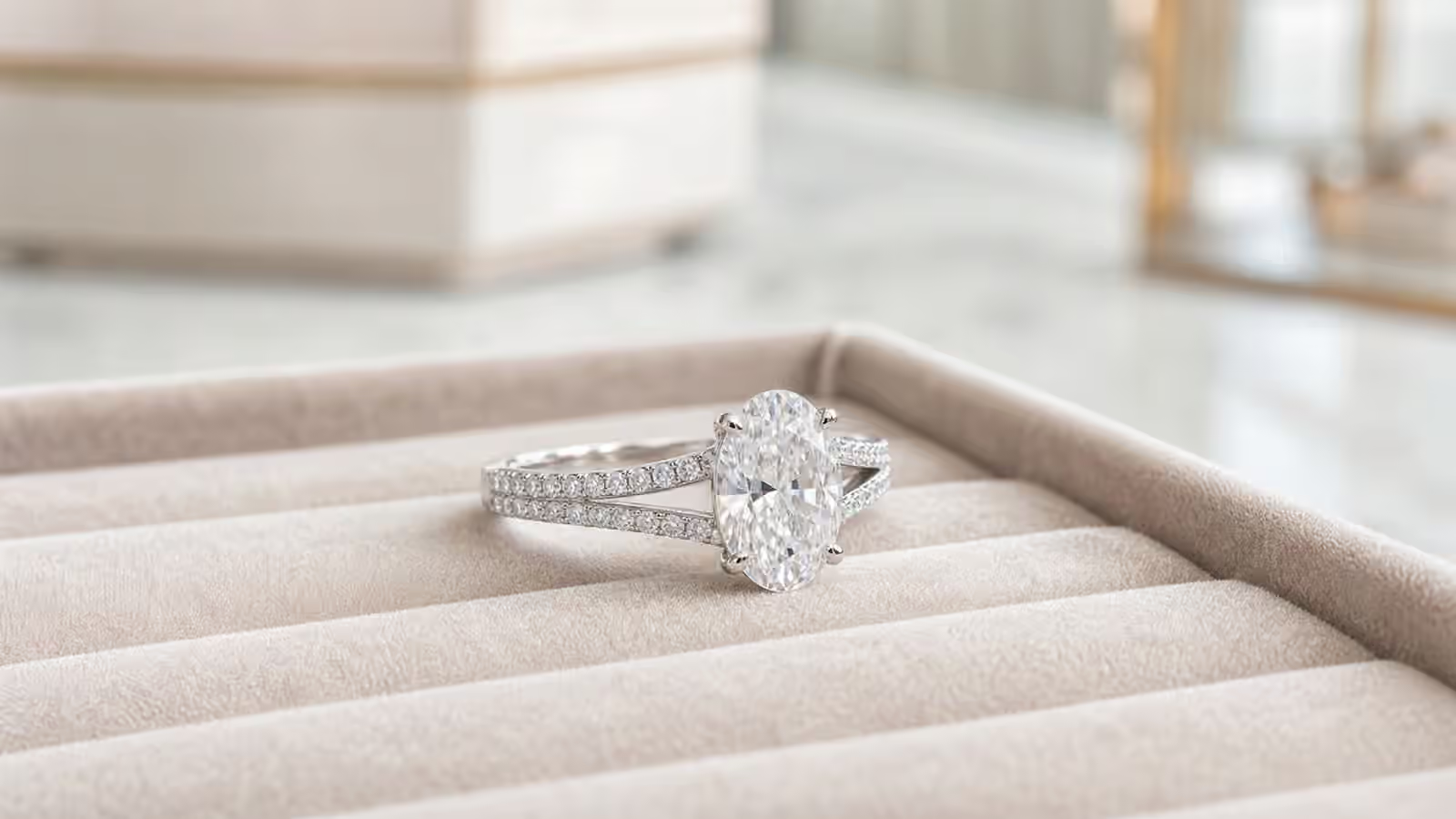
Height should be judged from the side, not only from the top. A ring may look simple and balanced face-up while revealing a high perch from the profile. That height can affect comfort, snagging, and how often the ring bumps surfaces. The low-profile engagement rings guide explains why lower settings are not always possible, but the tradeoff should be visible before purchase.
A tall peg head can be especially noticeable with larger stones or deeper cuts. A high-crowned old cut, a deep sapphire, or a stone with a thick pavilion may require more room than a shallow modern diamond. The head should hold the actual stone securely rather than forcing it into an ideal height. If the jeweler says a ring will sit low, ask to see the side view with the stone dimensions considered.
Integrated Heads Feel More Continuous
An integrated head uses the ring’s shoulders, gallery, or basket to create a more continuous structure. The shank may rise toward the stone in a cathedral style, or the basket may be built as part of the design rather than added on top. This can make the ring look more finished from the side and sometimes distribute stress more gracefully.
The cathedral engagement rings guide is relevant because cathedral shoulders often create an integrated look. They can protect the center visually and structurally, though they may also add height. The gallery rail and basket guide helps with the side architecture that supports the stone.
Integrated does not always mean stronger. A delicate integrated basket can still be weak if it lacks enough metal. A well-made peg head can be very secure. The question is how the head meets the shank, how the stone is supported, and how the ring will handle impact and repair over time.
Prong Security Still Comes First
Peg head or integrated head, the prongs must suit the stone. Round diamonds need even prongs with good seats. Pears and marquises need point protection. Princess cuts and other cornered shapes need thoughtful corner security. A peg head selected only because it fits the carat weight may not be right for a fancy shape.
The engagement ring prongs guide should be part of any head conversation. It explains why prong count, shape, and placement affect both appearance and security. A six-prong peg head can look classic and protective on a round diamond. A four-prong head can look lighter but expose more girdle. A V-prong or custom head may be needed for pointed stones.
If the center stone has inclusions near an edge, head choice becomes even more important. A prong should protect vulnerable areas without applying careless pressure to them. The diamond inclusions, durability, and setting risk guide explains that relationship between stone features and setting decisions.
Wedding Band Fit Can Be Better or Worse
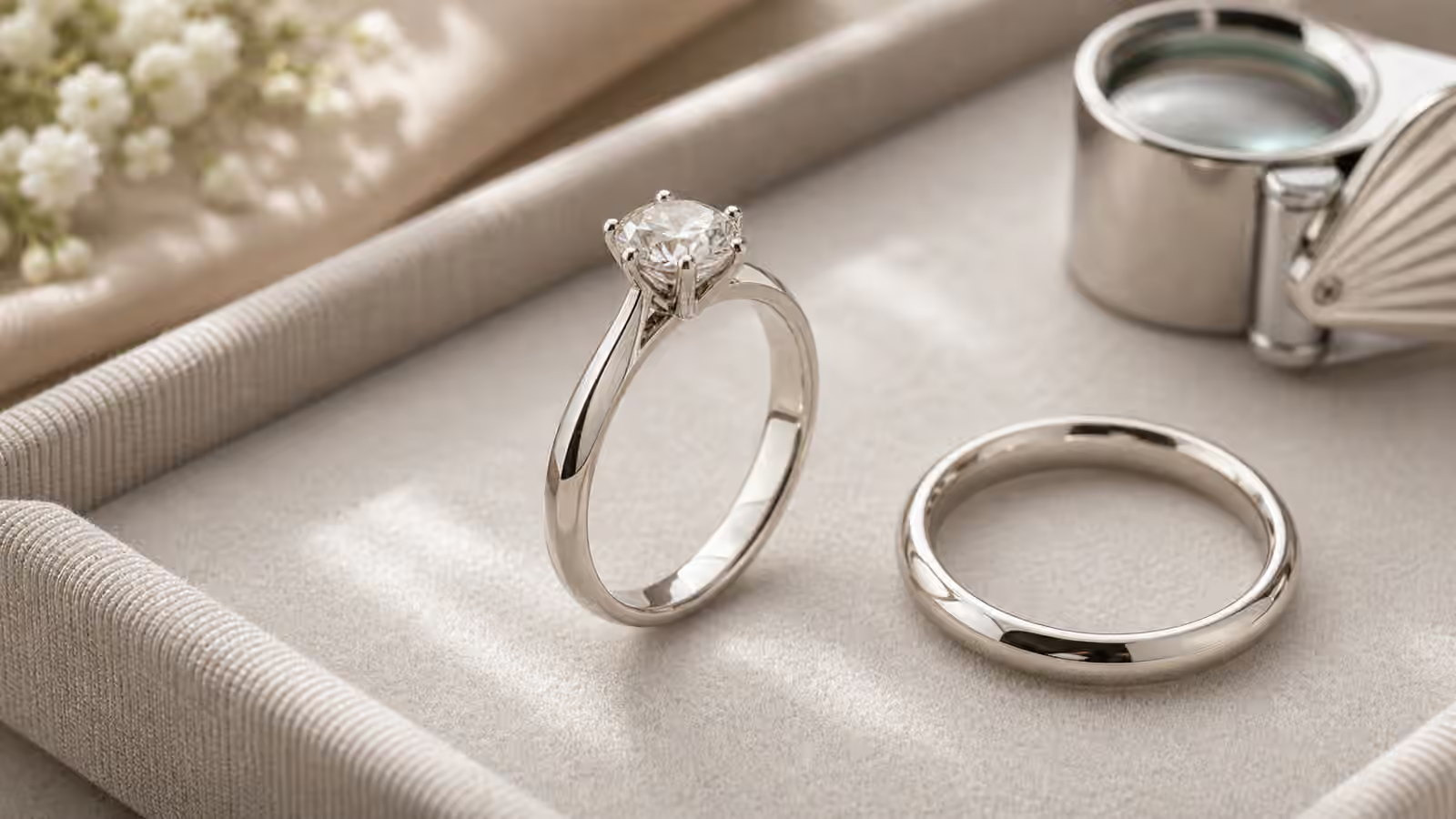
One reason shoppers like peg-head solitaires is that the center may sit high enough for a straight wedding band to slide underneath or close beside the engagement ring. That can be useful. A high head can create space that a low integrated basket would block. But height is not the only band-fit issue. The width of the basket, the placement of prongs, and the shape of the shank all matter.
A peg head with prongs that flare outward may still prevent a flush band. A low integrated head may need a curved band, but it may feel smoother and more protected. A cathedral ring may allow a straight band in some designs and block it in others. The flush-fit engagement ring design and wedding band pairing guides are useful companions before choosing.
Do not rely on the phrase “flush fit” without testing. If the wedding band is not being purchased at the same time, ask the jeweler to show a plain sample band beside the engagement ring. Look from above and from the side. A tiny gap may be acceptable. Rubbing against prongs or delicate gallery details is more concerning.
Repair and Stone Changes Are Part of the Appeal
A well-made peg head can make future work more straightforward. If the center stone is upgraded, damaged, or reset, replacing the head may be simpler than rebuilding an integrated ring. This is one reason peg heads appear in many classic solitaire mountings. The ring can adapt.
That adaptability is not unlimited. Replacing a head can affect the ring’s proportions, metal finish, and side profile. If the shank is worn thin, a new head will not solve that. If the ring has pave shoulders, engraving, or delicate side details, heat and repair work require more care. The engagement ring warranties and service plans guide can help frame the service conversation before problems arise.
Integrated heads can be repaired too, but the work may be more involved. Sometimes that is worth it because the design is more cohesive. A ring should not be chosen only for hypothetical future repairs, but repairability is a legitimate part of daily jewelry design.
Look Closely at the Attachment Point
In a peg-head ring, the attachment point deserves inspection. The head should not look perched without support. Solder seams should be clean. The head should sit straight, centered, and level. From the side, the ring should look like one intentional object. If the head appears crooked, too small for the shank, or visibly rough where it joins the band, keep looking.
Also check how easy the ring will be to clean. A high head with open space may allow better access under the stone. A narrow joint or hidden crevice may collect residue. Cleaning access is not the main design driver, but it matters because buildup under the center stone can dull the ring quickly. The ring care guide covers the basic routine.
For colored gemstones, ask whether the head protects the stone’s particular needs. Some gems should not be exposed to the same heat or cleaning methods used for diamonds. Some need more protective settings. The colored gemstone durability guide helps separate the center stone’s needs from the mounting style.
When a Peg Head Makes Sense
A peg-head setting makes sense when the wearer likes a classic raised look, wants a straightforward solitaire, may want future stone flexibility, or needs a setting that can be adapted to a selected center stone. It can be practical and beautiful when the head is well proportioned, securely attached, and matched to the stone.
An integrated head may be better when the wearer wants a lower, more fluid side profile, a custom design where the shank and basket are visually inseparable, or a setting that feels sculpted around a particular stone from the beginning. It may also be preferable when the ring’s side view is a major part of the design.
The right question is not whether peg heads are good or bad. The right question is whether this head belongs on this ring. If the height makes sense, the attachment is clean, the prongs protect the stone, and the wedding band plan is honest, a peg head can be a dependable solution. If it looks like a shortcut, the ring will probably keep looking that way after the proposal.