Pear-Shaped Engagement Rings: Points, Proportion, and Wearability
A pear-shaped engagement ring has a built-in direction. One end is rounded and full, the other narrows to a point, and the whole stone reads like a teardrop. That shape gives the ring movement even when the hand is still. It can look graceful, dramatic, vintage, or modern depending on the proportions and setting. It also asks for more judgment than a simple round solitaire because the outline has a vulnerable tip, a visible center pattern, and a clear orientation on the finger.
The diamond shapes guide covers pear shapes as part of the broader diamond family, but pear engagement rings deserve slower inspection. Small differences in symmetry, length, width, and bow-tie effect can change the ring from elegant to awkward. The setting has to protect the point without turning the stone heavy. The wedding band has to work around a center stone that often reaches farther down the finger than expected.
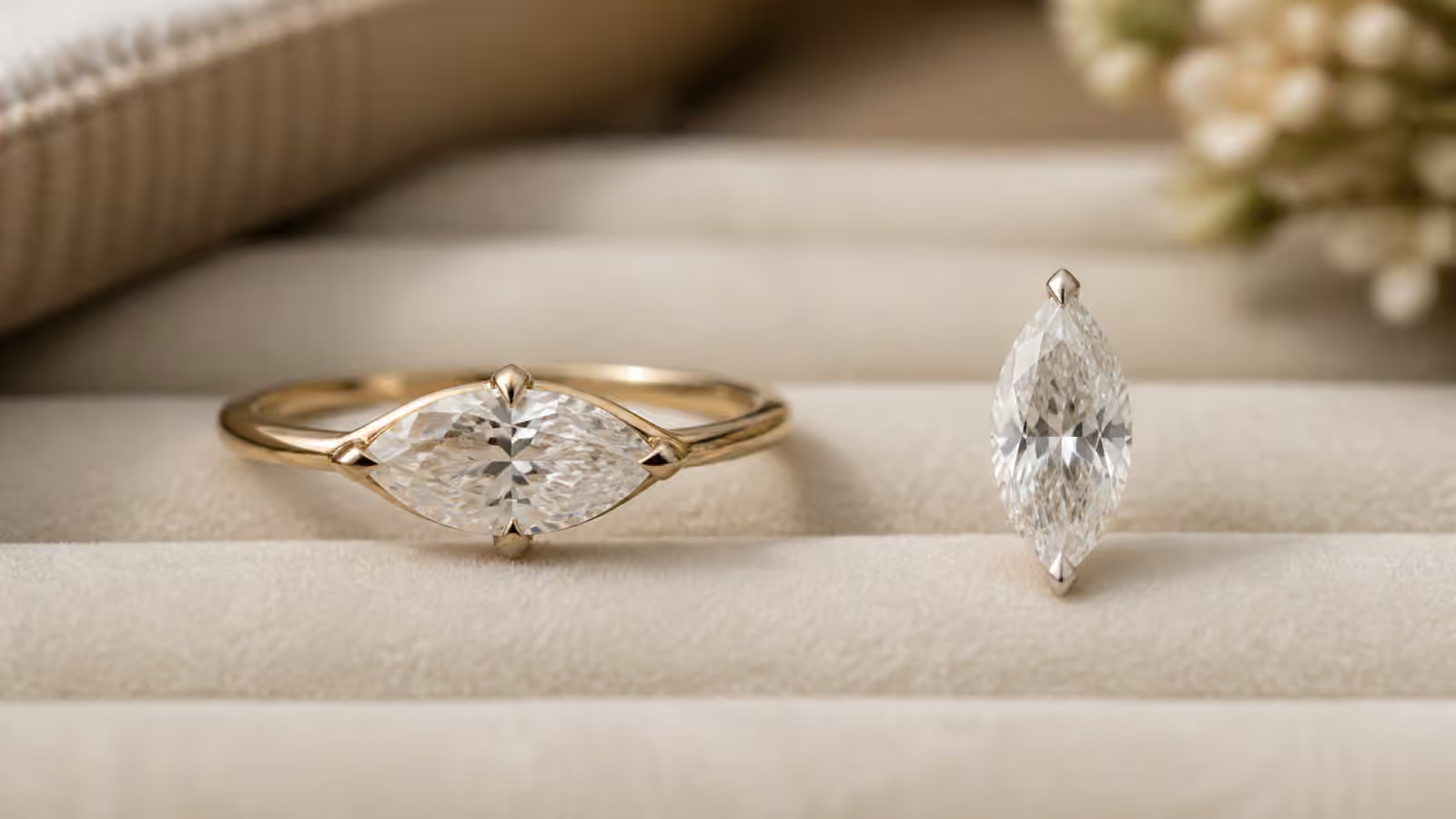
Pear shapes are appealing because they give finger coverage without the severe geometry of a marquise or the more familiar look of an oval. They can make a modest carat weight feel visually present. They also invite personal styling because the point can be worn toward the fingertip, toward the hand, or even sideways in an east-west design. That flexibility is useful, but it means the buyer should decide deliberately rather than accepting the first pretty teardrop in the case.
Proportion Is More Than Length
Pear diamonds vary from short and rounded to long and slender. A fuller pear can feel soft and classic, especially in a solitaire or halo. A longer pear can look sleek and elongating, but if it becomes too narrow, the rounded end may look pinched and the point may dominate the shape. The most pleasing pears usually have a clear teardrop outline with balanced shoulders, a graceful curve, and a point that aligns with the center of the stone.
Symmetry matters more than many shoppers expect. A pear is easy to judge because the eye naturally compares the two sides. If one shoulder bulges more than the other, or if the point leans slightly off center, the ring may always look a little unsettled. Some asymmetry is visible only under close inspection, but larger imbalance becomes obvious once the stone is mounted. Look at the diamond face-up and rotate it. If the outline bothers you before the ring is finished, metal will not usually make the concern disappear.
Measurements can guide the comparison, but they are not enough. Length-to-width ratio tells you whether the stone is short, balanced, or elongated, yet it cannot describe shoulder shape or point alignment. Face-up size also varies with depth. A deep pear may carry weight underneath rather than across the hand. The diamond carat weight and face-up size guide is especially relevant for pears because their visual length can make carat weight feel larger or smaller than the number suggests.
Bow-Tie and Light Behavior
Pear diamonds often show some bow-tie effect, a darker band or pair of shadowed areas across the center caused by how the facets reflect light and the viewer’s head. A slight bow-tie can be normal and may add contrast. A heavy bow-tie that stays dark in many lighting conditions can make the stone look divided. Because pear shapes combine rounded brilliant-style facets with a pointed end, their light behavior can be complex.
Do not judge the bow-tie from one still photo. Move the stone slowly and look under more than one light source. If the dark area opens and closes as the diamond moves, it may simply be normal contrast. If it stays black or muddy while the ends sparkle, it may bother the wearer over time. The oval engagement rings bow-tie guide is useful even though the shape is different, because the same viewing habits apply: compare real stones, watch the center, and avoid relying only on tilted glamour videos.
Cut quality is not only about avoiding darkness. A good pear should have life across the rounded end, the shoulders, and the tip. Some pears look bright at the belly but go quiet near the point. Others have a lively outline but a dull center. The diamond cut quality guide explains why light return has to be judged visually, especially in fancy shapes that do not receive the same simple cut grade shoppers expect from round diamonds.
Protecting the Point
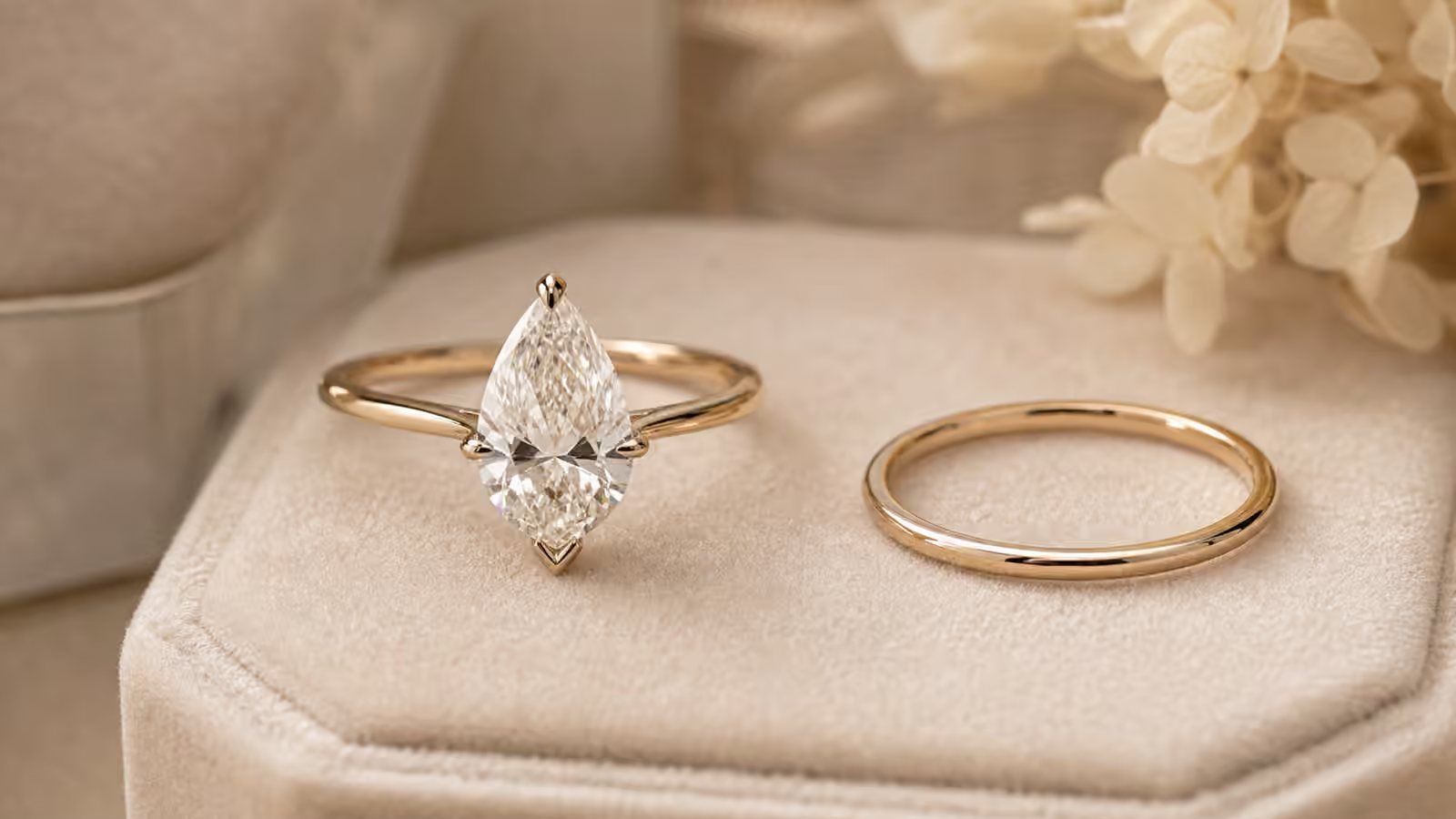
The pointed tip is the pear’s most vulnerable feature. It is also part of the shape’s beauty, so the setting has to protect it without hiding it clumsily. Many pear-shaped engagement rings use a V-prong at the point. Instead of placing a tiny round tip on the sharp end, a V-prong cups the point with a small metal shield. This can reduce the chance of a chip from a hard knock and gives the setting a more purposeful look.
The other prongs should hold the rounded end and shoulders evenly. A common arrangement uses a V-prong at the point and two or four additional prongs around the body. The exact count depends on the stone size, setting design, and jeweler’s construction. Fine claw prongs can look elegant, but they should not be filed so thin that security becomes wishful thinking. The engagement ring prongs guide is a practical companion because pear rings make prong decisions visible.
A bezel can also suit a pear, especially for someone who wants a smoother outline and more protection. A full bezel changes the mood, making the stone feel modern or antique depending on the metal and proportions. It may reduce snagging and protect the point well, but it also frames the diamond more strongly and can cover some edge. A partial bezel or east-west bezel can be striking, but it should be made by a jeweler comfortable with the shape.
Which Way Should the Point Face?
Many pear rings are worn with the point toward the fingertip because that orientation visually lengthens the finger. Some wearers prefer the point toward the hand because it feels more personal or creates a softer view from the wearer’s perspective. Neither is wrong. The better question is how the ring looks on the actual hand and how it pairs with future bands.
Point-toward-fingertip settings often leave the rounded end closer to the wedding band, which can make band pairing easier if the basket is raised enough. Point-toward-hand designs may require more thought because the point can approach the band or create a sharp visual gap. East-west pear rings turn the teardrop sideways and feel more contemporary. They can sit lower and provide finger coverage across the hand, but they may need a custom band or a careful shank design.
Try the ring in the intended orientation before deciding. Pear shapes are expressive, and their direction changes the whole character of the ring. A stone that looks elegant in one direction may look too dramatic in another. A wearer who uses their hands heavily may also prefer a lower profile or a more protected point, even if a taller solitaire looks prettier in the case. The low-profile engagement rings guide helps connect that side-view decision to daily comfort.
Settings and Wedding Bands
Pear diamonds work in solitaires, halos, three-stone settings, bezels, and vintage-inspired designs. Solitaires keep the outline clean and let the stone’s asymmetry become the design. Halos can make a pear look larger and more ornate, but the halo must follow the outline carefully. If the accent stones are uneven around the point or rounded end, the shape can look distorted. A three-stone pear ring can be beautiful, but side stones need to support the direction rather than pull attention away from it.
Wedding band fit should be discussed early. A pear center stone may sit close to the finger, especially in low settings, and a straight band may leave a visible gap. Some wearers like that gap because it lets the engagement ring breathe. Others want a flush set and may need a curved, chevron, open, or custom band. The wedding band pairing guide is helpful because pear rings often make the band decision part of the engagement ring design.
Metal color changes the impression. Yellow gold can make a pear feel warm and antique. Platinum or white gold can make the outline crisp and icy. Rose gold can soften the shape further. The metal around the V-prong is especially visible at the point, so the color and finish become part of the silhouette.
Living With a Pear-Shaped Ring
A pear-shaped ring rewards care without needing to feel fragile. The wearer should watch the point, notice any snagging, and have prongs inspected regularly. If the ring catches on fabric, the issue may be a lifted prong rather than the shape itself. If the center stone feels loose or clicks under gentle pressure, the ring should come off until a jeweler checks it. Those habits are ordinary ownership, not a sign that pear shapes are impractical.
The best pear engagement rings look graceful because the engineering is handled quietly. The point is protected. The bow-tie is acceptable or beautiful in motion. The proportions suit the hand. The setting supports the direction of the stone. When those details come together, the pear shape gives a ring something rare: softness with a sharp note, romance with structure, and a silhouette that feels chosen rather than default.