Moissanite Engagement Rings: Sparkle, Tradeoffs, and Setting Choices
Moissanite tends to enter the engagement ring conversation quietly. Someone sees a ring with a bright, clean center stone, asks about the diamond, and learns that it is not a diamond at all. The reaction is often a mix of surprise and curiosity. It looks close enough to belong in the same case, but the sparkle behaves differently. The price usually leaves more room for a well-made setting. The word itself may feel unfamiliar, especially to shoppers who have spent weeks learning the 4Cs of diamonds and assumed every serious decision led back to diamond.
That is the right starting point: moissanite is not a worse diamond. It is a different stone with a different optical personality, different buying signals, and different social meaning. For some couples, it solves the problem beautifully. For others, it misses the emotional mark because they wanted a diamond specifically, not a diamond-like appearance. A good decision depends on being honest about both sides.
What Moissanite Actually Is
Moissanite is silicon carbide. Natural moissanite is extremely rare, so the stones used in engagement rings are almost always created in a lab. That makes it easy to confuse moissanite with a lab-grown diamond, but they are not the same thing. A lab-grown diamond is crystallized carbon with the same basic chemical structure and optical behavior as mined diamond. Moissanite is its own material.
That distinction matters because the decision is not simply natural versus lab-created. If the goal is a diamond, a lab-grown diamond belongs in the same category as mined diamond for appearance and composition, while raising its own questions about value, sourcing, and personal preference. The lab-grown vs natural diamonds guide is the better path for that comparison. Moissanite belongs in a different conversation: how much you value diamond identity compared with size, brilliance, durability, and budget flexibility.
Moissanite is hard enough for daily wear. It is often described at about 9.25 on the Mohs scale, below diamond but above sapphire and ruby. That does not make it indestructible. Hardness measures resistance to scratching, not immunity from chips, pressure, bad prong work, or a hard blow against a counter. Still, among diamond alternatives, moissanite is one of the most practical choices for a ring that will be worn often.
The Sparkle Is Similar, But Not Identical
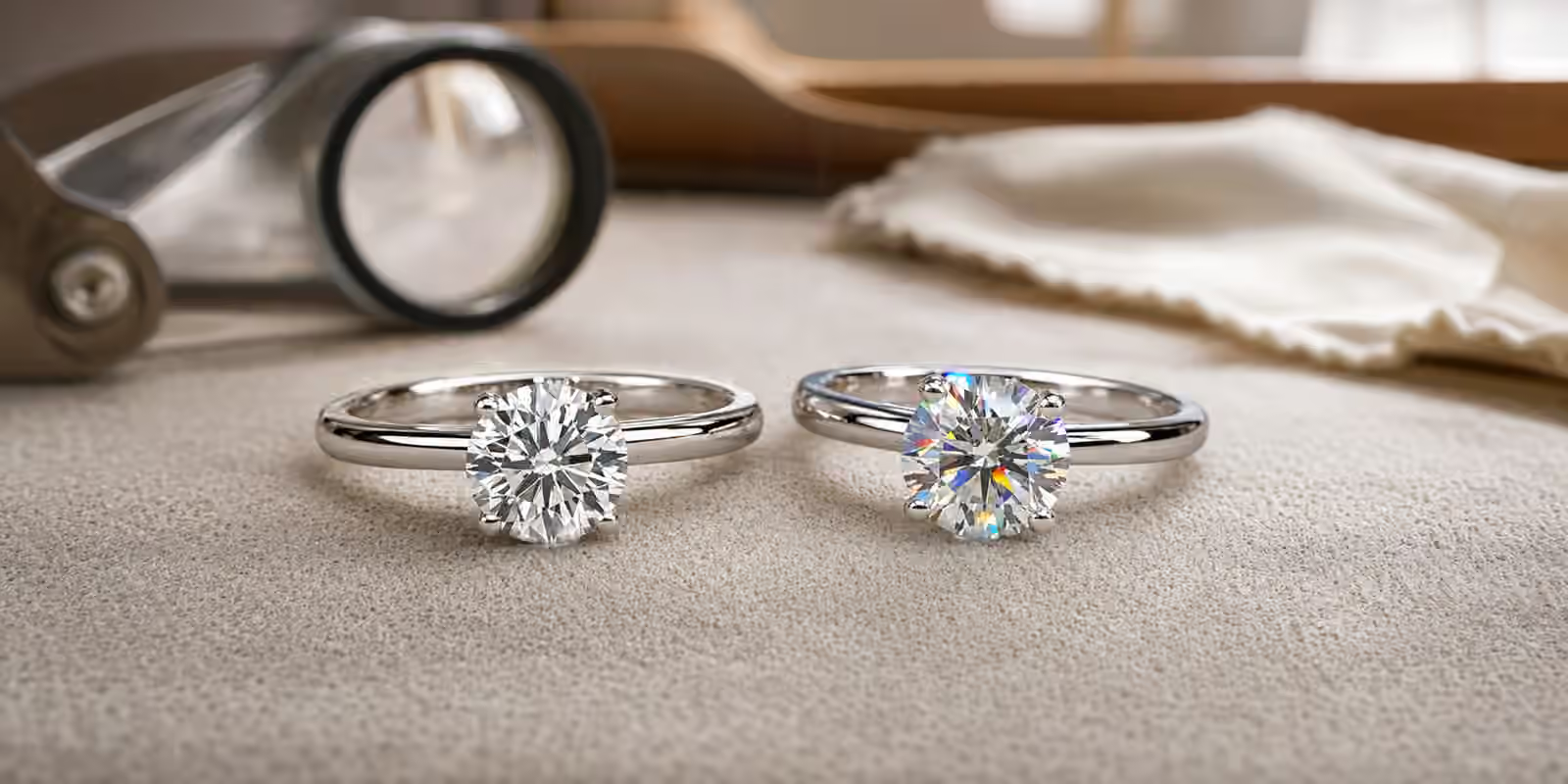
The first visible difference is fire. Moissanite disperses light strongly, so it can throw more rainbow flashes than diamond, especially in bright sun, jewelry-store spotlights, or evening lighting with hard points of light. Some people love that liveliness. It can make a ring feel celebratory, almost electric. Others find the rainbow effect too busy, particularly in larger stones where every movement produces color.
Diamond sparkle usually reads whiter and crisper. A well-cut diamond returns a mix of white brilliance, contrast, and colored fire, but the balance is different. Moissanite often announces itself through those colored flashes. This is why the best test is not a still photograph. Move the ring. Walk it toward a window. Look at it under office light, shade, and a warmer lamp. A stone that looks perfect in a case may feel either thrilling or distracting once it is moving on a hand.
Size changes the effect. A modest moissanite solitaire can look clean and diamond-like to casual observers. A very large moissanite, especially in a brilliant round cut, is more likely to reveal its personality. That is not a flaw. It is just part of the stone. If the wearer wants a large center stone and enjoys visible fire, moissanite can be a strong match. If the wearer wants the quietest possible diamond substitute, it is worth comparing smaller sizes, elongated shapes, and less ornate settings before choosing.
Color, Cut, and the Limits of Diamond Language
Moissanite sellers often borrow diamond language because shoppers already understand it. You may see terms like colorless, near-colorless, excellent cut, or diamond equivalent weight. Those terms can help orient you, but they should not be read as if they came from a diamond grading report. Moissanite is assessed differently, and the paper trail is usually not as standardized as a diamond report from a major laboratory.
Colorless moissanite can look bright and icy in white gold or platinum. Near-colorless stones may show a slight warmth, especially in larger sizes or certain cuts. Yellow gold and rose gold can make that warmth feel intentional rather than compromised, much as warm metal can flatter some lower color diamonds. If you are choosing a white-metal solitaire and want the stone to read as cool white, compare color grades in person instead of relying on the label alone.
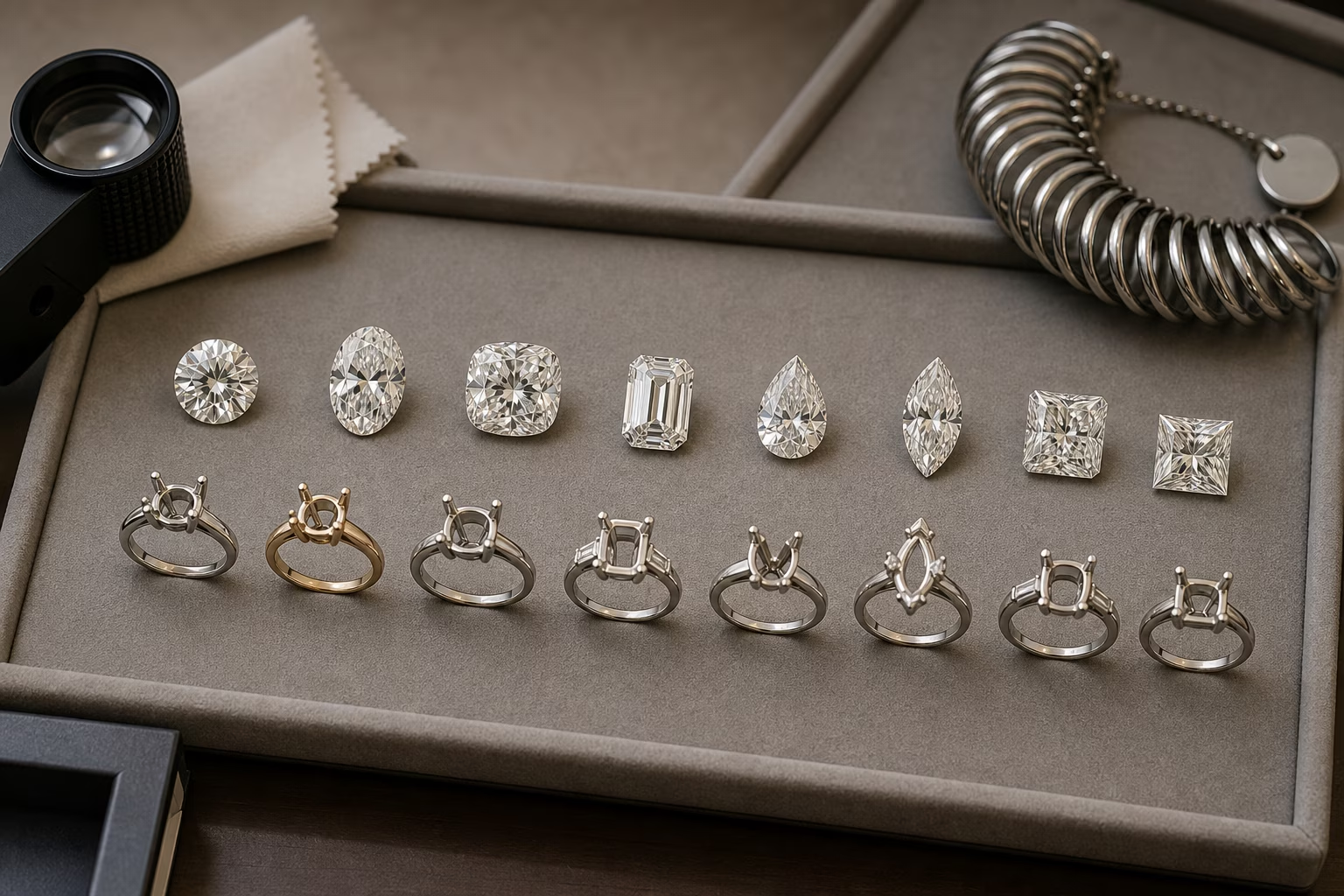
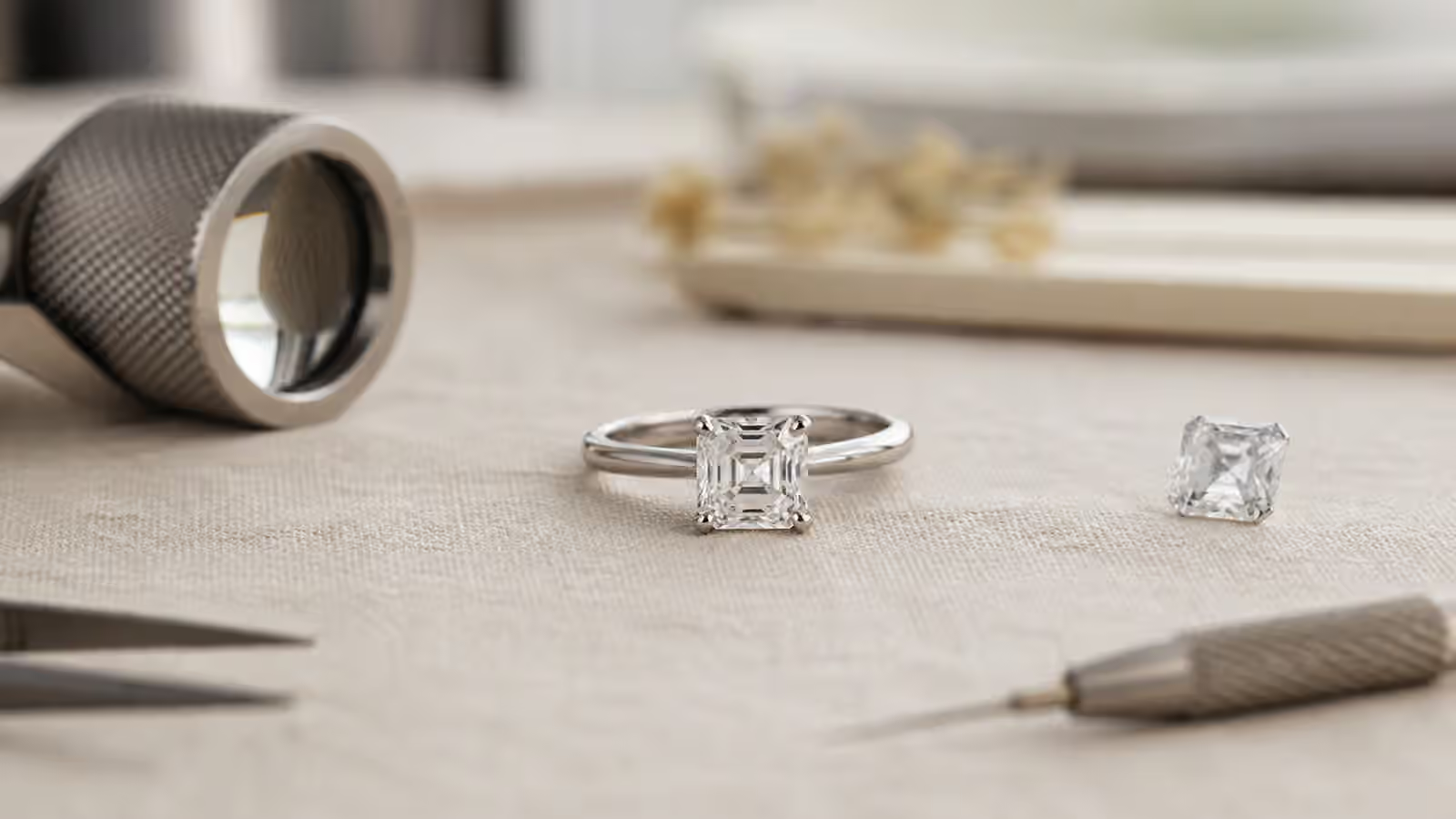
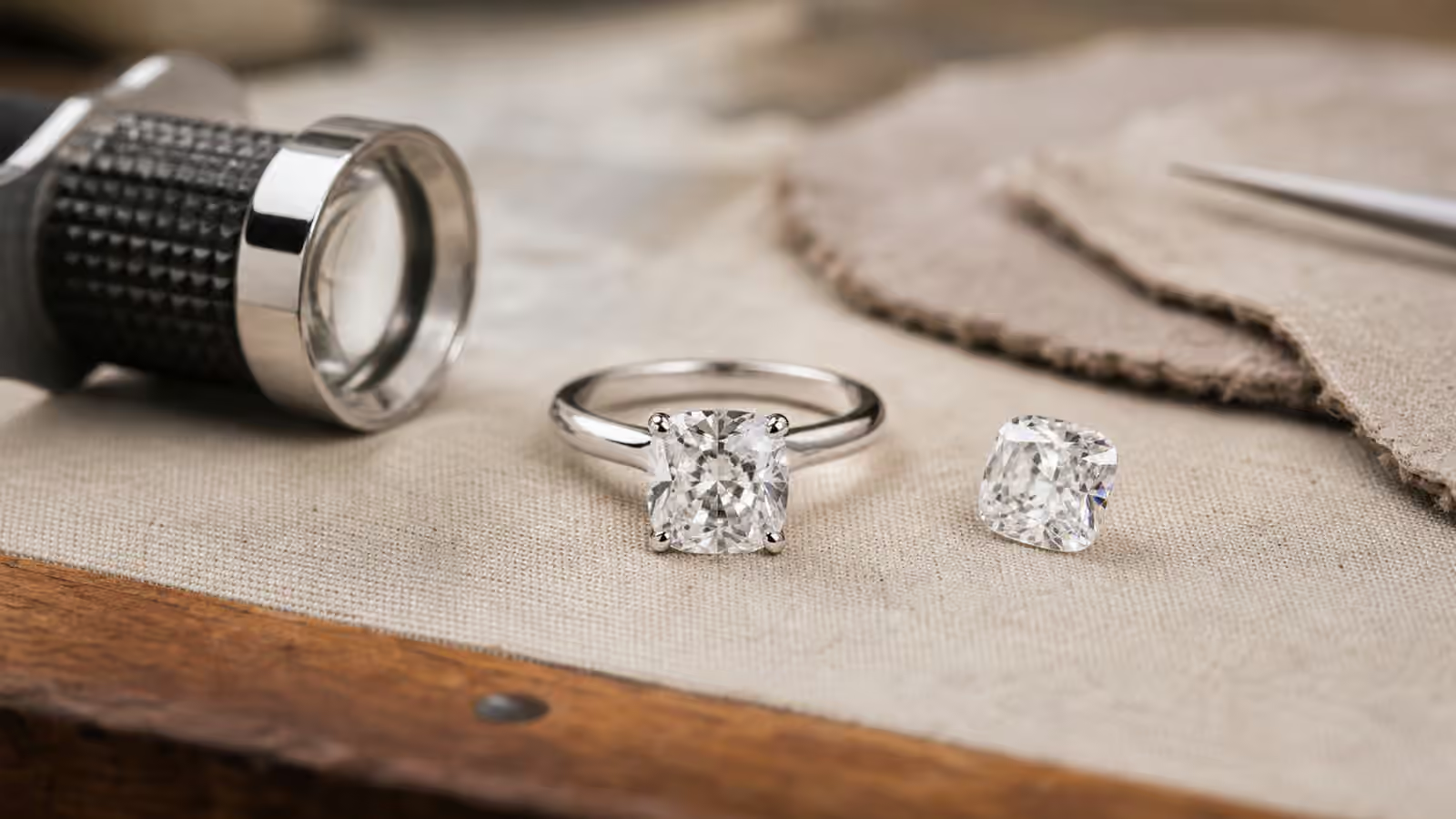
Cut still matters, even if the grading language differs. A poorly cut moissanite can look glassy, flat, or chaotic. A well-cut one has clear patterning and balanced light return. Because moissanite is so bright by nature, shoppers sometimes assume every stone will perform well. That is not true. Look for symmetry, pleasing facet pattern, and a shape that suits the hand. The diamond shapes guide is useful here even when the center stone is not diamond, because outline, corner protection, and face-up proportions still affect how a ring wears.
Where Moissanite Saves Money, And Where It Should Not
Moissanite usually costs less than a diamond of similar visible size. The useful part of that savings is not only that the center stone may be larger. It is that the ring budget can shift toward craftsmanship. A secure head, a comfortable shank, careful polishing, and clean prong work matter more over time than squeezing every possible millimeter out of the center stone.
This is where moissanite shoppers can make the same mistake diamond shoppers make, only faster: chasing size until the rest of the ring becomes an afterthought. A big center stone in a flimsy mounting is still a fragile object. Thin prongs, an underbuilt basket, or a shank that feels delicate in the store can become a maintenance problem years later. If moissanite gives you budget room, use some of it to buy a better ring, not only a larger stone.
It is also worth thinking about social expectations. Some people do not care whether others assume the ring is diamond. Some enjoy explaining that it is moissanite. Some would rather not have that conversation. None of those reactions is more mature than the others. Engagement rings carry private meaning, but they are worn in public. The right stone should fit the wearer’s comfort with that public life.
Settings That Work Especially Well
Moissanite can work in most familiar engagement ring settings, but the stone’s brightness changes how those settings feel. A simple solitaire lets the center stone be the whole story. This often suits moissanite well because there is already plenty of light. A six-prong solitaire can make a round stone feel classic, while a four-prong head can show more of the outline. A bezel can be excellent for someone who wants smooth daily wear and a slightly more modern look.
Halos and pavé bands need more restraint. They can be beautiful, but a moissanite center surrounded by many small bright stones may become visually loud. If the wearer loves sparkle, that can be exactly the point. If the goal is a ring that reads polished and calm, consider a plain shank, a delicate hidden halo, or small side stones instead of a full field of accent stones. The ring settings guide explains these setting families in more detail, and those same principles apply here.
Profile height deserves attention too. A larger moissanite may sit higher simply because the stone has depth. High settings can look graceful, but they are more likely to snag and rotate. A low basket or bezel can make the ring easier to live with, especially for someone who works with their hands or dislikes jewelry that catches on clothing. The low-profile engagement rings guide is worth reading before committing to a tall center stone.
Wedding band fit should be part of the design from the beginning. A low bezel, hidden halo, or wide basket may block a straight wedding band from sitting flush. That is not a reason to reject the design; it is a reason to plan the set. A contour band, open band, or small intentional gap can look elegant when chosen on purpose. Surprise gaps are the problem, not gaps themselves. The wedding band pairing guide covers the practical side of that decision.
Care, Durability, and Long-Term Wear
Moissanite stays bright, but it still gets dirty. Lotions, soap, sunscreen, and skin oils can leave film on the stone and dull the sparkle. Because moissanite has so much fire, a dirty stone can shift from lively to hazy in a way the wearer notices quickly. Warm water, mild dish soap, and a soft brush are usually enough for routine cleaning, assuming the setting and any accent stones are in good condition.
The setting needs the same inspection discipline as any engagement ring. Prongs wear. Small accent stones can loosen. A ring that looks solid from above may have a bent claw, a thinning bridge, or a tiny gap where debris collects. Moissanite’s hardness does not protect the metal that holds it. The habits in ring care still apply: remove the ring for rough work, clean gently, and let a jeweler inspect the setting periodically.
Insurance is a personal decision, but documentation still matters. Keep the receipt, stone details, setting description, and photographs together. If the ring has a branded moissanite or a custom setting, record those details. The replacement value may be lower than a comparable diamond ring, but the emotional value is not lower to the person wearing it. If you want coverage, the ring insurance guide explains how appraisals and documentation fit together.
Who Moissanite Suits Best
Moissanite suits someone who wants a durable, bright, diamond-like stone and is comfortable with it being its own material. It suits couples who would rather put money toward a stronger setting, a larger visual presence, a wedding fund, travel, a home, or simply less financial strain. It suits wearers who like sparkle with personality and do not mind occasional questions.
It is less ideal for someone who specifically wants diamond symbolism, diamond optics, or a ring that will be understood as diamond without explanation. It may also be wrong for someone who dislikes rainbow fire or wants the most subdued possible sparkle. In those cases, a smaller natural diamond, a lab-grown diamond, or a different colored gemstone may be a better fit.
The cleanest way to decide is to stop treating moissanite as a secret compromise. Put it beside diamond. Move both stones through real light. Imagine the ring being worn to work, to dinner, on quiet weekends, and in photographs years from now. If moissanite still feels beautiful after that comparison, it has earned its place. If it does not, the comparison has still done its job. A good engagement ring decision should make the wearer more certain, not more defensive.