Engagement Ring Gallery Rails and Baskets: Side-Profile Structure That Matters
Most engagement ring shoppers look from the top first. They compare diamond shape, prongs, halo size, band width, and overall sparkle. The side profile often receives a quick glance, even though it explains how the center stone is supported and how the ring will behave with a wedding band, sleeves, cleaning, and years of wear. Gallery rails and baskets are not glamorous vocabulary. They are the architecture under the diamond.
The ring settings guide introduces setting families, while engagement ring prongs focuses on the small metal tips that hold the stone. Gallery rails and baskets sit between those ideas. They shape the head under the stone, connect the prongs, influence height, and decide whether the ring feels airy, sturdy, low, ornate, or easy to pair.
Learning to inspect the side profile can change how you shop. Two rings may look almost identical from above and wear very differently because one has a low closed basket while the other has an open gallery with a higher head. One may allow a straight wedding band to sit flush. Another may need a curved band. One may clean easily. Another may trap lotion under a hidden halo or decorative bridge. The side view is where many long-term details are hiding.
What the Basket Does
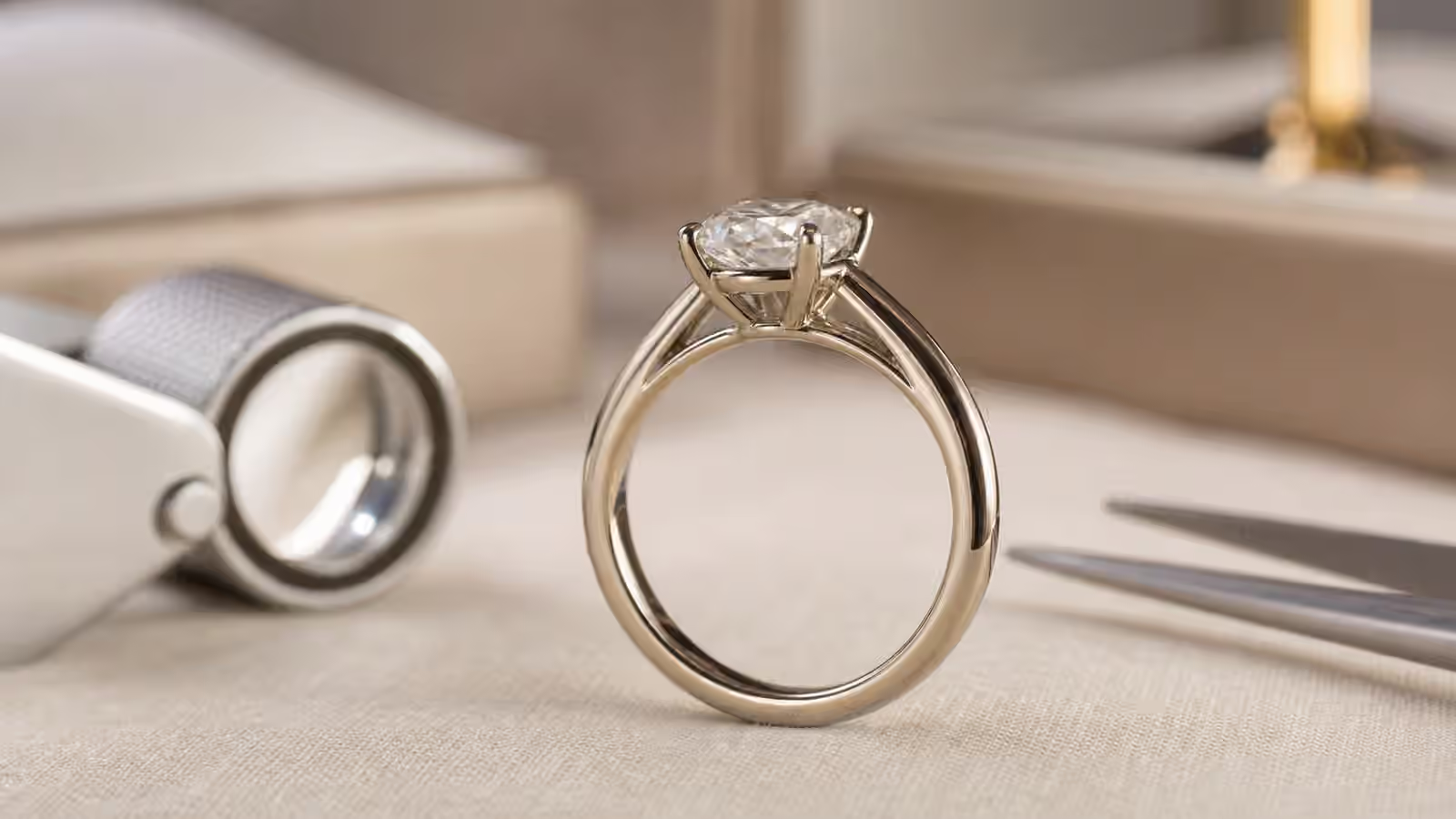
The basket is the metal structure that supports the center stone under and around its girdle. In many rings, prongs rise from the basket and bend over the stone. A well-made basket gives those prongs a strong base, keeps the stone seated level, and helps the head resist bending. A weak basket can make even pretty prongs feel less reassuring.
Baskets vary in openness. An open basket lets more of the diamond’s side and pavilion remain visible. It can make the ring feel lighter and allow easier access for cleaning. A more closed basket can feel sturdier and may protect the lower part of the stone, but it can also collect residue if the openings are small or awkward. Neither design is universally better. The question is whether the structure suits the stone, the setting height, and the wearer.
Look for symmetry and enough metal. The basket should not appear starved or crooked. The stone should sit level, and the prongs should seem integrated into the head rather than stuck on as separate wires. If the ring carries a larger center stone, the basket should look proportionate. The diamond carat weight and face-up size guide helps because larger visual presence often asks for more thoughtful structure below the stone.
What a Gallery Rail Adds
A gallery rail is a horizontal or curved rail that connects the prongs or supports the basket beneath the center stone. It can add strength by tying the prongs together. It can also create a design detail visible from the side. Some gallery rails are plain and functional. Others include diamonds, milgrain, engraving, or a hidden halo effect.
The practical value is stability. Individual prongs can be more vulnerable when they stand alone. A rail can help distribute stress and make the head feel more unified. This does not mean every ring must have one, and it does not mean a rail compensates for poor prong work. It means the side structure deserves the same attention as the top view.
Decorative gallery rails need restraint. A diamond-set rail can be lovely because it gives the wearer a private detail visible from the side. It can also add more small stones to clean and maintain. The hidden halo engagement rings guide covers that side-profile sparkle in more depth. If the gallery rail contains accent diamonds, treat it as part of the maintenance plan, not only as a charming secret.
Height, Light, and the Wedding Band Question
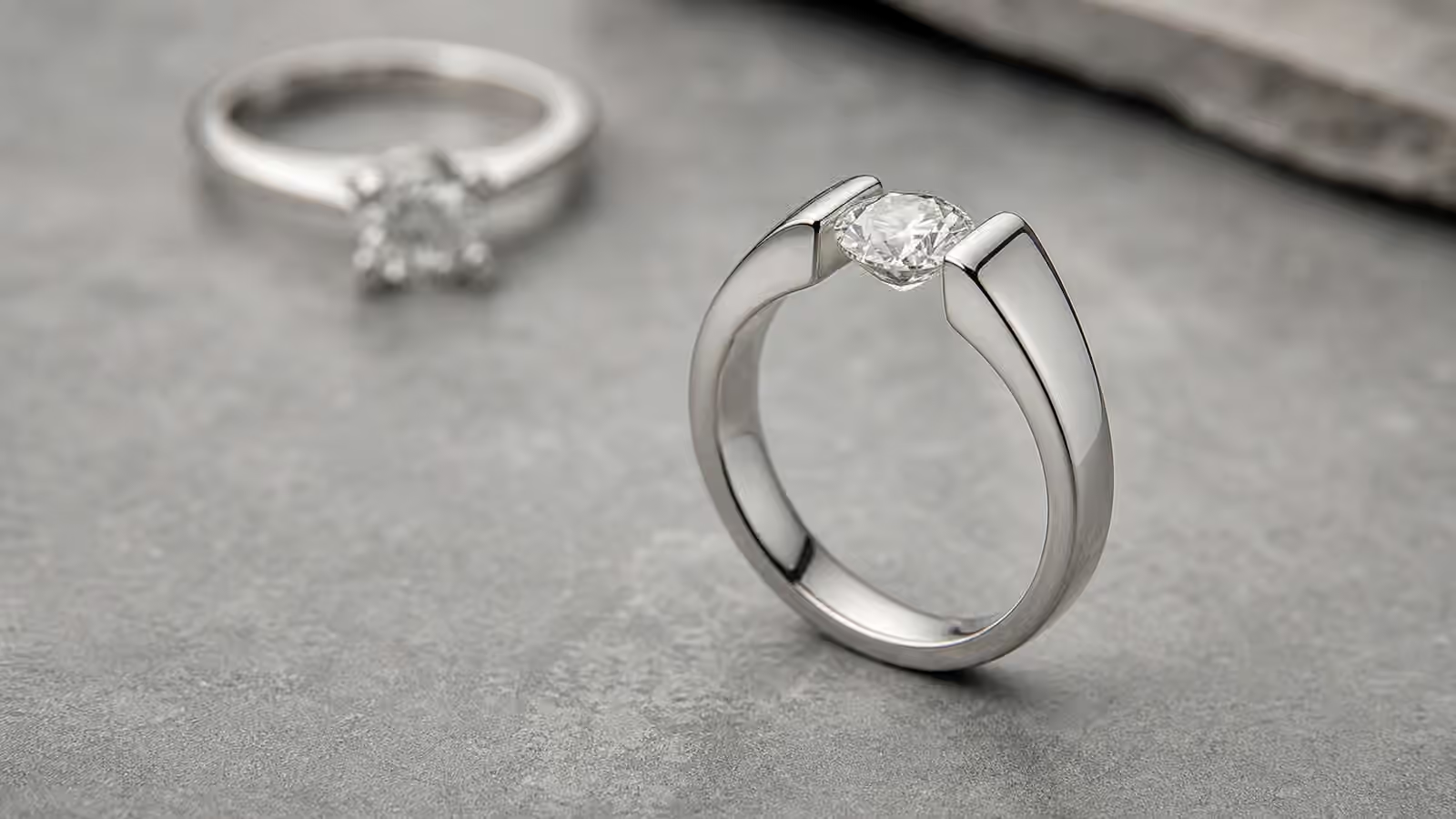
Basket design affects setting height. A higher basket can lift the center stone enough for a straight wedding band to sit close to the engagement ring. It can also make the stone more exposed to knocks and snagging. A low basket may feel secure and comfortable, but it can block a straight band and create a gap. Neither choice is automatically correct.
The low-profile engagement rings guide helps buyers who prioritize comfort and snag resistance. The wedding band pairing guide helps buyers who want a flush set. Gallery and basket choices sit directly between those goals. A ring cannot always be very low, very airy, very secure, and perfectly flush with every band. Some tradeoff usually appears in the side profile.
Light is often mentioned in basket conversations, but it is easy to overstate. Diamonds receive much of their important light from above, and cut quality matters more than whether every side is fully open. An open basket can make a ring feel brighter and easier to inspect, but it will not rescue a poorly cut diamond. The diamond cut quality and light return guide should remain the foundation for sparkle decisions.
Cleaning and Everyday Residue
The underside of an engagement ring lives close to skin, soap, lotion, sunscreen, cooking oil, and fabric lint. Gallery rails and baskets create the small spaces where residue gathers. A ring with an open, simple basket may be easier to clean at home. A ring with hidden diamonds, tight scrollwork, or layered rails may need more frequent professional cleaning to look its best.
This is not a reason to avoid detail. It is a reason to be honest about habits. Someone who enjoys caring for jewelry may be happy with a decorative gallery. Someone who wants the easiest daily ring may prefer a cleaner side profile. The ring care guide explains why regular cleaning and inspection preserve both beauty and security.
Residue can also hide problems. A prong or rail that is hard to see is harder to monitor. If the side structure is complex, ask the jeweler how to inspect it and how often it should be checked. A loupe is useful, but the wearer does not need to become a bench jeweler. They need to know when a change in sound, movement, snagging, or appearance deserves professional attention.
Matching Structure to Stone Shape
Different stone shapes ask different things from the basket. Round diamonds are forgiving, but they still need balanced support. Ovals can look elegant in open baskets, yet their ends and shoulders should be held evenly. Pears and marquises have points that deserve deliberate protection, often with V-prongs and thoughtful side support. Princess cuts need corner protection. Step cuts such as emeralds and Asschers may look especially handsome in precise baskets because the clean geometry continues below the stone.
The individual shape guides, including oval engagement rings , emerald-cut engagement rings , and pear-shaped engagement rings , help with center-stone behavior. The basket is where those shape decisions become metal. A setting that suits a round diamond may not be ideal for a pointed or elongated stone.
Colored gemstones deserve extra care because their durability varies. A sapphire may tolerate daily wear better than many gems, while other stones may need more protective design. The colored gemstone durability guide should be part of any basket conversation involving a non-diamond center.
How to Inspect the Side Profile
Hold the ring at eye level and look through the side. The stone should sit straight. The basket should feel proportional to the center. The prongs should rise cleanly from the structure. Any gallery rail should look smooth, intentional, and easy enough to clean. If there are accent stones under the head, they should be securely set and not placed where they will constantly grind against a wedding band.
Then imagine the ring being worn. Will the height catch on gloves? Will the rail rub against a band? Will the underside be reachable during cleaning? Does the side profile match the wearer’s taste, or is it decorated mainly because close-up photos made the detail look special? These questions are plain, but they prevent many avoidable regrets.
Gallery rails and baskets are the hidden grammar of an engagement ring. They decide how the center stone is held, how high it sits, how the ring cleans, and how the bridal set comes together. When the side profile is well judged, the ring feels coherent from every angle. The top view may still be what first catches the eye, but the side view often explains why the ring keeps working.