Flush-Fit Engagement Ring Design and Wedding Band Clearance
Flush fit sounds like a small technical preference until the wedding band enters the conversation. An engagement ring can look perfect alone and still leave a surprising gap when a straight band is placed beside it. That gap may be beautiful, irritating, invisible from above, or impossible to ignore. The point is not that every set must sit perfectly tight. The point is that the spacing should be chosen on purpose, not discovered after the engagement ring is finished.
The existing wedding band pairing guide explains how to choose the band after the engagement ring exists. This guide moves the decision earlier. It looks at the engagement ring itself: the basket, bridge, gallery, stone height, side details, and shank shape that decide whether a straight wedding band can sit close later.
What Flush Fit Really Means
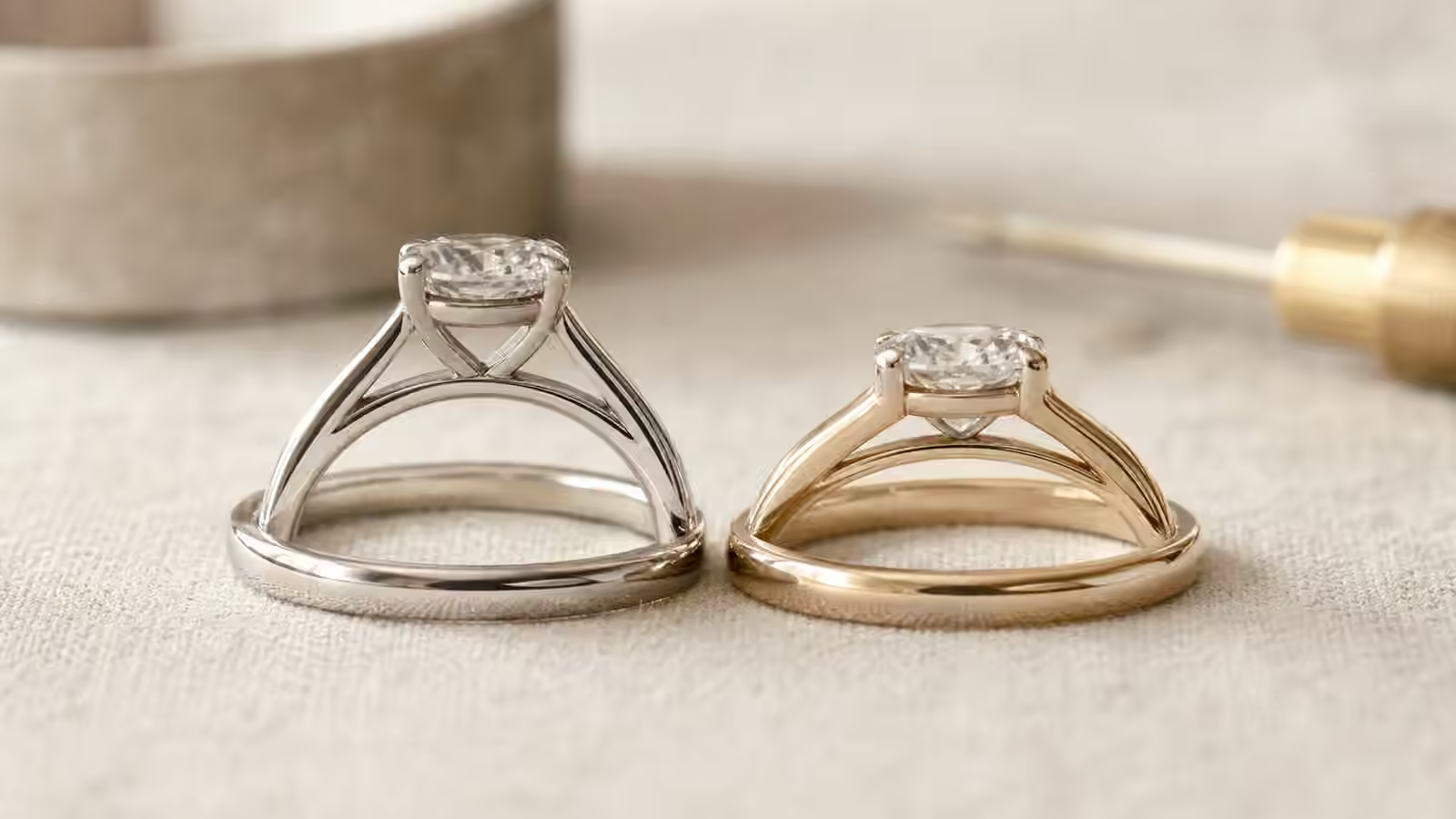
A flush-fit engagement ring usually has enough clearance under the center setting for a straight wedding band to slide beside the shank without hitting the basket, prongs, hidden halo, or decorative gallery. The wedding band does not have to curve around the center stone. It can be a simple circle, and the two rings can sit with little or no visible gap.
That sounds cleaner than it always feels. To create clearance, the center stone often needs to sit higher or the basket needs to be lifted on a bridge. A higher setting may show more of the diamond, allow a straight band, and make the set easier to pair. It may also catch more, stand taller on the hand, and feel less calm for someone who wants a low daily profile. The low-profile engagement rings guide is the natural counterweight to this topic because the lowest ring and the most flush-friendly ring are not always the same ring.
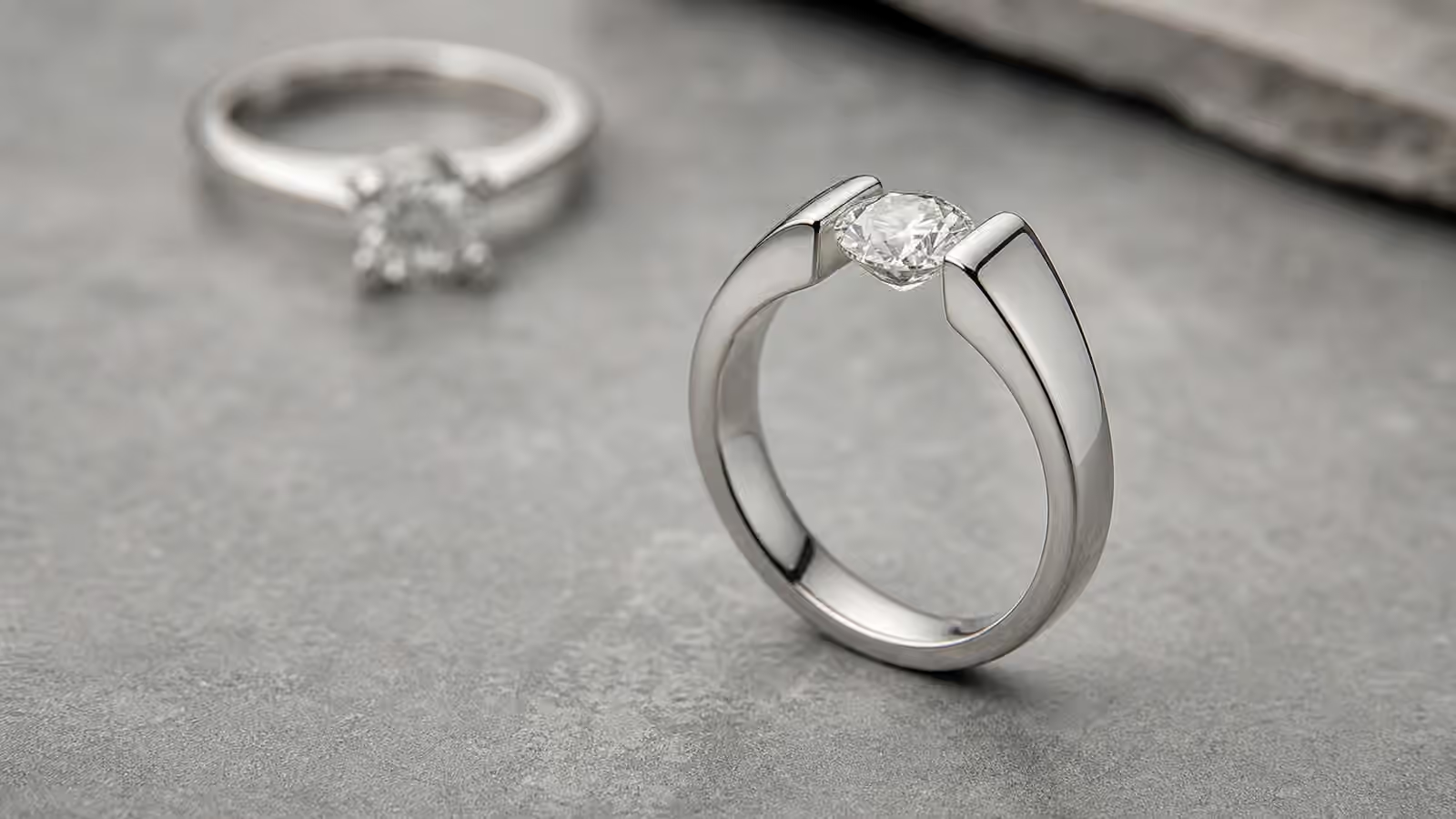
A non-flush ring is not a mistake. Many low baskets, antique-inspired rings, bezels, and detailed galleries create a gap because the design hugs the finger. Some wearers like the air between rings. Some choose a curved band. Some wear the wedding band on another finger. The design only becomes a problem when the buyer expected a straight stack and no one checked the side view.
The Side View Tells the Truth
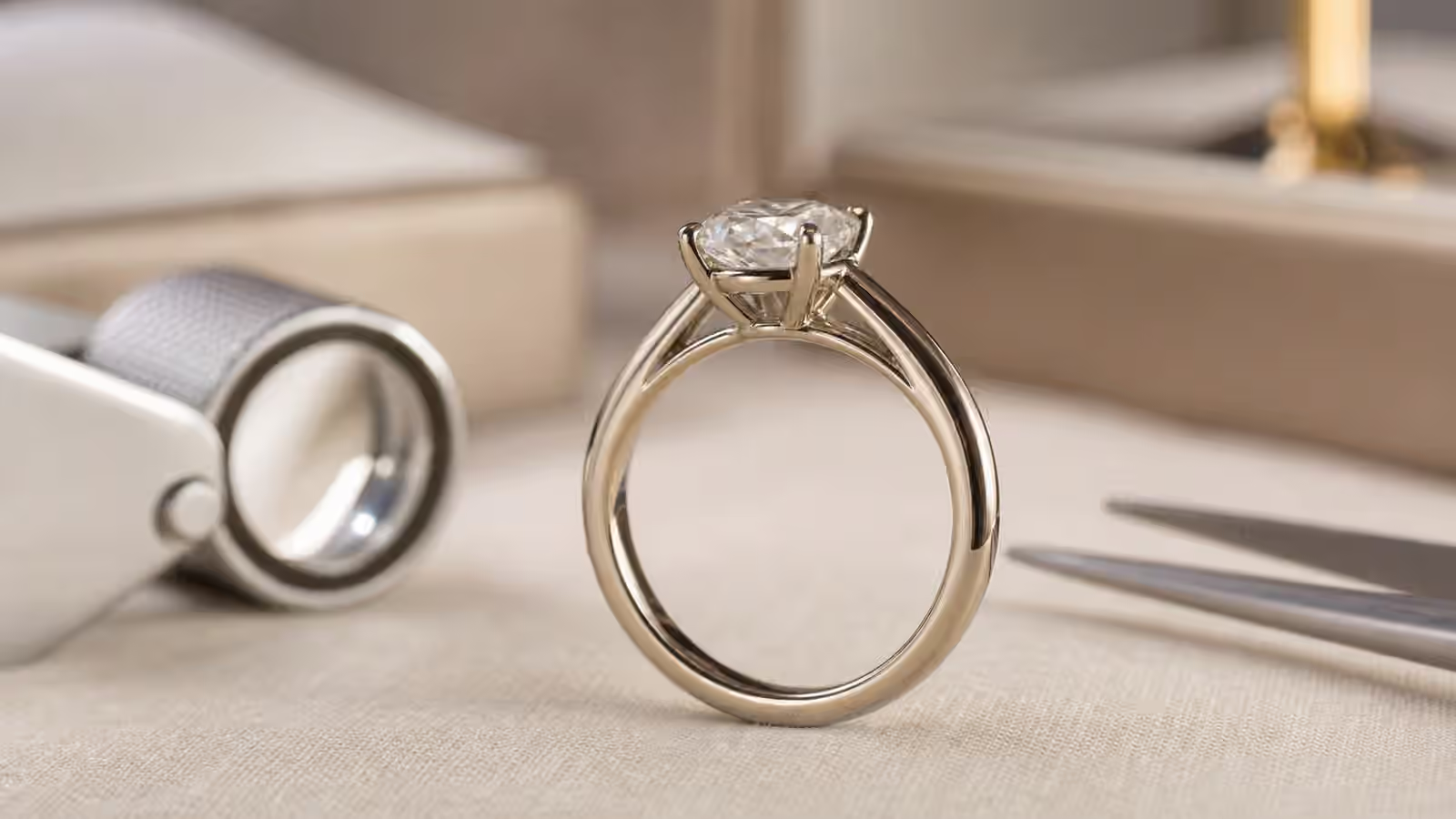
Most engagement ring photos sell the top view. The top view shows diamond shape, halo outline, shank width, and the first impression on the hand. Flush fit lives in the side view. Turn the ring sideways and look at what occupies the space beside the shank. If the basket drops below the top of the band, a straight wedding band will likely collide with it. If a hidden halo, gallery rail, or decorative scroll extends outward, the band may touch that detail before it reaches the shank.
The bridge is the metal span that can lift the head above the finger and create a channel for the band. A well-designed bridge looks intentional, not like a tall pedestal added as an afterthought. It should support the head cleanly, leave enough room for reasonable band widths, and avoid sharp pockets that collect residue. The gallery rail and basket guide helps name these parts, which makes the conversation with a jeweler much easier.
Center stone size changes the geometry. A larger diamond needs more room, especially if the pavilion is deep. A low setting may bring the point of the stone close to the finger, which can be elegant and stable but difficult for a straight band. A flush-fit version may raise the stone enough for clearance, changing the entire feel of the ring.
Hidden Details Can Block the Band
Hidden halos are a common surprise. From above, the ring may look like a clean solitaire. From the side, the hidden halo forms a small belt of diamonds around the basket. That belt can add sparkle from certain angles, but it can also sit exactly where a wedding band wants to be. The hidden halo engagement rings guide is useful before choosing that detail, especially if the future band matters.
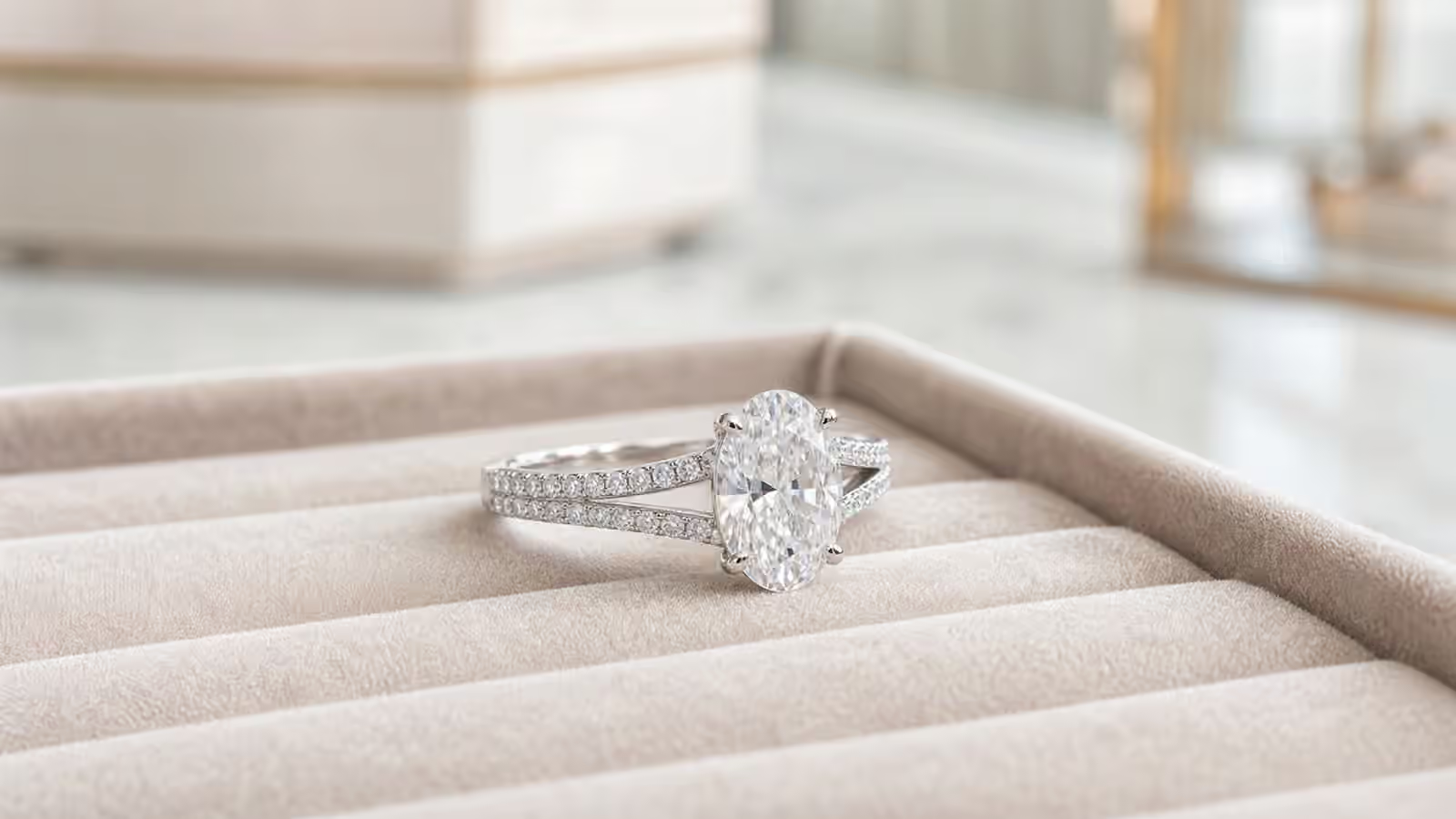
Pave shoulders, side stones, cathedral arches, and split shanks can also affect clearance. A cathedral ring may rise beautifully toward the center stone while leaving space for a band, or it may have shoulders that sit too close for the band you imagined. A bezel may be smooth and practical but too low for a straight stack. A vintage-inspired gallery may be charming alone and demanding beside another ring.
This is why sample stacking matters. Do not ask only whether the ring is described as flush fit. Ask to see it with a straight band. Try a narrow plain band, a slightly wider band, and any style the wearer is likely to want. A ring that clears a thin sample may still collide with a heavier wedding band.
Comfort Comes Before a Perfect Line
A perfectly tight stack is not automatically more comfortable. Two rings sitting very close can rub, trap lotion, or make the total width feel snug. If the engagement ring is already wide or the wearer has sensitive fingers, a small breathing space can feel better. The engagement ring shank width guide explains why combined width matters as much as the size printed on a work order.
Height also changes comfort. Some flush-fit rings solve the band problem by lifting the center stone high enough for almost anything to pass underneath. That can look elegant, but the wearer may notice the height when putting on gloves, reaching into a pocket, or moving through an active day. If the wearer values a low, smooth ring, it may be wiser to accept a gap or plan for a contour band instead of forcing a tall setting.
The best choice is the one that respects the whole hand. Look from the top, the side, and the palm side. Close the hand. Place a sample band beside it. Notice whether the set feels like one piece of jewelry or two objects competing for space.
How to Plan Before the Wedding Band Exists
If the wedding band will be chosen later, the engagement ring still needs a direction. A classic straight band is easiest when the engagement ring has clean clearance. A contour band can solve a low-setting problem but may be tied closely to that specific ring. A custom band can create a beautiful fit but adds cost and limits future changes. None of these paths is wrong, but they lead to different ownership habits.
Ask the jeweler to show a side profile rendering, a sample ring, or clear photos before committing. If the ring is custom, ask where a straight band would sit and what width the design can reasonably accept. If the ring is bought online, request a plain side view rather than relying only on glamour angles. The buying an engagement ring online guide explains why physical checks need to be restored when the purchase starts on a screen.
Flush fit is really a planning word. It asks how the engagement ring will live with the ring that comes after it. Sometimes the answer is a lifted basket and a clean straight band. Sometimes it is a low romantic setting and a graceful contour. Sometimes it is an intentional gap. The strongest set is not the one with the least daylight between rings. It is the one where the spacing, height, comfort, and future band were part of the design from the beginning.