Engagement Ring Warranties and Service Plans: What They Really Cover
An engagement ring warranty can sound like a simple promise: if something goes wrong, the jeweler will take care of it. Service plans can sound even more reassuring, especially when they are described during a happy purchase appointment. Cleaning, inspection, polishing, resizing, rhodium replating, prong checks, accent stone replacement, lifetime care. The language is meant to calm you.
The useful version of that calm comes from understanding the details. A warranty is not the same as insurance. A service plan is not the same as a promise that the ring can be worn through every activity without consequence. A manufacturing defect, ordinary wear, accidental damage, loss, theft, and poor maintenance may all be treated differently. The words matter because the ring will eventually need something. Even a well-made ring lives a physical life of small impacts, cleaning residue, changing finger size, and metal wear.
Warranty, Service Plan, and Insurance Are Different Tools
A warranty usually covers problems tied to workmanship or materials for a defined period or under defined conditions. If a stone was set improperly, a prong was finished badly, or a casting flaw appears, a warranty may apply. The exact terms vary, and the time limit matters. Some warranties are narrow and short. Others continue longer if the ring is inspected regularly by the seller.
A service plan is more about routine ownership. It may include cleaning, inspections, polishing, rhodium replating for white gold, sizing within limits, tightening stones, or discounted repairs. Some plans are included with purchase. Others cost extra. Some require you to return to the original jeweler at specific intervals. Some are generous in store but difficult if you move away or bought online.
Insurance is the financial backstop for loss, theft, mysterious disappearance if covered, and accidental damage depending on the policy. It is separate from the jeweler’s service. A warranty may help if a prong was poorly made. Insurance may help if the ring is stolen or damaged in a covered event. Maintenance records may support both conversations, but they do not make one tool replace the other. The ring insurance guide explains that side of protection in more detail.
Ask What Counts as Normal Wear
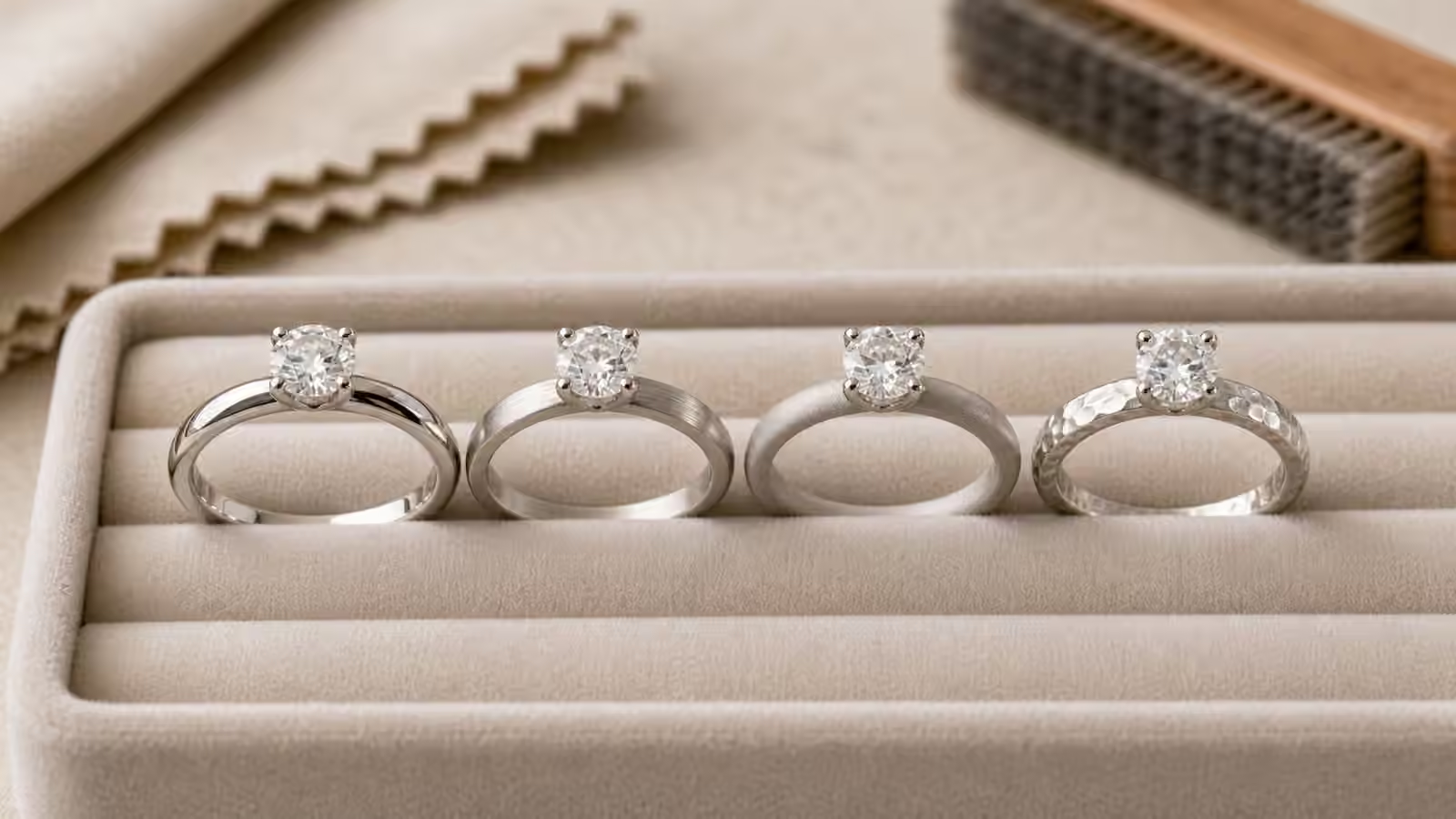
Normal wear is the phrase that surprises many owners. Rings are meant to be worn, but wearing them changes them. Prongs can thin. White gold rhodium can fade. High polish can dull. Pave beads can wear. A band can pick up scratches. A setting can loosen slightly after years of small knocks. Jewelers and insurers often treat these changes as maintenance rather than defects.
That distinction is reasonable, but it needs to be clear. If a tiny accent stone falls out, is it covered because the ring is new, or excluded because small stones are vulnerable to wear? If white gold needs replating, is that included, discounted, or entirely your responsibility? If the band bends during lifting, is that accidental damage, misuse, or repairable service? These questions are not pessimistic. They are how you learn what the promise actually means.
Delicate designs deserve special attention. Pave, hidden halos, micro-prongs, very thin shanks, and stones set far down the band can be beautiful, but they have more small contact points and more surfaces that need inspection. The pave engagement rings and side stones guides are useful because they explain why extra sparkle often brings extra maintenance.
Inspection Requirements Can Decide Coverage
Some warranties and service plans require regular inspections. The interval may be every six months, once a year, or another schedule set by the jeweler. Missing an inspection can reduce or void certain coverage. That may sound strict, but from the jeweler’s perspective it makes sense: they cannot promise to cover a stone loss if they never had a chance to catch the worn prong that caused it.
For the owner, the important part is practicality. Can you realistically return to that jeweler on the required schedule? If you move, travel often, or bought from a distant seller, shipping the ring back for inspection may be inconvenient. If the plan requires only the original jeweler’s inspection, a local check may not preserve coverage. If any qualified jeweler can document the condition, ownership becomes easier.
Keep records. Save receipts from cleanings, inspections, repairs, resizing, appraisals, and replating. Photograph the ring occasionally in ordinary light, including the side profile and prongs. These records are not glamorous, but they can show that you cared for the ring responsibly. They also help you notice change over time. A prong that looked even last year and now appears lifted is easier to discuss when you have a visual baseline.
Resizing Terms Need to Match the Ring
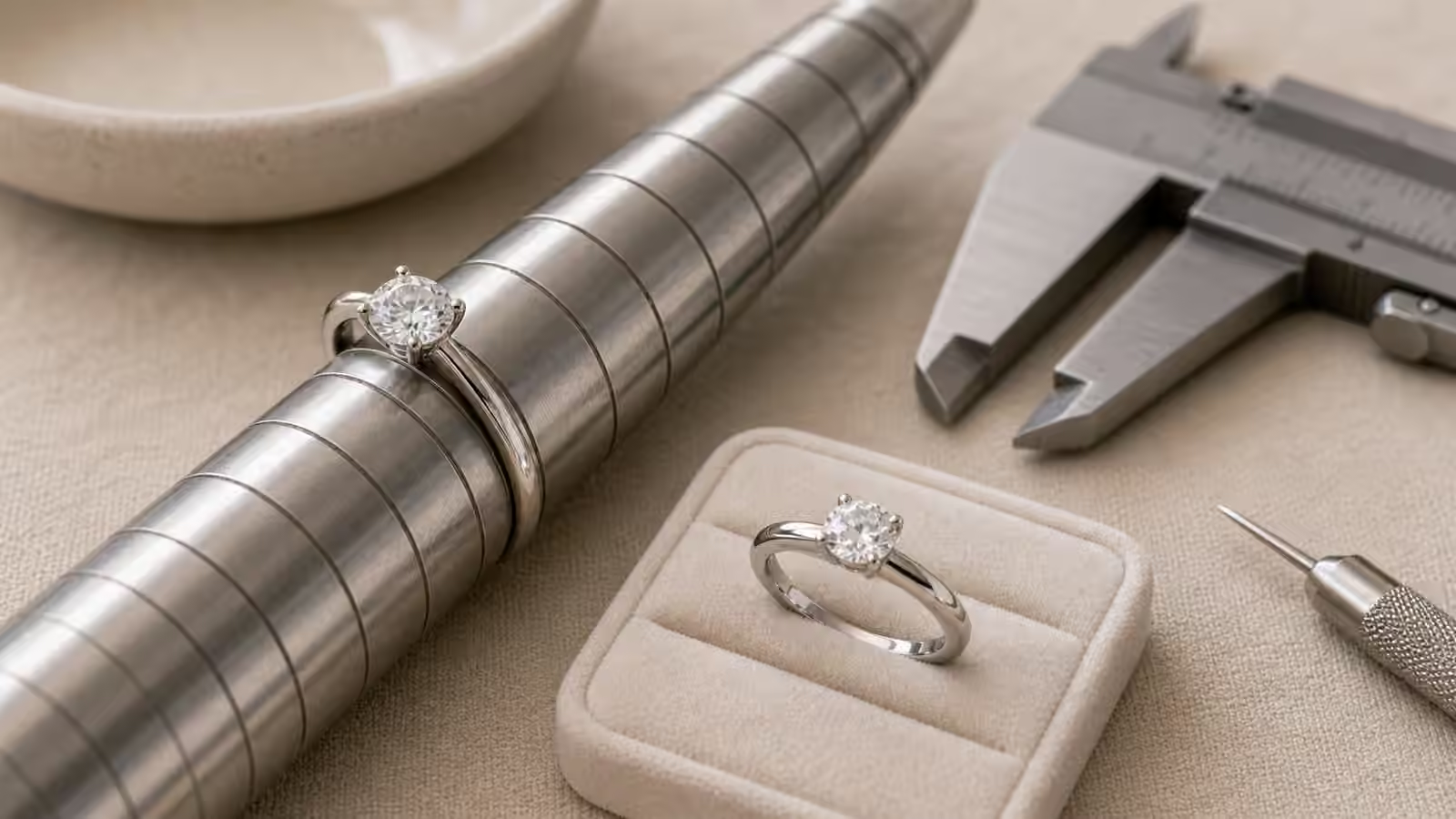
Resizing is one of the most common post-purchase services, and one of the easiest to misunderstand. A plan may include resizing, but only within a certain range, within a certain time, or for certain ring types. A plain solitaire can often be resized more easily than a ring with pave stones, engraving, mixed metals, tension details, or an eternity band. Some rings cannot be resized without disturbing stones or changing the design.
If the proposal is a surprise, sizing flexibility matters before purchase. A ring that can be adjusted a little gives you room for an imperfect estimate. A ring that must be remade or cannot be sized much requires better information before money changes hands. The ring sizing guide explains why finger size is more than a number, especially with wider shanks or top-heavy settings.
Ask whether resizing affects the warranty. Some sellers require resizing to be done by their workshop. If another jeweler sizes the ring, future coverage may change. This can be reasonable when the design is delicate, but it should be known in advance. A beautiful ring should not become a service problem because the ownership terms were hidden in small print.
White Gold and Finish Work Are Maintenance, Not Failure
White gold creates a common service-plan question because most white gold engagement rings are rhodium plated. The bright white surface is a coating over an alloy that may be warmer underneath. Over time, the coating wears, especially on the palm side and high-contact areas. This is not usually a defect. It is how the material works.
Some service plans include rhodium replating. Others offer it for a fee. The frequency depends on wear, skin chemistry, activities, and preference. A wearer who likes a bright white look may replate more often. Someone comfortable with a softer, warmer tone may wait longer. The ring metals guide covers the metal tradeoffs in more detail, including how platinum ages differently from white gold.
Polishing is similar. A fresh polish can make a ring look new, but repeated heavy polishing removes tiny amounts of metal. A good jeweler will not over-polish delicate details just to chase a mirror finish. Service should preserve the ring, not erase its structure. Patina, small scratches, and softened high-polish surfaces are part of normal ownership unless the wearer wants periodic refinishing.
Repairs Should Be Clear Before a Problem Happens
The best time to understand repair logistics is before the ring needs repair. Ask where repairs are done, how long common services take, whether the ring is insured while in the jeweler’s possession, and whether replacement stones will match the original quality. For rings with side stones or pave, ask how small stone replacement is handled. For colored gemstones, ask whether heat, ultrasonic cleaning, or certain bench processes create special concerns.
Repair quality matters because a rushed fix can create future problems. A prong retipped unevenly may snag. A replacement accent stone with poor match may bother the eye. A resizing seam can be visible if the work is careless. A service plan has value only if the work itself is competent. That is why the jeweler relationship matters beyond the sale. The choosing an engagement ring jeweler guide is a useful companion because aftercare is one of the strongest tests of trust.
If a ring is custom, heirloom, antique, or made by a small studio, repair logistics may be more personal. The original maker may know the construction best. Another jeweler may be able to help, but may not want responsibility for hidden flaws or older metal. Ask what the long-term service path looks like, especially if you do not live near the maker.
A Good Plan Makes Ownership Less Fragile
A warranty or service plan should not encourage careless wear. It should make responsible wear easier. It gives the owner a place to bring questions, a schedule for inspections, and a clearer path when something changes. The ring still needs ordinary caution. It should come off for high-impact activity, harsh chemicals, and situations where loss risk is obvious. The ring care guide covers those habits in practical detail.
The strongest aftercare conversation is specific. What is covered? What is excluded? How often must the ring be inspected? Who may work on it? What happens if the wearer moves? Are small stones covered? Is resizing included? Does coverage differ for custom work? What documents should be saved? A seller who answers these questions plainly is making the ring easier to own.
An engagement ring is not a fragile museum piece, but it is not exempt from physics. Metal wears. Stones move under pressure. Fingers change. Settings collect residue. A good warranty, a realistic service plan, and separate insurance give the ring a practical support system. The point is not to plan for failure. It is to make sure the ring can be worn, cared for, repaired, and enjoyed without every small problem becoming a crisis.