Engagement Ring Proportions on the Hand
An engagement ring is judged in photographs, on trays, under counter lights, and in close-up videos, but it is worn on a hand. Proportion is the difference between a ring that looks impressive for a moment and a ring that keeps looking natural as the wearer moves, gestures, works, and stacks it with other jewelry. The question is not simply how large the center stone is. It is how the stone, shank, setting height, side details, and finger coverage relate to one another.
The diamond carat and face-up size guide explains why weight and visible size are not the same. This guide starts after that lesson. It asks how the visible size fits the hand and the ring design around it. A diamond can be beautifully cut and still look awkward if the band is too slight, the head is too tall, or the side stones compete with the center.
Proportion Is a Relationship, Not a Rule
There is no universal correct center stone size for a finger. The same oval can look elegant on one hand, timid on another, and overextended on a third. Finger length, finger width, knuckle shape, hand scale, nail length, and personal style all change the impression. A person who wears bold rings may find a delicate solitaire underwhelming. A person who rarely wears jewelry may feel overwhelmed by the same center stone that looks ordinary in a close-up listing.
This is why proportion should be tested at normal viewing distance. Close-up photography exaggerates everything. A ring that fills a phone screen can seem larger than life, while the same ring from arm’s length may feel balanced. When trying rings, look at the hand in a mirror, in a phone photo taken from a normal distance, and in ordinary room light. The goal is not to chase a rule but to see whether the ring belongs to the wearer rather than merely performing well in a tray.
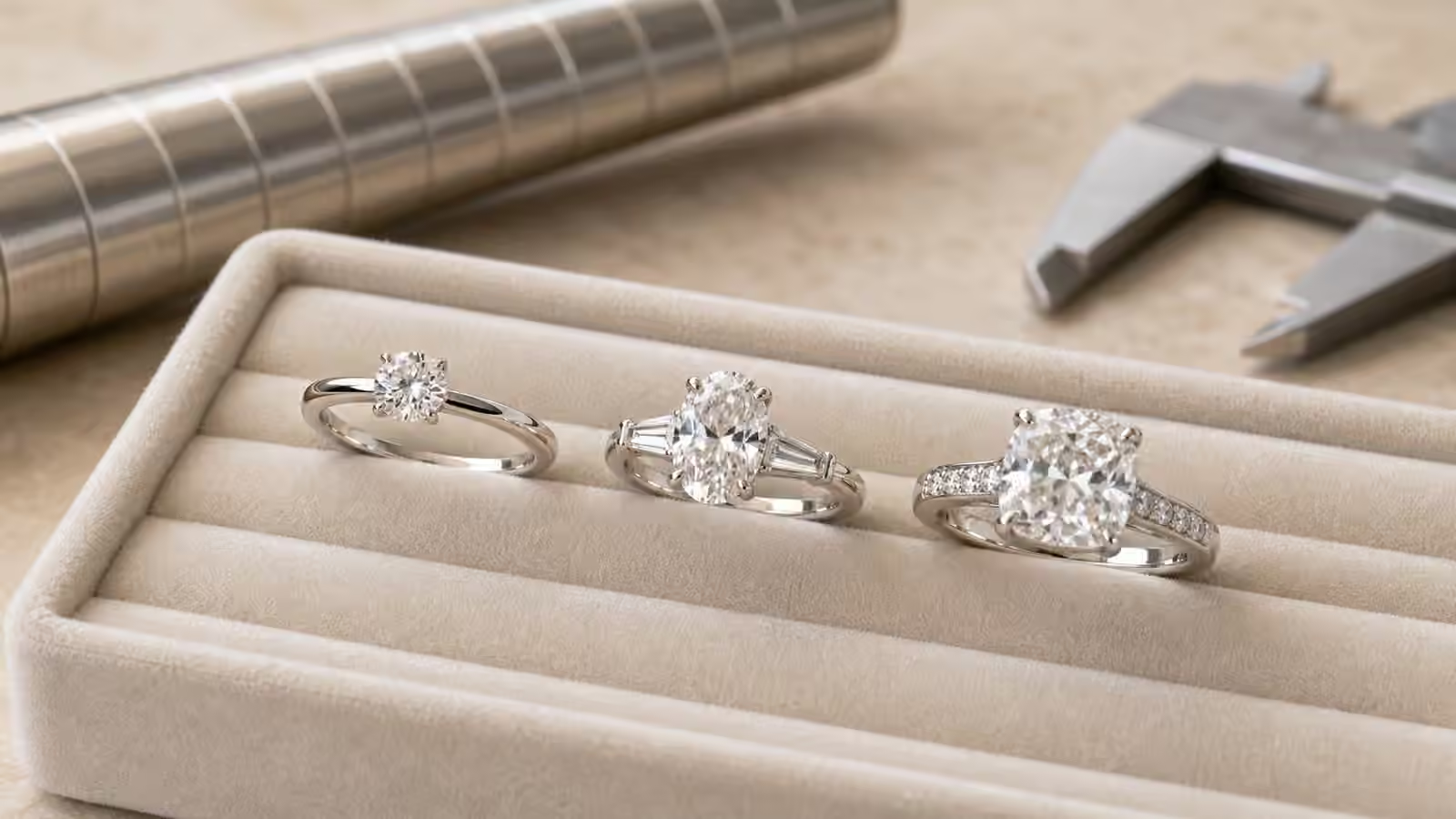
Shape matters because different outlines use space differently. Ovals, pears, marquises, and emerald cuts can create more length across the finger. Rounds and cushions often feel more compact. Radiants and princess cuts can look bold because their corners give the outline more structure. The diamond shapes guide is useful here because shape is one of the strongest proportion choices a buyer makes.
Face-Up Spread Can Help or Distort
Face-up spread is the visible outline of the stone from above. A well-spread diamond can give presence without unnecessary hidden weight. A poorly proportioned stone can carry weight in depth, making it look smaller than its carat number suggests. But spread also has limits. A stone that is cut too shallow may lose light performance. A stone that is very elongated may twist visually if the setting does not support it.
Elongated stones can flatter many hands because they draw the eye along the finger. The effect can be graceful, but it can also become too narrow or too long if the ratio does not suit the wearer. A very long marquise or pear may feel dramatic in a case and sharp in daily life. An oval with pleasing length can still show a bow tie or look flat if cut quality is weak. The oval engagement rings guide shows how proportion and light return meet in one popular shape.
For shoppers comparing stones, millimeter measurements often matter more than the emotional pull of a carat threshold. A diamond just below a round weight marker may face up nearly the same as one above it. A smaller stone with stronger cut can look livelier than a larger dull one. Proportion improves when visible size, brightness, and setting support are considered together.
The Band Has to Carry the Center
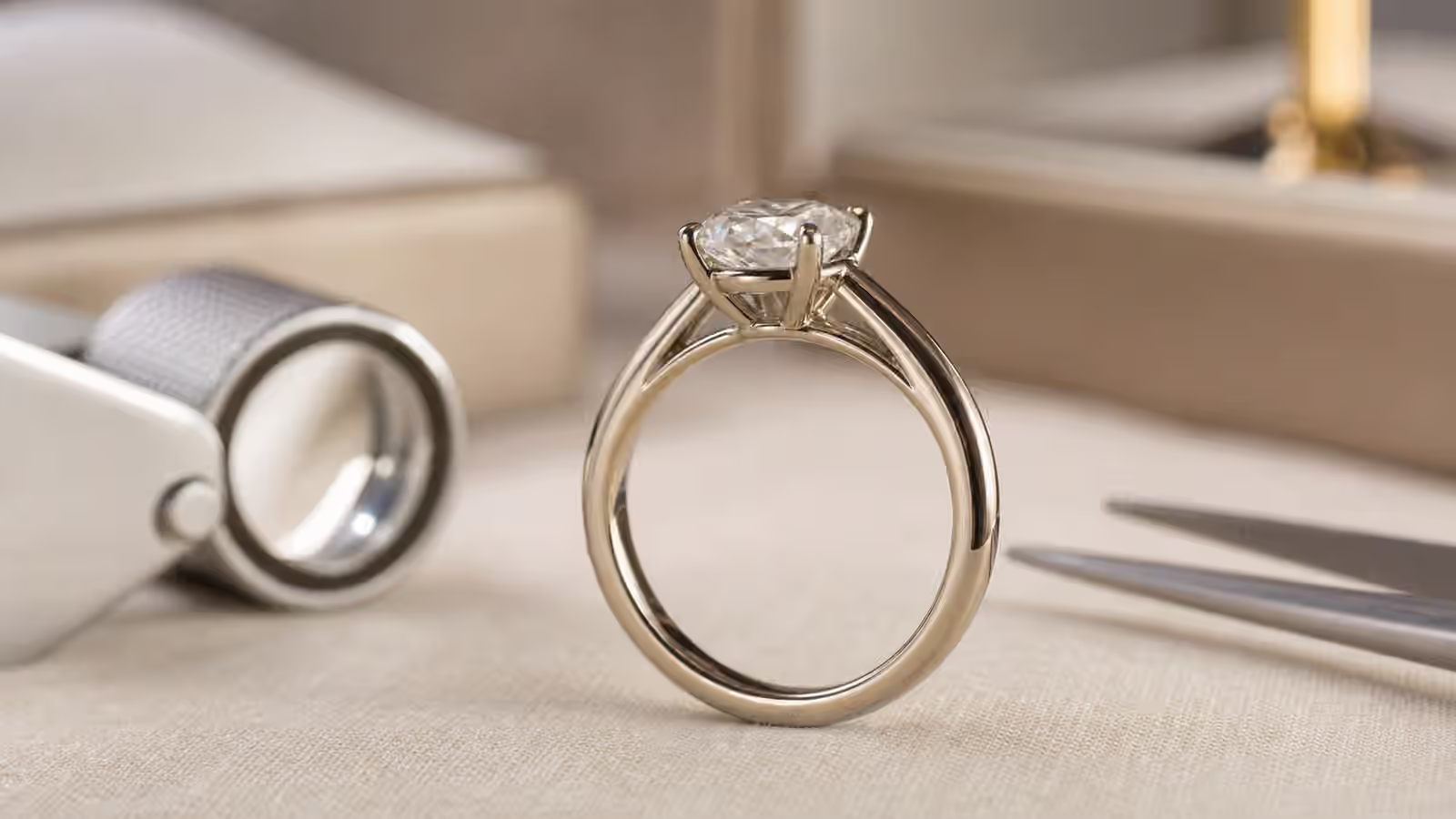
A very thin shank can make a center stone look larger by contrast. That is one reason delicate solitaires photograph so well. The risk is that visual lightness can become structural imbalance. If the center stone is large, the head is high, and the shank is extremely slim, the ring may spin, feel top-heavy, or need more maintenance than expected. The engagement ring shank width guide goes deeper into the comfort side of this problem.
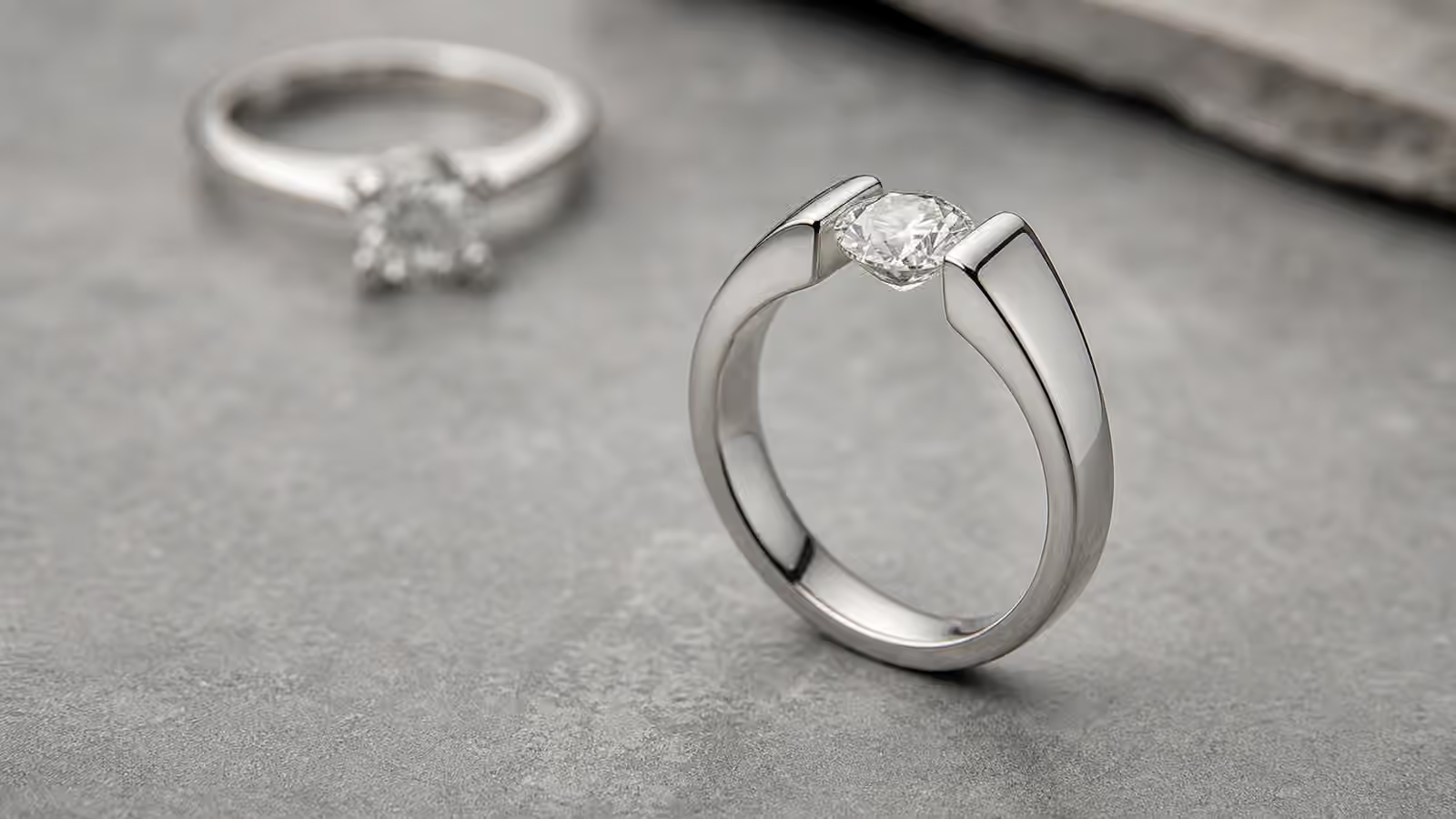
Wider shanks can make a larger center stone feel grounded. They can also reduce the contrast that makes the diamond appear big. Taper is often the best compromise. A shank can be sturdy at the base, supportive near the shoulders, and visually refined as it approaches the stone. Cathedral shoulders can spread the visual weight of the head. A split shank can make a larger center look integrated, though it changes wedding band pairing and cleaning.
Thickness matters as much as width. A band may look wide from above but feel flimsy if it is too thin in depth. Another may look narrow but have enough metal to hold its shape. Ask to see the ring from the side and palm side. Good proportions live in three dimensions.
Side Stones and Halos Change Scale Quickly
Side stones can make a ring feel wider across the finger without increasing the center diamond. Three-stone rings, tapered baguettes, pear side stones, and small round accents all add coverage and visual rhythm. They also need restraint. If the side stones are too large, they can blur the hierarchy and make the center stone feel less important. If they are too small or poorly matched, they may look like an afterthought.
Halos create a different kind of proportion. A halo can make a center stone look larger and add sparkle, but it also creates a larger outline that must suit the hand. A delicate halo around a modest center can be graceful. A thick halo around a large center can become heavy unless the wearer likes a strong jewelry presence. The halo engagement rings and side stones guides are useful companions because added sparkle always changes scale.
Metal color can soften or sharpen these choices. White metal can make diamonds and outlines read crisply. Yellow gold can warm the design and sometimes make a diamond feel less stark. Rose gold can make the entire ring feel more tonal and romantic. These effects are subtle, but proportion is often built from subtle differences.
Height Changes the Way Size Feels
A tall setting makes a diamond more visible from the side and may allow a straight wedding band to sit flush. It can also make the ring feel more prominent than its top view suggests. A low setting can make the same stone feel calmer and more integrated with the hand, but it may reduce band clearance. The flush-fit engagement ring design question and the proportion question often pull in different directions.
Try the ring through motion. A center stone that looks balanced while the hand is flat may feel tall when the hand reaches into a bag. A band that looks delicate may twist after a few minutes. A large stone may feel perfect until paired with a wedding band. Proportion is not a frozen image. It is how the ring behaves as the hand lives.
The strongest proportions usually feel calm after the first excitement. The center stone has presence without demanding constant management. The band supports it without looking heavy. The setting height suits the wearer’s habits. The details add character without stealing the center. When those relationships work, the ring does not need to be the largest possible version of itself. It looks chosen.