
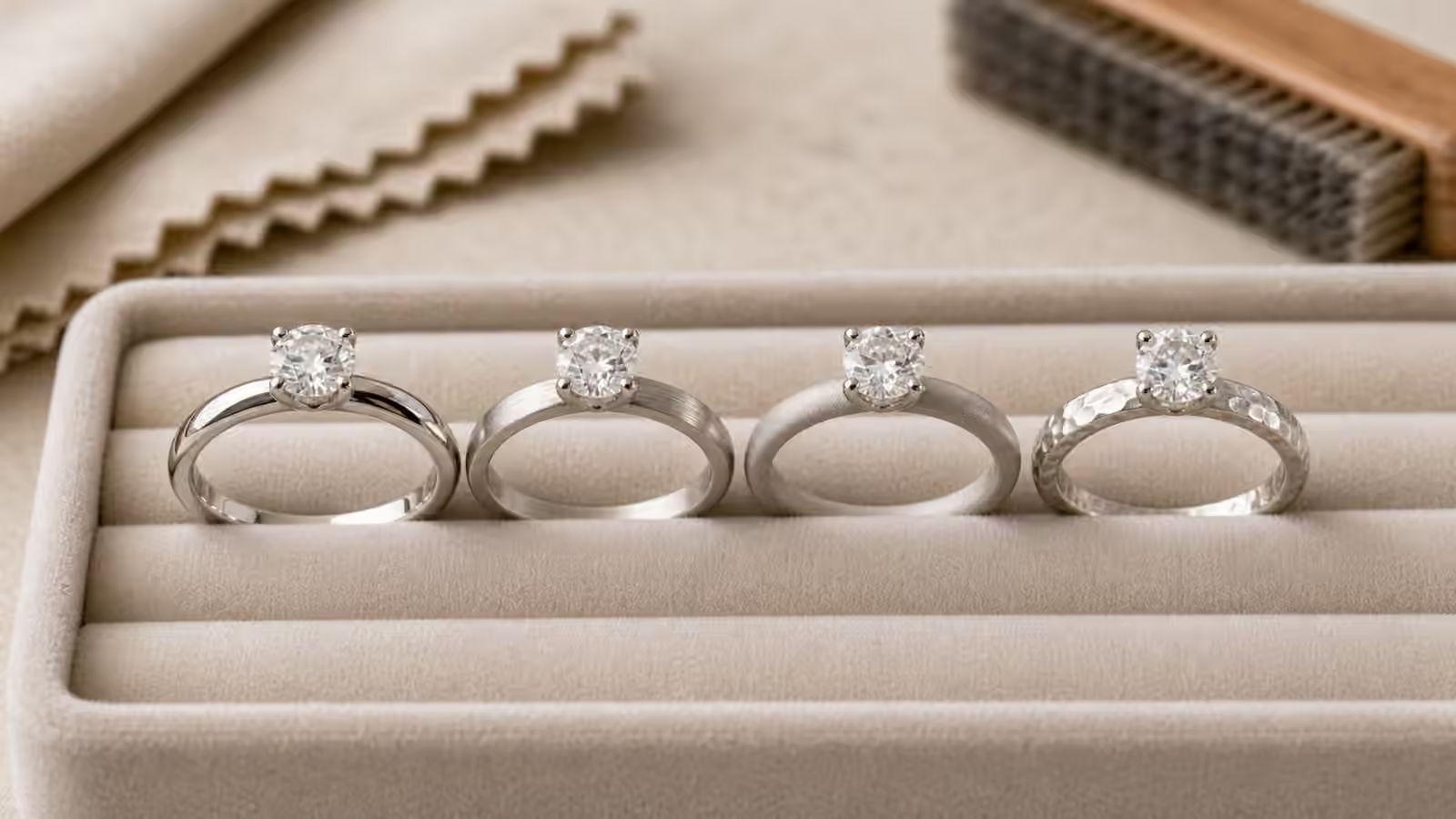
Engagement Ring Finishes and Surface Textures
The finish of an engagement ring is easy to overlook because most shopping begins with stone shape, setting style, and metal color. Yet the surface of the metal is what the wearer sees in every ordinary glance. A high-polish shank flashes like a mirror. A satin finish softens the same gold. A matte surface makes a ring feel quieter and more contemporary. A hammered texture catches light in small uneven flashes. The metal has a voice before the diamond even moves.
The ring metals guide explains platinum, gold, and other material choices. Finish is the next layer. It changes how that material reads, how scratches appear, how often the ring may need refinishing, and how well the engagement ring pairs with a future wedding band.
High Polish Is Bright but Honest About Scratches
High polish is the classic jewelry finish. It makes metal reflective, crisp, and formal. On a simple solitaire, high polish can make the shank look clean and almost liquid. On a diamond-heavy ring, it can add more flashes between stones. It is popular because it looks new in the case and familiar on the hand.
The tradeoff is that mirror surfaces show change. Small scratches, scuffs, and dull areas appear as the ring meets desks, handles, pockets, cookware, and other jewelry. This is not a defect. It is normal wear. Platinum develops a soft patina. Gold picks up fine marks and can be polished. White gold may also need rhodium replating if the wearer wants a bright white surface. The ring care guide covers the maintenance habits that keep polish from becoming an obsession.
Some wearers love the first perfect shine and feel disappointed when it softens. Others find that the softened polish makes the ring more personal. Before choosing high polish, it helps to look at rings that have been worn, not only rings fresh from the showcase.
Satin and Brushed Finishes Calm the Metal
A satin or brushed finish uses fine directional marks to reduce mirror reflection. The ring still catches light, but it does so in a quieter way. On yellow gold, satin can feel warm and architectural. On platinum or white gold, it can look clean and modern. On rose gold, it can soften the sweetness of the color.
Directional finishes are not invisible to wear. Over time, shiny spots can develop where the ring rubs against other fingers, a wedding band, or hard surfaces. The original grain may blur. A jeweler can often refresh the finish, but refinishing should be done with care, especially near stones, engraving, or delicate details. The ring is not a kitchen appliance that can be scrubbed back to uniformity without consequence. Metal is removed or moved during finishing, so the goal is preservation, not endless reset.
Brushed finishes also reveal workmanship. Uneven grain, awkward direction changes, or poorly protected edges can make a ring look unfinished rather than intentional. If choosing a brushed finish, inspect the shoulders, underside, and areas near the head. The finish should support the design’s lines.
Matte Finish Changes the Mood
Matte finishes scatter light more broadly, giving the ring a soft, low-reflection surface. A matte engagement ring can feel understated, especially when paired with a bezel, a simple solitaire, or a colored center stone. It can also make a diamond stand out because the metal is quieter around it.
Matte surfaces usually change faster than people expect. Daily wear polishes high-contact areas, so the underside and edges may become glossier while protected areas stay matte. That contrast can be beautiful if expected and annoying if not. A matte ring asks the wearer to accept evolution or schedule occasional refinishing.
The finish also affects dirt and lotion visibility. Some matte textures can hold residue more than a smooth polish. This does not make them impractical, but it does make cleaning access and simple care more important. A matte ring with a low, detailed setting may need more attention than a polished plain band.
Hammered and Textured Surfaces Add Movement
Hammered, faceted, bark-like, sandblasted, and other textured finishes add character to the shank. They can make a simple ring feel handmade or organic. They can also hide small scratches better than a mirror polish because the surface is already varied. In the right design, texture gives the metal its own presence without relying on extra stones.
Texture should be matched to the rest of the ring. A lightly hammered yellow gold shank can look warm beside a classic diamond. A strong texture next to a delicate pave halo may feel busy. A rough surface between fingers may be uncomfortable if the texture is too aggressive or poorly finished. Try the ring with a closed hand, not only on an open display finger.
Repair and resizing matter. Some textures are easy for a jeweler to continue across a sizing area. Others are difficult to match perfectly. If the ring may need future resizing, ask how the finish will be restored after metal is added or removed. The answer may influence whether the texture should go all the way around the band or stay on the visible upper half.
Milgrain and Vintage Details Are Finish Choices Too
Milgrain, engraving, and bright-cut details are often discussed as style, but they behave like surface choices. They create edges, shadows, and tiny reflective points. They can make a ring feel antique or ornate without changing the center stone. They also require skilled maintenance because the details can soften with wear and polishing.
The vintage-inspired engagement rings guide covers the broader design mood. For finish decisions, the practical question is whether the wearer wants the responsibility of detail. A smooth polished shank can be refinished easily. A hand-engraved shank asks for more careful service. Milgrain near stones should not be polished carelessly because the small beads are part of the design.
This does not mean detailed finishes are fragile in a dramatic sense. It means they should be chosen by someone who values how they age. Softening can be charming. It can also bother a wearer who expects the ring to remain sharply decorative forever.
Wedding Bands Should Speak the Same Surface Language
Finish becomes more important when a wedding band joins the engagement ring. A polished wedding band beside a matte engagement ring can create deliberate contrast, or it can look mismatched. A brushed band next to a high-polish ring can make the engagement ring look brighter. A hammered band can add texture to a plain solitaire, but it may compete with a detailed engagement ring.
The wedding band pairing guide focuses on shape, gap, and width. Finish is part of that same pairing. If the wearer wants a cohesive set, test finishes together before ordering. If the wearer likes contrast, repeat the contrast intentionally through metal color, edge shape, or shared proportions so the set looks chosen rather than accidental.
Choose the Finish You Can Live With
Finish is not permanent in the same way stone shape is. Many finishes can be refreshed, changed, or polished differently later. Still, the original choice matters because it sets expectations for how the ring will age. High polish will soften. Matte will brighten at contact points. Brushed grain will blur. Texture will collect small signs of wear. That is not failure. That is the surface recording use.
The right finish supports the wearer’s style and tolerance for maintenance. A person who loves crisp shine may enjoy periodic professional polishing. A person who dislikes visible scuffs may prefer satin or texture. A person who wants a quiet modern ring may choose matte and accept that it will evolve. When the finish matches the way the ring will be worn, the metal does more than hold the stone. It completes the character of the ring.


