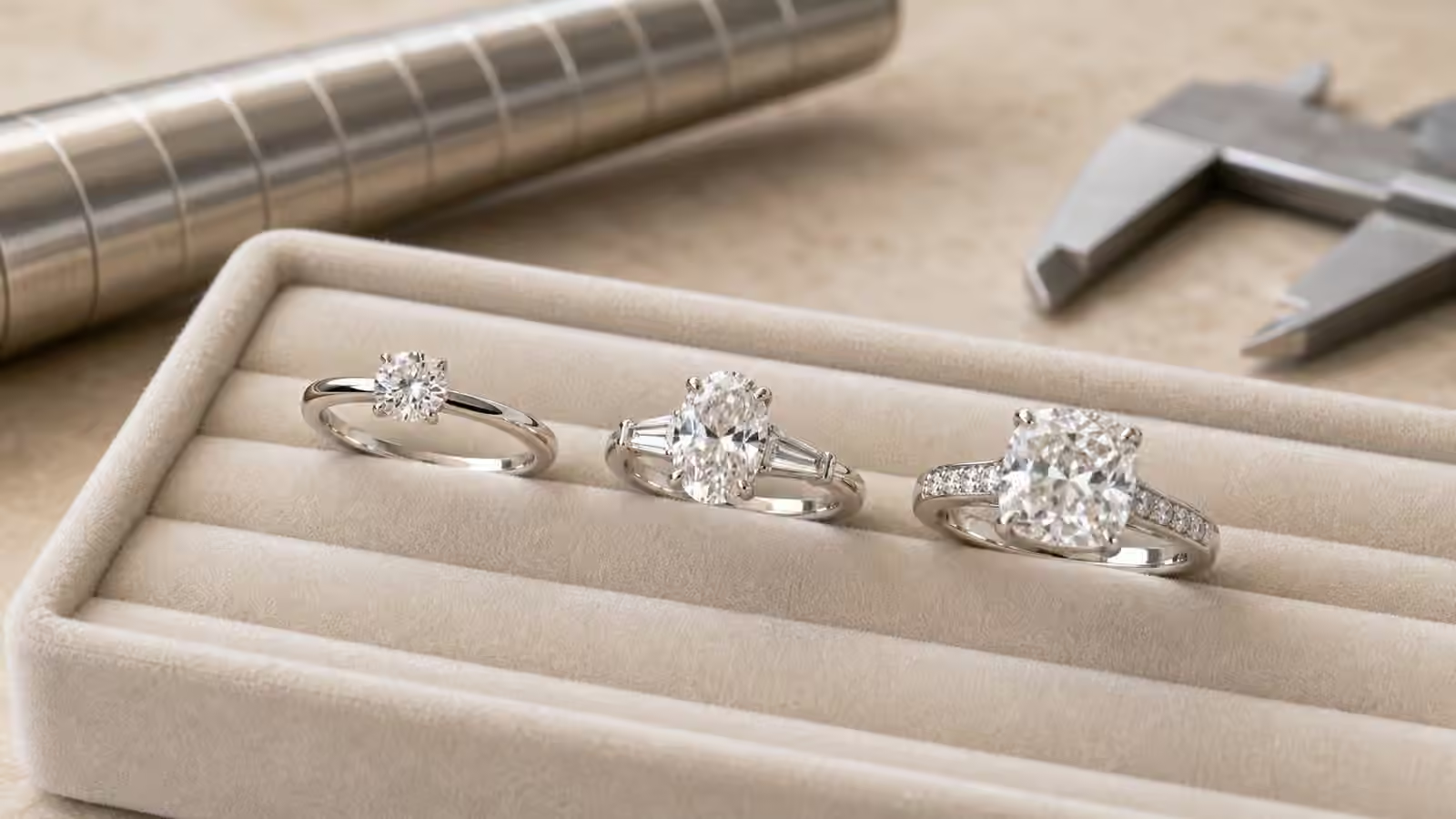
Engagement Ring Engraving and Personalization Without Regret
Personalizing an engagement ring sounds simple until the jeweler asks what kind of personalization you mean. It can be an inscription inside the shank, a hidden gemstone, a carved pattern, a private motif in the gallery, a metal color chosen for family meaning, or a design detail borrowed from a place, era, or shared memory. Some choices remain quietly private. Others change the entire ring.
The strongest personalization feels built into the ring rather than attached to it. It should make ownership more meaningful without making the ring harder to wear, resize, clean, insure, or repair. That balance matters because an engagement ring is not a souvenir kept in a drawer. It is a small piece of engineering that lives on a moving hand. The more personal the detail, the more carefully it should be placed.
Start With the Wearer, Not the Trick
A personalized ring should still look like the wearer’s ring. It is easy to become fascinated by hidden messages, secret stones, fingerprints, coordinates, sound waves, or symbols that seem clever at the design appointment. Clever is not the same as lasting. A detail that feels charming in a mockup can feel gimmicky later if it overwhelms the ring or locks it too tightly to one moment.
Begin with the person’s actual style. Do they wear clean, simple jewelry or ornate pieces? Do they like visible symbolism or private meaning? Would they enjoy telling people about a hidden detail, or would they prefer the ring to speak quietly? The ring shopping story and choosing an engagement ring jeweler guides both point to the same truth: good ring design begins with attention, not novelty.
Personalization can be as restrained as choosing yellow gold because it matches inherited jewelry, or as specific as engraving a short phrase inside the band. It does not need to prove itself. If the detail makes the wearer feel seen and still leaves the ring beautiful on its own, it is doing enough.
Inside Engraving Is the Safest First Layer
An inside engraving is the most familiar form of ring personalization because it is private, protected, and usually easy to understand. Initials, dates, short phrases, coordinates, or a tiny symbol can fit inside many shanks. The limitation is space. A narrow band may not hold much text clearly. A heavily curved or thin shank may make engraving less practical. Eternity bands, intricate galleries, and rings with sizing beads can reduce available room.
Keep inscriptions short. The more characters you add, the smaller and less legible the engraving becomes. Very fine engraving can soften with wear, especially if the ring is resized or polished repeatedly. If legibility matters, ask the jeweler what can be engraved cleanly at the actual ring width, not on a sample band. A phrase that looks romantic in a large preview may turn into a scratchy line at real scale.
Engraving can affect resizing. When a ring is sized, metal may be cut, stretched, compressed, or worked in the lower shank, which is often where engraving sits. The inscription may need to be refreshed afterward. This is not a reason to avoid engraving, but it is a reason to wait until the size is reasonably settled when possible. If the proposal is a surprise and sizing uncertainty is high, ask whether engraving should happen after the first fit check.
Hidden Details Need Service Room
Hidden details can be beautiful. A tiny birthstone inside the shank, a small motif under the center stone, a carved gallery, or a private flush-set diamond can make a ring feel intimate. The risk is that hidden details often sit in areas jewelers need for cleaning, repair, stone setting, or future adjustment. A secret should not make the ring difficult to maintain.
A hidden gemstone inside the band may touch the skin, collect residue, or complicate resizing. A birthstone in the gallery may be exposed to cleaning limitations if it is softer than the center stone. A delicate symbol under the basket may trap dirt or weaken a structural area if it is carved too thinly. Ask the jeweler to explain not only how the detail looks, but how it changes the ring’s service path.
The engagement ring warranties and service plans guide is relevant here because modifications can affect coverage. If a ring is personalized after purchase by another jeweler, the original seller may treat later service differently. If the ring is custom from the start, make sure the documentation describes the details clearly enough for future maintenance.
Engraved Patterns Change Wear
Decorative engraving on the outside of a ring can add texture, vintage feeling, or hand-made character. Floral engraving, geometric lines, milgrain borders, and carved shoulders can be lovely when they suit the setting. They also change how the ring ages. Polished high points may soften. Fine grooves may collect lotion or soap. Repeated polishing can blur crisp details if the bench work is not careful.
This is especially important for people who want a ring to look pristine. A high-polish solitaire can be refinished more easily than a heavily engraved shank. Texture ages with the wearer. That can be part of its beauty, but it should be expected. The ring care guide covers gentle cleaning habits, and those habits become more important when the ring has carved detail.
Outside engraving also affects matching bands. A wedding band with a different pattern may clash or rub against raised details. If the engagement ring has engraved shoulders, try sample bands beside it early. The wedding band pairing guide helps with this practical side of romance. A personalized engagement ring should not make the future stack feel like an afterthought.
Stones, Colors, and Family Meaning
Personalization does not have to involve words. A colored gemstone can carry meaning through birth month, family association, favorite color, cultural tradition, or simply the wearer’s taste. A sapphire accent hidden under a diamond, a ruby set inside the shank, or a center stone chosen because color feels more personal than diamond can all be meaningful choices.
Durability matters. Some birthstones are not suited to daily ring wear, especially in exposed positions. A softer stone may work as a protected hidden accent but not as a raised center stone. The colored gemstone durability guide is the best place to check this before a sentimental choice becomes a maintenance problem.
Metal color can personalize the ring more quietly. Yellow gold may echo a grandmother’s jewelry. Platinum may suit someone who likes cool, weighty metal and a soft patina. Rose gold may feel warm and personal, though it has a stronger style signal. The ring metals guide helps separate emotional preference from practical wear.
Custom Work Should Leave a Paper Trail
Personalized rings often become custom rings, even if the changes are small. That means the design process should be documented. Save sketches, CAD renderings, stone details, receipts, appraisal notes, and any service instructions. If the ring includes hidden stones, unusual engraving, heirloom elements, or mixed materials, those details should be recorded before the ring leaves the jeweler.
Documentation protects future work. A repair jeweler who knows there is a small stone inside the shank will handle the ring differently. An insurer or appraiser may need to understand custom features. A future resizing may require the original design file or at least a clear description of where the personalization sits. The ring insurance guide explains why paperwork matters after purchase, not only at the counter.
The most successful personalized rings have restraint. They carry meaning without turning every surface into a message. They respect the ring as jewelry first, symbol second, puzzle last. A private engraving, a thoughtful stone, or a design line borrowed from a shared memory can be enough. When the detail is placed well, the wearer does not have to explain it for the ring to feel personal.