Engagement Ring Appraisals: Documents, Value, and Practical Use
An engagement ring appraisal is not the romantic part of buying a ring, but it can become one of the most useful documents you own. It describes the ring, identifies important materials and stones, and assigns a value for a specific purpose. Most buyers first encounter appraisals when arranging insurance. Others need one for estate records, repair documentation, resale conversations, or simply to keep a clear description of a custom ring. The document is practical, and that practicality is the point.
The ring insurance guide explains why insurers often ask for documentation before covering a ring. An appraisal can support that process, but it is not the same thing as insurance and it is not the same thing as a diamond grading report. Understanding those differences keeps the paperwork from sounding more mysterious than it is.
The main thing to remember is that an appraisal should be read in context. A high appraised value does not automatically mean you got a bargain. A grading report does not tell you what a finished ring would cost to replace. A receipt does not describe every technical detail an insurer may want later. Each document answers a different question, and a well-organized buyer keeps them together rather than treating one as a substitute for all the others.
What an Appraisal Usually Describes
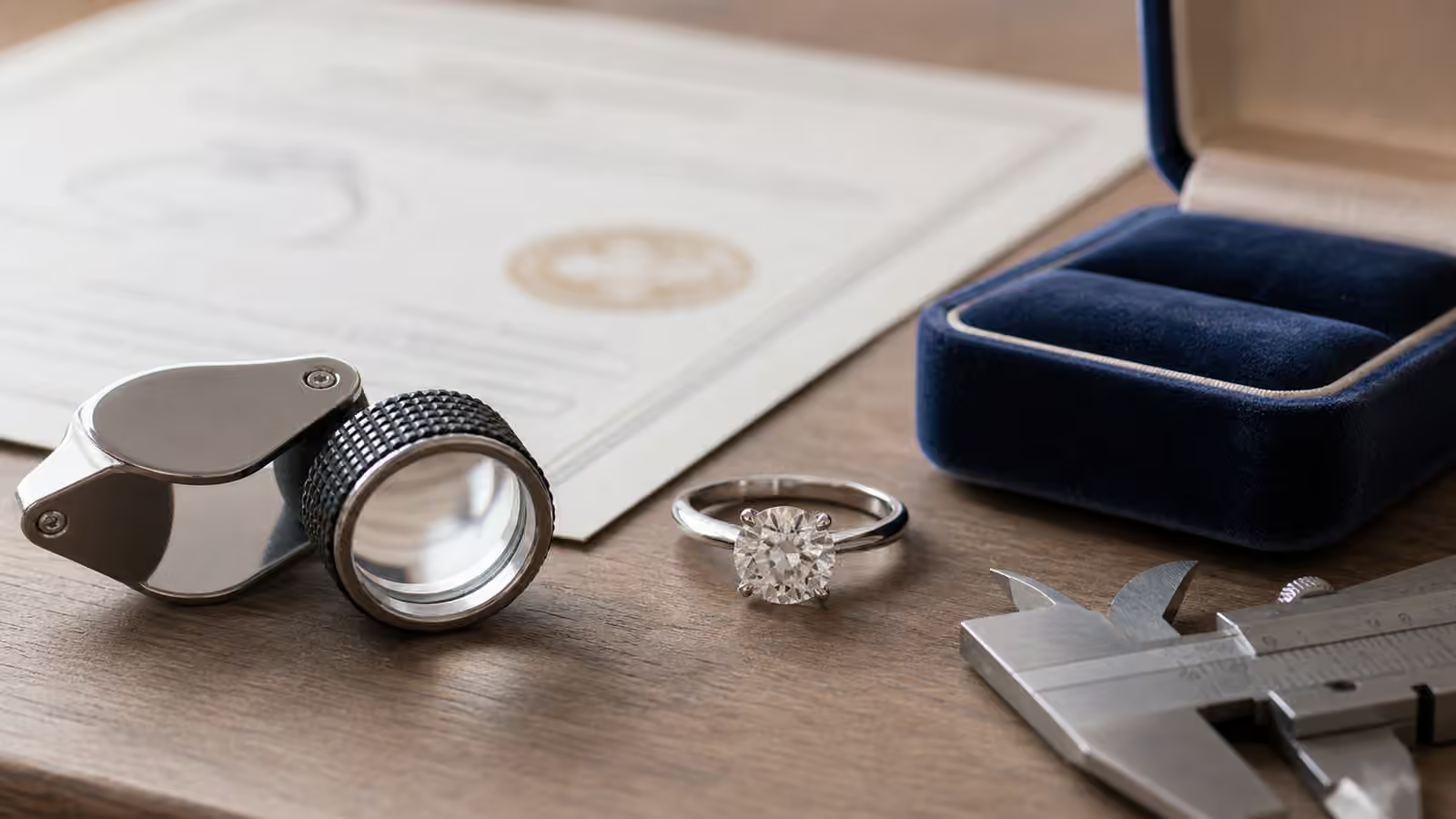
A good engagement ring appraisal describes the finished ring in enough detail that another professional can understand what is being valued. It may identify the metal, ring size, center stone, accent stones, setting style, measurements, weights, color and clarity estimates, maker information if known, inscriptions, and visible condition. If a diamond has a laboratory report, the appraisal may reference that report rather than regrading the stone from scratch.
The level of detail matters. A vague description such as “diamond ring in white gold” is not very helpful if the ring is lost or damaged. A stronger description names the center stone shape, approximate or documented carat weight, metal fineness, setting type, accent stone details, and any distinctive design features. For a custom ring, the appraisal may also note the design elements that would affect replacement, such as hand engraving, a hidden halo, unusual side stones, or an inherited center stone.
Condition can matter too. An appraisal for a newly purchased ring may assume the ring is in new condition. An appraisal for an older or heirloom ring should not ignore worn prongs, previous repairs, chips, or missing stones. The heirloom stone story shows why sentiment and technical inspection need to coexist. A family stone may be priceless emotionally, but the document still needs to describe what is physically present.
Appraisal Value Is Purpose-Specific
Many buyers are surprised when an appraisal value is higher than the purchase price. That can happen because the appraisal may estimate retail replacement value, not resale value and not proof of a discount. Replacement value is often meant to answer a practical question: what might it cost to replace a similar ring through a retail channel if this one is lost? That number can differ from what a jeweler charged, what a private buyer would pay, or what the ring might bring in a resale setting.
This distinction matters because inflated values can create confusion. A very high appraisal may feel flattering, but it can also lead to higher insurance premiums if the policy is based on that number. A too-low appraisal may leave the ring underdocumented or underinsured. The goal is not the biggest possible number. The goal is a credible value for the purpose of the document.
Ask what value type the appraisal uses. Retail replacement value, fair market value, estate value, liquidation value, and resale expectations are not interchangeable. Most engagement ring buyers dealing with insurance need replacement-focused documentation, but there are situations where another value basis is appropriate. The appraiser or jeweler should be able to explain the purpose in ordinary language. If the explanation is vague, slow down before relying on the document.
Appraisal vs. Grading Report
A diamond grading report evaluates a loose diamond or, in some cases, a specific stone using laboratory standards. It may document carat weight, measurements, color, clarity, cut information for certain shapes, fluorescence, and identifying details. It does not usually value the finished ring. It also does not describe the setting, accent stones, metalwork, or replacement cost. The diamond grading reports guide covers how to read that document before buying.
An appraisal looks at the ring as an object. It may rely on a grading report for the center diamond, but it adds the setting and value context. If the ring has a laboratory report, keep the report with the appraisal. If the stone has a laser inscription, make sure the records match. If the appraisal’s diamond details conflict with the report, ask why. Sometimes the appraiser is estimating a mounted stone and cannot measure it as precisely as a lab did when it was loose. Sometimes there is a clerical error. Either way, inconsistencies should be resolved before the document is used.
For colored gemstones, documentation can be more complex. Treatments, origin claims, and durability may affect value and setting choices. An appraisal should not make unsupported claims beyond what can be observed or documented. If a gemstone report exists, keep it with the appraisal just as you would keep a diamond report.
Who Should Appraise the Ring?
Some buyers receive an appraisal from the selling jeweler. That can be convenient, especially for a new ring with clear purchase records. Others prefer an independent appraiser who does not have a financial interest in the sale. Both approaches can be useful, but independence, expertise, and clarity matter. If the appraisal is for insurance, check whether the insurer has requirements for who can prepare it or what information it must include.
The appraiser should understand jewelry, gemstones, and valuation purpose. They should examine the ring carefully, use appropriate tools, and explain any limitations. A mounted diamond cannot always be weighed directly or graded as precisely as a loose diamond. Accent stones may be estimated by measurement. Some treatments or origins cannot be confirmed without specialized lab testing. Honest limitations make the document stronger, not weaker.
The choosing an engagement ring jeweler guide is relevant because the best jewelry professionals are comfortable with documentation. They do not treat paperwork as an insult to trust. They understand that records protect the ring owner, the insurer, the repair jeweler, and sometimes the jeweler who made the ring.
When to Update an Appraisal
An appraisal is not always permanent. You may need an updated document if the ring is redesigned, resized in a way that changes the setting, repaired after damage, reset with a different center stone, or insured under a policy that asks for recent valuation. Market conditions for diamonds, gemstones, and precious metals also change over time. The exact update interval depends on the insurer and the purpose of the record, so it is better to ask than to assume.
Updates are especially important after custom work. If a family diamond is reset into a new mounting, the old appraisal no longer describes the finished object. If a hidden halo, side stones, engraving, or a new shank are added, those details should be documented. If a ring loses an accent stone and is repaired, keeping repair records with the appraisal can help explain the ring’s history.
Do not wait until a loss to discover that the records are thin. Photograph the ring, keep receipts, save grading reports, keep appraisals, and note service history. This does not replace insurance terms, but it makes ownership more orderly. If the ring is ever passed down, the next person receives not only the object but also a clearer story of what it is.
Reading the Document Carefully
When you receive an appraisal, read it before filing it away. Check names, dates, ring description, metal, stone details, report numbers, and value basis. Make sure the images, if included, match the ring. Confirm that the center stone shape, carat weight, and report number agree with your purchase records. If the ring has a distinctive setting, make sure that detail appears somewhere in the description.
Look for vague or unsupported language. Words such as “best,” “rare,” or “investment” are less useful than measurable descriptions. Be cautious with claims that sound official but are not supported by reports or observations. A practical appraisal should be specific and sober. It does not need to make the ring sound more impressive than it is. The ring’s emotional value already belongs to you; the appraisal’s job is documentation.
If something seems wrong, ask for clarification or correction. Clerical mistakes happen. Stone estimates can be limited by a mounted setting. A good professional should be willing to explain the basis for the value and adjust errors. The time to correct a report number or metal description is before the document is sent to an insurer or stored for future use.
How Appraisals Fit Into Ring Ownership
An appraisal is one part of a ring’s paper trail. The purchase receipt shows what was paid and when. The grading report identifies a diamond or gemstone. The warranty or service plan explains certain aftercare terms. The insurance policy describes what is covered and how claims are handled. The appraisal describes and values the finished ring for a stated purpose. Together, those records make the ring easier to protect and service.
The document may never feel sentimental, but it supports the sentimental object. If the ring is lost, damaged, resized, reset, insured, or inherited, clear records reduce confusion. A careful appraisal does not make the ring more meaningful. It simply helps the practical world recognize what the ring is, so the wearer can get back to what the ring means.