Choosing a Diamond Shape for an Engagement Ring
Diamond shape is often the first thing people react to and the last thing they know how to explain. One person sees an oval and says it looks graceful. Another sees the same stone and notices the dark bow-tie across the center. A round diamond can feel timeless to one wearer and too expected to another. An emerald cut can look elegant in a photograph and unexpectedly quiet under jewelry-store spotlights. Shape is personal, but it is not only a matter of taste.
The shape of the center stone changes how a ring handles light, how large the diamond appears for its carat weight, how vulnerable the corners or points may be, and how naturally the stone works with certain settings. It also changes the mood of the ring before any metal or accent stones enter the conversation. If the 4Cs of diamonds describe quality, shape describes character.
This is why shape deserves its own decision, separate from carat and separate from setting. A one-carat round, a one-carat oval, and a one-carat emerald cut may weigh the same, but they do not wear the same. They spread differently across the finger. They sparkle in different patterns. They ask different things of the jeweler who sets them. Choosing well means understanding those differences before the ring starts to feel inevitable.
Shape Is Not Cut
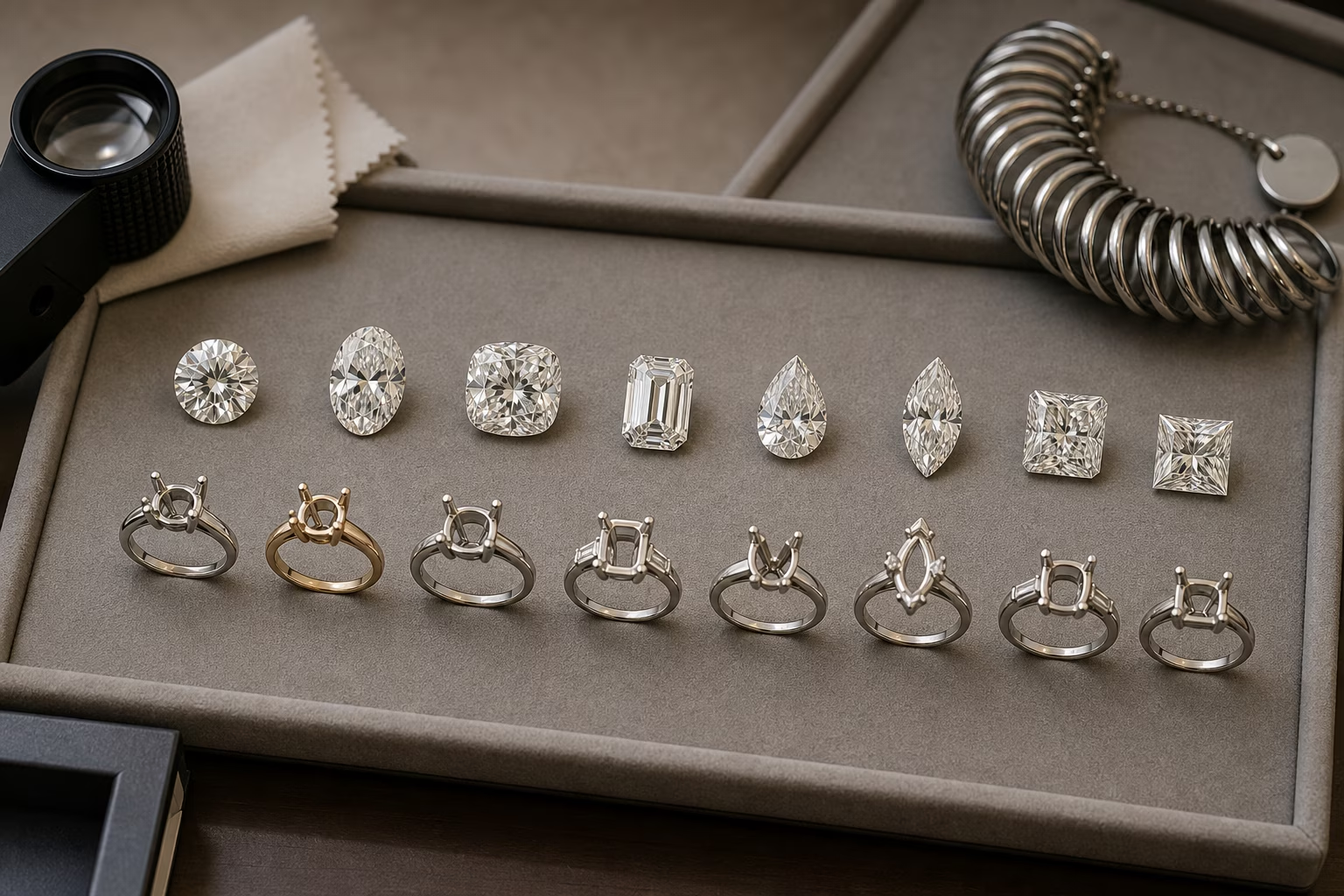
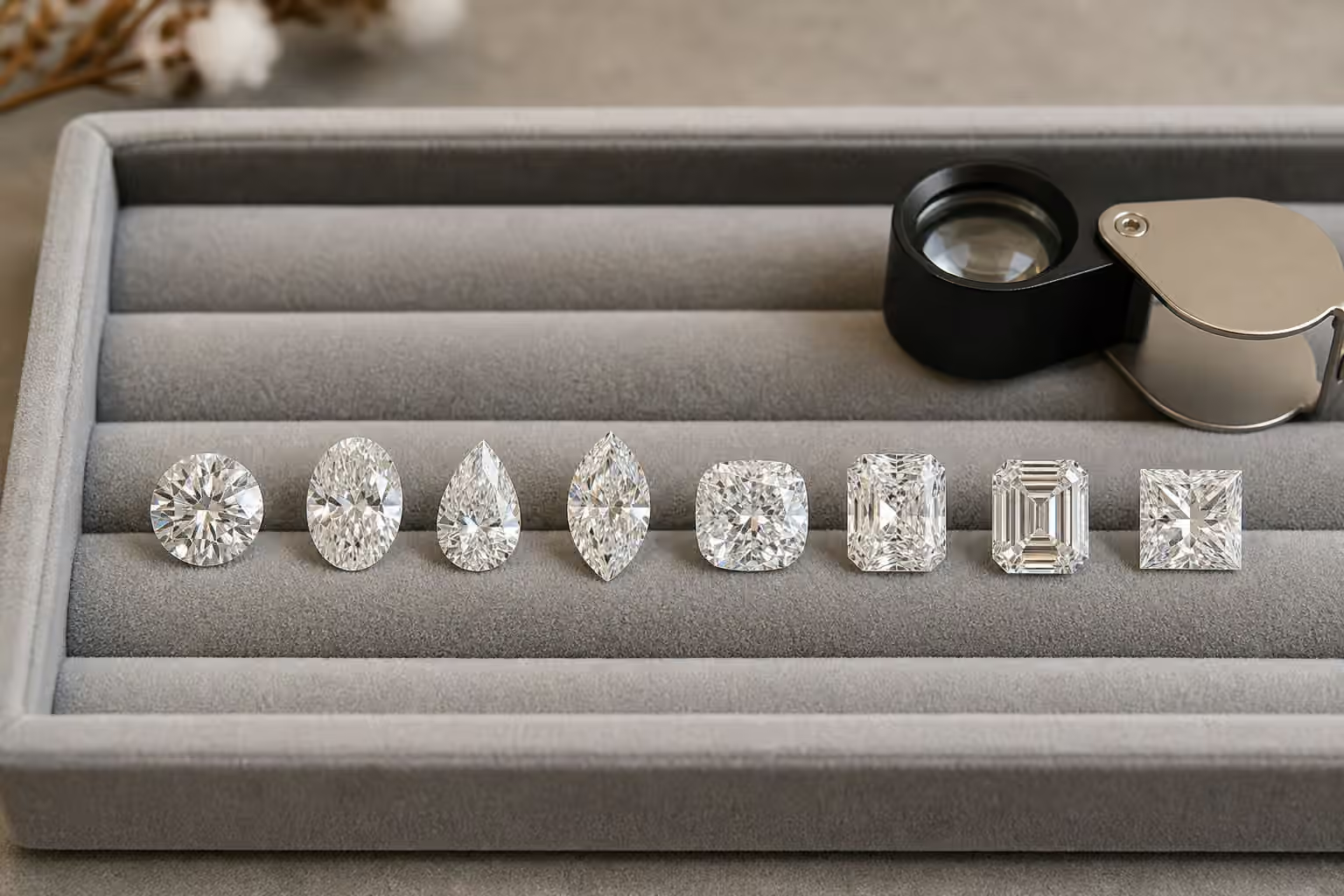
The most common confusion in diamond shopping is the word cut. A jeweler may ask what shape you like, while a grading report talks about cut grade, and both sound as though they should mean the same thing. They do not. Shape is the outline of the stone when viewed from above: round, oval, pear, cushion, princess, emerald, marquise, radiant, Asscher. Cut quality is the precision of the stone’s proportions and facet work, which controls how well light returns to the eye.
This distinction matters because some shapes receive standardized cut grades from major grading labs and others require more visual judgment. Round brilliant diamonds are highly studied and usually come with a clear cut grade. Fancy shapes, which is the industry term for most non-round diamonds, are more variable. Two ovals with the same carat, color, and clarity can look dramatically different because of their length-to-width ratio, depth, table size, and facet pattern. One may be lively from edge to edge. Another may have a heavy dark band through the middle.
For shoppers, the practical lesson is simple but important: do not buy a fancy shape from numbers alone. The report helps, but your eyes matter more. Look at the stone in different lighting. Tilt it. Watch whether brightness travels across the diamond or collapses into dull patches. Ask to compare several stones of the same shape side by side, because shape quality is easiest to understand by contrast.
Round Brilliant: The Reference Point
The round brilliant is the shape every other diamond is measured against, fairly or not. It has a circular outline and a facet arrangement refined over generations to maximize brightness, fire, and scintillation. When someone says a diamond “sparkles like a diamond,” they are usually imagining a well-cut round brilliant.
Round diamonds are forgiving in design. They work in solitaires, halos, bezels, three-stone rings, vintage settings, and low-profile modern designs. They pair cleanly with many wedding bands and rarely create the kind of awkward silhouette that complicates wedding band pairing . They are also easier to evaluate because cut grading for rounds is more mature than it is for fancy shapes.
The tradeoff is cost and familiarity. Round diamonds usually command a premium because demand is high and cutting a round from rough diamond can involve more weight loss. A round may also feel too traditional for someone who wants the center stone to express a more specific personality. If your partner’s style is understated, classic, or hard to pin down, round is often the safest choice. If they gravitate toward unusual jewelry, architectural clothes, or vintage pieces with visible character, round may be beautiful without being quite right.
Oval, Pear, and Marquise: Length, Movement, and Presence
Elongated shapes change the ring immediately. Ovals, pears, and marquise diamonds spread across more finger area than many rounds of the same carat weight, which can make them look larger face-up. They also draw the eye along the finger, creating a sense of length and movement. This is part of their appeal: they feel graceful before the setting does anything elaborate.
Ovals are the most adaptable of the elongated group. They keep much of the softness of a round while adding a more modern silhouette. A simple oval solitaire can look quiet and elegant, while an oval halo can become dramatic very quickly. The main thing to inspect is the bow-tie effect, a dark shape across the center caused by the way some elongated stones handle light. A little contrast is normal and can give the stone life. A heavy, dead-looking band is a reason to keep looking.
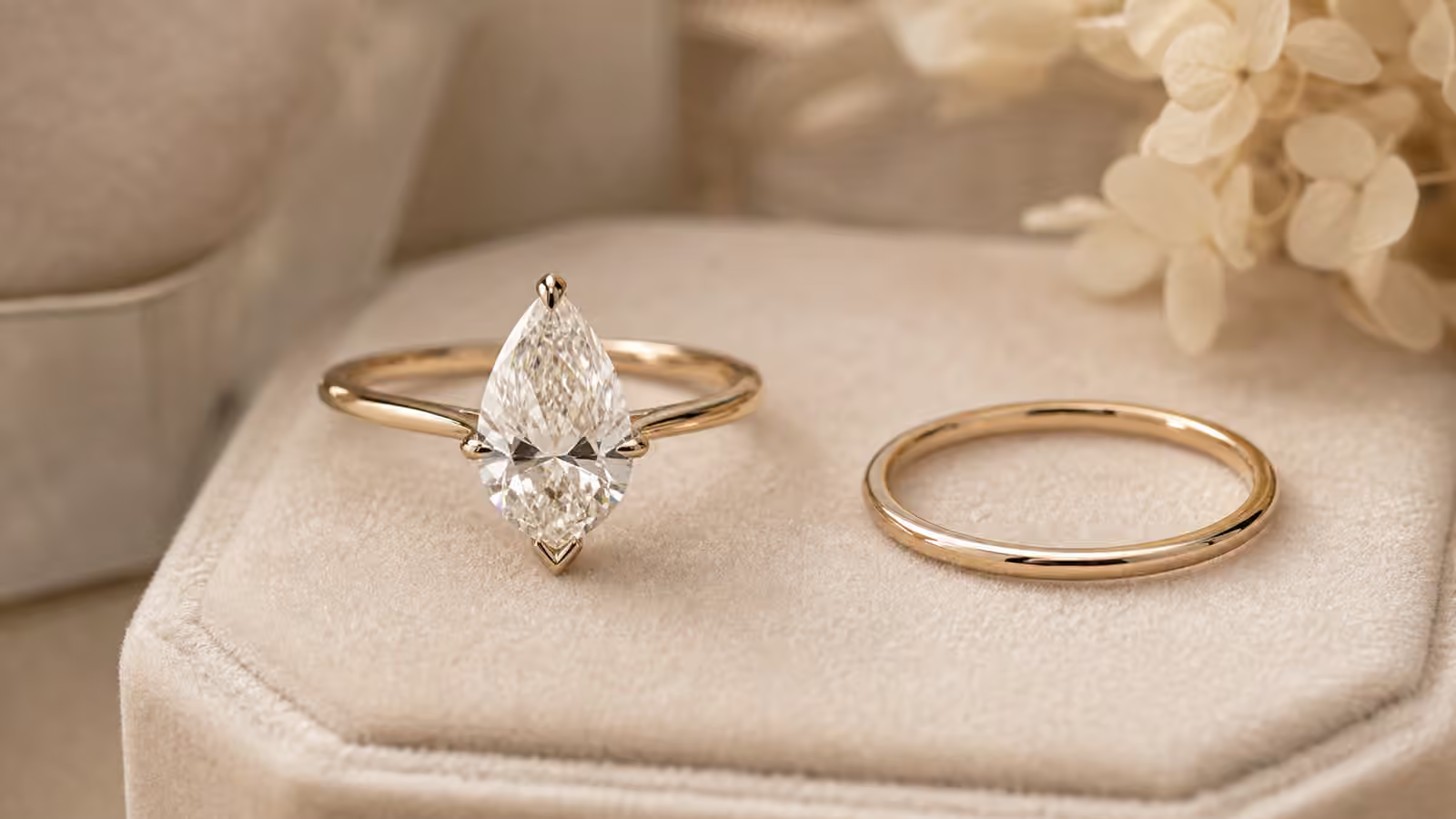
Pear shapes bring asymmetry into the conversation. One end is rounded and the other comes to a point, which gives the stone a directional quality. Worn with the point facing outward, a pear can visually lengthen the finger. Worn the other way, it can feel softer and more unusual. That point needs protection, usually with a V-prong or a bezel detail, because pointed ends are more vulnerable than rounded edges. Pears also need careful symmetry. If the shoulders are uneven or the point leans, the eye will find it every time.
Marquise diamonds are the most dramatic of the three. Their long, pointed shape can look regal, vintage, or almost theatrical depending on the setting. They offer impressive face-up spread, which makes them attractive for buyers who want presence without simply chasing carat weight. They also ask for restraint. A marquise with too much surrounding detail can become costume-like, while a clean setting lets the shape do the work. Like pears, both points need protection, and the stone should be checked for symmetry and bow-tie darkness.
Cushion and Radiant: Softness with Sparkle
Cushion cuts and radiant cuts sit in the middle ground between round brilliance and geometric structure. They are usually square or rectangular, but their corners are softened or clipped, which makes them easier to live with visually and physically than sharper shapes. They can feel romantic, modern, or antique depending on the exact proportions and setting.
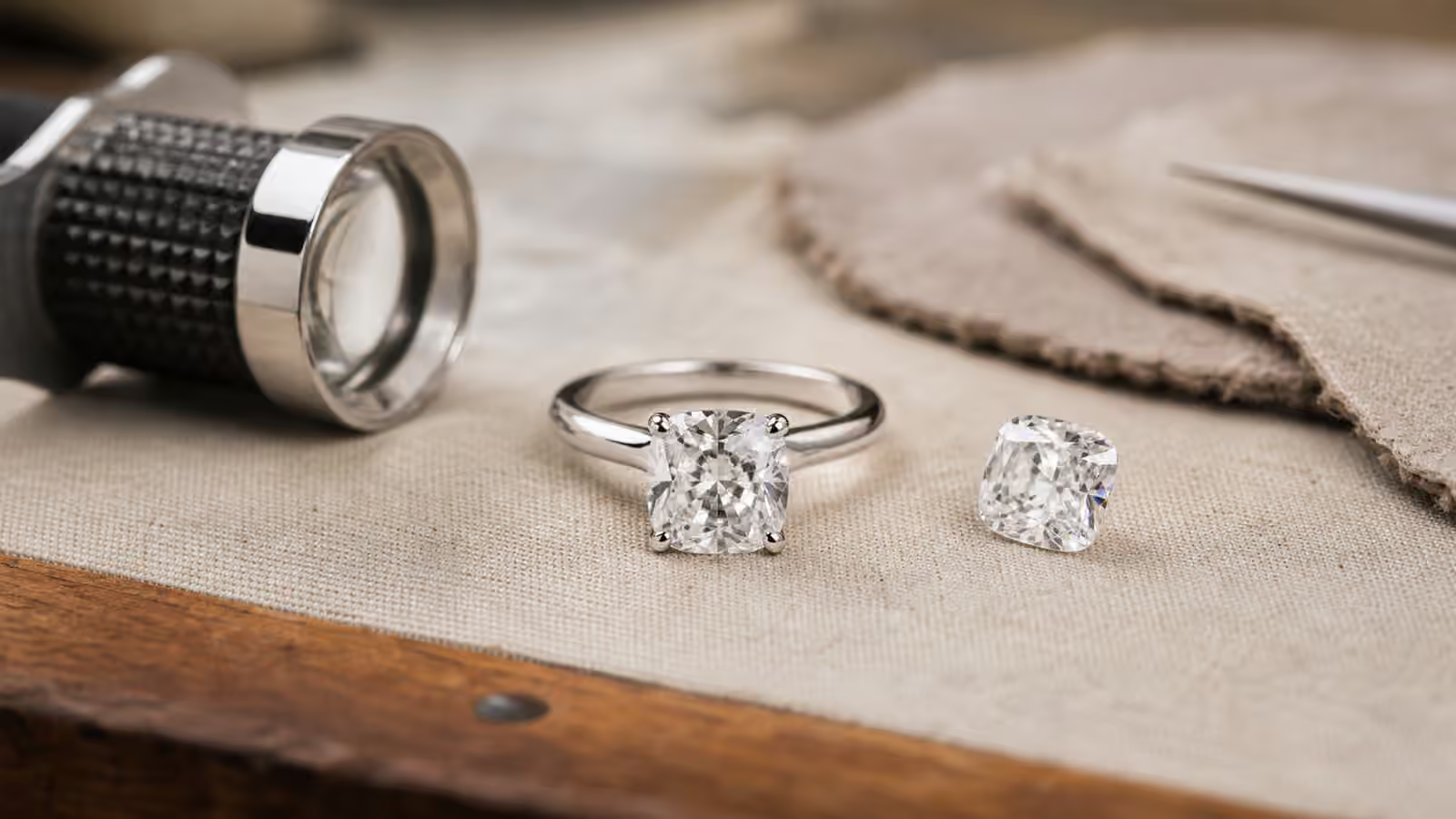
Cushion cuts have rounded corners and a pillow-like outline. Some have chunky, broad flashes that feel vintage, while others have a crushed-ice sparkle made of many smaller reflections. Neither is automatically better. The right choice depends on the wearer’s taste. A person drawn to antique rings may prefer the broader, slower flashes of an old-mine-inspired cushion. Someone who wants a lot of lively glitter may prefer a modern brilliant cushion. This is a shape where photographs can mislead, because the facet pattern changes the personality more than the outline suggests.
Radiant cuts are rectangular or square stones with clipped corners and brilliant-style faceting. They can deliver a lot of sparkle while keeping a clean, angular shape. Radiants often suit people who like emerald-cut geometry but want more glitter. They also work well in settings with side stones because the clipped corners make the outline easier to protect and balance.
Both shapes benefit from a thoughtful setting. A cushion in a bezel can look warm and old-world, while a cushion in a thin solitaire can feel airy and current. A radiant in yellow gold can look bold and graphic. A radiant with tapered baguettes can feel polished and architectural. If you are already comparing ring settings , pay attention to whether the setting supports the shape’s best quality or fights it.
Emerald and Asscher: Clarity, Lines, and Restraint
Emerald and Asscher cuts belong to the step-cut family. Instead of the busy triangular facets of brilliant cuts, they use long, parallel facets that create broad flashes and a hall-of-mirrors effect. These stones do not sparkle in the same way a round or radiant does. They flash, reflect, and go quiet, then flash again when the hand moves. Their beauty is more controlled.
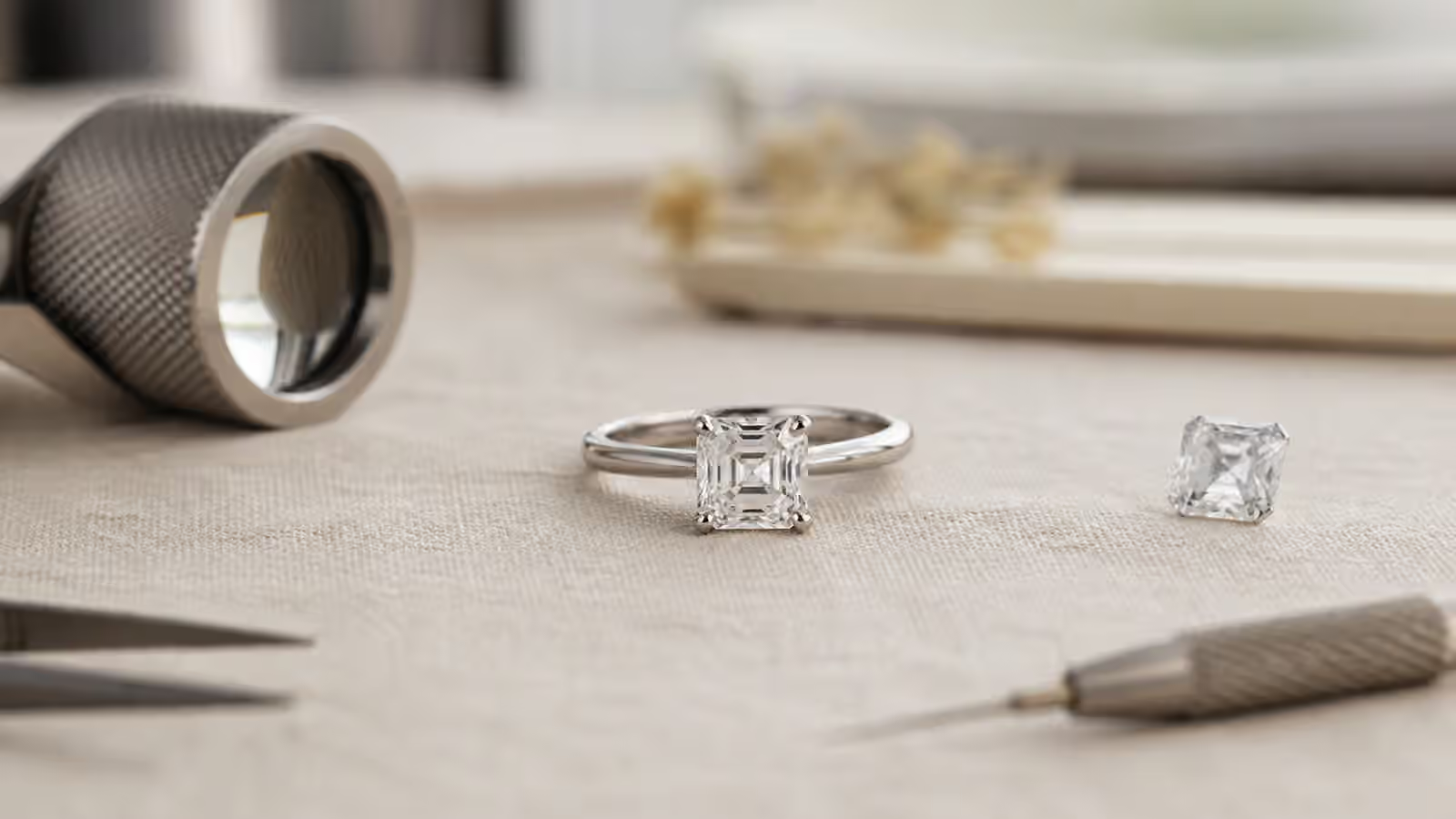
That restraint is exactly what some people love. An emerald cut can look calm, intelligent, and sharply dressed. It suits clean settings, east-west orientations, bezel details, and three-stone rings with tapered side stones. Asscher cuts, which are square step cuts with cropped corners, feel more compact and art deco. They can be striking in a solitaire but often come alive in settings that acknowledge their geometry.
The practical catch is that step cuts hide very little. Their open facets make inclusions easier to see, and they can reveal body color more plainly than brilliant cuts. This does not mean every emerald or Asscher needs top grades, but it does mean “eye-clean” matters in a more literal way. Look through the stone, not just at the surface sparkle. If a visible inclusion interrupts the clean lines, it may bother you more over time than it would in a busy brilliant cut.
Step cuts also reward good proportions. A lifeless emerald cut can look like a pane of glass. A good one has alternating bands of light and dark that create depth. When you compare stones, move them slowly rather than judging them under a single spotlight. The right step cut has a quiet pulse.
Princess and Other Sharp-Cornered Shapes
Princess cuts became popular because they offer a crisp square outline with strong sparkle. They can look modern, direct, and efficient, especially in a simple solitaire or channel-set design. They also tend to use diamond rough efficiently, which can make them appealing from a value perspective compared with some rounds.
The corners are the issue. Sharp corners are vulnerable to chipping if left exposed, so the setting must protect them. V-prongs, corner prongs, or bezel elements are not decorative afterthoughts; they are part of the stone’s safety system. This is also where ring care becomes relevant. A princess-cut ring with delicate corners and a high setting should be checked periodically, especially if it is worn through active days.
Other angular shapes, such as kite, shield, and hexagon cuts, can be beautiful but require even more care in design. They may not fit standard settings, and future repairs or replacements can be more complicated. For someone commissioning a custom ring, that uniqueness may be the entire point. For a first-time shopper who wants easy maintenance, standard shapes are usually less demanding.
How Shape Affects Size and Budget
Carat weight is weight, not visible size. This becomes obvious when comparing shapes. Elongated stones often appear larger because they cover more length on the finger. Emerald cuts may look substantial because of their broad table, even when they do not sparkle loudly. Deep stones can carry weight below the surface, looking smaller face-up than their carat suggests.
This is why shape can be a budget tool. If the goal is visual presence, an oval, pear, marquise, or elongated cushion may give more apparent size than a round at the same weight. If the goal is maximum sparkle under most lighting, a well-cut round or radiant may be more satisfying than a larger but dull fancy shape. The better question is not “What is the biggest diamond we can afford?” but “Which shape gives the kind of presence this person will actually enjoy wearing?”
Metal also changes the impression. White metals emphasize crispness and can make color more visible. Yellow gold can warm the whole ring and make slightly warmer diamonds feel intentional, as discussed in the ring metals guide. Rose gold can soften angular stones and make antique-inspired shapes feel more romantic. Shape and metal are not separate decisions once the ring is on the hand.
Match the Shape to the Life Around It
A ring is not worn in a display case. It goes into coat sleeves, gym bags, sinks, kitchens, offices, airports, and beds. The shape should make sense for that life. A low-set bezel oval may be easier for daily wear than a high marquise with exposed points. A round solitaire may be simpler to maintain than a pear surrounded by tiny pavé stones. A wide emerald cut may spin on a finger if the fit is loose, which brings ring sizing back into the decision.
Try to picture the ring after the proposal excitement settles. Will the wearer enjoy a stone that catches attention from across the room, or will that feel too loud? Do they wear gloves for work? Do they already wear rings, and if so, are they delicate, bold, geometric, vintage, plain? The jewelry a person chooses for ordinary days is often a better clue than the jewelry they admire in a photograph.
There is no universally correct diamond shape. There is only the shape whose compromises feel acceptable and whose beauty still works in normal light. When you find that, the rest of the ring becomes easier. The setting has a direction. The metal has a job. The wedding band can be planned with fewer surprises. Most importantly, the ring starts to look less like an object from a case and more like something that belongs to one particular hand.