Cushion-Cut Engagement Rings: Soft Corners, Sparkle, and Setting Choices
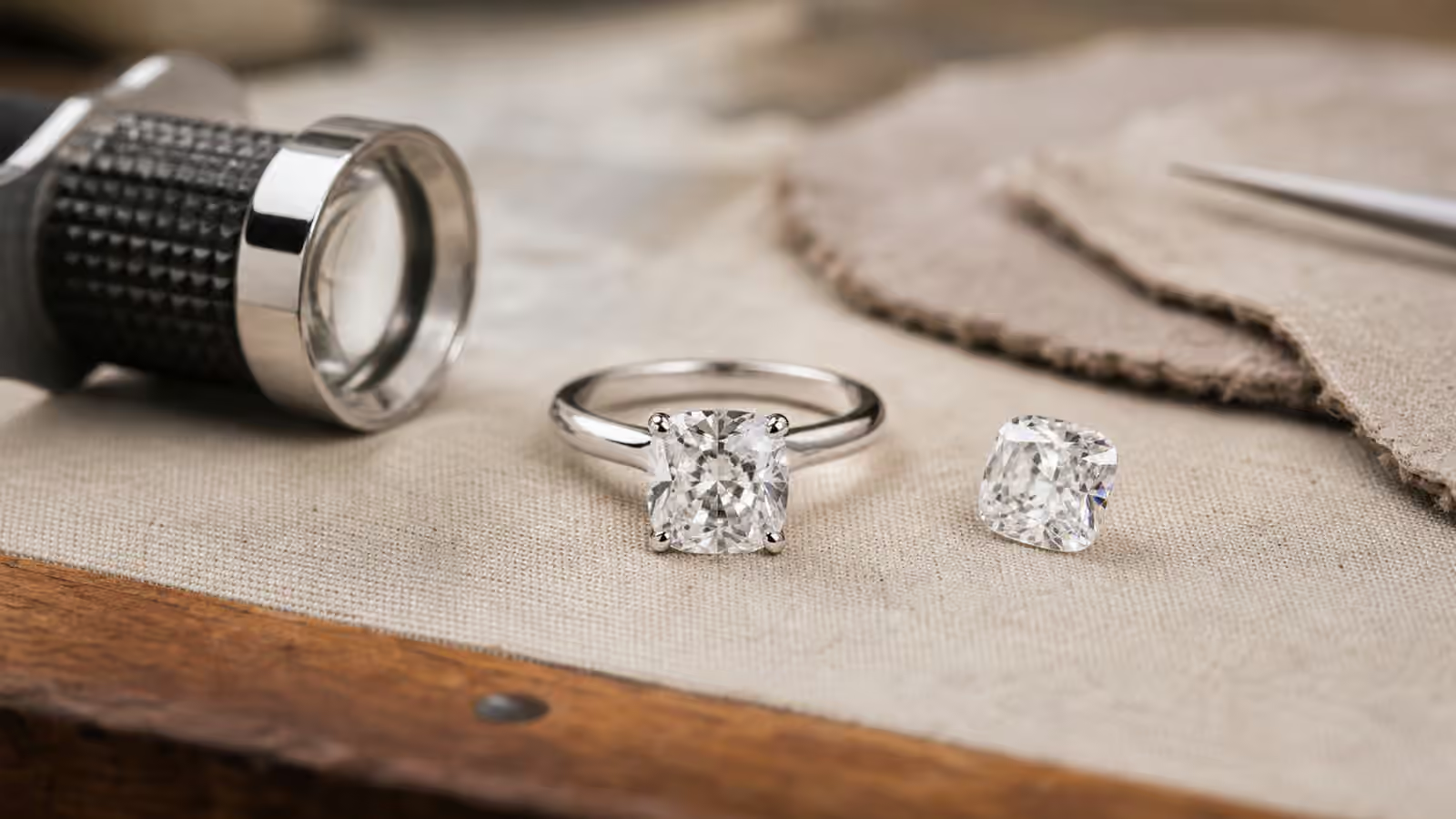
Cushion-cut engagement rings sit in the pleasant space between a square outline and a soft romantic shape. The corners are rounded rather than sharp, the sides may be slightly bowed, and the facet pattern can range from crisp and organized to lively and crushed-ice-like. That combination is why cushions can look old-world in one setting and cleanly modern in another. The same shape can support a plain solitaire, a tailored halo, a vintage-inspired mounting, or a warm gold ring with a relaxed heirloom feeling.
The broader diamond shapes guide introduces cushions as one of the major outlines, but cushion cuts deserve their own attention because the category is unusually varied. Two cushions with similar carat weight and measurements can behave very differently. One may flash in broad, chunky facets. Another may sparkle in tiny pinpoints. A third may look rectangular rather than square. Shopping well means looking past the name on the listing and learning what kind of cushion you are actually seeing.
The appeal is easy to understand. A cushion has less severity than a princess cut and more softness than a radiant. It can feel substantial without being blunt. It also works well with older design language, because cushion-like antique cuts helped shape many historic rings. The danger is that the familiar name can make the choice seem simpler than it is. A cushion engagement ring is not one look. It is a family of looks.
The Outline Sets the Mood
The first decision is shape within the shape. Some cushions are nearly square, with a balanced length-to-width ratio that feels calm and centered. Others are elongated, giving more finger coverage and a more oval-like sense of movement. Neither is automatically better. A square cushion often feels classic, especially in a solitaire or halo. An elongated cushion can make the hand look longer and may appeal to someone who likes ovals but wants a more structured outline.
Corner softness also matters. A cushion with very rounded corners can look pillowy and antique. A cushion with straighter sides and tighter corners may feel more architectural. The setting will amplify that effect. Rounded prongs and a halo can make a cushion look even softer, while claw prongs and a slim shank can sharpen the silhouette. If you are comparing cushions in person, place them on the finger or over a simple band rather than judging only loose stones on a tray. The outline changes once metal frames it.
Measurements help, but they do not replace the eye. A listing may tell you length, width, and depth, yet two cushions with the same ratio can still face up differently because of corner shape, girdle thickness, and depth distribution. This is why the diamond carat weight and face-up size guide matters here. Cushion cuts can hide weight in depth, so a heavier stone may not always look larger from above.
Facet Pattern Is the Real Personality
The biggest difference among cushion cuts is the facet pattern. Some cushions show broad flashes that turn on and off as the stone moves. These are often described as chunky, antique-like, or old mine inspired, though the exact cutting style can vary. Other cushions have a splintery, glittering pattern that shoppers often call crushed ice. Some people love that busy sparkle because it makes the stone feel lively from many angles. Others prefer larger flashes because they find them calmer and more legible.
There is no universal winner. The right facet pattern depends on the wearer and the setting. A broad-flash cushion in a simple solitaire can look elegant and deliberate. A crushed-ice cushion in a halo can create a field of sparkle that feels glamorous. A cushion with a muddled center, however, may look sleepy even under strong store lighting. The diamond cut quality and light return guide is useful because cushions prove that sparkle is not just a grade or a carat number. It is how light actually moves through the stone.
Video is especially helpful for cushions. A still photo can make almost any cushion look neat, but slow movement reveals whether the center wakes up, whether the corners go dark, and whether the sparkle pattern feels pleasing. Ask to see the stone face-up, not only tilted for drama. If you are buying online, compare videos shot in similar lighting. A single glamour clip can hide a weak facet pattern by keeping the stone in constant motion.
Color and Clarity Show Differently in Cushions
Cushion cuts can show body color more readily than some brilliant round diamonds, especially in larger stones or in designs with open sides. That does not mean every cushion needs a very high color grade. It means color should be judged in the setting context. A cushion in yellow or rose gold may look warm and intentional with a slightly lower color grade. A cushion in platinum or white gold may make warmth more visible, especially if the wearer wants a crisp white look.
The diamond color grades guide explains why metal color changes perception. Cushions are a good example because their broad areas and rounded corners can hold warmth in a way that feels either charming or distracting. Look at the stone from the side as well as face-up. Some diamonds look whiter from above than from the profile, and the profile becomes part of the ring once it is mounted.
Clarity deserves similar care. Many cushions have enough sparkle to hide small inclusions, but step-like or broad-flash versions may make certain features easier to see. Inclusions near a corner or close to the girdle deserve attention because prongs may cover them visually, but placement can also affect durability decisions. The goal is not to chase a flawless report. The goal is an eye-clean stone with inclusions that do not interrupt the beauty or create concerns for setting. The diamond clarity guide gives the right mindset: judge visibility, placement, and value together.
Settings That Suit Cushion Cuts
Cushion cuts are unusually flexible in settings. A plain solitaire lets the outline speak clearly. Four claw prongs can make the shape feel crisp, while rounded prongs give it a softer finish. Double prongs are common on cushions because they echo the corners and add a tailored feeling, especially on larger stones. The engagement ring prongs guide is worth reading before choosing the head, because prong shape changes the entire mood of a cushion ring.
Halos are also common because a cushion outline accepts a frame gracefully. A cushion halo can make the ring look larger and more ornate, but it needs careful proportion. If the halo is too bulky, it can swallow the center stone. If the accent diamonds are too bright or too large, they may compete with the cushion instead of framing it. The halo engagement rings guide explains the maintenance and proportion issues that become important when many small stones surround the center.
Vintage-inspired settings feel natural with cushions. Milgrain, engraving, tapered shoulders, and antique-style galleries can complement the rounded square outline. The risk is excess. A cushion already has softness and presence, so heavy detail everywhere can make the ring feel crowded. A cleaner shank with one or two vintage details often wears better than a design that uses every antique cue at once. If the wearer loves older rings, compare the cushion guide with vintage-inspired engagement rings before committing to the setting.
Wedding Bands and Daily Wear
Cushion rings can pair beautifully with wedding bands, but the gallery height and basket shape matter. A low basket may be comfortable and secure, yet it can prevent a straight band from sitting flush. A taller head can create more room for a band, but it may snag more often and place the stone higher above the hand. The best choice depends on how the wearer wants the full bridal set to look, not only on how the engagement ring looks alone.
Try a plain band, a diamond band, and a contoured band if possible. A cushion halo may need a curved or notched band. A solitaire with a raised head may accept a straight band easily. An elongated cushion may leave visual gaps at the shoulders depending on how the shank meets the basket. The wedding band pairing guide helps turn those small fitting questions into decisions you can test before the wedding band is needed.
Daily wear also depends on corner protection and height. Cushions do not have sharp points like pears or marquises, but corners still need sound prong contact. A very delicate setting can look beautiful in photos and feel less reassuring in ordinary life. Look for a head that holds the stone evenly, a shank that does not feel too thin for the center size, and prongs that sit smoothly over the corners without covering too much of the diamond.
Choosing a Cushion With Confidence
A strong cushion choice is usually made by comparison, not by chasing one ideal specification. Compare square and elongated outlines. Compare broad flashes and crushed-ice sparkle. Look at color in the metal you actually want. Check whether the measurements give the face-up size you expect. Then place the stone in the kind of setting the wearer would truly choose.
The cushion cut rewards patience because its beauty is not standardized. That is also the point. A well-chosen cushion engagement ring can feel personal without being eccentric, romantic without being fragile, and distinctive without needing an unusual gemstone or complicated setting. When the outline, facet pattern, and mounting agree with each other, the result is a ring that looks soft at first glance and carefully judged the longer you look.