Cathedral Engagement Rings: Height, Structure, and Side-Profile Beauty
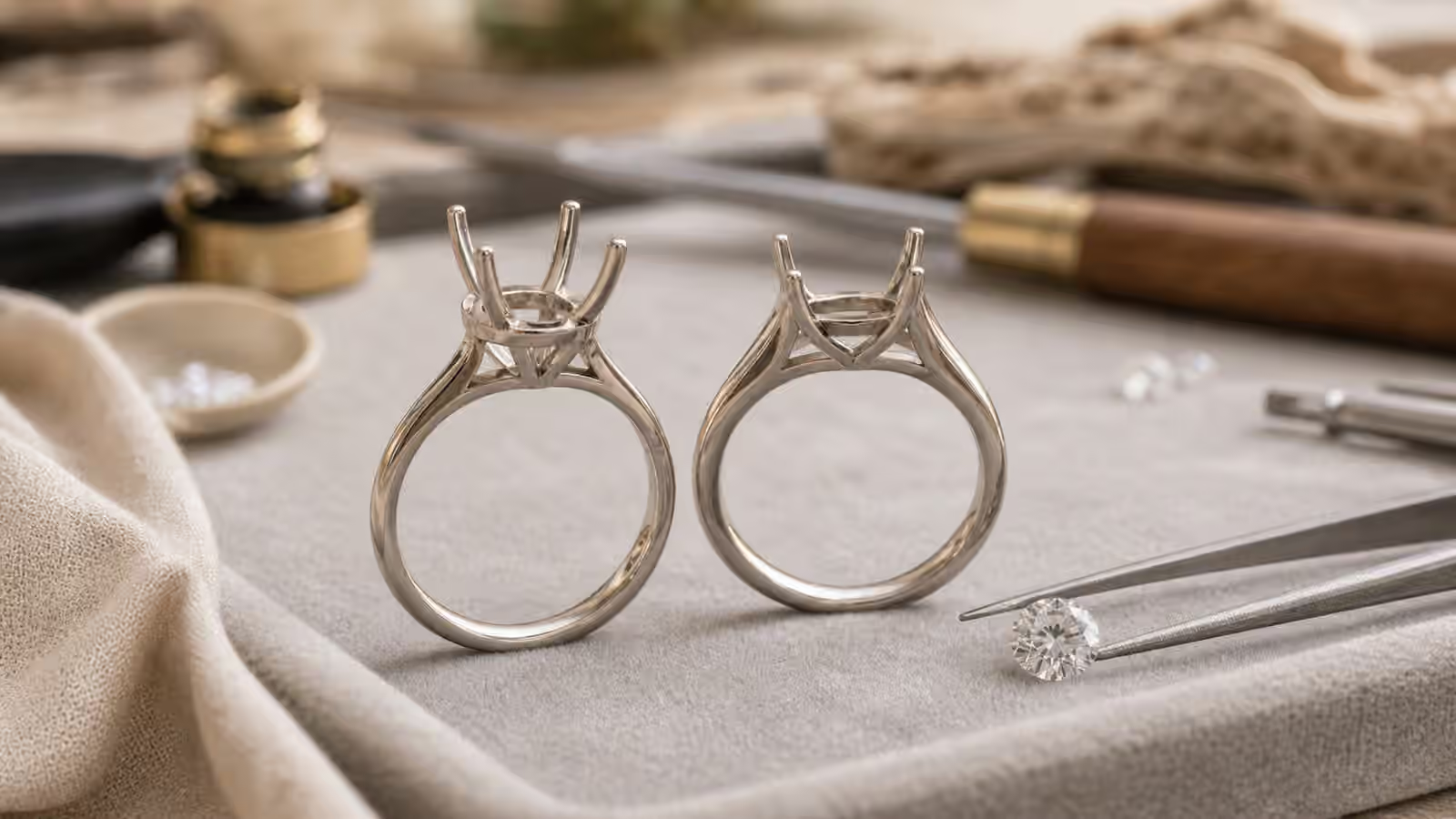
A cathedral engagement ring is named for the way the shoulders rise toward the center stone. From the side, the band seems to lift into arches that support the setting, giving the ring height, structure, and a more intentional profile. It is a small architectural move, but it changes how the ring looks on the hand, how secure the center stone feels, and how easily a wedding band may sit beside it.
The broad ring settings guide covers cathedral settings as one style among many. This closer look is useful because cathedral design is not one fixed look. Some cathedrals are delicate and low, with barely raised shoulders. Others are tall and dramatic, placing the diamond high above the finger. Some use plain metal arches. Others add pave, milgrain, hidden halos, or sculptural galleries. The name tells you that the shank rises; it does not tell you whether the ring will suit the wearer’s daily life.
What the Raised Shoulders Actually Do
The raised shoulders of a cathedral setting can make a center stone feel more integrated with the band. In a peg-head solitaire, the stone setting may appear attached on top of a simple shank. In a cathedral, the band seems to participate in holding the stone. That can make the ring look more finished from the side and more substantial from the front, even when the shank is not very wide.
The structure can also visually frame the diamond. The upward sweep guides the eye toward the center, which is why cathedral designs often make a solitaire feel less bare. If the wearer likes a single center stone but wants a little more design presence than a plain band, a cathedral can be a good middle ground. It adds shape without necessarily adding accent stones.
There is a practical side too. The arches may offer support around the basket, depending on construction. They can reduce the feeling that the head is simply perched above the band. That does not mean every cathedral is stronger than every non-cathedral ring. Workmanship, metal thickness, prong quality, and setting design still matter. A thin cathedral with delicate pave can be more vulnerable than a sturdy plain basket. The architecture is useful only when the proportions are sensible.
Height Is the Main Tradeoff
Cathedral settings often sit higher than low-profile styles, though not always. Height can be beautiful because it gives the center stone room to show. It can let more light reach the diamond and create space for a straight wedding band. It also makes the ring more noticeable in daily life. A higher center stone is more likely to catch on gloves, pockets, sleeves, hair, or furniture. It may feel elegant in the showroom and slightly demanding during a busy workday.
The low-profile engagement rings guide is the natural comparison point. A low ring emphasizes comfort and reduced snagging. A cathedral emphasizes lift and side-profile design. The best choice depends on the wearer. Someone who loves visible height and removes jewelry for hands-on tasks may enjoy a cathedral every day. Someone who wants to forget the ring is on may prefer a lower basket, bezel, or integrated setting.
Ask to view the ring from the side at finger level. Many shoppers judge a ring face-up, then discover later that the profile is what they feel all day. Is the stone very high above the finger? Are the arches smooth or sharp? Does the basket have edges that could catch? Can the wearer close the hand comfortably? A cathedral should feel graceful, not like a little tower that must be managed.
Wedding Band Fit Can Be Easier
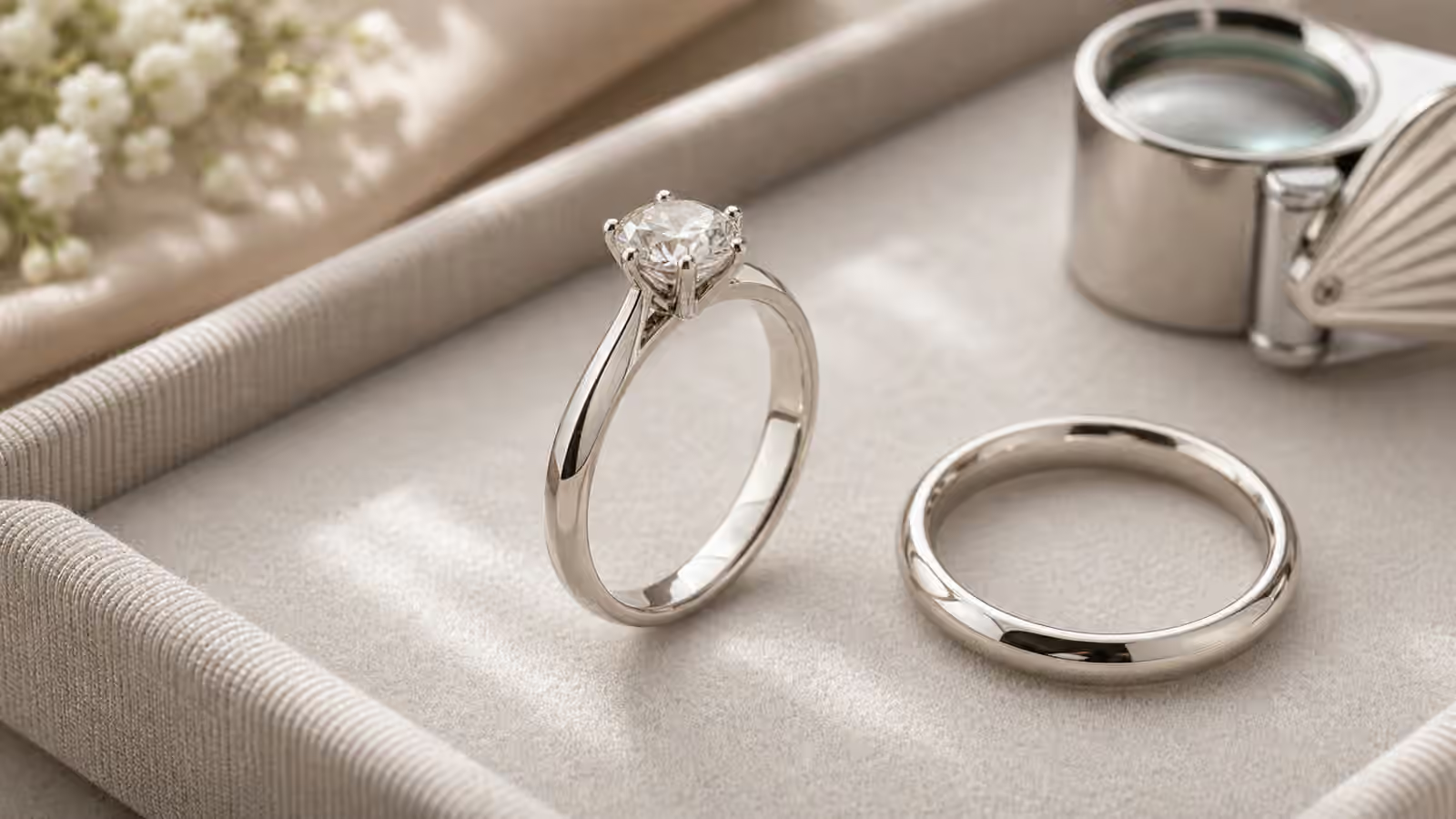
One reason cathedral settings remain popular is wedding band clearance. Because the center setting is often lifted, a straight wedding band may be able to slide closer to the engagement ring. That can avoid the visible gap that appears when a low basket blocks the band. For wearers who want a clean stacked look, this matters.
Still, cathedral does not guarantee flush fit. The basket may extend downward. Prongs, hidden halos, under-bezels, or decorative galleries may still block a straight band. A matching contour band may be needed if the ring has a large center stone or a low, wide gallery. The only reliable test is to place likely bands beside the ring before purchase, not after the wedding band decision becomes urgent.
The wedding band pairing guide explains how gaps, metal width, and ring height interact. For cathedral settings, pay attention to the lower part of the head. A ring can look high from the top while still blocking a band at the base. If the wearer wants a straight band, ask the jeweler to show the side view with a plain band beside it. If the ring is custom, make the desired band fit part of the design brief.
Arches, Pave, and Cleaning
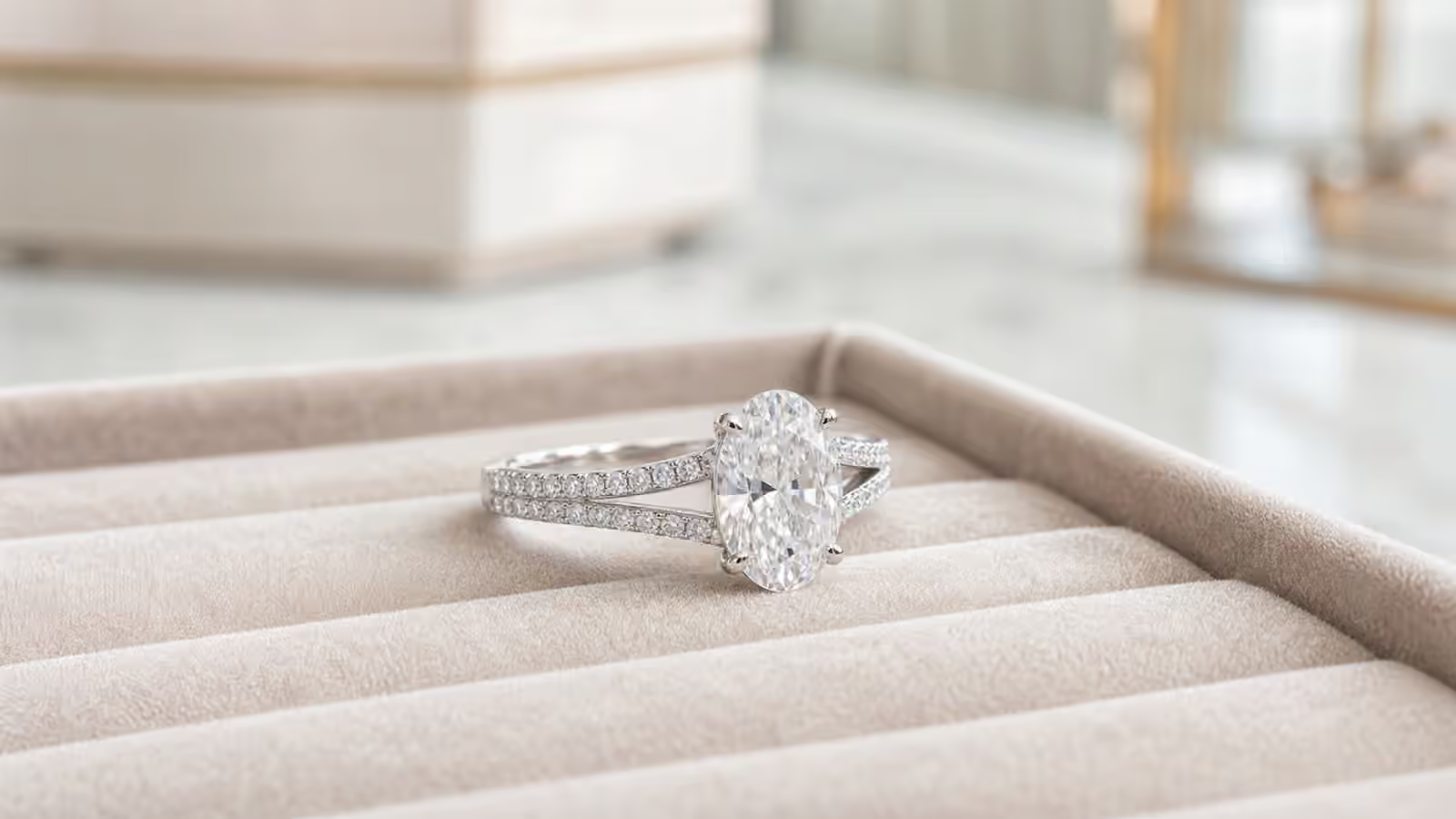
Cathedral shoulders can be plain or decorated. Plain metal arches are easier to maintain and can make the ring feel clean, modern, or classic. Pave cathedral shoulders add sparkle up the sides of the ring, but they also add small stones in an area that meets the world often. Each tiny accent depends on tiny metal. That does not make pave a bad choice. It simply turns a simple structural feature into a maintenance feature.
The pave engagement rings guide is worth reading before choosing pave cathedral shoulders. Raised arches can expose small stones to more contact than a flat band might. They can also collect lotion, soap, and dust where the shoulder meets the basket. A ring with detailed arches should be inspected regularly, cleaned gently, and worn with realistic habits.
Open cathedral spaces can be beautiful from the side, but they also create places for buildup. Closed or heavier galleries can feel smoother, but they may make cleaning beneath the diamond more difficult. Neither approach is automatically right. A good jeweler should be able to explain how the ring will be cleaned, where dirt may collect, and how the setting can be inspected over time.
Match the Cathedral to the Stone
Cathedral proportions should suit the center stone. A large diamond on very thin raised shoulders can look top-heavy and may rotate on the finger. A small center stone in a tall cathedral can seem overbuilt. A round brilliant can look classic in a cathedral solitaire. An oval may need careful east-west balance so the long stone does not feel like it is floating above narrow shoulders. An emerald cut may benefit from clean straight lines rather than overly curving arches.
Prongs and basket shape matter as much as the shoulders. A cathedral can support a four-prong, six-prong, bezel, or decorative basket. The engagement ring prongs guide helps with the stone-security side of the decision. A cathedral should not be used as a distraction from weak prongs or poor stone fit. The center stone still needs to be held well at its actual points of vulnerability.
If the ring uses a colored gemstone, ask whether the stone’s durability and cut suit the setting height. Some gemstones benefit from more protection. The colored gemstone durability guide can help keep the design conversation grounded before the side profile becomes the only focus.
When a Cathedral Setting Makes Sense
A cathedral engagement ring makes sense when the wearer likes side-profile design, wants a solitaire or simple ring with more presence, or hopes for better wedding band clearance. It can be elegant, strong, and beautifully balanced. It is especially appealing to people who notice the ring from every angle, not only from above.
It is less ideal when the wearer prioritizes the lowest possible profile, works with gloves constantly, or dislikes feeling height on the hand. It may also be the wrong place for very delicate pave if the wearer wants a ring that needs little attention. Those are not failures of cathedral design. They are signs that the setting should match real habits.
The best cathedral rings feel inevitable from the side. The shoulders rise with purpose, the basket fits the stone cleanly, and the profile gives the ring character without making it fussy. When the architecture is honest, the ring has more than sparkle. It has posture.