Engagement Rings for Active Hands: Beauty That Can Handle Daily Life
An active life does not require a plain ring, but it does require an honest ring. Hands that lift, garden, climb, cook, care for children, wear gloves, travel often, or move through busy workdays ask more from jewelry than a hand that mostly rests on a desk. The issue is not toughness in the abstract. It is the daily pattern of catching, knocking, washing, removing, storing, and cleaning.
A durable engagement ring is not indestructible. Diamonds can chip at vulnerable edges. Colored gemstones vary widely in hardness and toughness. Metal bends under pressure. Prongs wear. Small accent stones loosen. The goal is not to promise that a ring can survive every routine without thought. The goal is to choose a design whose compromises match the wearer’s real habits, then build simple ownership routines around it.
Start With the Motions the Ring Will Meet
The best design conversation begins with the hands, not with the display case. A nurse who pulls gloves on and off all day may need a smoother, lower setting than someone who removes jewelry before work. A gardener may care more about cleaning access and stone security. A climber or weightlifter may need a clear habit of removing the ring before activity, no matter how secure the setting is. A parent of small children may notice snagging and scratching risks that never appear during a showroom try-on.
These details can feel unromantic until they prevent frustration. A ring that catches constantly can become a ring that stays in a drawer. A tall setting that looks dramatic in photos can feel like a small obstacle attached to the hand. A ring with delicate pave shoulders can be exactly right for someone who treats jewelry gently, and too demanding for someone who wants to wear it through every errand and task.
Try to separate lifestyle from identity. Active does not mean careless. Practical does not mean plain. A person with active hands may still love sparkle, color, or vintage detail. The design simply needs to place those details where they make sense. A protected center stone, a sturdy shank, and a realistic care routine can still leave plenty of room for beauty.
Setting Height Changes Everything
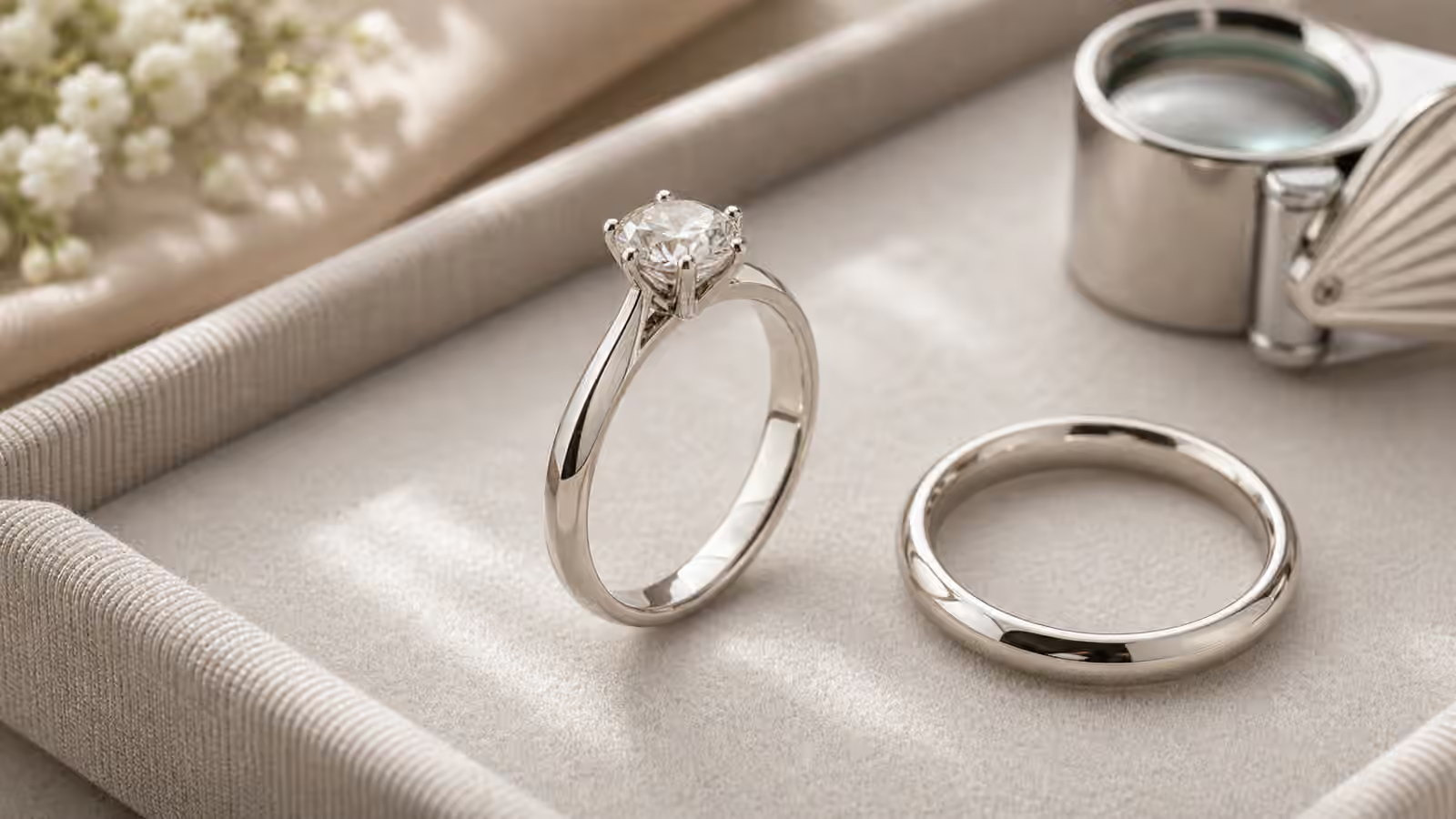
Height is one of the strongest predictors of daily comfort. A low-profile ring keeps the center stone close to the finger, reducing leverage, snagging, and the chance of a hard side impact. A higher setting can show more of the stone and allow a straight wedding band to sit flush, but it also meets the world first. For active hands, that exposure matters.
The low-profile engagement rings guide goes deeper into this tradeoff, but the practical test is simple. Look at the ring from the side and imagine the wearer’s normal day. Does the center stone stand high above the band? Are there sharp prong tips or decorative details that could catch? Does the gallery create crevices that will collect lotion, soap, or garden grit? Can the wearer close the hand comfortably?
Medium-height settings often deserve more attention than extremes. A ring does not have to be flat to be wearable. A well-built basket with secure prongs, protected edges, and sensible clearance can feel comfortable while still giving the diamond light and presence. The danger is usually not height alone, but height combined with a large stone, thin shank, delicate prongs, and a wearer who expects to forget the ring is there.
Protection Is a Design Choice
Bezel settings are popular for active wear because metal surrounds the stone’s edge. A full bezel can smooth the ring’s outline, protect the girdle, and reduce snagging. It can also make the center stone feel more integrated with the band rather than perched above it. For a person who wants fewer interruptions during the day, that can be more valuable than an extra flash of exposed diamond.
Bezels have tradeoffs. They can make a ring look more modern, heavier, or quieter depending on the design. They may cover a little more of the stone’s edge. They can also make cleaning underneath the stone more important, especially if the setting is low. The bezel engagement rings guide explains how to judge those compromises without assuming bezel automatically means bulky.
Prong settings can still work for active hands when they are built thoughtfully. Six prongs can protect a round diamond more evenly than four, though they change the look. V-prongs can protect points on pear, marquise, and princess cuts. Double prongs can add security and style when proportioned well. What matters is not the number of prongs in isolation. It is whether they protect the exact stone shape, sit smoothly, and are inspected regularly. The engagement ring prongs guide is the right companion when a prong setting remains the favorite.
Choose Stones With Edges and Toughness in Mind
Diamonds are hard, but hardness is not the same as invulnerability. Sharp points, exposed corners, and thin edges can still chip under the wrong impact. Pears, marquises, princess cuts, and other pointed shapes need thoughtful protection. Emerald cuts and Asschers have corners that should not be treated casually. Ovals, rounds, cushions, and radiants often feel more forgiving, though they still need secure settings.
Colored gemstones require even more care because durability varies. Sapphire and ruby are common engagement ring choices because they are comparatively durable. Emeralds, opals, pearls, and many softer or more included stones can be beautiful, but they may need protective settings and more careful wear. If a colored center stone is part of the plan, read colored gemstone durability before falling in love with color alone.
For active hands, stone choice should include cleaning reality. A diamond with excellent light return can look dull if lotion and soap build up beneath it. A heavily included or treated gemstone may have care limits. A dark stone in a closed setting may need more light and cleaning access to stay lively. The strongest choice is the one whose beauty survives normal maintenance, not only perfect counter lighting.
Metal and Shank Width Carry the Ring
The band does a quiet amount of work. Very thin shanks can look delicate and elegant, but they may bend more easily, especially under a large center stone or a setting with many accent diamonds. For active hands, a slightly sturdier shank can make the whole ring feel more stable. That does not mean the band must be wide or heavy. It means the metal should match the load it is carrying.
Platinum, gold alloys, and other metals age differently. Platinum develops patina and tends to displace rather than lose metal in the same way gold can. Gold offers warmth, variety, and strong everyday performance when chosen in a practical alloy. White gold brings rhodium maintenance. Rose gold can be durable because of its copper content, though it has its own color identity. The ring metals guide helps connect those material differences to daily wear.
Width also affects comfort. A band that is too thin can rotate under a heavy head. A band that is too wide may feel tight or intrusive between fingers. A ring for active hands should be tried through motion, not only admired on a tray. Close the hand, grip a phone, slip on a sleeve, and notice whether the ring feels like jewelry or like equipment. The best ring will still be noticed for its beauty, but it should not demand attention every time the hand moves.
Accent Stones Need an Honest Maintenance Plan
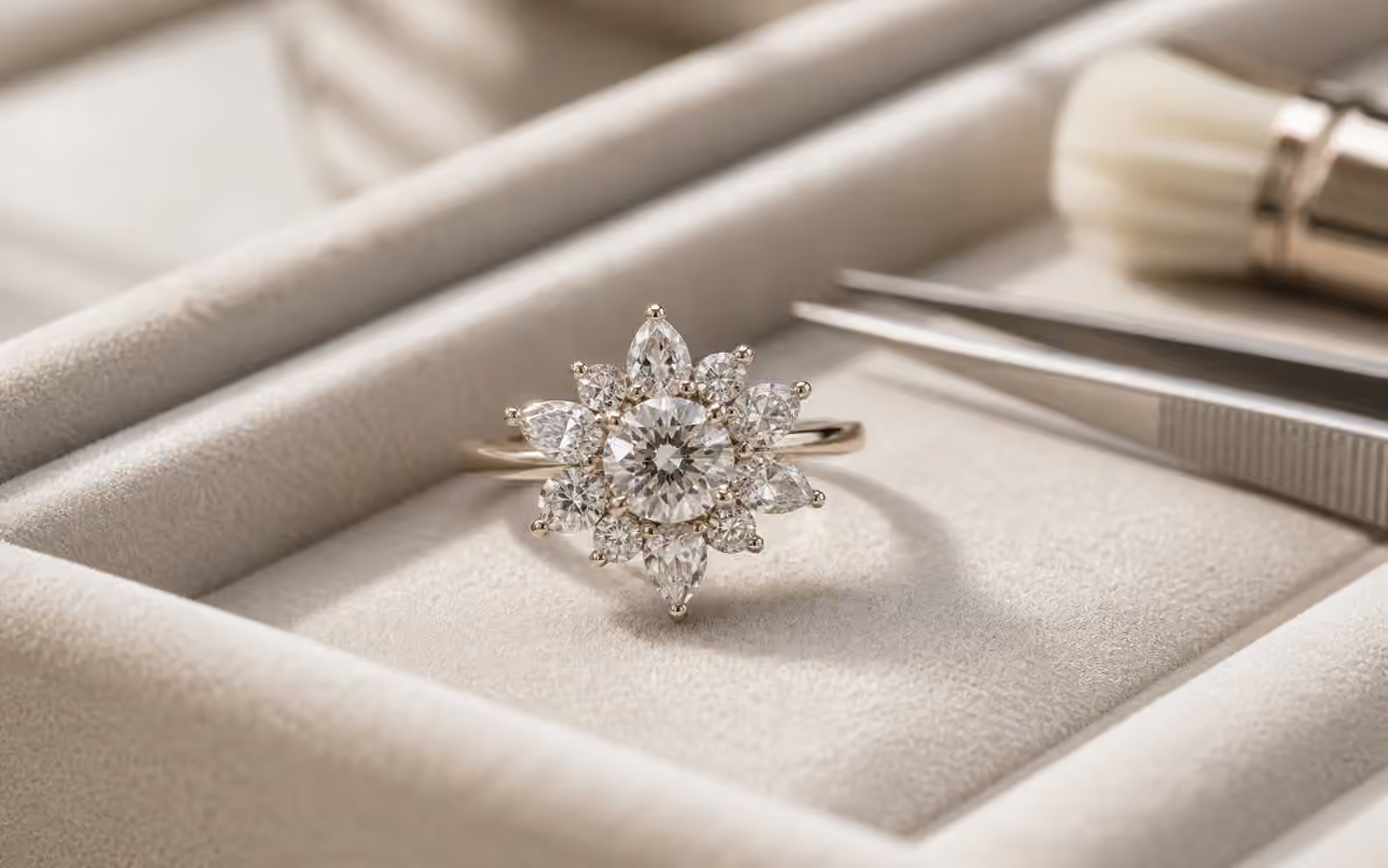
Small diamonds along a shank, a halo, or a hidden gallery can be beautiful, but they add more setting points. Each tiny stone is held by tiny metal. That metal can wear, catch, or loosen. For active hands, this does not automatically rule out pave or halos. It simply means the wearer should want the maintenance that comes with the look.
A ring with accent stones may need more frequent inspections. It may need gentler cleaning than a plain solitaire, depending on construction. It may be less forgiving if worn during hard activity. If the wearer loves detailed sparkle and is willing to bring the ring in regularly, a delicate design can be worth it. If the wearer wants to wear the ring through rough routines and rarely think about it, a cleaner setting may be kinder.
Hidden halos deserve special attention because they can seem like a harmless private detail. They sit on the side of the ring, often around the basket, where they add sparkle from certain angles. They can also collect residue, complicate wedding band fit, and add small stones in a high-contact area. The side stones and accent diamonds guide explains those tradeoffs clearly.
The Ring and the Routine Should Fit Each Other
No design removes the need for habits. An active wearer should have safe places to put the ring when it comes off. A ring dish near the bed or sink is better than improvising with counters and pockets. The ring should come off for heavy lifting, impact sports, harsh cleaning chemicals, swimming, and tasks where gloves create pressure or loss risk. That advice is not a failure of the ring. It is respect for a small, valuable object.
Cleaning should be ordinary and gentle. Warm water, mild soap, and a soft brush solve more problems than dramatic hacks. Professional inspections catch wear before it becomes a lost stone. Insurance protects against events that maintenance cannot prevent. The ring care guide covers the everyday side, while ring insurance handles the financial backstop.
The right engagement ring for active hands is not the toughest-looking ring. It is the ring whose construction, materials, and care routine make sense together. It may be a low bezel solitaire in platinum. It may be a six-prong round on a sturdy gold shank. It may be a sapphire in a protective setting. It may even be a detailed ring worn with discipline and checked often. What matters is honesty. When the ring is chosen for the life it will actually enter, beauty does not have to be fragile, and practicality does not have to feel like compromise.