
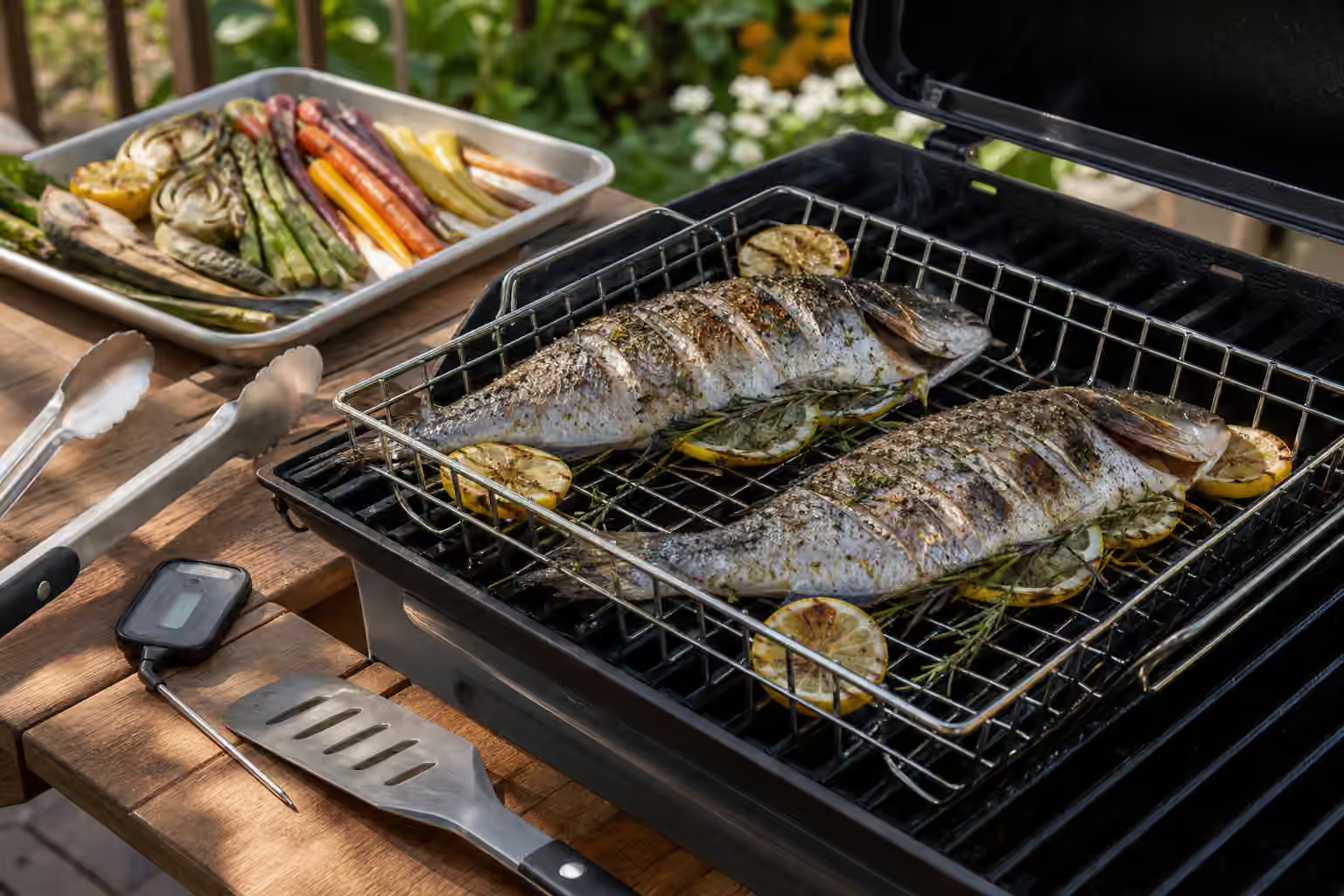
Whole fish looks more difficult than fillets because it arrives with shape, bones, skin, cavity, fins, and a sense of ceremony. On the grill, that structure can actually help. Skin protects the flesh. Bones slow the cook and keep the fish from drying as quickly. The cavity holds aromatics without burying the surface. A whole fish also gives the cook clearer visual cues than a thin fillet that tears the moment it sticks. The challenge is not complexity. The challenge is handling the fish gently enough that the grill does not turn dinner into fragments.
Why whole fish behaves differently
The broader guide to Fish and Seafood on the Grill covers fillets, shrimp, scallops, and shellfish. Whole fish deserves its own rhythm because it is not only a delicate surface. It is a small roast. Heat moves through skin, flesh, bones, and cavity. The thickest part near the backbone needs enough time, while the thinner belly and tail can overcook if placed over aggressive direct heat for too long.
A whole fish also changes serving. Instead of every piece being portioned before cooking, the fish is brought to the table or serving tray and lifted from the bones. That can feel intimidating, but it is often easier than trying to flip several fragile fillets. The cook needs a wide spatula, a clean landing tray, and enough confidence to leave the fish alone while the skin releases.
Size matters more than drama
For home grilling, moderate fish are easier than very large ones. A fish that fits comfortably in a basket or on the grate, with space to turn and room away from the hottest flame, gives the cook options. The species matters, but thickness and freshness matter more to the grill workflow. Firm-fleshed fish tolerate handling better. Very delicate fish may need a basket, plank, foil support, or a gentler cooker setup.
Ask for the fish to be cleaned and scaled if you are not doing that work yourself. Check that the cavity is clean, the smell is fresh and mild, and the fish can stay cold until it is time to cook. Those are not fancy details. They are the foundation for seafood that tastes clean rather than tired. Keep the fish chilled while the grill preheats, and bring it out when the grate, tools, and landing tray are ready.
Scoring, oil, salt, and aromatics
Scoring the skin with shallow diagonal cuts helps seasoning reach the surface and gives the skin room to tighten without tearing wildly. The cuts should not slash all the way to the bone. Think of them as vents for seasoning and heat, not as a butchering project. Pat the fish dry, oil the skin lightly, salt it with restraint, and season the cavity without packing it full.
Lemon slices, herbs, scallions, fennel fronds, garlic, ginger, or chile can sit inside the cavity, but more is not always better. Overstuffing insulates the fish and can make it cook unevenly. Strong wet fillings can steam the interior while the exterior struggles to brown. A modest amount of aroma supports the fish without turning it into a pouch.
If using a rub, keep sugar low or absent. Whole fish often needs enough time for the flesh to cook near the bone, and sugary surfaces can scorch before the center is ready. The guide to Seasoning, Salt, Rubs, and Marinades is helpful here because fish rewards clean seasoning more than heavy coverage.
Choose a grate plan before lighting
A clean, preheated grate is important, but whole fish gives you several ways to reduce sticking risk. A hinged fish basket makes turning easier and keeps the fish supported. A well-oiled grill tray can help if the fish is small or delicate. A plank can add aromatic smoke and support, though it changes the cooking style. Foil can work when the fish is especially fragile, but it gives less direct grill character. Grill Baskets, Foil Packets, and Planks explains those supports as tools, not shortcuts.
If cooking directly on the grate, oil the fish rather than flooding the grate. Preheat long enough that the metal is ready. Place the fish at a slight diagonal if that makes lifting easier. Then leave it alone. Many fish disasters happen because the cook tries to move the fish before the skin has browned enough to release. A fish that is stuck after one minute may release after several more. Force is rarely the answer.
Heat should be confident, not violent
Whole fish usually benefits from medium to medium-high heat with a cooler escape area. Too little heat can make the skin cling and the fish steam. Too much heat can char the outside before the flesh near the bone is done. Direct vs. Indirect Heat is the core idea: use direct heat for browning, but keep indirect space available so the fish can finish without scorching.
Lid position depends on size and cooker. A small fish may cook mostly over direct heat with careful turning. A thicker fish may need the lid closed for part of the cook so heat surrounds it. Smoke should be restrained. Strong wood can overwhelm mild fish quickly, and dirty smoke can cling to the skin. If using wood, use a small amount and keep airflow clean.
Turning is a support problem
Turn whole fish with a wide spatula, tongs used gently, or the basket itself. Do not pinch the fish as if it were a sausage. Support as much of the body as possible. If the skin resists, wait. If one area sticks, loosen around it rather than tearing upward. A second thin spatula can help guide the turn if the fish is large.
Only turn as much as needed. Repeated flipping increases the chances of tearing. The first side should have enough time to set and brown. The second side often needs slightly less time because the fish is already warm. If the tail or belly browns too quickly, move that part away from the strongest heat rather than trying to shield it with panic.
Doneness, rest, and serving
Visual cues help, but thermometer habits matter. The thickest part near the backbone tells the truth better than the tail. Flesh should turn opaque and lift from the bones, but official seafood safety guidance and thermometer use should guide doneness. Grill Thermometers and Doneness is especially useful because fish can move from tender to dry quickly.
Rest the fish briefly on a clean tray. It does not need a long steak-style rest, but a short pause helps juices settle and makes serving less frantic. Use a spoon or spatula to lift the top fillet from the bones, then remove the backbone if serving the second side. Keep bones visible and communicate plainly if guests are not used to whole fish. Serving whole fish is generous, but it should not be a surprise obstacle.
Build the plate around brightness
Whole grilled fish likes simple finishes. Lemon, herbs, olive oil, charred scallions, grilled tomatoes, cucumber, yogurt sauce, salsa verde, or a light chile oil can all work if they do not bury the fish. The charred salsa guide, Charred Salsas, Relishes, and Fresh Finishes , is a natural companion because whole fish often needs freshness more than heaviness.
Vegetables can cook beside the fish if the grill has space, but choose items that do not demand constant flipping at the same moment the fish needs attention. Zucchini, peppers, scallions, asparagus, small potatoes cooked ahead and finished on the grate, or grilled bread can support the meal without crowding the main act.
Whole fish on the grill becomes approachable when the cook stops treating it as fragile theater. Keep it cold, dry the skin, score lightly, season with restraint, use the right support, build a two-zone fire, turn gently, and serve with brightness. The fish already brings shape and flavor. The grill’s job is to add heat, smoke, and color without breaking what made the fish worth cooking whole.


