Small-space grilling is not simply normal grilling with a smaller cooker. The consequences are closer. Smoke reaches neighbors faster. Grease has fewer places to go. A hot lid may sit near a wall, railing, plant, chair, or doorway. Prep space disappears just when raw and cooked food need separation. A compact grill can still produce excellent food, but only when the cook treats space as a real ingredient instead of a background detail.
The first question is permission and fit
Before thinking about burgers or vegetables, ask whether the cooker belongs in that space at all. Some buildings and communities restrict open flames, charcoal, propane, or certain grill sizes. Some balconies are too enclosed for any kind of combustion appliance. Some compact patios have overhangs, screens, dry fencing, or furniture that make heat and smoke harder to manage. This guide cannot replace local rules or manufacturer instructions, so the practical rule is conservative: if the location or fuel type is not clearly allowed and suitable, choose a different cooking plan.
That boundary may sound frustrating, but it prevents the most common small-space mistake. People begin with the food they want and then try to force a cooker into a space that cannot support it. A better path begins with the space. Is it open to outdoor air? Is there enough clearance around and above the cooker? Is the floor heat-safe? Is there a stable stand? Where will the hot lid go? Where will the raw tray sit? Where will finished food land? If those answers are awkward while the grill is cold, they will be worse when the grill is hot.
Choose the cooker by the space, not the fantasy
A large charcoal kettle, gas cart, ceramic cooker, or offset smoker may be wonderful in a yard and wrong for a small patio. A compact electric grill, small gas grill, tabletop griddle designed for outdoor use, or portable charcoal cooker may fit better, but each has limits. Electric grills need appropriate outdoor-rated power and do not behave like charcoal. Small gas grills can develop hot spots and may have limited indirect space. Small charcoal cookers can produce more smoke than the space can comfortably handle. Compact griddles are useful for small foods but require careful grease management.
The guide to Grill Types Explained compares cooker styles broadly. In a small space, the ranking changes. Flavor is not the only measure. Storage, cool-down time, ash handling, fuel storage, smoke, clearance, and cleaning all matter. A cooker that fits the rule environment and leaves room for clean workflow is better than an impressive grill that turns every meal into a negotiation with the space.
Build a tiny station before lighting
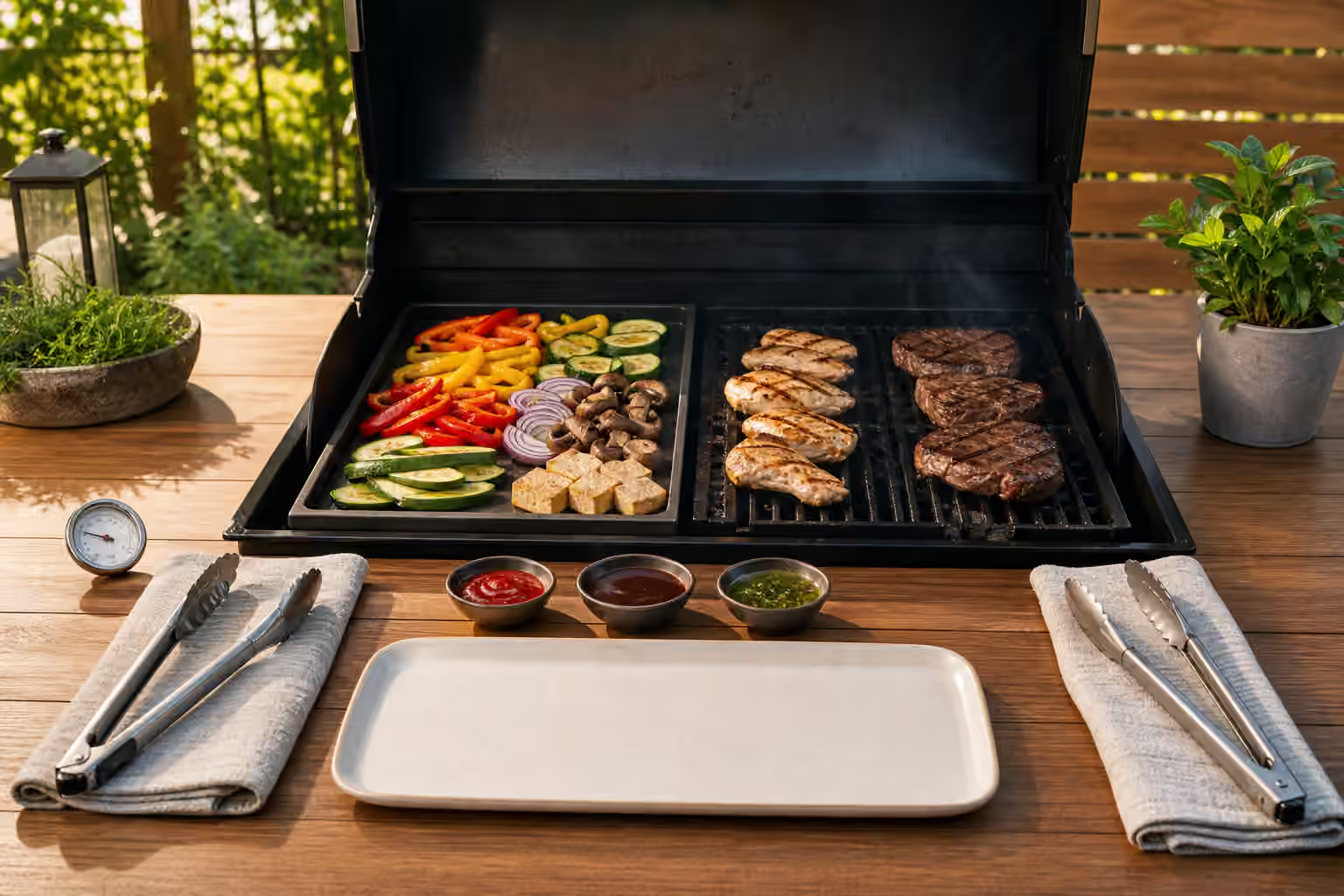
Small spaces punish wandering. If the thermometer is inside, the clean platter is behind a chair, and the raw tray is balanced on the only table, the cook will start improvising with hot tools. Set the station before preheating. Keep raw food on one tray. Keep a clean cooked-food tray separate and reachable. Put the thermometer where it can be used without stepping away from the grill. Keep towels, a scraper, and tongs close, but not so close that they touch heat or raw juices.
Build a Beginner Grill Station scales down well because it is about jobs rather than square footage. The jobs are still the same: raw prep, cooking, clean landing, trash, tools, and cleanup. The difference is that each item needs a deliberate place. A small folding table may be enough if it is stable and heat-safe for its job. A tray carried from the kitchen can serve as a moving prep surface. A sheet pan can be the clean landing zone. What does not work is treating the railing, chair arm, or ground as emergency counter space.
Cook food that respects the footprint
Compact grills do best with menus that fit their heat map. Thin chops, small batches of burgers, sausages finished gently, skewers cut evenly, vegetables in a basket, tofu slabs, fish on a plank or foil, and flatbreads can all work. Very large roasts, long smoke sessions, many different proteins, and heavily sauced foods may overwhelm the grill or the cook. If the grill cannot hold a reliable indirect zone, choose foods that do not require one for a long time.
Batch cooking is not failure. It is often the right rhythm. Cook a few burgers, move them to a clean platter, then toast buns. Grill vegetables first and serve them warm or room temperature while the main food cooks. Use Resting, Holding, and Serving to decide what can wait without losing quality. The small-space cook should not chase the visual abundance of a large backyard spread. A tighter menu served well is easier and usually tastes better.
Smoke and grease travel farther than you think
Smoke that feels modest to the cook can drift into a neighbor’s window. Grease that spatters harmlessly in a yard can stain a small patio. A flare-up that would be annoying in open space can feel serious near furniture or walls. This does not mean small-space grilling must be timid. It means the cook should avoid preventable smoke and grease.
Keep the grill clean. Trim excessive loose fat when appropriate. Do not overload the grate with dripping food. Use a drip tray or grease system exactly as the cooker requires. Avoid heavy wood smoke in places where it cannot disperse comfortably. The flavor discipline from Smoke Flavor Without Bitterness becomes a courtesy discipline in compact areas. Clean smoke in the right amount is better for food and for the people nearby.
Sauce timing matters as well. Sugary glazes over hard heat can smoke, burn, and create sticky cleanup. Apply sauces late or at the table when the space cannot absorb much smoke. The same advice appears in BBQ Sauces, Glazes, and When to Apply Them , but small spaces make the penalty faster.
Shared spaces need shared rhythm
Courtyards, roof decks, and shared patios add another layer. The cook may be sharing air, tables, trash bins, and traffic paths. Bring fewer loose items. Keep raw food covered and away from common surfaces. Use a clean tray for finished food rather than setting plates wherever there is room. Pack leftover containers before the meal becomes scattered. Leave the area cleaner than it was, especially around grease and ash.
The Grill Food Safety Workflow is valuable in shared spaces because it gives the cook a visible raw-to-cooked path. Guests and neighbors do not need to understand the whole plan, but they benefit when raw trays, clean platters, serving utensils, and trash are not mixed together on a crowded table.
Cool-down and storage are part of the cook
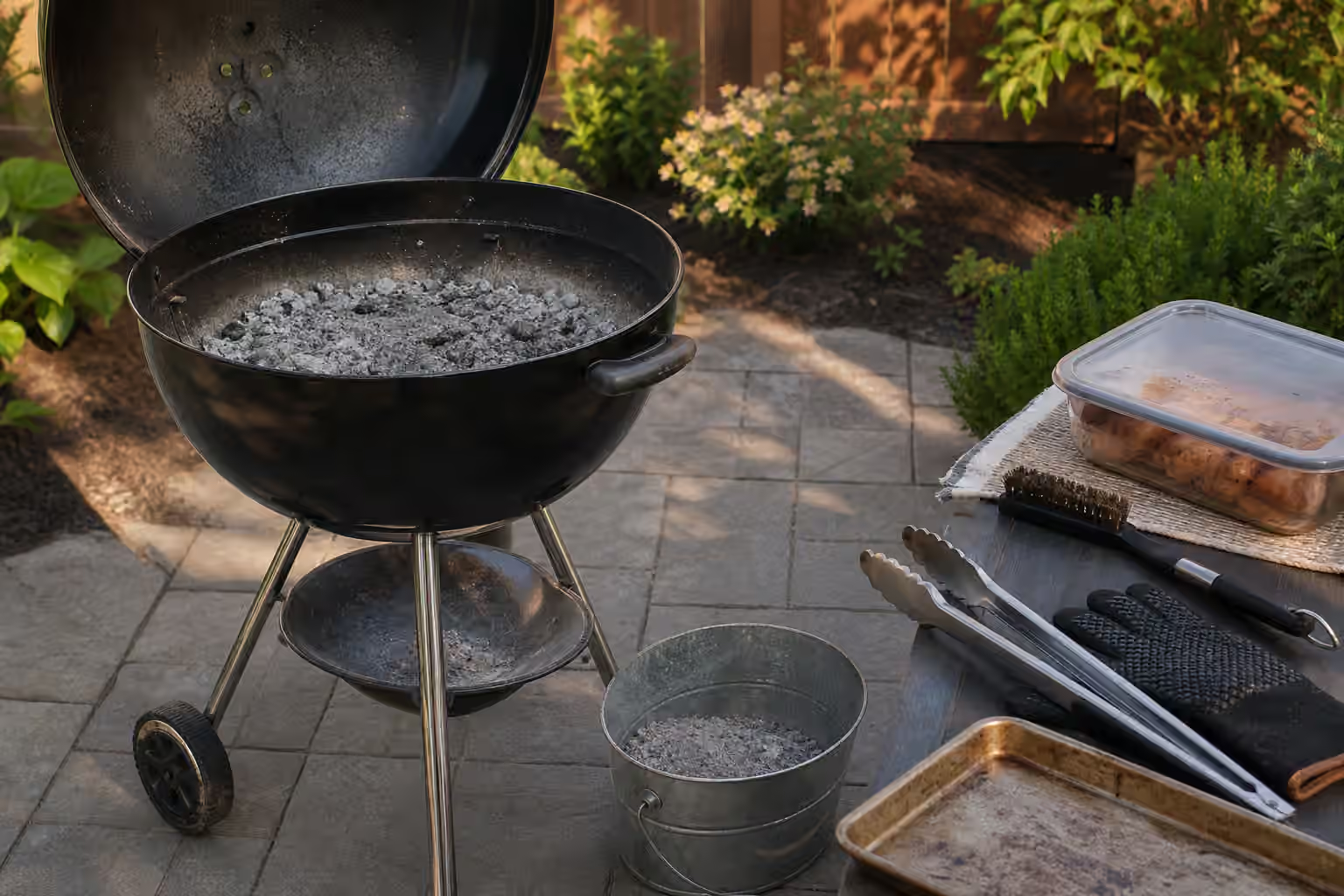
A small-space cook is not finished when the food comes off. The hot cooker may need time before it can be covered, moved, or stored. Ash may need to cool completely before disposal according to safe guidance. Grease trays may need careful handling. Tools need a place to land without making the kitchen sink the first raw-and-grease traffic jam of the evening.
Plan the ending before lighting. Know where the hot lid rests. Know how the cooker cools. Know where fuel is stored, if fuel storage is permitted. Know how the floor or table will be protected from grease. A compact setup can be elegant when the cook respects its limits. The reward is not a miniature version of a backyard party. It is a controlled outdoor kitchen that fits the life around it.