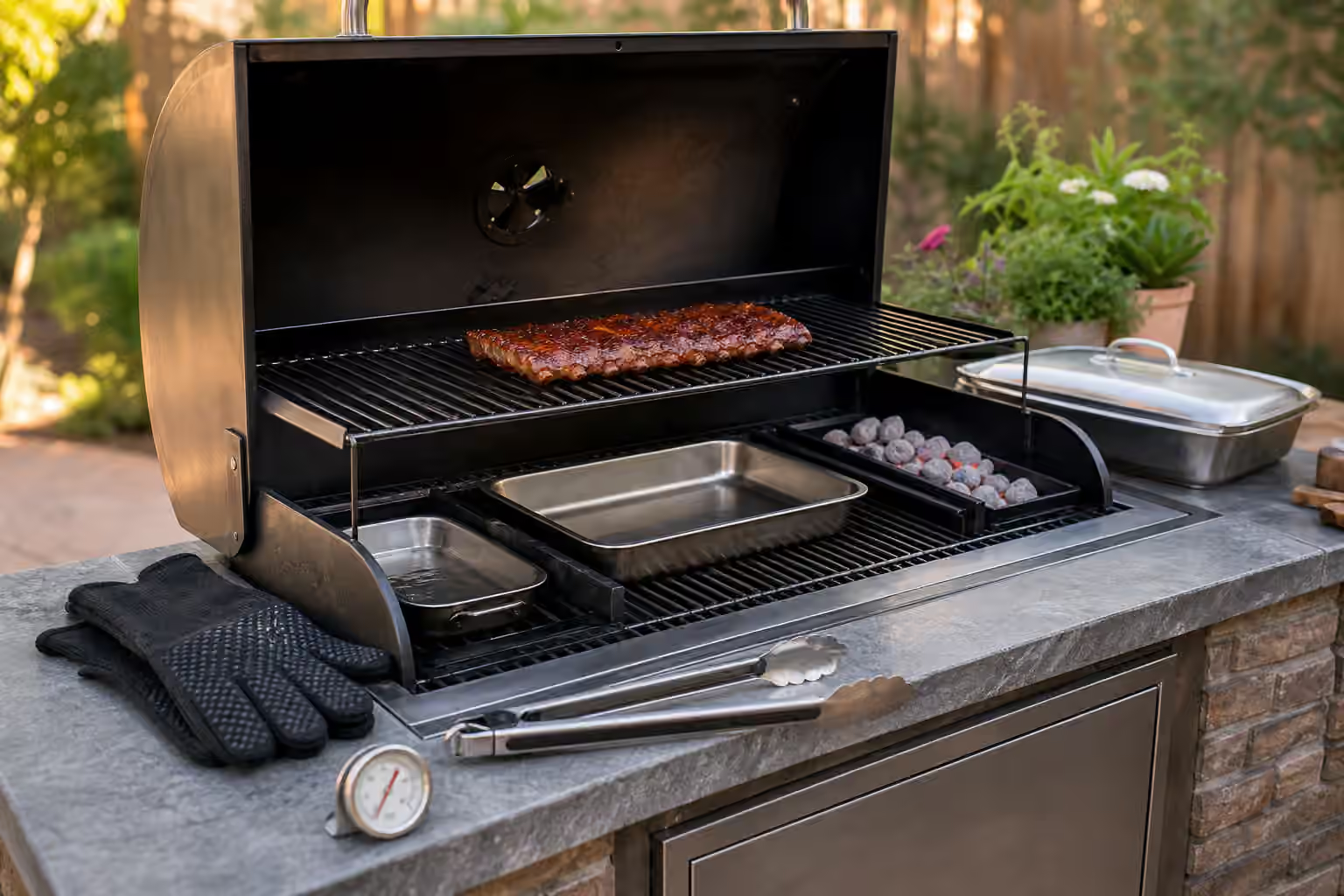
The cook is not finished when the food comes off the grill. A surprising number of otherwise excellent meals are quietly ruined in the last ten minutes, when a beautifully grilled steak gets sliced the instant it leaves the fire and bleeds its juices all over the board, or a platter of burgers sits in the sun while everyone finds a seat, or a brisket that took twelve patient hours gets carved into a dry pile because the cook was too proud to wait. The stretch between the grate and the plate has its own set of skills, and they are the difference between food that tastes as good as it looked and food that falls just short. Three ideas govern this window, and it helps to keep them clearly separate: resting, holding, and serving are related but they are not the same thing.

Resting is a short, deliberate pause
Resting is the brief interval after cooking that lets a piece of meat settle before you cut into it. During the cook, heat drives moisture and muscle fibers into a tense, agitated state; slice immediately and that moisture runs out onto the board instead of staying in the meat. Give it a few minutes and the fibers relax, the juices redistribute, and the same steak that would have puddled now stays succulent on the plate. Resting is measured in minutes for a steak or chop, a little longer for a roast, and it is not idle waiting; it is an active part of getting the texture right.
Different foods ask for different rests. A steak wants a short pause before you slice it across the grain, which keeps each bite tender. Chicken pieces benefit from a little time for the juices to settle, though they should not sit around unattended in the danger zone. Ribs relax nicely after smoking or wrapping, and a brief rest also takes the surface down from scorching to handleable. Brisket is the one that most rewards patience, because slicing a long cook too early is the fastest way to make hours of work taste dry and rushed; a proper rest is part of the plan the brisket without panic guide builds around.
Holding is a longer strategy, and it has rules
Holding is a different problem from resting, even though people often blur the two. Resting is a short pause you want; holding is what you do when the food finishes before the guests are ready and you need to keep it in good condition, sometimes for a while. A steak rest may be five minutes. A well-managed brisket hold can stretch for hours in an insulated container. What makes holding genuinely different is that time is now working against food safety, not just texture, so it demands active thinking rather than hope.
The governing principle is simple to state: keep hot food hot, or move it toward chilling promptly, and do not let it drift for long in the lukewarm middle. FoodSafety.gov frames the core habits as clean, separate, cook, and chill, and an outdoor gathering makes every one of those harder, because people graze, plates travel, serving spoons wander, and the weather shifts. A tray of burgers left casually in the sun is neither a good rest nor a safe hold; it is just food cooling into the danger zone. Hold hot food in an insulated cooler or a warm, covered vessel, hold cold food over ice, and use shallow containers so leftovers chill quickly when service ends. Hot weather tightens this window considerably, which is why it connects so closely to the outdoor cooking weather guide .
Serving rhythm starts before the food is done
The smoothest cookouts are the ones where the serving setup was ready before the food came off the grill. If you wait until the meat is resting to hunt for platters, buns, and serving spoons, the food is cooling and the rest is quietly turning into an unplanned hold. Get ahead of it: while the food finishes, stage clean platters, warm them if the dish benefits, and set the buns, sauces, and sides where guests can flow past without crowding the cook or the fire. That staging is really part of the larger hosting choreography the cookout planning guide lays out.
Two habits keep the serving window both good and safe. Slice only what you are ready to serve, rather than carving a whole brisket up front where it dries in the open air; cut in batches and let the rest stay warm and intact. And keep the raw-food tools and trays completely away from the finished-food area, because the single most common way to undo a careful cook is to set cooked food down on the platter that carried it out raw. If a large cut finishes early, hold it intentionally and correctly instead of slicing it into a drying heap to fill the gap.
The habits that hold it all together
Through resting, holding, and serving, the thermometer and the safety basics stay in charge. Use thermometer-based doneness for meat, poultry, seafood, leftovers, and reheating, and lean on the grill thermometers and doneness guide if that habit is not yet second nature. Keep raw and cooked foods separate, wash hands and tools after raw contact, and move perishables toward chilling rather than leaving them in the outdoor danger zone while everyone talks. A long, intentional rest is not the same as safe room-temperature storage, and confusing the two is where trouble starts. Visual cues can help with quality, but they do not replace official food-safety guidance.
For current official reference, keep FoodSafety.gov’s safe minimum internal temperatures and clean, separate, cook, chill guidance close by. USDA FSIS also maintains a grilling food safely resource that is especially relevant for outdoor cooking, smoking, holding, leftovers, and reheating.
Master this final stretch and the whole cook comes together on the plate exactly as you intended: juicy where it should be juicy, hot where it should be hot, and served at the moment it is ready rather than whenever the crowd happens to gather. Rest with intention, hold with a temperature in mind, serve in clean batches, and chill the leftovers promptly. When you want to plan the timing of an entire event around these habits, the cookout-planning guide is the next step, and the brisket and thermometer guides sharpen the pieces that matter most.