A portable grill does not make outdoor cooking simpler by itself. It makes the equipment smaller, which means every decision has less margin. The grate is closer to the fire. The prep surface may be a picnic table, cooler lid, or cutting board balanced on a bin. Wind matters more. Fuel storage matters more. Raw and cooked food need stricter separation because there is rarely a full backyard station waiting nearby. A good portable setup feels modest because it is designed around limits rather than pretending a tiny cooker can behave like a patio kitchen.
Start with permission and place
The first portable-grill decision is not the menu. It is whether cooking is allowed where you plan to cook. Parks, beaches, campgrounds, apartment courtyards, parking lots, trailheads, and picnic areas can have different rules for charcoal, gas, open flame, ash, disposal, distance from structures, and seasonal fire restrictions. Treat those rules as part of the recipe. If the site does not allow the cooker or fuel, choose a different meal rather than improvising around a restriction.
Once cooking is allowed, choose a stable, outdoor, well-ventilated surface with clearance from dry grass, brush, tents, vehicles, railings, tablecloths, and foot traffic. A portable grill on a wobbly table is not convenient. It is a spill waiting for the worst moment. The small-space habits in Small-Space Grilling carry over here: the cooker needs room to breathe, and people need a path that does not cross the heat.
Pack the station, not just the grill
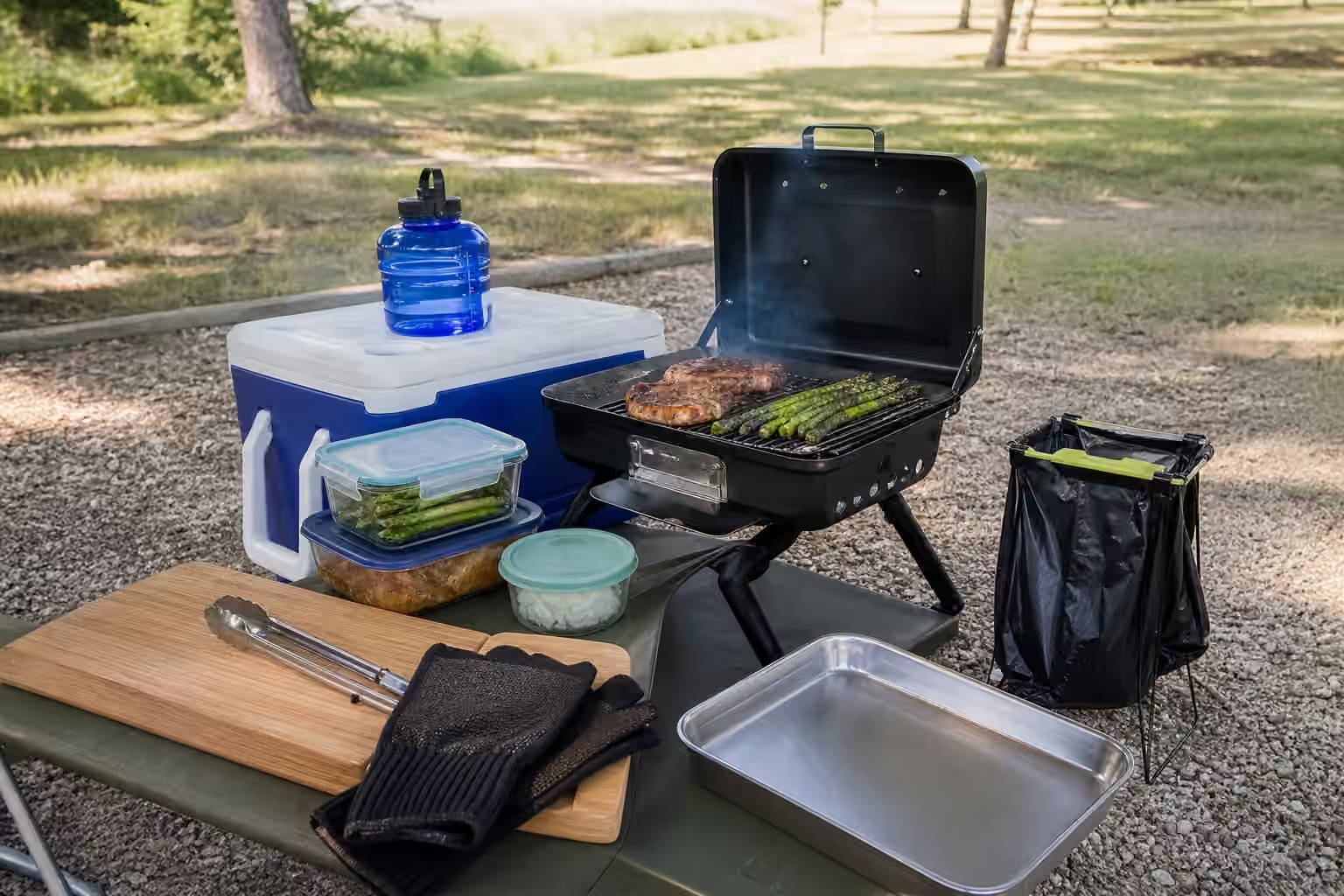
Many portable cooking problems come from forgetting the station around the cooker. The grill arrives, but the clean tray does not. The meat is marinated, but there is no trash bag. The tongs exist, but only one pair touches both raw chicken and cooked vegetables. A portable setup should include the tools that let food move safely from cold storage to the grate to a clean serving surface.
Think in zones. Cold food stays in the cooler until needed. Raw prep happens on a washable board or tray. Cooked food lands on a clean platter that never held raw food. Tools that touch raw food either get cleaned or stay out of cooked service. Hand wipes or water, towels, a thermometer, gloves, fuel, a fire-safe lighter or starter, and a trash plan all matter. Grill Food Safety Workflow is more important away from home because a forgotten tool cannot be pulled from the kitchen drawer.
Make-ahead prep helps, but it should not create a mystery cooler. Label containers in a simple way if several foods look similar. Keep marinades sealed. Do messy trimming and portioning at home when possible. The guide to Make-Ahead Grill Prep fits portable grilling because it reduces the amount of raw handling at the site.
Choose food that fits the grate
Portable grills reward compact, forgiving menus. Thin steaks, sausages, skewers, burgers, sturdy vegetables, pre-cooked potatoes, flatbreads, halloumi, tofu slabs, corn pieces, and simple sandwiches can all work when the grate is small. A huge mixed menu is harder because the cooker has limited zones and recovery heat. If everything needs different timing, the cook spends the meal juggling instead of serving.
Batch cooking is often better than crowding. A small grill loaded edge to edge loses heat, creates flare-ups, and gives food no escape zone. Cook fewer pieces at a time and hold finished food deliberately. Mixed-Menu Grilling on One Grill helps here, but the portable version should be even simpler. Choose one main food, one or two sides that tolerate waiting, and a finish that does not require the grate.
Avoid foods that need long, delicate, or highly controlled cooking unless the cooker is built for it and the site supports the time. A brisket picnic sounds charming until the wind shifts, fuel runs low, and the serving deadline collapses. Portable grilling is strongest when the meal matches the tool.
Fuel limits shape the cook
Small charcoal grills have little room for large coal beds and ash. Small gas grills can have tight hot spots and limited indirect space. Portable pellet or electric units depend on power, pellets, batteries, or other site-specific support. The fuel plan should be conservative. Bring enough approved fuel, but do not build a fire larger than the cooker can handle.
If using charcoal, Charcoal Lighting Without Lighter Fluid still applies. A small chimney, starter cube, or manufacturer-approved method is more controlled than splashing liquid fuel around a picnic site. If using gas, check connections and fuel supply before food leaves the cooler. Gas Grill Heat Control becomes a lesson in restraint because many small gas grills run hot near the burner and cool quickly when the lid opens.
A two-zone setup may still be possible, but it will be narrow. Bank coals to one side if the grill allows it. Use a cooler corner for finished pieces. Keep a clean tray ready so food can leave the heat entirely. The smaller the grill, the more valuable an escape route becomes.
Wind, weather, and people change everything
Wind can make a portable grill race, stall, or throw ash where it does not belong. Cold weather slows preheating and food timing. Heat and sun challenge cooler management. Rain makes surfaces slippery and can tempt people to move the grill under cover where ventilation may be unsafe. Outdoor Cooking Weather Guide is not only for backyard cooks. Away from home, weather is harder to solve.
People are part of the weather too. Children, pets, guests, passing strangers, and campsite neighbors may not understand the cook zone. Put the grill where it does not sit in the social path. Keep handles turned away from traffic. Do not leave hot tools on a blanket or bench. If guests are assembling plates nearby, keep raw prep somewhere else. A portable meal should feel relaxed because the boundaries are clear, not because the cook stopped caring.
Cleanup is part of the packing list
Portable grill cleanup has to be planned before lighting. Ash, grease, foil, bones, skewers, sauce cups, and raw packaging need places to go. Some sites provide metal ash containers. Some require you to pack cooled waste out. Some do not allow charcoal disposal at all. Know the rule before the fire exists.
Let the cooker cool fully before moving it. Close vents or shut off fuel according to the manufacturer. Do not dump warm ash into a plastic bag, dry leaves, or a regular trash bin. Do not pour grease onto the ground. Grill Shutdown, Ash, and Grease Cleanup is the natural ending to a portable meal because the consequences of rushed cleanup travel beyond your own patio.
Wash or contain dirty tools so they do not contaminate the cooler on the ride home. Pack leftovers promptly and keep them cold. If the site lacks water, bring enough for hand cleanup and tool containment. The goal is to leave with the same deliberate separation you used while cooking.
A portable cook should feel smaller
The best portable grill meals are not miniature banquets. They are focused outdoor meals with a clear site, stable cooker, cold food plan, raw and cooked separation, simple menu, controlled fuel, weather awareness, and patient cleanup. That may sound like a lot for a small grill, but most of it happens before the food arrives.
Portable cooking becomes enjoyable when the cook stops trying to recreate the backyard and starts using the strengths of the situation. A few skewers over steady heat, corn finished with lime, sausages in toasted rolls, flatbreads with grilled vegetables, or fish cooked in a basket can be enough. The meal does not need to prove the grill’s capacity. It needs to fit the place.