Pork shoulder rewards patience more than precision theater. It is a forgiving cut because it carries fat, connective tissue, and enough mass to survive a long cook, but that forgiveness does not mean it likes being rushed. Pulled pork becomes good when the surface dries enough to build bark, the interior spends enough time softening, and the finished meat rests long enough that pulling feels easy instead of forced. The cook’s job is to set up a steady path and avoid making dramatic moves every time the thermometer pauses.
Why pork shoulder behaves differently
Pork shoulder is not a lean chop waiting for a quick sear. It is a working muscle with seams of fat and connective tissue that need time. If you treat it like a steak, the outside may look finished while the interior still resists pulling. If you treat it like a slow project, the same cut becomes useful for sandwiches, tacos, rice bowls, beans, potatoes, and next-day meals. The difference is not a secret temperature trick. It is time, heat, moisture management, and rest.
This is why pork shoulder belongs near Smoking for Beginners and BBQ Bark, Smoke Rings, and Texture . Smoke can add flavor, but tenderness comes from the structure of the meat changing over time. Bark can look impressive, but it should not distract from the real test: whether the shoulder has softened enough to pull with gentle pressure. A good bark on tight meat is only halfway to dinner.
Choose a calm heat plan
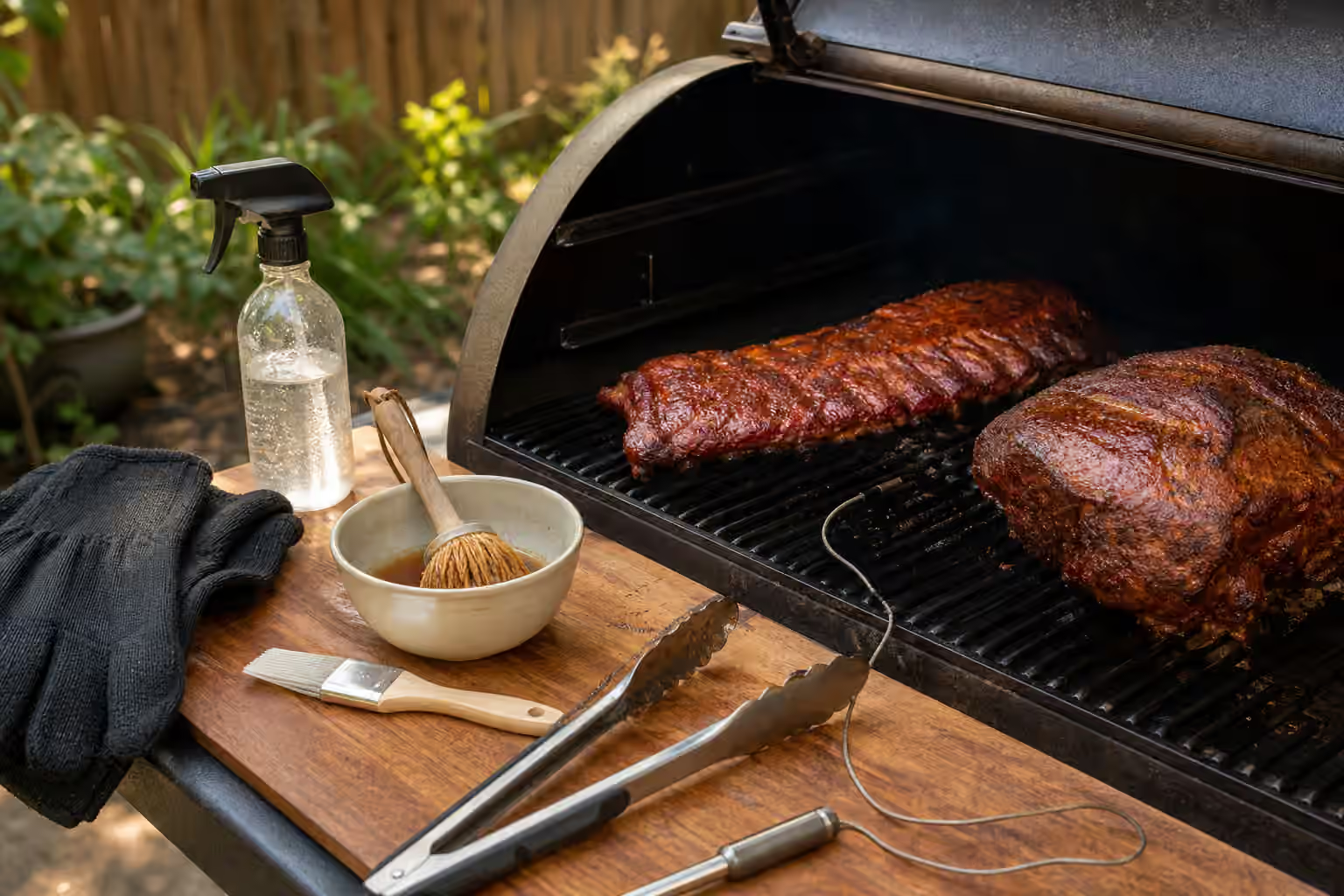
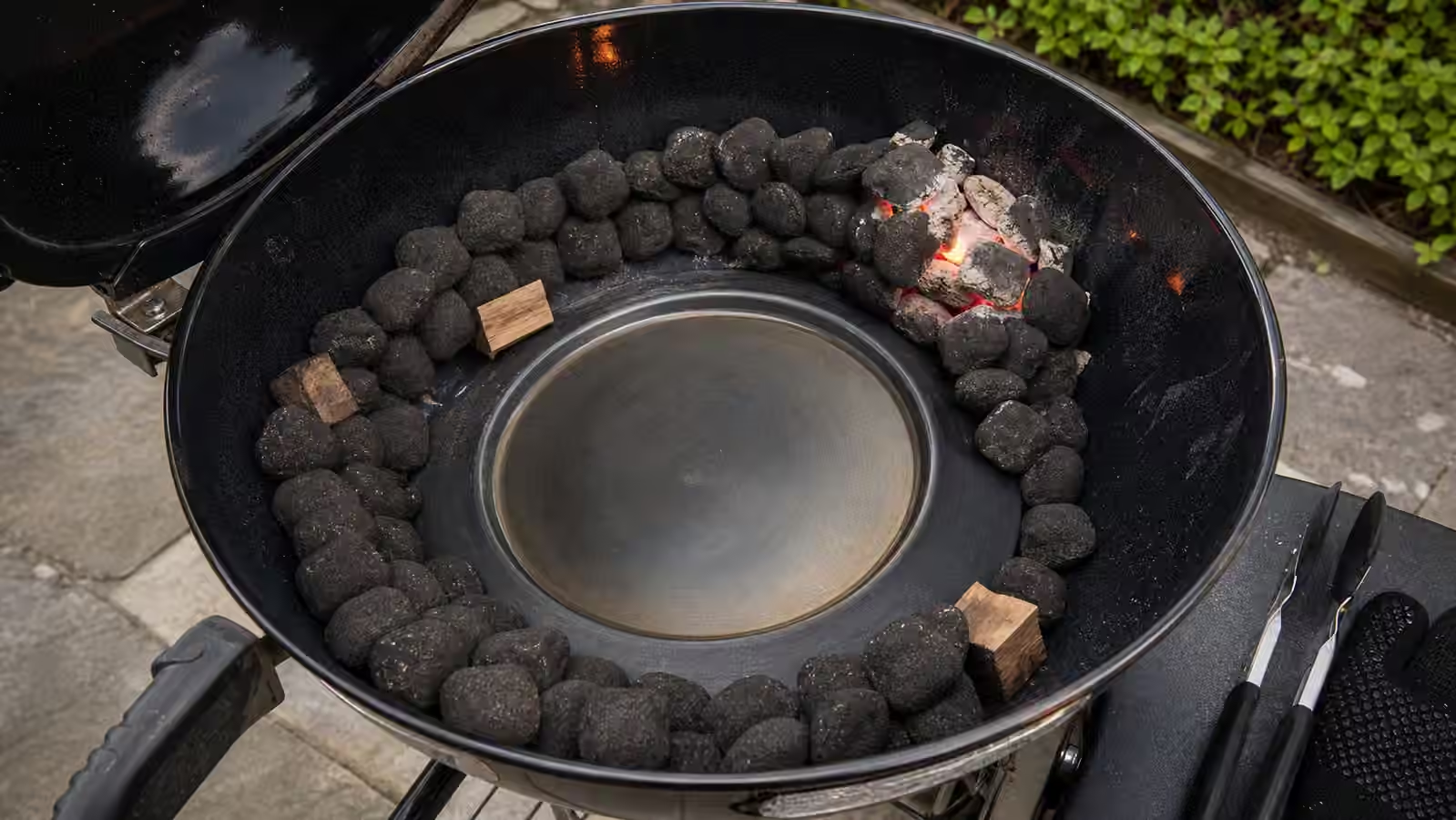
Pork shoulder usually wants indirect heat. The cooker can be a smoker, charcoal kettle, pellet grill, kamado, gas grill arranged for indirect cooking, or another outdoor setup that can hold steady enough heat without direct flame under the meat. The exact cooker matters less than the heat map. Dripping fat should not fall onto fierce flame all afternoon. The meat should sit where hot air and clean smoke can move around it. The lid should stay closed enough that the cook is not rebuilding heat every few minutes.
If you are using charcoal, Kettle Grill Basics and Charcoal BBQ Basics are the natural companions. If you are using a pellet cooker, Pellet Grill Basics helps explain why the machine may behave differently at lower and higher settings. Whatever the cooker, do not build the whole day around a single number on the dome. Surface temperature, grate position, wind, meat size, and opening the lid all affect the cook. A steady range and a thoughtful finish are more useful than chasing perfect stillness.
Season for bark, not mud
A pork shoulder can handle assertive seasoning, but the rub should support bark instead of becoming a wet paste that slides around. Salt matters first. Sugar, paprika, chile, pepper, garlic, mustard powder, herbs, and other aromatics can all fit, but sugary rubs need heat restraint. If the cooker runs too hot or the shoulder sits over direct heat, the sugar can darken before the meat is tender. A thin binder is optional. If it helps the rub adhere, use it lightly. The goal is a seasoned surface, not a coated shell.
Seasoning, Salt, Rubs, and Marinades is useful because pork shoulder sits long enough for salt and surface moisture to matter. Seasoning ahead can help the meat taste seasoned rather than only crusted. Letting the surface dry slightly before cooking can help bark form sooner. Heavy wet marinades are less useful for pulled pork because they can interfere with browning and make the surface steamy. If you want bright flavor, save vinegar sauce, chile oil, slaw, pickles, or herbs for serving.
Smoke should stay clean
Pork shoulder accepts smoke well, which makes it easy to overdo. A few chunks of wood can be enough for a long cook, especially in a charcoal setup. Pellet cookers add smoke as part of their fuel. Kamados hold smoke and moisture tightly. Offset-style cooking asks for a different level of fire management. In every case, the same principle applies: clean smoke tastes better than heavy, dirty smoke. The shoulder should smell like wood and pork, not like a damp fire trying to survive.
The guide to Wood for Smoke can help with wood choice, but restraint matters more than memorizing every species. Strong woods can be useful with pork, but too much can turn the bark bitter. Fruit woods can be gentler, but they still need good airflow. Smoke Flavor Without Bitterness is worth reading before a long pork cook because bitterness often starts with poor combustion, wet fuel, or a cooker that cannot breathe.
The stall is not an emergency
At some point, the pork shoulder may seem to stop climbing in temperature. Moisture evaporates from the surface and cools the meat, and the cook starts to wonder whether something is wrong. This pause is normal enough that planning for it is smarter than fighting it. The cooker may be steady. The meat may be fine. The clock may simply be less important than the shoulder’s actual progress.
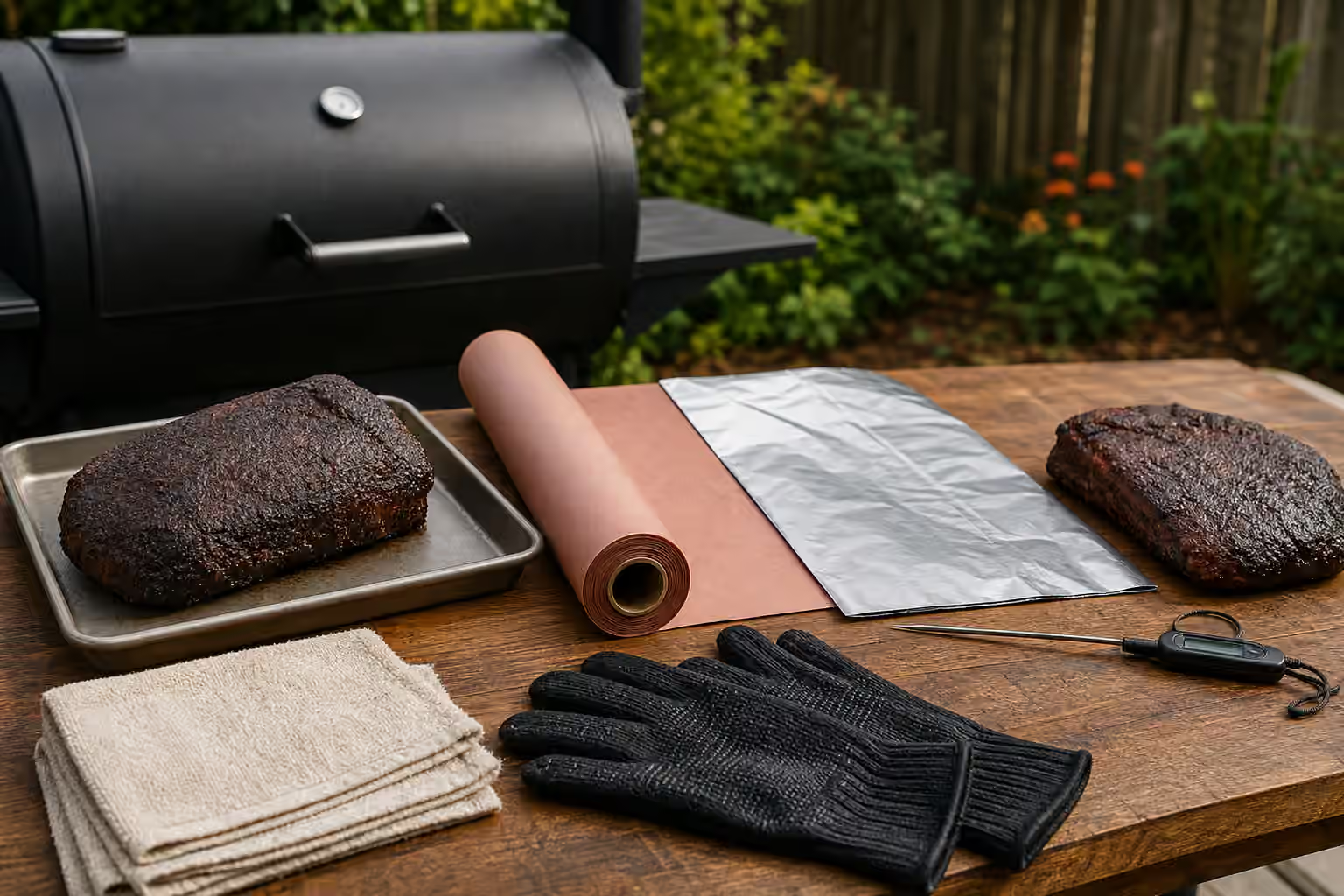
Wrapping is one way to move through the stall and protect moisture, but it changes the bark. Foil traps more steam and can soften the surface. Butcher paper breathes more, though it still changes the cook. Leaving the shoulder unwrapped can build firmer bark, but it may take longer and needs a cooker that stays steady. None of these choices is morally better. Choose based on the meal you want, the time you have, and how much bark texture matters. The same practical thinking appears in Brisket Without Panic , where wrapping is a texture and timing decision, not a magic spell.
Probe tenderness beats clock confidence
Time estimates are useful for planning, but they cannot tell you exactly when a particular shoulder is ready. Size, shape, bone, fat, cooker behavior, weather, and wrapping all matter. A thermometer gives the safety and progress picture, but tenderness is felt. When the shoulder is close, a probe or skewer should slide into several spots with little resistance. The bone, if present, should feel looser. The meat should yield when pressed, not bounce like a roast that needs slicing.
This is where Grill Thermometers and Doneness matters. Check more than one place because pork shoulder is not uniform. A single easy pocket does not mean the whole cut is ready. A single tight seam does not mean the entire cook has failed. Build a picture. If most of the shoulder probes tender and the stubborn areas are small, rest may finish the job. If large sections still resist, more time is usually better than pretending the schedule wins.
Rest before pulling
Resting is not optional cleanup time. It is part of the cook. A pork shoulder pulled immediately from the cooker can steam aggressively, spill juices, and shred unevenly. Resting gives the meat time to settle and become easier to handle. For a short rest, a clean tray and loose cover may be enough. For a longer hold, use a safe holding plan that fits current food-safety guidance. Do not let the shoulder drift through unsafe temperatures because the schedule became awkward.
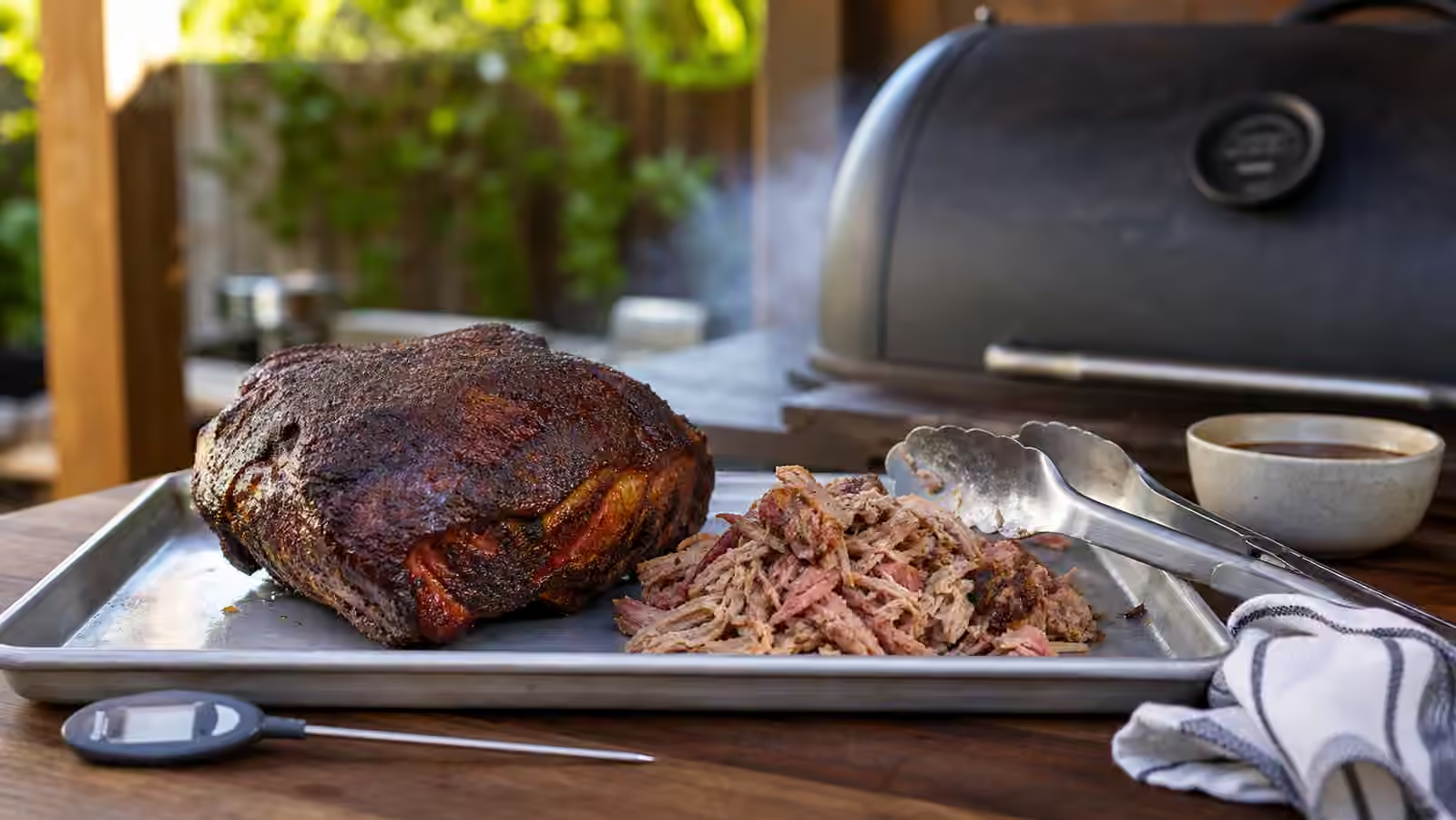
Resting, Holding, and Serving covers the broader rhythm. With pulled pork, the clean landing zone should be ready before the shoulder comes off. Have gloves, tongs, a tray, a bowl for unwanted fat or bone, sauce, buns, slaw, and serving utensils arranged so pulling does not happen in a scramble. Pull into strands that still have texture. If the meat becomes a paste, it was either overworked, held too wet, or cooked past the texture you wanted.
Serve with contrast
Pulled pork is rich, smoky, salty, and soft. It needs contrast. Vinegar sauce, mustard sauce, a modest sweet sauce, pickles, slaw, grilled onions, beans, potatoes, corn, and toasted buns can all help. BBQ Sauces, Glazes, and When to Apply Them is useful because sauce should not erase the pork. Add enough to season and moisten, then let people adjust at the table. A shoulder that needed twelve hours of care should not disappear under a heavy sweet blanket in the last minute.
Leftovers are part of the reason pork shoulder is worth the work. Cool and store them with the same discipline described in Grill Leftovers and Next-Day Meals . Reheat gently with a little moisture, crisp some edges on a plancha, fold into beans, or use with grilled bread and vegetables. The best pulled pork cook leaves you with more than one meal, but only if the end of the cook is handled as carefully as the beginning.
The quiet standard
Good pulled pork does not need panic, constant lid lifting, or heroic last-minute fixes. It needs a steady indirect setup, sensible seasoning, clean smoke, patience through the stall, tenderness checks, a real rest, and serving choices that respect the richness of the meat. Pork shoulder is generous when the cook gives it time. Rush it, and it becomes a heavy roast. Let it finish on its own terms, and it becomes the kind of outdoor food that makes the whole table slow down.