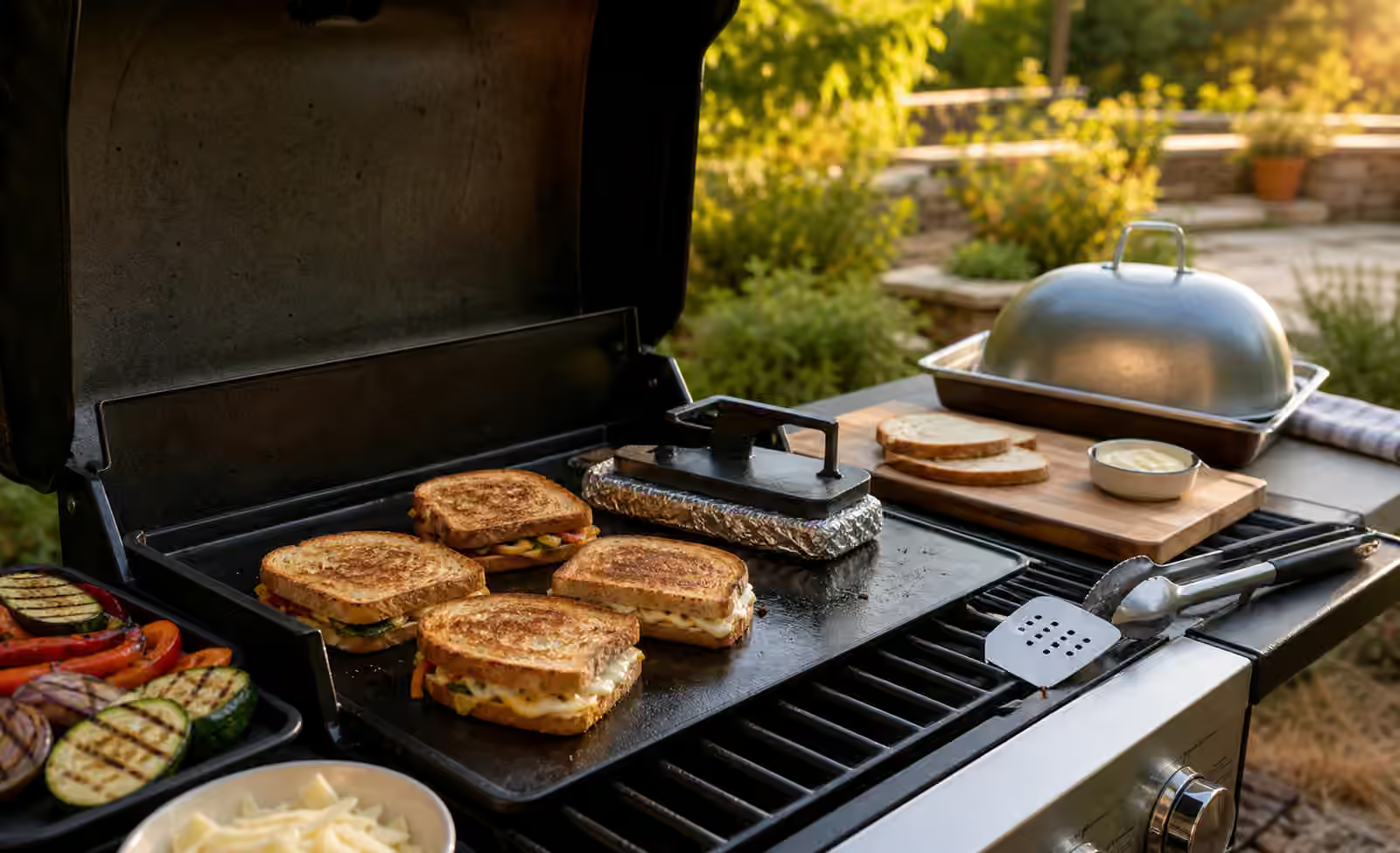
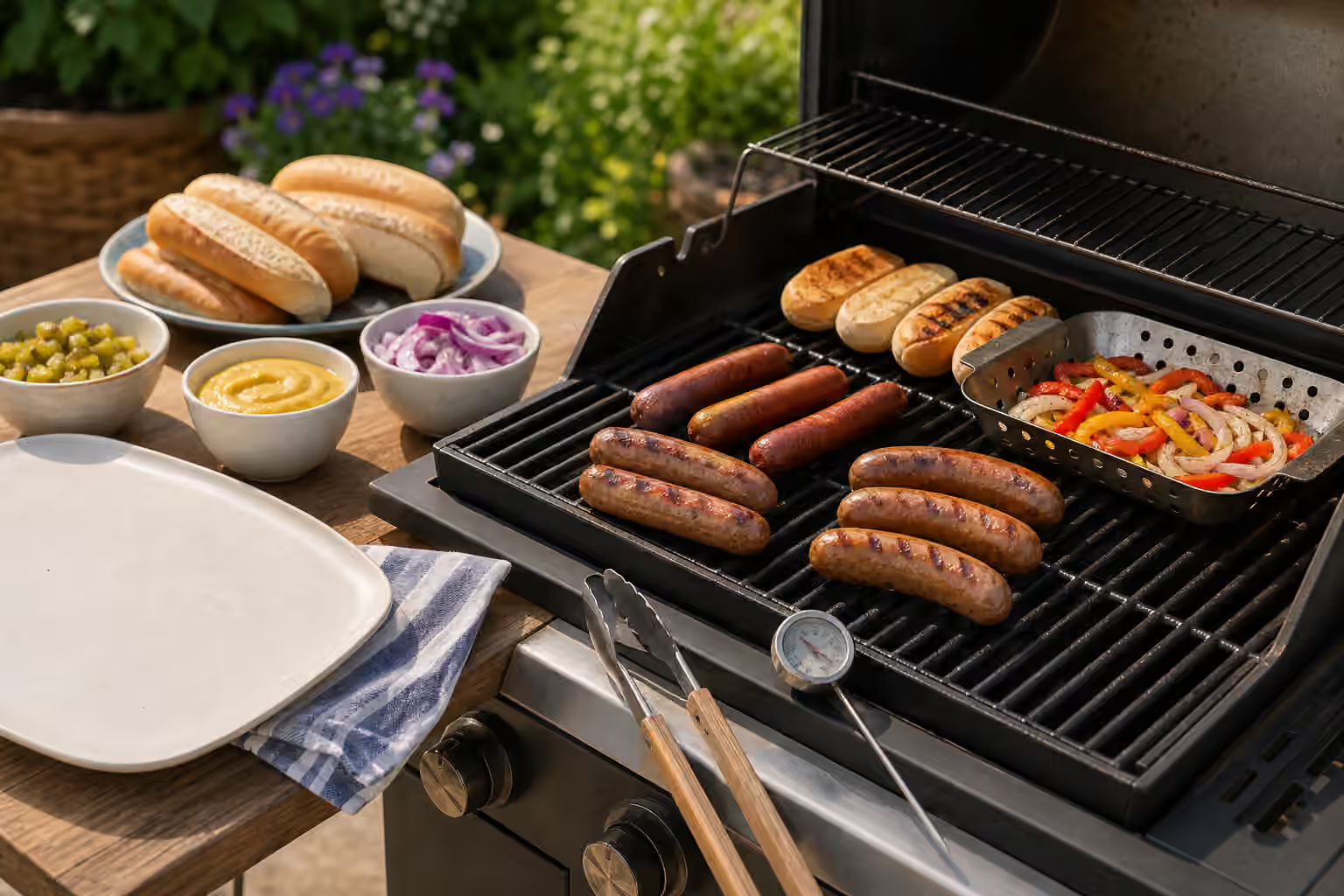
How to grill pork chops, tenderloin, shoulder steaks, and sausages with better browning, thermometer habits, rest, and sauce timing. Pork rewards the same calm habits that make two-zone grilling useful for chicken, burgers, and thicker vegetables: build color where the heat is strongest, then move the food before the surface tells the whole story too early. The goal is not to chase one universal pork method. The goal is to understand why a lean chop, a narrow tenderloin, a fatty shoulder steak, and a sausage link ask different things from the same grill.
Why pork deserves its own plan
Pork sits in a confusing middle ground for many grill cooks. It is often treated like steak when the cut is a chop, like chicken when the cut is lean, like BBQ when the cut is fatty, and like an afterthought when it is sausage. That confusion is the reason pork can swing from excellent to dry so quickly. The grill does not know that all of those foods came from the same animal. It only responds to thickness, fat, moisture, grind, casing, sugar, and time.
The first useful distinction is whole muscle versus ground or emulsified sausage. A pork chop or tenderloin gives you a single piece of meat with a surface, a center, and a rest period. A sausage link is a seasoned mixture inside a casing, and the casing can split if the outside gets ahead of the inside. Ground pork also follows its own safety guidance, so the thermometer habit matters even when the food looks browned. FoodSafety.gov keeps a current safe minimum internal temperature chart , and pork is a good example of why the chart is more useful than folklore.
Chops need thickness and restraint
Pork chops are easiest when they are thick enough to give the cook a little room. Very thin chops can still taste good, but they are a fast direct-heat cook, closer to browning a cutlet than managing a steak. Thicker chops behave better with a hot side and a gentler side. Start by drying the surface, seasoning with enough salt to reach beyond the crust, and letting the grate preheat. Browning works best when the surface is not wet, the chop is not moved constantly, and the cook has a cool landing zone ready before the first flare-up.
The common mistake is waiting for a dramatic crust before checking the center. Pork chops can look pale for a while, then move into dry territory quickly once the lean interior catches up. A better rhythm is to sear for color, turn when the surface releases, and begin checking before anxiety says it is time. If the outside is already where you want it, move the chop to indirect heat and close the lid so it finishes more gently. That move connects directly to the logic in Direct vs. Indirect Heat : direct heat builds the surface, indirect heat protects the interior.
Bone-in chops add one more detail. The meat near the bone can cook a little differently from the exposed edge, so probe the thickest part without using the bone as a shortcut. Boneless chops are easier to slice and serve but can be less forgiving if they are lean and thin. Either way, the best chop is usually the one pulled with intention, rested briefly, and sliced after the juices have settled rather than chased around the grill until every visual cue feels certain.
Tenderloin wants sear, then gentleness
Pork tenderloin is narrow, lean, and quick. It is not a small pork loin, and it is not a long chop. Its shape creates one of its main challenges: the tapered end cooks faster than the thick end. If the thin end sits over fierce heat while the thick end is still catching up, the finished slices will not eat the same from one end to the other. Tucking the thin end under, tying loosely, or simply positioning the tenderloin so the thicker portion faces stronger heat can help even the cook.
Tenderloin benefits from a simple sequence. Dry the surface, season well, sear on several sides for color, then move to gentler heat and check with an instant-read thermometer. A probe thermometer can work, but the cut is narrow enough that placement matters. If the probe tip drifts too close to the surface, it tells a story about the crust rather than the center. The broader habits in Grill Thermometers and Doneness are especially useful here because tenderloin punishes vague checking.
Sauce should come late. A sweet glaze brushed on at the start can darken before the meat is where it needs to be, especially over charcoal or a hot gas burner. If you want a sticky finish, cook the tenderloin most of the way, brush lightly, and let the glaze set over moderate heat. For a cleaner finish, slice after resting and spoon a sauce over the cut pieces. That method keeps the surface from burning and gives each slice a little shine without hiding the pork.
Shoulder steaks and country-style cuts are slower friends
Pork shoulder steaks, country-style ribs, and similar fatty cuts are more forgiving than lean chops, but they are not automatically fast. They contain more connective tissue, seams of fat, and irregular shapes. A hard sear can make them look done while the inside still needs time. These cuts often do well with a sear followed by a longer indirect finish, or with a lower charcoal setup that gives them time to soften while still collecting smoke and browning.
This is where the line between grilling and BBQ starts to blur. A shoulder steak can be cooked like a hearty grill cut, but it becomes more relaxed when the cook borrows patience from Smoking for Beginners and heat control from Fire, Airflow, and Fuel . You do not need to turn every shoulder steak into a low-and-slow project. You do need to respect that fat and connective tissue have their own clock.
Shoulder cuts also take seasoning well. A dry rub with salt, pepper, chile, garlic, or paprika can stand up to smoke and char. Sugar needs care, because it can burn before the meat has softened. If using a sweet rub or sauce, control the fire and apply the sweetest parts late enough that they caramelize rather than scorch. The seasoning framework in Seasoning, Salt, Rubs, and Marinades is a better starting point than copying a rub by the spoonful.
Sausages need patience, not punishment
Sausages are often ruined by too much direct heat too early. The casing tightens, the fat inside heats unevenly, and pressure builds until the link splits. Once that happens, flavor drips into the fire, flames rise, and the outside can turn bitter. The calmer method is to warm sausages over indirect or moderate heat until the inside is close, then brown them more assertively at the end. This is the same principle as cooking thick food gently before finishing hard, only the casing makes the consequences easier to see.
Pricking sausage is not a reliable fix for poor heat control. It may reduce bursting, but it also gives juices a path out. Better control comes from spacing the links, turning them gently, and keeping them away from flare-ups. If the grill is crowded, sausages should not sit directly under dripping pork chops or shoulder steaks. Grease management matters, and the Managing Flare-Ups guide is useful whenever pork fat starts feeding the fire.
Fresh sausages and fully cooked sausages need different attention. A fully cooked link may only need reheating and browning, while a fresh sausage needs to cook through according to current guidance. Do not let color decide which is which. Labels, handling habits, and thermometer checks matter. Serve on a clean platter, not the tray that carried raw links to the grill.
Rest, slice, and serve without rushing
Pork benefits from a short pause after cooking, especially whole cuts. Resting gives heat time to settle and makes slicing cleaner. It also gives the cook a chance to reset the station: clean platter forward, raw tools out of the way, sauce ready, sides uncovered, guests near the table instead of leaning over the grill. The practical details in Resting, Holding, and Serving are not decorative. They are what keep a good cook from feeling scattered in the last five minutes.
Slice tenderloin across the grain into medallions. Slice thick chops only after they have rested, or serve them whole if the presentation matters more than speed. Shoulder steaks can be served as they are, chopped for sandwiches, or cut into pieces for a platter. Sausages should rest just long enough that the first bite does not explode with steam, then move to buns, beans, salads, or a board with grilled vegetables.
Pork takes well to mustard, vinegar, fruit, herbs, chile, smoke, and restrained sweetness. A bright sauce can rescue a rich shoulder steak from feeling heavy, while a gentle herb oil can make tenderloin feel less plain. Sugary barbecue sauce belongs near the end of the cook or at the table unless the heat is very controlled. For that decision, BBQ Sauces, Glazes, and When to Apply Them is the natural next read.
How to think during the cook
The most reliable pork cooks come from asking what the cut is trying to do. A chop wants browning without drying. Tenderloin wants evenness along a tapered shape. Shoulder wants enough time for fat and texture. Sausage wants the inside hot before the casing is abused. Those are different problems, but they are handled by the same habits: build two zones, dry the surface, season with intention, check earlier than pride wants, and move food before the fire makes the decision for you.
Pork is a useful bridge in The Ember Table because it touches many skills at once. It teaches why Searing Without Scorching matters, why Smoke Flavor Without Bitterness needs restraint, and why a thermometer makes a cook feel calmer rather than less skilled. Once those habits are in place, pork stops feeling like a risk and starts behaving like a set of clear, manageable cuts.