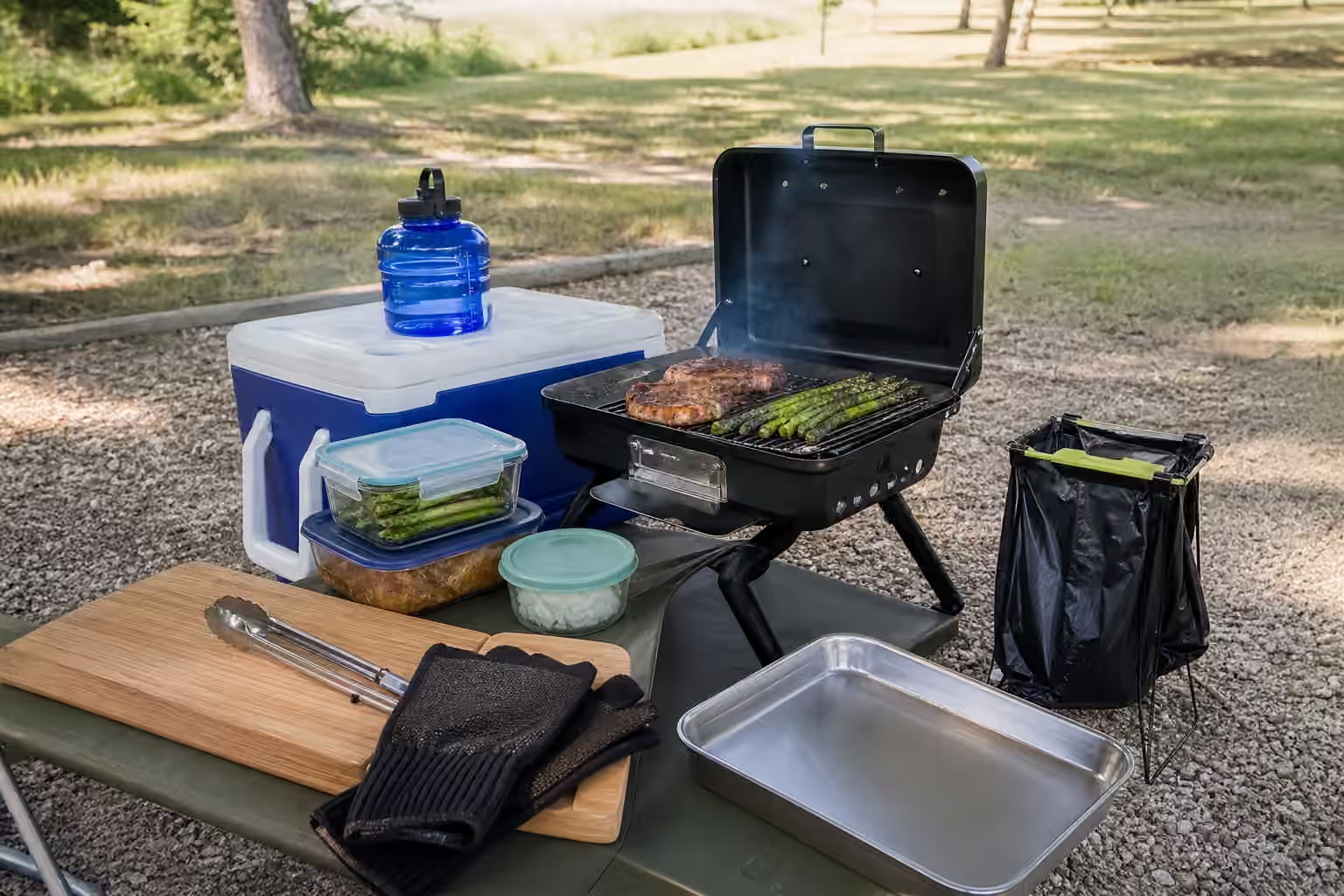
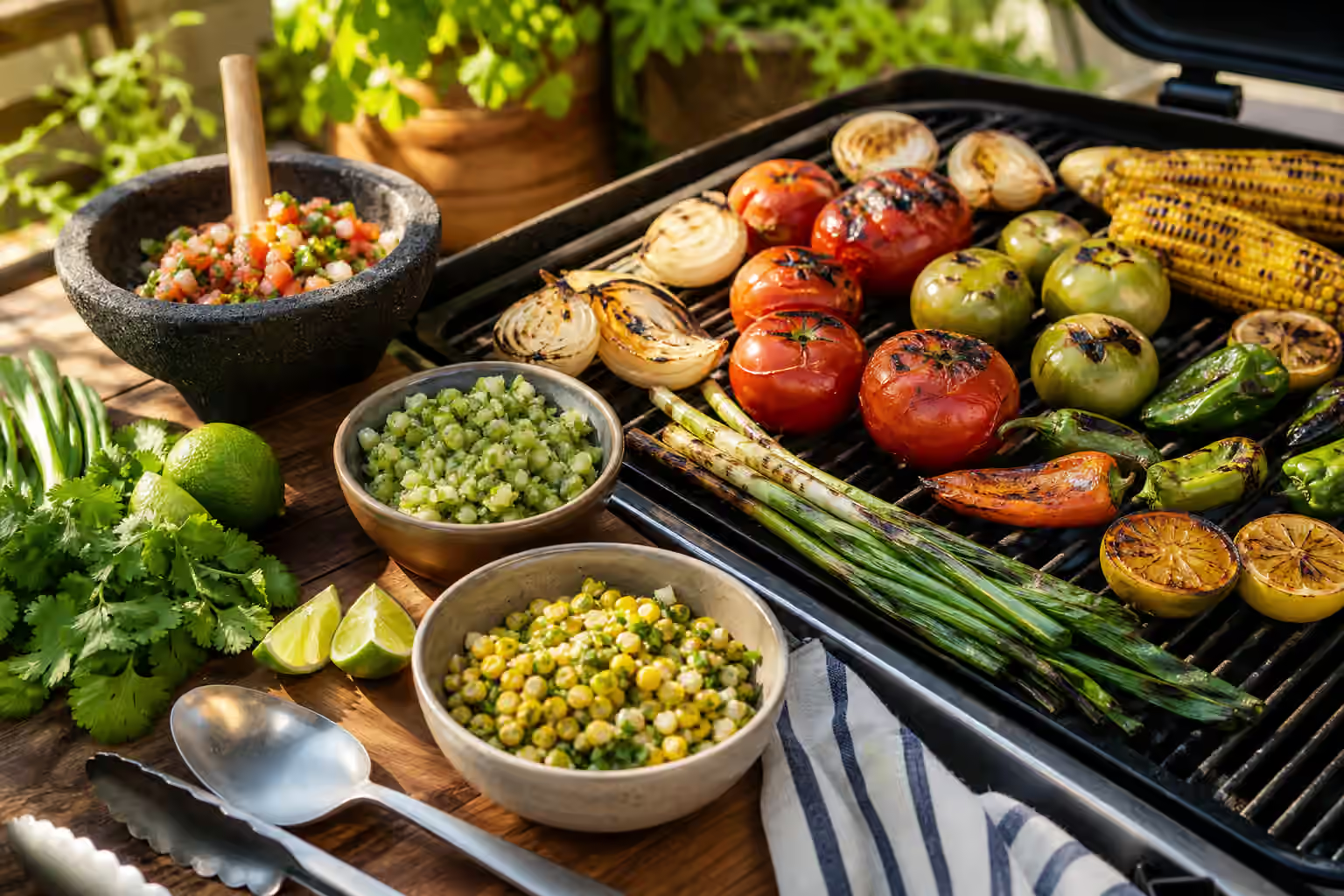
Walk into any store’s grilling aisle and you will be sold a fantasy: a giant matching set of nineteen chrome implements hanging in a molded case, most of which you will never touch. The gear that actually makes you a better outdoor cook is quieter, cheaper, and far less photogenic. It is a handful of honest tools that each solve one real problem, chosen because a specific frustration told you to buy them. This guide is organized around that idea. Instead of asking what serious grillers own, ask which job is currently making your cooking worse, and buy the simplest thing that fixes it.

Buy tools for jobs, not for the picture
A tool earns its place by removing friction from a cook you actually do. If doneness is a guessing game, the job is measurement and the tool is a thermometer. If asparagus keeps rolling through the grate into the coals, the job is containment and the tool is a basket. If lighting charcoal is a smoky, lighter-fluid ordeal, the job is ignition and the tool is a chimney starter. If you cannot see the food after sunset, the job is visibility and the tool is a light. Frame every purchase as a job to be done, and the aisle stops being intimidating. You are no longer buying grilling; you are buying the removal of one annoyance at a time.
That framing also protects your money. Gadgets marketed as must-haves in a slick video almost never map to a job you have. A branding iron, a laser thermometer for a task an instant-read handles better, a single-use rack for a food you have cooked zero times, all of it fails the test because no real frustration asked for it.
The five that change everything first
If you own nothing, five inexpensive things do more for your cooking than any premium upgrade. An instant-read thermometer is the first purchase, full stop, because it replaces anxiety and guesswork with a number and it is the backbone of cooking food safely. A pair of long, sturdy tongs gives you reach and control near the heat without stabbing the meat and bleeding out its juices. A safe grate-cleaning tool keeps the cooking surface honest, and if you use a bristle brush, inspect it for loose wires and retire it the moment it sheds. A pair of heat-resistant gloves turns hot vents, lids, baskets, and cast-iron handles from hazards into non-events. And a simple two-tray system, one for raw and one for cooked, is not glamorous but it quietly prevents the cross-contamination that undoes an otherwise careful cook.
Charcoal cooks should add one more to that foundation: a chimney starter. It lights coals evenly with a sheet of newspaper and no chemical taste, and it will outlast almost everything else you buy. These first tools are boring in exactly the way good infrastructure is boring. You stop noticing them, which is the point.
The ones to add when a pattern proves itself
Everything past the foundation should wait until your own cooking asks for it. When longer cooks become a regular habit, a leave-in probe thermometer lets you track internal temperature without lifting the lid, and it pairs naturally with the projects in the smoking for beginners guide. When vegetables, shrimp, or fish move from occasional to routine, a grill basket solves sticking and falling in one purchase. When evening cooking becomes normal, a proper clip-on or magnetic grill light beats fumbling with a phone flashlight while your hands are greasy or gloved.
Covers, storage bins, sauce squeeze bottles, rub shakers, skewers, cast iron, and cooking planks all belong in this same category: excellent purchases once the menu has proven they will be used, wasteful before then. A cover in particular is worth understanding correctly. It protects a grill that is already clean, dry, and cool; it is not a substitute for cleaning, and draping one over a warm or damp cooker traps moisture and invites rust rather than preventing it.
What to skip, and why brand claims rarely help
The clearest way to waste money outdoors is to buy ahead of your own experience. Novelty tool sets, oversized meat forks that pierce and drain everything they touch, flimsy gadgets that warp the first time they see real heat, and specialty racks for foods you have not cooked twice are all purchases that pattern-match to enthusiasm rather than need. Brand claims deserve the same skepticism. Unless you can verify a claim yourself, a generic, job-based search turns up perfectly good beginner gear at a fraction of the marketing markup. Let the tool prove itself in your hands before you pay for its reputation.
Store what you keep where you actually cook. The most common quiet failure is owning the right tools but leaving them in a kitchen drawer, so they never make it to the patio when a flare-up or a hot handle demands them. Gear used indoors is gear that does not help you outdoors.
Setup is the tool you cannot buy
The best gear only helps inside a setup that is legal, stable, and unremarkable. Place the cooker where heat, smoke, cords, fuel, grease, ash, guests, pets, and weather can all be managed, and follow the manufacturer’s instructions and local rules, especially for balconies, propane cylinders, charcoal ash, wind, and covered spaces. A well-organized station, which the beginner grill station guide walks through, does more for calm cooking than any single purchase, because it puts each tool within reach at the moment you need it.
None of this gear changes the rules of food safety, which stay in charge of the whole cook. Use thermometer-based doneness for meat, poultry, seafood, leftovers, and reheating, keep raw and cooked foods separate, wash hands and tools after raw contact, and move perishables toward chilling rather than leaving them out in the warm air. Visual cues can help with quality, but they never replace official guidance.
For current official reference, keep FoodSafety.gov’s safe minimum internal temperatures and clean, separate, cook, chill guidance close by. USDA FSIS also maintains a grilling food safely resource that is especially relevant for outdoor cooking, smoking, holding, leftovers, and reheating.
Bought this way, a grilling kit grows slowly and every piece in it has a story about a problem it solved. That is the collection you want: not the biggest, but the one where nothing is dead weight. When you are ready to build the station those tools live on, the grill cleaning and maintenance guide keeps them, and the cooker, working for years.