Mops, spritzes, and basting brushes all promise control over the surface of BBQ, but they do not do the same job. A spritz lightly wets the bark. A mop brings more liquid and sometimes seasoning. A brush lays down sauce or glaze with direct contact. Each one can help a long cook, and each one can get in the way. The surface of ribs, brisket, pork shoulder, poultry, or vegetables is not a blank canvas waiting for constant attention. It is drying, browning, taking smoke, rendering fat, and building texture. The cook’s job is to intervene only when the surface needs it.
The surface has a job
Before adding liquid, look at what the surface is trying to become. Bark needs time to dry and set. Smoke needs clean airflow. Fat needs heat. Seasoning needs enough moisture to dissolve, then enough dryness to cling and form texture. If the cook sprays every few minutes because the surface looks dark, the bark may never set. If the cook never intervenes while a thin edge dries badly, the result may be tough before the center is tender.
This is why BBQ Bark, Smoke Rings, and Texture should be read before any mop habit becomes automatic. Bark is not just a crust of spice. It is a structure. Mopping, spritzing, and brushing should support that structure, not erase it.
A spritz is a light adjustment
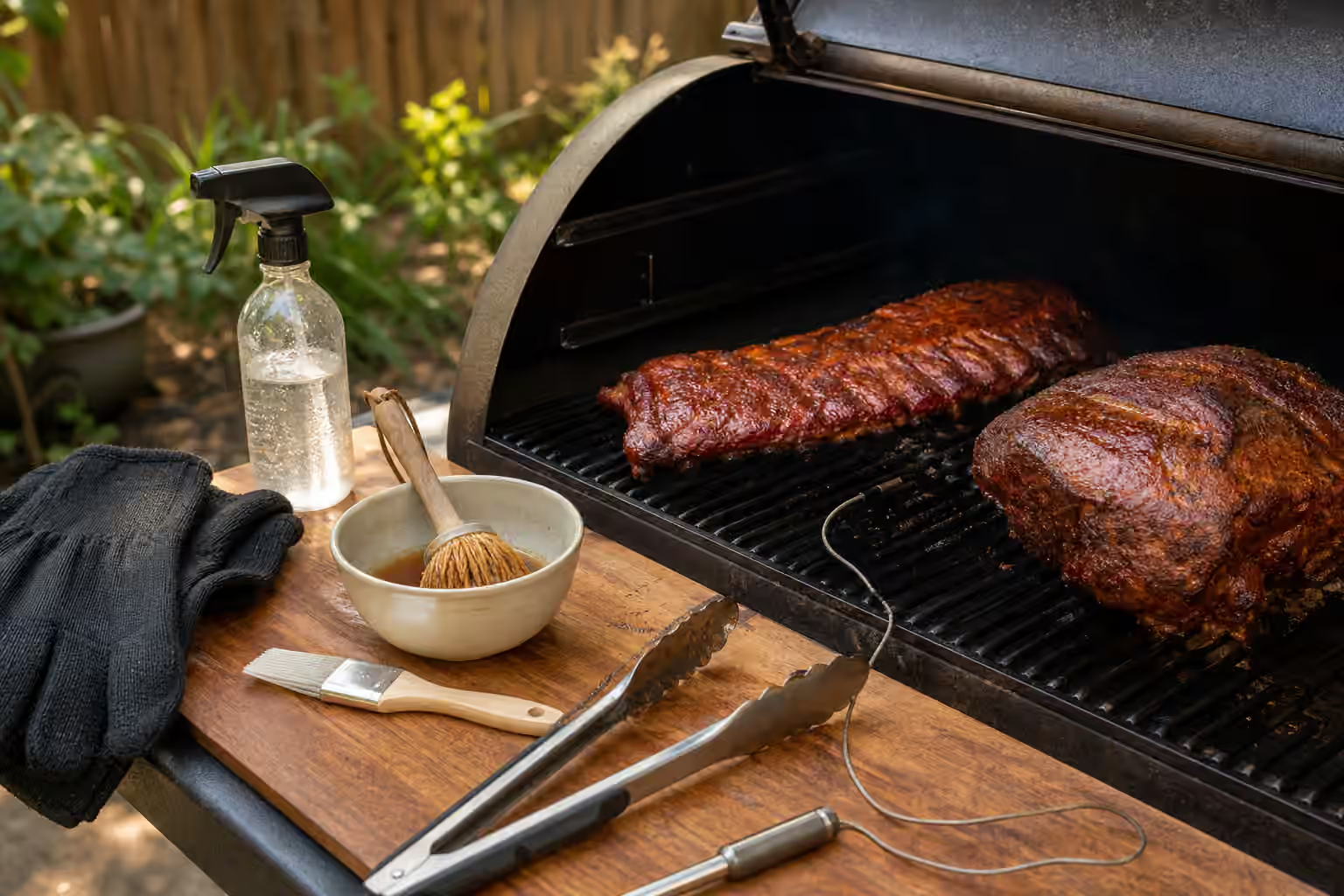
A spritz is usually the gentlest tool. It adds a small amount of moisture without touching the food. That can cool the surface slightly, help a dry patch recover, or encourage smoke particles to adhere early in a cook. Water, vinegar mixtures, fruit juice, broth, or other mild liquids are common, but the exact liquid matters less than restraint. Most of the flavor of a tiny spray does not drive deep into the meat. It affects the surface.
The main cost of spritzing is heat loss and interruption. Every lid opening changes the cook. The chamber loses heat. Smoke flow changes. The cook stares at the food and starts inventing problems. On a stable smoker, a light spritz at sensible intervals can be useful. On a struggling cooker, constant spraying can make the heat problem worse. Smoking for Beginners teaches patience because many long-cook problems are made worse by anxious lid lifting.
Spritz only after the surface has begun to set. If rub still looks loose or paste-like, spraying can make it run. If the surface is already wet from rendered fat, a spritz may add nothing. If the edges are drying while the center looks fine, aim at the problem rather than misting the whole piece out of habit.
A mop brings more liquid and more force
A mop is more assertive. It can carry vinegar, stock, thin sauce, spices, rendered fat, or drippings across the surface. It can be useful on larger cuts, whole animals, live-fire cooks, or traditional BBQ styles where repeated basting is part of the method. It can also wash away rub, tear a delicate bark, and drag raw-contact habits into cooked food if the station is sloppy.
The texture of the mop matters. A heavy cotton mop can hold a lot of liquid and hit the surface hard. A smaller brush or silicone mop can be more controlled. For home cooks, the best mop is often smaller than the image in their head. You want to add enough liquid to help the surface, not flood the meat like a rinse cycle.
If using a mop with meat juices or sauce, keep the container and tool in a safe workflow. Do not dip a tool that touched undercooked meat into a sauce that will later be served at the table. Do not leave a warm sauce bowl sitting outside all afternoon because it looks rustic. The raw/cooked discipline from Grill Food Safety Workflow belongs at the smoker too.
Brushes and glazes belong late
Basting with a brush often means applying sauce, glaze, butter, oil, or a thicker liquid. This is where sugar becomes important. Many BBQ sauces and glazes contain sugar, fruit, molasses, honey, or other ingredients that can burn over direct or high heat. BBQ Sauces, Glazes, and When to Apply Them exists because sauce timing can make the difference between shine and scorch.
For ribs, chicken, pork, and vegetables, a glaze often works best near the end, when the food is mostly cooked and the heat can set the sauce without burning it. A thin layer is usually better than a heavy coat. Multiple light applications can build a more balanced finish than one thick layer that slides off or turns gummy. If the food still needs a long time, keep sugary sauces away or use a very low, indirect setting with attention.
Oil-based basting is different. It can help vegetables, lean fish, or breads, but too much oil dripping into flame can create flare-ups. The guide to Managing Flare-Ups is part of basting because any liquid that drips into fire becomes a heat-control decision.
Moisture is not the same as juiciness
One of the most persistent BBQ myths is that spraying liquid on the outside makes the inside juicy. Juiciness depends more on doneness, fat, collagen, salt, rest, and slicing than on surface mist. A dry pork shoulder is usually overcooked, under-rested, poorly held, or cooked from a lean cut, not missing apple juice on the bark. A tough rib is usually a tenderness and timing problem, not a spritz flavor problem.
That does not make surface moisture useless. It simply puts it in the right place. Mops and spritzes influence bark, surface drying, smoke adhesion, glaze texture, and edge protection. They do not replace thermometer habits, probe feel, or rest. Grill Thermometers and Doneness still does the heavier work.
Drip pans, water pans, and chamber humidity
If the cooker is running very dry, a water pan may be a better tool than constant spritzing. It changes the cooking chamber more steadily and reduces the need to open the lid. Grill Drip Pans and Water Pans explains the difference between catching fat and moderating heat. A pan cannot season the surface like a mop, but it can make the environment less harsh.
The cook should also ask why the surface seems dry. Is the fire too hot? Is the food placed too close to the heat source? Is wind pulling heat across one edge? Is the meat unusually lean? Is the lid being opened so often that the chamber never settles? Liquid on the surface may hide the symptom without fixing the cause.
When leaving it alone is the better move
There are times when the best basting tool stays on the table. Early bark formation often benefits from being left alone. A clean fire with steady airflow should not need constant rescue. A wrapped phase already traps moisture, so spritzing before closing the packet may be unnecessary. A final sauce layer needs time to set, not repeated brushing until the surface turns muddy.
Outdoor cooking rewards observation, but observation is not the same as interference. Look, decide, act, and close the lid. If there is no clear reason to add liquid, let heat and time do their work. The calmer cook uses mops, spritzes, and brushes as small adjustments, not as proof of attention.
A useful surface routine
A practical long-cook rhythm is simple in spirit. Let the surface set. Correct dry edges lightly. Mop only when the style or food benefits from real liquid. Brush sugary sauces late. Keep raw-contact tools out of serving sauces. Close the lid quickly. Rest the food before slicing or pulling. That rhythm supports ribs, pork shoulder, brisket, chicken, and sturdy vegetables without turning the cook into a performance.
The surface of BBQ tells a story. Mops, spritzes, and basting brushes are editing tools. Use them when the story needs a sentence clarified, not when it needs to be rewritten every ten minutes.