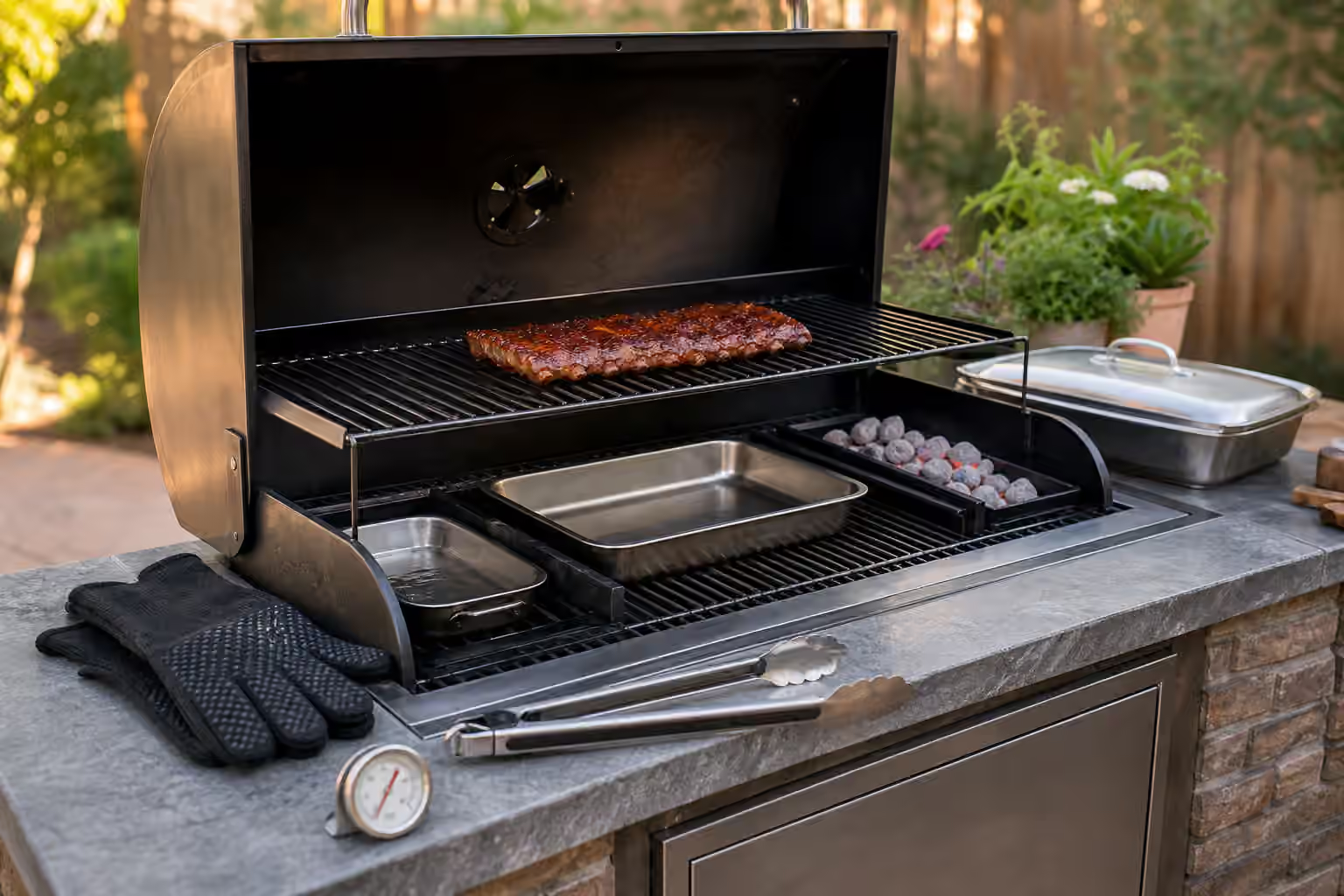
A flare-up is the moment a lot of new grillers decide, wrongly, that they are bad at grilling. Fat hits the fire, a wall of orange flame climbs through the grate, and the instinct is to freeze, wave a towel, or start yanking food off in a hurry. None of that is necessary. A flare-up is just fat and fire meeting in the presence of oxygen, and it is one of the most predictable, most preventable events on the whole cooker. The cooks who look unbothered are not braver than you. They set the grill up so the flame has somewhere harmless to send the food, and they know the two or three moves that end a flare in seconds.

What a flare-up actually is
Three things have to be present at once for a flare-up: fuel, heat, and air. The fuel is rendered fat, oil from a marinade, or sugar from a sauce dripping onto the coals or burner. The heat is already there. The air is what a flare needs most, which is why an open lid on a breezy day turns a flicker into a torch. Understand that trio and the whole event stops feeling mysterious. You are not fighting the grill. You are simply removing one of the three legs the flame is standing on, and the fastest leg to kick out is usually the fuel, by moving the food, or the air, by closing the lid.
It also helps to separate the small, useful flare from the dangerous one. A brief lick of flame under a burger as fat renders is normal and even flattering; it crisps edges and adds a little char. A sustained sheet of fire that keeps climbing after the food has moved is a different animal, and it deserves respect rather than a spatula wave.
Why prevention beats reaction every time
Almost every flare-up you will ever meet was decided before you lit the grill. Fatty chicken thighs laid skin-down over a screaming-hot direct zone will flare. A grate coated in last week’s grease will flare. A drip tray brimming with old fat will flare, sometimes spectacularly. The fix for all three lives in the setup, not in your reflexes.
The single most valuable habit is building a two-zone fire, which the two-zone grilling guide covers in depth. When one half of the grill has fuel and the other half does not, you always have a landing pad. A flare erupts, you slide the food six inches sideways to the cool zone, and the fire has nothing left to burn. No panic, no scorched dinner, no drama. Trimming loose flaps of hard fat, going easy on oil-heavy marinades, keeping the cook chamber and grease path clean, and spacing food so a single flare does not engulf the whole batch all stack on top of that one structural choice. For anything you know renders hard, plan the cool side into the recipe from the first minute rather than discovering you need it mid-flame.
The moves that end a flare in seconds
When flame does climb, the sequence is short and it is always the same. Move the food first, diagnose second. Slide everything over the cool zone before you think about anything else, because food that is off the flame cannot burn while you decide what happened. Then, if it is safe to do so, close the lid to choke the oxygen and let the flare starve itself out; on a gas grill you can also turn the offending burner down. Give it a moment to settle before you bring anything back over direct heat.
The reverse of that sequence is where people ruin dinner. Standing over an open grill, watching flames lap the food, hoping for grill marks, is how the outside turns to soot while the inside stays raw. Grill marks are not worth a mouthful of acrid char, and they are certainly not worth leaning your face and forearms over a growing fire.
What never to do
A short list of hard nos will save you from the worst outcomes. Never throw water on a grease fire; water flashes to steam and can hurl burning fat into the air and at you. Never lean over the grill to look into a rising flame. Never carry a burning drip tray with bare hands or an unrated glove. And never tell yourself a flare is harmless once it has spread beyond the cook chamber, reached fuel lines, or found something nearby that can catch. At that point you are past cooking and into fire safety: shut off the fuel if you can do so safely, and reach for the right extinguisher rather than improvising with the kitchen towel.
The reassuring truth underneath all of it is that the correct response is almost always calmer and slower than the mistake feels in the moment. Sauce turning black is not an emergency; it means the sugar is cooking faster than the meat, so move off direct heat and glaze later in the cook. Repeated flames under fatty chicken are not a curse; they are a signal that the heat is too direct for the fat load, so switch to indirect and let the skin render gently. Almost every flare has a quiet answer.
Learn the fire, then feed it
The deeper skill under flare control is reading the fire before food ever touches the grate, which connects flare-ups to everything in the fire, airflow, and fuel guide. Notice where the direct heat sits and where the cool zone is. Notice whether the coals are still climbing, settled into their working range, or fading. Notice what the vents are doing to the airflow. A cook who has taken those readings already knows which foods will flare and has the escape route open before the first drip falls.
Keeping the cooker clean is part of the same discipline. A grease tray emptied before each cook and grates scraped free of built-up fat remove the hidden fuel that turns an ordinary render into a runaway fire; the grill cleaning and maintenance guide makes that a routine rather than an afterthought.
Keep the food itself safe
None of this changes the doneness rules. A flare tells you nothing reliable about whether the inside is cooked, and a heavily charred exterior can actually hide an underdone center, so the thermometer stays in charge from start to finish. Cook meat, poultry, seafood, leftovers, and anything you are reheating to safe internal temperatures, keep raw and cooked food on separate boards and platters, wash hands and tools after raw contact, and move perishables toward chilling rather than letting them linger in the warm outdoor air while everyone talks.
For current official reference, keep FoodSafety.gov’s safe minimum internal temperatures and clean, separate, cook, chill guidance close by. USDA FSIS also maintains a grilling food safely resource that is especially relevant for outdoor cooking, smoking, holding, leftovers, and reheating.
Once the cool zone becomes a reflex and the thermometer becomes a habit, flare-ups stop being a source of dread and become just another thing the fire does, easily managed and quickly forgotten. If heat control is still the sticking point, the two-zone and airflow guides are the next stop; if you want to feel calmer running the whole event, the seasoning, holding, and cookout-planning guides pick up where this one leaves off.